
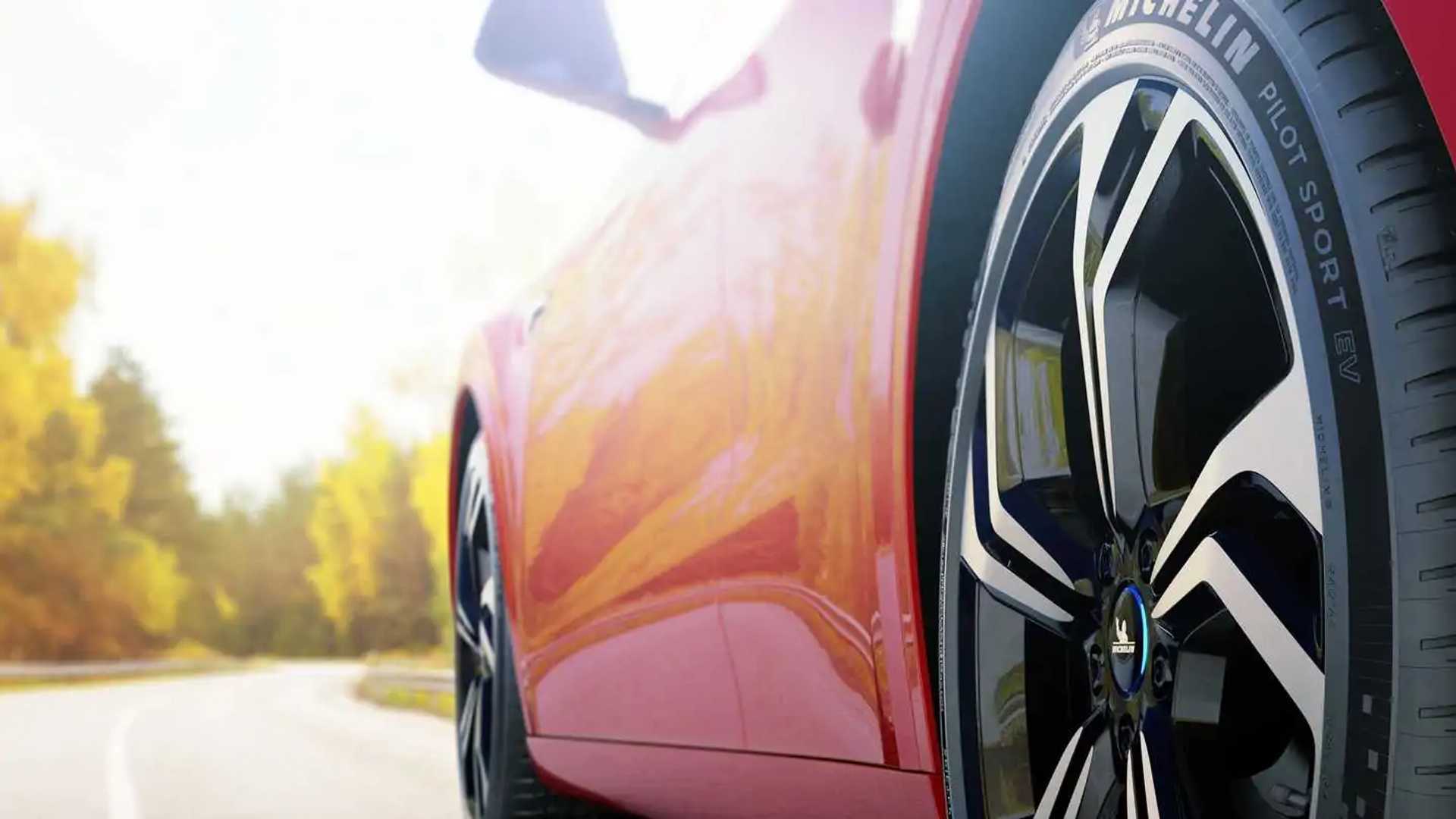
The rapid ascent of electric vehicles (EVs) marks a significant shift in automotive technology, promising reduced emissions and lower running costs. While EVs largely eliminate many traditional maintenance tasks associated with internal combustion engine (ICE) vehicles, a persistent concern among prospective and current owners revolves around tire longevity. Many report experiencing accelerated tire wear, leading to earlier and potentially more frequent replacements than anticipated.
This common perception raises a critical question: is the notion of EVs wearing tires faster merely anecdotal, or is it substantiated by scientific evidence and real-world data? Understanding the underlying physics and examining empirical studies becomes crucial in discerning fact from myth in the realm of electric vehicle tire management.

Key Takeaways
- Electric vehicles often experience higher tire wear compared to traditional gasoline or diesel cars, primarily due to increased weight and instantaneous torque delivery.
- Studies from Korea, fleet data from Epyx, and tests by UTAC indicate that EV tires can wear between 20% and 31% faster on average, though results vary based on vehicle type and driving conditions.
- Increased vehicle weight, stemming from heavy battery packs, places greater strain on tires during acceleration, braking, and cornering.
- The brutal, instantaneous torque characteristic of electric motors puts significant stress on tire compounds, especially during aggressive driving.
- EV-specific tires are engineered to address these challenges, featuring enhanced load capacity, optimized compounds for durability, lower rolling resistance for range, and noise reduction features.
- Driver behavior, proper tire pressure maintenance, regular checks for uneven wear, and adhering to rotation schedules are critical factors in extending the lifespan of EV tires.
The Physics Behind Increased EV Tire Strain
From a foundational physics perspective, several inherent characteristics of electric vehicles predispose their tires to higher rates of wear. These factors collectively contribute to the increased stress experienced by the rubber compounds and tread patterns during regular operation.
A primary contributor is the considerable weight of electric vehicles. EV battery packs are heavy, often making electric models significantly heavier than their combustion-engine counterparts. This additional mass translates to greater inertial forces that the tires must manage during all dynamic maneuvers, including acceleration, deceleration, and cornering. The constant deformation and recovery cycles under higher loads accelerate the breakdown of tire materials.
Beyond weight, the instantaneous and often brutal power delivery of electric motors is another significant factor. Unlike ICE vehicles, which typically build torque gradually, EVs can deliver maximum torque from a standstill. This immediate surge of power, especially during spirited acceleration, places immense shearing forces on the tire surface, leading to greater friction and, consequently, faster tread erosion.

Germany’s prominent automobile association, ADAC, acknowledges that both vehicle weight and aggressive driving behavior are key accelerators of tire wear. While ADAC does not specifically highlight an EV’s instantaneous torque as a singular cause for accelerated wear, it emphasizes that the mere availability of high torque does not mandate its constant use. The organisation places a strong emphasis on individual driving style as a paramount determinant of how quickly tires wear out.
Empirical Evidence: What Studies Reveal About EV Tire Wear
To move beyond anecdotal observations, several studies have attempted to quantify the difference in tire wear between electric and conventional vehicles. The findings, while consistent in suggesting higher EV tire wear, also highlight the complexity of the issue, with various methodologies yielding nuanced results.
Direct Evidence from Controlled Testing
A significant 2022 study published in Science of the Total Environment offered direct, comparative evidence. Korean researchers meticulously measured the average tread wear of an electric vehicle against a gasoline car and a diesel car over a controlled 550-kilometer (approximately 341-mile) route. The results indicated that the tested EV exhibited an average tread wear of 201.7 milligrams per kilometer.
In stark contrast, the gasoline car registered 158.9 mg/km, and the diesel car recorded 167.4 mg/km. This data suggests that the EV’s tires wore approximately 27% faster than the gasoline car’s and 20% faster than the diesel car’s under the specific conditions of this experiment. It is important to note that these findings are applicable to the particular vehicles and conditions tested, rather than serving as a universal forecast for all EV tire life.
Fleet Management Data: Real-World Observations
Real-world data from fleet management companies further supports the trend of accelerated EV tire wear. In 2025, fleet management firm Epyx released a report indicating that electric company cars typically required their first tire replacement at an average of about 23,100 kilometers (approximately 14,352 miles). This figure contrasts sharply with internal combustion engine vehicles, which averaged 29,500 km (around 18,333 miles) before their first tire change.
This translates to roughly 22% fewer miles between tire changes for EVs in a fleet context. However, Epyx itself acknowledged a crucial limitation: the EV sample in their data skewed towards larger vehicles. Larger, heavier vehicles inherently tend to wear out tires faster than smaller ones, introducing a confounding variable that makes a direct ‘apples-to-apples’ comparison challenging without further control for vehicle size and class.
Particle Emissions and Tire Longevity
Another study, published in Environmental Research in 2026, took a different approach by comparing tire and road particle emissions from electric and combustion versions of the same car. On average, the study found that EVs released about 31% more particles from their tires and the road surface. While this finding underscores the environmental impact of tire wear in EVs, it does not directly equate to a 31% reduction in tire lifespan.
The study measured particle emissions as an indicator of material loss, rather than directly assessing how long the tires physically lasted. While a correlation likely exists, particle measurement is distinct from a direct longevity assessment.
Varied Driving Conditions and Wear Estimates
A separate 2026 study published in Mechanika estimated that electric vehicle tires could last 35–62% fewer kilometers than those on combustion cars. However, this study also faced challenges in establishing a direct comparison. The EVs in this analysis reportedly engaged in more city driving and traversed different routes compared to the ICE vehicles.
Stop-and-go urban driving is inherently more demanding on tires than continuous highway cruising, making it difficult to isolate the effect of the vehicle type itself from the impact of varied driving conditions and patterns on tire longevity.
Controlled Weight Comparison
In a more controlled test, UTAC, on behalf of car industry groups ACEA and OICA, conducted an experiment comparing one electric BMW iX1 with five combustion X1s. These vehicles were driven together over a substantial distance of 15,000 kilometers (approximately 9,300 miles).
The results showed that the iX1 EV did lose more rubber per kilometer than its combustion counterparts. Crucially, however, once researchers accounted for the iX1’s additional weight, the observed difference in tire wear largely diminished. This particular finding strongly suggests that vehicle weight is a predominant factor contributing to the increased tire wear observed in electric vehicles when compared to similar combustion models.
Addressing Tire Wear: The Role of EV-Specific Tires
Recognising the unique demands placed on electric vehicle tires, manufacturers have developed specialised EV-specific tires designed to mitigate these challenges. These tires are engineered with a multi-faceted approach, targeting several critical areas simultaneously.
Firstly, EV tires are constructed to withstand the extra weight of electric vehicles. Their structural integrity and load capacity are enhanced to manage the increased mass, particularly from heavy battery packs. Secondly, their rubber compounds and tread designs are specifically formulated to improve durability and resist the high-torque forces characteristic of EVs, aiming to extend their lifespan.
Furthermore, these specialised tires often prioritise low rolling resistance. This feature is vital for electric vehicles as it directly impacts range, helping to maximise efficiency and battery performance. Another significant design consideration is noise suppression. Given the near-silent operation of electric powertrains, tire roar becomes much more pronounced inside the cabin. EV-specific tires frequently incorporate acoustic foam or other sound-dampening technologies within their structure to reduce road noise, contributing to a quieter and more refined driving experience.
Michelin, a leading tire manufacturer, highlights that these features serve distinct purposes; a quieter tire is not automatically a longer-lasting one, emphasizing the careful balance of design objectives. However, Michelin also reports that its newer tire lines are designed with improved durability to handle the specific weight and torque demands of modern electric vehicles.
It is important to note that while EV-specific tires offer tailored solutions, they are not always a mandatory requirement. According to ADAC, tires without the explicit ‘EV-specific’ marking can be perfectly suitable, provided they meet all the vehicle’s required specifications, including crucial parameters like dimensions and load capacity ratings. Drivers should always consult their vehicle manufacturer’s recommendations when selecting replacement tires.
Practical Strategies to Extend EV Tire Longevity
While the inherent characteristics of electric vehicles contribute to increased tire wear, drivers are not without recourse. Several practical and often ordinary maintenance and driving strategies can significantly influence the lifespan of EV tires, much like with any vehicle.
The most impactful advice revolves around conscientious driving behavior. Adopting smoother accelerator inputs, avoiding aggressive starts, and utilizing regenerative braking efficiently (where available) can dramatically reduce the stress on tires. Instantaneous torque, while exhilarating, is a primary culprit for rapid tread wear, and a measured approach to acceleration can mitigate this.
Maintaining recommended tire pressures is fundamental. Under-inflated or over-inflated tires wear unevenly and accelerate tread degradation, compromising both safety and tire life. Regular checks for uneven wear patterns are also crucial, as they can indicate issues such as improper alignment or suspension problems that, if unaddressed, will quickly shorten tire life.
Following the manufacturer’s tire rotation guidance is another simple yet effective measure. Regular rotation ensures that all four tires wear more evenly, distributing the stresses and extending the overall lifespan of the set. When purchasing new tires, consumers should prioritize those that offer a good balance of durability, grip, braking performance, and low rolling resistance to optimize both safety and range.
Ultimately, the evidence suggests that increased EV tire wear is not a myth, but its extent is highly variable. Factors such as the specific vehicle model, tire construction, and critically, the driver’s habits, play a decisive role. As with any car, how often new tires are needed largely depends on what you drive and how meticulously you maintain and treat your tires.
Frequently Asked Questions (FAQ)
Q1: Do electric vehicles definitely wear tires faster than gasoline cars?
Yes, studies and real-world data generally indicate that electric vehicles tend to wear tires faster. This is primarily attributed to their heavier weight due to battery packs and the instantaneous, high torque delivery from electric motors, which puts greater strain on tires during acceleration and braking.
Q2: What is the main reason for increased EV tire wear?
The two primary reasons are increased vehicle weight and instant torque. EV battery packs add significant mass, increasing stress on tires. The immediate and powerful torque from electric motors can lead to greater friction and accelerated tread wear, especially with aggressive driving styles.
Q3: How much faster do EV tires wear compared to conventional car tires?
Research suggests EV tires can wear approximately 20% to 31% faster. For instance, a Korean study found EV tires wore 20-27% more per kilometer, and fleet data showed 22% fewer miles between changes for company EVs. However, these figures can vary significantly based on vehicle model, tire type, and driving conditions.
Q4: Are EV-specific tires necessary for my electric car?
While not always strictly necessary if suitable conventional tires meet vehicle specifications, EV-specific tires are engineered to address the unique demands of electric vehicles. They feature enhanced load capacity, durable compounds, low rolling resistance for range, and acoustic properties to reduce noise, offering an optimized solution for EV owners.
Q5: What can EV owners do to make their tires last longer?
EV owners can extend tire life by adopting smooth driving habits, avoiding aggressive acceleration and hard braking. Crucially, maintaining correct tire pressure, performing regular visual checks for uneven wear, and adhering to the manufacturer’s recommended tire rotation schedules are vital for maximizing tire longevity.
Q6: Does regenerative braking affect EV tire wear?
While not explicitly covered in the provided text, regenerative braking, when used smoothly, can actually reduce wear on friction brakes and tires by converting kinetic energy back into electricity. However, aggressive or inconsistent regenerative braking could still contribute to tire stress if not managed progressively.
Q7: Should I consider tire particle emissions when choosing EV tires?
A 2026 study noted EVs released more tire particles. While this highlights an environmental consideration, the primary focus for consumers remains tire durability, safety, and efficiency. However, choosing high-quality, durable tires may indirectly contribute to lower particle emissions over the tire’s lifespan by reducing early wear.
Q8: Does vehicle size impact EV tire wear?
Yes, larger and heavier vehicles, regardless of powertrain, generally experience faster tire wear due to increased mass. Fleet data from Epyx acknowledged that their EV sample skewed towards larger vehicles, indicating that vehicle size is a significant contributing factor to observed wear rates.