
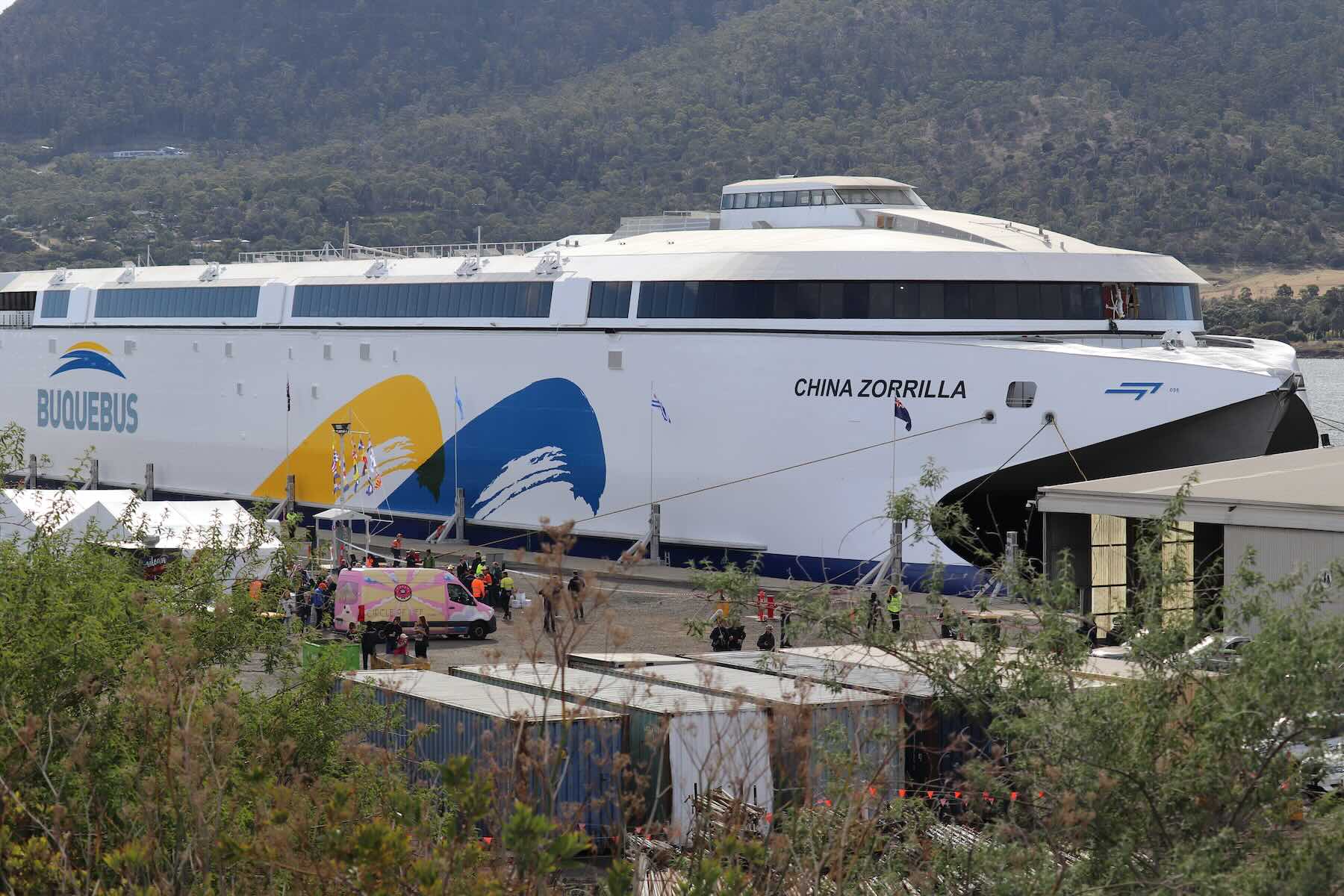
Key Takeaways
- Transformative Potential: Electric battery-powered ferries offer a significant shift towards cleaner sea travel, reducing carbon emissions and strengthening maritime transport as a viable alternative to flying.
- Viking Line’s Helios Concept: A pioneering project for a fully electric passenger-and-car ferry between Helsinki and Tallinn, featuring high battery capacity (85–100 MWh) and demanding multi-megawatt port charging infrastructure.
- Environmental Benefits: Studies indicate up to 86% lower greenhouse gas emissions compared to marine gas oil, achieved through zero exhaust and higher energy efficiency, provided low-carbon electricity is used.
- Economic Incentives: While initial investment in electric ferries is higher, regulatory frameworks like the EU Emissions Trading System and FuelEU Maritime can make battery power the most cost-effective option over the long term, offsetting operational costs.
- Rollout Challenges & Opportunities: Implementation requires substantial investment in vessels, port upgrades, and electricity networks. Shorter, high-frequency routes in Europe are ideal candidates for early adoption, with hybrid models paving the way for full electrification.
The maritime industry is on the cusp of a significant transformation, driven by the imperative to reduce its environmental footprint. At the forefront of this shift are electric battery-powered ferries, vessels that harness electricity from shore-based grids to charge onboard batteries. These advanced power systems then supply electric motors, propelling the ship with remarkable efficiency and a substantially lower carbon impact.
By leveraging low-carbon electricity, this innovative approach promises to make sea travel considerably cleaner. It also bolsters the potential for ferries to serve as an increasingly attractive, environmentally responsible alternative to air travel, particularly on suitable routes across Europe and beyond.

Pioneering the Electric Ferry Era: Viking Line’s Helios Vision
Illustrating this ambitious future, Finnish ferry operator Viking Line unveiled its groundbreaking Helios concept in June 2025. This visionary plan outlines the development of a fully electric passenger-and-car ferry designed to operate between the bustling ports of Helsinki and Tallinn.
The proposed electric ferry is engineered for substantial capacity, capable of accommodating approximately 2,000 passengers and 650 vehicles. Its propulsion system would be powered by high-capacity batteries, boasting an impressive energy storage range of 85 to 100 megawatt-hours (MWh).
Viking Line, a prominent Nordic shipping company renowned for its extensive ferry fleet connecting Åland, mainland Finland, Sweden, and Estonia, envisions a rapid journey across the Gulf of Finland. The crossing, expected to take just over two hours, would be supported by advanced, high-capacity charging facilities strategically located at both ends of the route.

However, the successful implementation of such a project hinges on significant infrastructural advancements. The required charging power at both ports would be in the realm of tens of megawatts, necessitating major upgrades to existing electricity systems.
While the Helios concept continues its development journey, its design has evolved since its initial announcement as fully electric in 2025. An April 2026 interview with Viking Line’s chief executive indicated a revised design that might incorporate generators. This potential addition aims to provide enhanced operational flexibility and improve electricity-price management. Despite these design considerations, the company confirmed in October 2026 that work on the Helios project is actively progressing.
Unravelling the Mechanics: How Battery-Electric Crossings Function
The Fundamental Principle of Electric Propulsion
The operational principle behind an all-electric battery-powered ferry is fundamentally straightforward, drawing parallels to electric vehicles. Much like an electric car, the vessel stores electrical energy in large, rechargeable batteries. This stored energy is then converted into mechanical power by electric motors, which are responsible for propelling the ship through water.
Unlike conventional combustion-engine vessels that continuously burn fuel at sea, an electric ferry primarily draws power from its battery banks. During scheduled port calls, the vessel rapidly recharges its batteries using high-capacity shore-based charging systems. This cyclical process allows for emission-free operation during voyages.
Scaling Up: The Challenge of Maritime Electrification
The primary distinction between an electric car and an electric ferry lies in the immense scale of energy required. A large ferry must not only propel a massive vessel through challenging marine conditions but also continuously supply electricity for a multitude of onboard services. These include navigation systems, lighting, ventilation, heating, catering facilities, and other passenger amenities.
Furthermore, the batteries must possess sufficient reserves to account for unpredictable variations in weather patterns, sea conditions, and potential alterations to operating schedules. These factors necessitate significantly larger battery capacities and more robust power management systems than those found in land-based electric vehicles.
For a substantial passenger ferry, the sheer demand for energy means that the shore-side charging infrastructure becomes nearly as critical and complex as the vessel itself. This infrastructure must be capable of delivering high power outputs within tight turnaround times.
Viking Line’s original Helios concept serves as a pertinent example, specifying a charging requirement that exceeded 30 megawatts. This figure starkly illustrates why major, often unprecedented, upgrades to port electricity systems are indispensable for the successful deployment of large-scale electric ferry services.
Environmental Imperatives: What Makes Electric Ferries Cleaner?
Zero Emissions at Sea and Port
When operating entirely on battery power, an electric ferry produces no direct exhaust emissions from burning fuel. This eliminates harmful pollutants like nitrogen oxides, sulphur oxides, and particulate matter, which are typically associated with conventional marine engines.
Beyond zero tailpipe emissions, electric motors are inherently more efficient than their combustion counterparts. They convert a greater proportion of their energy input into actual movement, with a smaller share being lost as heat. This superior energy conversion reduces the overall energy required to propel a comparable ferry over the same route, leading to substantial energy savings. The absence of combustion exhaust also significantly improves air quality in and around port areas, benefiting local communities and ecosystems.
Assessing Climate Benefits: The Helsinki-Tallinn Study
A comprehensive 2025 study conducted by Anthony Katumwesigye and his colleagues provided valuable insights into the environmental benefits. The research modelled a separate large passenger-and-car electric ferry concept, performing six daily crossings over approximately 89 kilometres between Helsinki and Tallinn. It meticulously compared the environmental impacts and costs over a 30-year operational period with vessels powered by marine gas oil, liquefied natural gas (LNG), liquefied biogas (LBG), and synthetic methanol.
The detailed assessment estimated a remarkable reduction in greenhouse gas emissions: approximately 86% lower than marine gas oil when the electric ferry utilized electricity from the Finnish grid. When an equal Finnish–Estonian electricity mix was assumed, the reduction stood at about 74%. This assessment encompassed the entire energy supply chain and the manufacture of propulsion equipment, including the necessary replacement of two battery packs over the 30-year lifespan. It excluded, however, factors such as hull construction, shore infrastructure, and end-of-life treatment of the vessel.
These compelling findings unequivocally demonstrate the extensive climate benefits that could be realized by electrifying a regular international ferry service, offering a clear pathway towards significant decarbonization of maritime transport.
The Crucial Role of Low-Carbon Electricity
It is paramount to understand that low-carbon electricity is central to achieving these environmental advantages. While battery production and electricity supply inherently carry their own environmental impacts, including considerations for mineral resources, toxicity, and water use, the overall lifecycle benefits of an electric ferry powered by renewable sources far outweigh these concerns.
The findings from the Baltic study align with a growing international momentum towards maritime electrification. At COP31 in November 2026, a significant coalition launched the Maritime Electrification Breakthrough Goal. This initiative calls for electricity to supply at least 20% of international shipping’s total energy use by 2035. This ambitious voluntary goal, backed by major shipping and port organizations, encompasses both battery-powered voyages and electricity supplied to ships while docked, known as shore power.
European regulation is already providing a strong impetus for this transition. From 2030, the FuelEU Maritime initiative will generally mandate large passenger and container ships to utilize shore power or other zero-emission technologies for their electricity needs while moored at specified EU ports. This primarily concerns power for onboard services at berth. Crucially, charging batteries for an entire crossing further requires the port’s electricity supply to efficiently match the vessel’s substantial energy demand and accommodate tight turnaround schedules.
The Baltic study’s insights help elucidate the profound significance of these developments. Its findings underscore the immense potential benefits of replacing onboard combustion with clean, low-carbon electricity. Realizing this potential necessitates coordinated and substantial investment across three key areas: advanced vessels, upgraded port infrastructure, and robust electricity networks. International support can significantly encourage these investments, though each specific route will still require its own meticulous technical and financial assessment to ensure viability.
Economic Viability: Would Electric Ferries Cost Less?
Balancing Investment and Operational Costs
Beyond the environmental advantages, the Baltic study also identified a credible pathway to lower long-term costs. Under its specific assumptions, the electric battery-powered ferry demonstrated reduced energy and maintenance expenditures compared to the marine gas oil option. This operational efficiency stems from the lower cost of electricity relative to marine fuels and the simpler mechanics of electric propulsion systems.
However, the significant upfront investment required for batteries and their eventual replacement means that the combined propulsion investment and operating costs of an electric ferry remain higher than a traditional vessel before factoring in the impact of emissions policies and potential revenues.
The Impact of Emissions Policies
Emissions policy plays a pivotal role in altering this cost comparison dramatically. The EU Emissions Trading System (ETS), for instance, mandates shipping companies to acquire allowances for the greenhouse gas emissions their vessels produce. When the study incorporated these regulatory costs, alongside the assumed financial effects of FuelEU Maritime, battery power emerged as the least costly option over the 30-year assessment period.
A notable component of this economic advantage stems from FuelEU “pooling.” This mechanism allows ships whose energy supply surpasses the regulation’s cleanliness requirements to assist other vessels in complying. This could potentially generate payments for the cleaner ships. The researchers in the study assumed these payments would equate to the penalties the non-compliant ships would otherwise incur. However, actual payments are subject to negotiation between companies, introducing a degree of uncertainty regarding this potential income stream.
The escalating cost pressures associated with emissions regulations are already evident within the industry. In June 2026, Brittany Ferries publicly stated its expectation of an EU emissions trading bill amounting to approximately €27 million for that year alone. The company cited this substantial cost, alongside pandemic loan repayments and pressures on passenger budgets, when announcing strategic fleet and service adjustments.
Furthermore, the coverage of the ETS scheme varies by route. Generally, all voyage emissions between EU ports are covered, but only half of the emissions on UK–EU crossings fall under the system. This variability underscores the critical need for each specific service to undergo a thorough, individualized assessment when evaluating the financial benefits of electrification.
It is also important to note that the comparison in the Baltic study excluded significant additional investments required for port chargers and grid connections. Future electricity prices and specific charging arrangements will also heavily influence the overall business case for electric ferries. Finally, lower operator costs do not automatically translate into cheaper tickets for passengers, as pricing strategies involve numerous other commercial considerations.
Where in Europe Could Clean Ferry Technology Be Rolled Out?
The Stepping Stone of Hybrid Technology
The current generation of hybrid ferries already in service provides tangible evidence of the ongoing transition towards greater electrification in the maritime sector. Many of these vessels retain traditional combustion engines for critical back-up or to ensure operational flexibility, even as batteries increasingly support normal sailing operations.
On key UK–France routes, Brittany Ferries operates its Saint-Malo and Guillaume de Normandie hybrid-LNG (liquefied natural gas) ships, serving the Portsmouth–St Malo and Portsmouth–Caen crossings, respectively. These roll-on, roll-off (RO-PAX) vessels, designed to carry both cars and passengers, can recharge at Portsmouth. They primarily utilize batteries for precise harbour manoeuvres, transitioning to combustion engines for the longer sea crossings. Moving to fully electric operations on such routes would necessitate battery capacities and port charging infrastructure capable of meeting the entire route’s substantial energy demand, strict timetable, and comprehensive reserve requirements.
Promising Short Routes and Island Connections
Shorter, high-frequency routes present ideal scenarios for assessing and developing fully electric-powered technology. Italy’s approximately 20-minute Messina–Villa San Giovanni crossing, which crucially links Sicily with the mainland, serves as an excellent example of a route worth evaluating for early adoption.
Similarly, Greece’s Saronic Ferries has put forward a proposal for an electric vessel intended to link Piraeus with the islands of Aegina and Agistri. The realization of this project, however, remains contingent on the development of adequate charging infrastructure, and its entry into service is yet to be verified. Both these examples highlight domestic island connections, where reliable energy efficiency, alongside dependable access and the ability to manage seasonal demand fluctuations, are paramount considerations.
A 2026 report titled “Clean energy for EU islands” specifically examines Swedish island services. It proposes potential savings that could be achieved by combining electric propulsion with smaller passenger vessels and revised schedules. It is important to note that these are recommendations, not yet implemented results, and any reduction in departure frequencies would necessitate careful consideration of residents’ essential needs and logistical requirements.
Sea vs. Air: A Complex Comparison
For travellers weighing their options between sea and air travel, the potential for an electric ferry to be a credible, lower-emission alternative exists, but it is highly journey-specific. Research from the European Environment Agency generally indicates lower average emissions per passenger-kilometre for maritime passenger transport compared to aviation. However, the agency cautions against applying these broad averages to individual trips, as specific circumstances can vary greatly.
A fair and comprehensive comparison between sea and air travel must account for numerous factors. These include the method of electricity production for the ferry, vessel occupancy rates, the transport of cars and freight, the emissions associated with travel to and from ports or airports, and aviation’s additional warming effects, such as contrails. The specific ferry study referenced earlier, however, did not directly compare its findings with air travel.
Ultimately, battery-electric ferries hold the most promise where several key conditions are met: crossings are of a manageable duration, charging infrastructure is robust and dependable, and the electricity supply itself is both low-cost and derived from low-carbon sources. Successfully meeting these conditions could profoundly transform existing sea journeys, making them substantially cleaner and solidifying the position of ferries as a highly attractive, sustainable alternative on suitable routes. The practical goal remains to meticulously match the vessel and its port infrastructure to the specific demands of the route, all while maintaining an unwavering commitment to reliable and efficient service.
Frequently Asked Questions About Electric Ferries
What is an electric battery-powered ferry?
An electric battery-powered ferry operates by storing electricity in onboard batteries, charged from shore. These batteries then power electric motors for propulsion, eliminating direct emissions from burning fuel. They represent a significant step towards decarbonizing maritime transport, relying on clean electricity for operation.
How much CO2 do electric ferries save?
A 2025 study modelled an electric ferry on the Helsinki-Tallinn route, estimating up to 86% lower greenhouse gas emissions compared to marine gas oil, when using Finnish-grid electricity. This reduction depends heavily on the carbon intensity of the electricity source used for charging the batteries.
What are the main challenges for electric ferries?
Key challenges include the high upfront investment for batteries and robust charging infrastructure. Ports require significant upgrades to their electricity systems to deliver tens of megawatts of power within short turnaround times. Ensuring low-carbon electricity sources is also crucial for maximizing environmental benefits.
Are electric ferries cheaper to operate?
While initial investment for electric ferries is higher, studies suggest lower energy and maintenance costs over the long term. Crucially, emissions policies like the EU Emissions Trading System can make electric propulsion the least costly option over 30 years by imposing significant charges on fossil fuel emissions.
Where can electric ferry technology be rolled out?
Shorter, high-frequency routes are ideal candidates for electric ferry deployment. Examples include the Messina–Villa San Giovanni crossing in Italy and proposed routes in Greece. Hybrid ferries, which combine electric and combustion engines, are also paving the way for full electrification on longer routes.
What role do EU regulations play in promoting electric ferries?
EU regulations like FuelEU Maritime, effective from 2030, will require large ships to use shore power or zero-emission technologies while moored in EU ports. This, along with the EU Emissions Trading System, incentivizes shipping companies to invest in cleaner technologies like electric ferries to reduce costs and ensure compliance.
How does an electric ferry get charged?
Electric ferries are charged through high-capacity shore-based charging systems during port calls. These systems deliver significant power (tens of megawatts) to replenish the vessel’s batteries efficiently within the scheduled turnaround time, ensuring continuous operation on its route.
What is the Maritime Electrification Breakthrough Goal?
Launched at COP31 in November 2026, this voluntary goal calls for electricity to supply at least 20% of international shipping’s energy use by 2035. It encompasses both battery-powered voyages and shore power for vessels while moored, aiming to accelerate the decarbonization of the global shipping industry.