
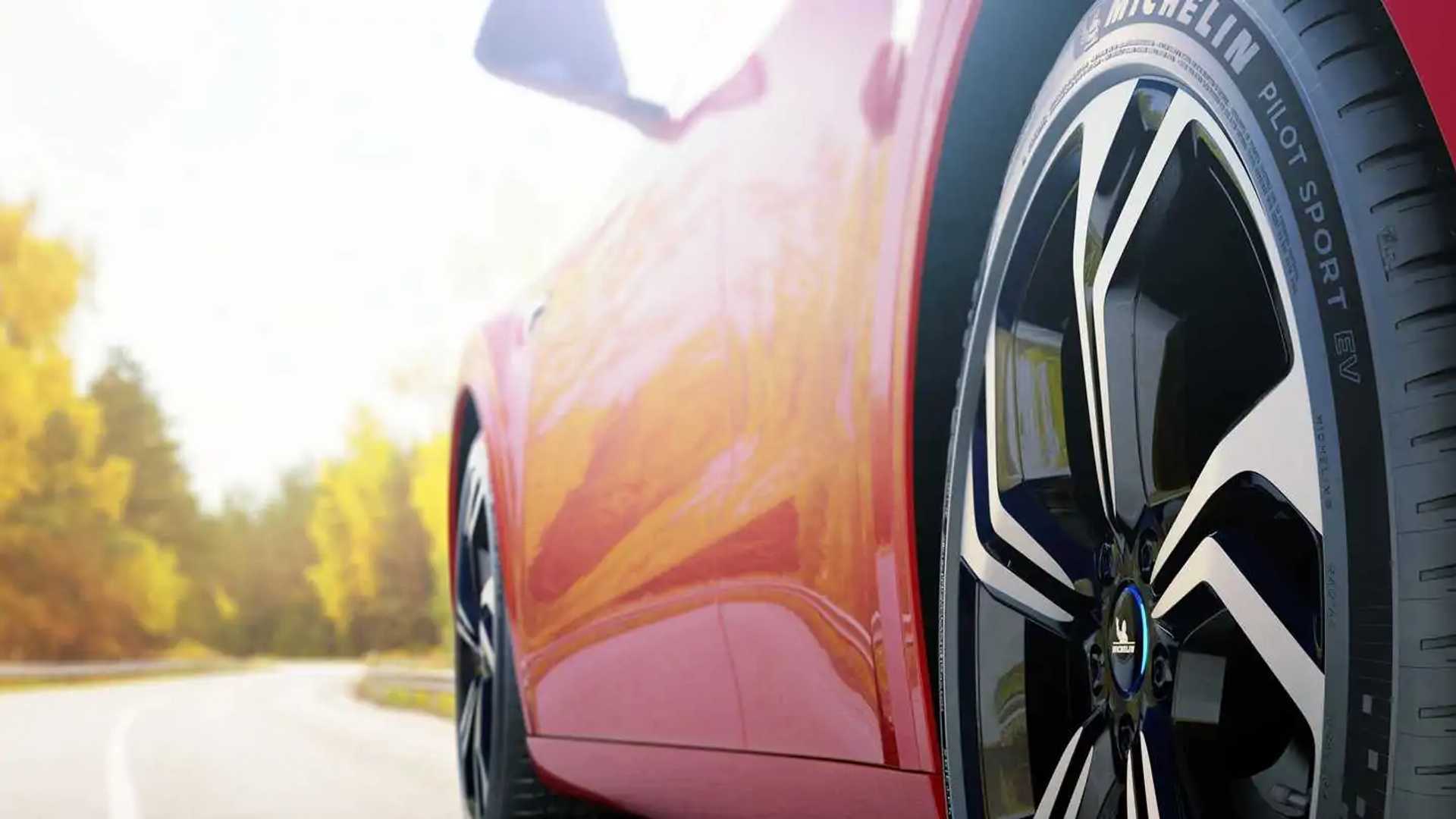
As electric vehicles (EVs) continue to gain traction in the automotive market, a recurring concern among owners and prospective buyers revolves around maintenance costs, particularly regarding tire longevity. While EVs famously reduce many traditional maintenance items associated with internal combustion engine (ICE) vehicles, anecdotal evidence suggests that their tires might wear out at an accelerated rate. This perceived higher EV tire wear has prompted closer scrutiny from industry experts and researchers.
Key Takeaways
Studies indicate that EVs often exhibit higher tire wear due to their increased weight and instantaneous torque. While specific figures vary, some research shows EV tires wearing 20-30% faster than those on comparable gasoline cars. However, factors like driving style, tire type, and proper maintenance play a significant role in mitigating this effect. Specialized EV tires are designed to address these challenges, but diligent care remains crucial for extending tire life.

The Physics Behind Increased EV Tire Wear
The notion that EVs experience heightened EV tire wear is rooted in fundamental physics. Electric cars are inherently heavier than their combustion-engine counterparts, primarily due to large battery packs. This additional mass places greater stress on tires during acceleration, braking, and cornering maneuvers.
The Role of Vehicle Weight
The substantial weight of electric vehicles is a primary contributor to increased tire degradation. When an EV accelerates, brakes, or turns, its tires must cope with greater forces to manage the vehicle’s mass. This translates directly to more friction and heat generation at the tire-road interface, accelerating the rate of EV tire wear.
Impact of Instantaneous Torque
Another distinguishing characteristic of EVs is their brutal, instantaneous power delivery. Electric motors provide peak torque from a standstill, unlike traditional engines that build power gradually. This immediate surge of power, especially during aggressive acceleration, can cause tires to slip momentarily, leading to increased friction and rapid EV tire wear.

Driving Behaviour: A Critical Factor
Despite the inherent characteristics of EVs, driving behaviour remains a paramount factor influencing EV tire wear. Germany’s ADAC, a prominent automobile association, highlights that while EVs possess immense torque, drivers do not constantly utilise its full potential. The organisation underscores that an aggressive driving style, characterised by hard acceleration and sharp braking, significantly contributes to faster tire degradation, regardless of the powertrain type.
Empirical Evidence: What Studies Reveal About EV Tire Wear
Several studies and real-world observations have attempted to quantify the extent of EV tire wear compared to traditional vehicles. The findings often confirm the general trend of faster wear, though nuances exist depending on the methodology and specific vehicles involved.
Korean Research on Tread Wear
A notable 2022 study, published in Science of the Total Environment, provided direct empirical evidence on the issue. Korean researchers meticulously measured the average tread wear of a tested EV, recording 201.7 milligrams per kilometer. This figure stood in contrast to 158.9 milligrams per kilometer for a gasoline car and 167.4 milligrams per kilometer for a diesel vehicle in similar tests.
The results indicated approximately 27% higher tread wear for the EV compared to the gasoline car and 20% higher compared to the diesel variant. However, it is important to note that this evidence was derived from a controlled 550-kilometer (341-mile) route, making the findings specific to those tested vehicles under those precise conditions.
Fleet Data on Replacement Cycles
Real-world fleet management data also points towards an accelerated EV tire wear cycle. According to a report from fleet management company Epyx in 2025, electric company cars required their first tire replacement at an average of approximately 23,100 kilometers (14,352 miles). This was notably shorter than the 29,500 kilometers (18,333 miles) observed for combustion cars.
This data suggests that EVs experience roughly 22% fewer miles between tire changes. However, Epyx also acknowledged that its EV sample predominantly featured larger vehicles, which inherently tend to wear out tires faster than smaller models, potentially skewing the comparison.
Particle Emissions and Tire Degradation
A 2026 study published in Environmental Research examined another aspect of tire degradation by comparing electric and combustion versions of the same car model. On average, the study found that EVs released about 31% more particles from their tires and the road surface. While significant, these results varied considerably among the tested vehicles.
It is crucial to understand that this finding on particle emissions does not directly translate to a 31% faster tire wear rate. The study specifically measured emitted particles, not the overall longevity or mileage achieved by the tires before replacement was necessary.
City Driving vs. Continuous Cruising
Another 2026 study, published in Mechanika, estimated that EV tires would last between 35% and 62% fewer kilometers than those on combustion cars. However, this comparison was not strictly an apples-to-apples scenario. The electric vehicles in this study often engaged in more city driving on a different route compared to their combustion counterparts.
This difference in driving conditions makes it challenging to isolate the exact cause of accelerated EV tire wear. Stop-and-go city driving inherently puts more strain on tires than continuous cruising on highways, making it difficult to definitively attribute all extra wear solely to the vehicle’s electric powertrain.
Weight as a Primary Driver: The UTAC Study
Further insights come from testing conducted by UTAC for the automotive industry groups ACEA and OICA. This particular experiment involved one electric BMW iX1 and five combustion X1s, which were driven together over a distance of 15,000 kilometers (9,300 miles) under consistent conditions. The results revealed that the iX1 EV indeed lost more rubber per kilometer than the combustion X1 models.
Crucially, once researchers statistically adjusted for the electric vehicle’s heavier weight, the observed difference in tire wear largely diminished. This finding strongly suggests that vehicle weight, rather than the electric powertrain itself, was the primary factor contributing to the additional EV tire wear in this specific comparative analysis.
The Evolution of EV-Specific Tires
Recognising the unique demands placed on tires by electric vehicles, tire manufacturers have invested heavily in developing EV-specific tires. These specialised products aim to mitigate the challenges of increased EV tire wear while enhancing overall performance.
Addressing Core Challenges: Weight and Durability
Tires specifically designed for EVs are engineered from the ground up to handle the additional weight of electric vehicles. Manufacturers use robust compounds and innovative tread designs that prioritise durability, aiming to withstand the higher stress associated with EV operation. This focus directly addresses the concern of premature EV tire wear.
Beyond Durability: Noise Reduction and Range Efficiency
Beyond durability, EV tires also incorporate features to enhance the overall electric driving experience. Low rolling resistance is a key design parameter, helping to preserve the vehicle’s range by minimising energy loss. Furthermore, these tires are often designed to suppress noise, sometimes by integrating acoustic foam within the tire structure. This is particularly important for EVs, where the absence of engine noise makes tire roar more noticeable.
Industry Perspectives on Tire Innovation
Tire industry leaders, such as Michelin, affirm that newer tire lines are continuously improving to meet the unique demands of EVs. These advancements aim to offset the increased wear demands imposed by additional weight and instantaneous torque, leading to significant durability improvements across their product ranges. However, Michelin also clarifies that features like quieter operation do not automatically equate to longer-lasting tires, as these characteristics serve different design objectives.
Suitability of Non-EV Specific Tires
While EV-specific tires offer tailored solutions, they are not always a mandatory requirement. Germany’s ADAC advises that conventional tires without specific EV markings can still be suitable for electric vehicles. The critical factor is ensuring that these tires meet all the vehicle’s required specifications, including precise dimensions and adequate load capacity, to safely and effectively support the EV’s weight and performance characteristics.
Maximising Your EV Tire Life: Practical Recommendations
Despite the inherent factors that contribute to accelerated EV tire wear, owners can adopt several practical measures to extend the lifespan of their tires. These recommendations largely mirror best practices for all vehicle types but hold particular importance for electric cars.
Importance of Smooth Driving
Adopting a smooth driving style is one of the most effective ways to reduce EV tire wear. Minimising harsh acceleration and abrupt braking helps alleviate the strain on tires, preventing excessive friction and heat buildup. Gradual inputs to the accelerator and brake pedals can significantly prolong tire life.
Regular Maintenance: Pressure and Rotation
Consistent tire maintenance is paramount. This includes maintaining recommended tire pressures, which ensures even contact with the road and optimal weight distribution. Regular checks for uneven wear patterns can identify potential issues early, while following the manufacturer’s guidance for tire rotation, where applicable, helps distribute wear evenly across all four tires.
Strategic Tire Selection
When purchasing new tires, EV owners should carefully consider several factors beyond just initial cost. Evaluating a tire’s expected longevity, its grip performance (especially for braking), and its impact on vehicle range (due to rolling resistance) can lead to a more informed decision that aligns with the specific needs of an electric vehicle. Choosing tires that are rated for the vehicle’s load capacity is also critical.
Conclusion
The evidence suggests that electric vehicles do tend to wear tires faster than their combustion counterparts, primarily due to their heavier weight and powerful, instantaneous torque delivery. However, the extent of this accelerated EV tire wear is not a fixed phenomenon and varies significantly based on the specific vehicle model, the type of tires used, and, critically, the driver’s habits. By choosing appropriate tires, maintaining them diligently, and adopting a smooth driving style, EV owners can effectively manage and mitigate faster tire degradation, ensuring a more economical and sustainable ownership experience.
Frequently Asked Questions About EV Tire Wear
Q1: Do all electric vehicles wear tires faster than gasoline cars?
While many studies indicate a general trend of faster EV tire wear, it’s not universal. Factors like vehicle weight, power output, tire design, and driving conditions significantly influence tire longevity. Lighter EVs with efficient driving styles may exhibit wear rates closer to comparable ICE vehicles.
Q2: What are the main reasons for increased EV tire wear?
The primary reasons are the heavier weight of EVs due to battery packs and the instantaneous torque delivery of electric motors. These factors place greater stress on tires during acceleration, braking, and cornering, leading to more friction and heat generation, thereby accelerating EV tire wear.
Q3: How much faster do EV tires typically wear out?
Studies vary, but some data suggests EV tires can wear out approximately 20-30% faster than those on gasoline cars. For instance, fleet data reported around 22% fewer miles between tire changes for electric company cars compared to combustion vehicles.
Q4: Are EV-specific tires necessary for my electric vehicle?
EV-specific tires are designed to better handle the weight, torque, and noise characteristics of electric vehicles. While not always strictly necessary, they can offer improved durability, better range efficiency, and reduced road noise. Regular tires meeting the vehicle’s load and speed specifications can also be suitable.
Q5: What can EV owners do to prolong their tire life?
EV owners can extend tire life by adopting a smooth driving style, avoiding aggressive acceleration and braking. Regular maintenance, including maintaining correct tire pressures and performing routine tire rotations, is also crucial. Selecting tires designed for durability and low rolling resistance can further contribute to longevity.
Q6: Does regenerative braking affect EV tire wear?
Regenerative braking can potentially reduce wear on friction brakes, but its effect on tire wear is more complex. While it reduces the need for traditional braking, aggressive regenerative braking itself can put significant strain on tires, similar to acceleration. Smooth application of regenerative braking is key.