
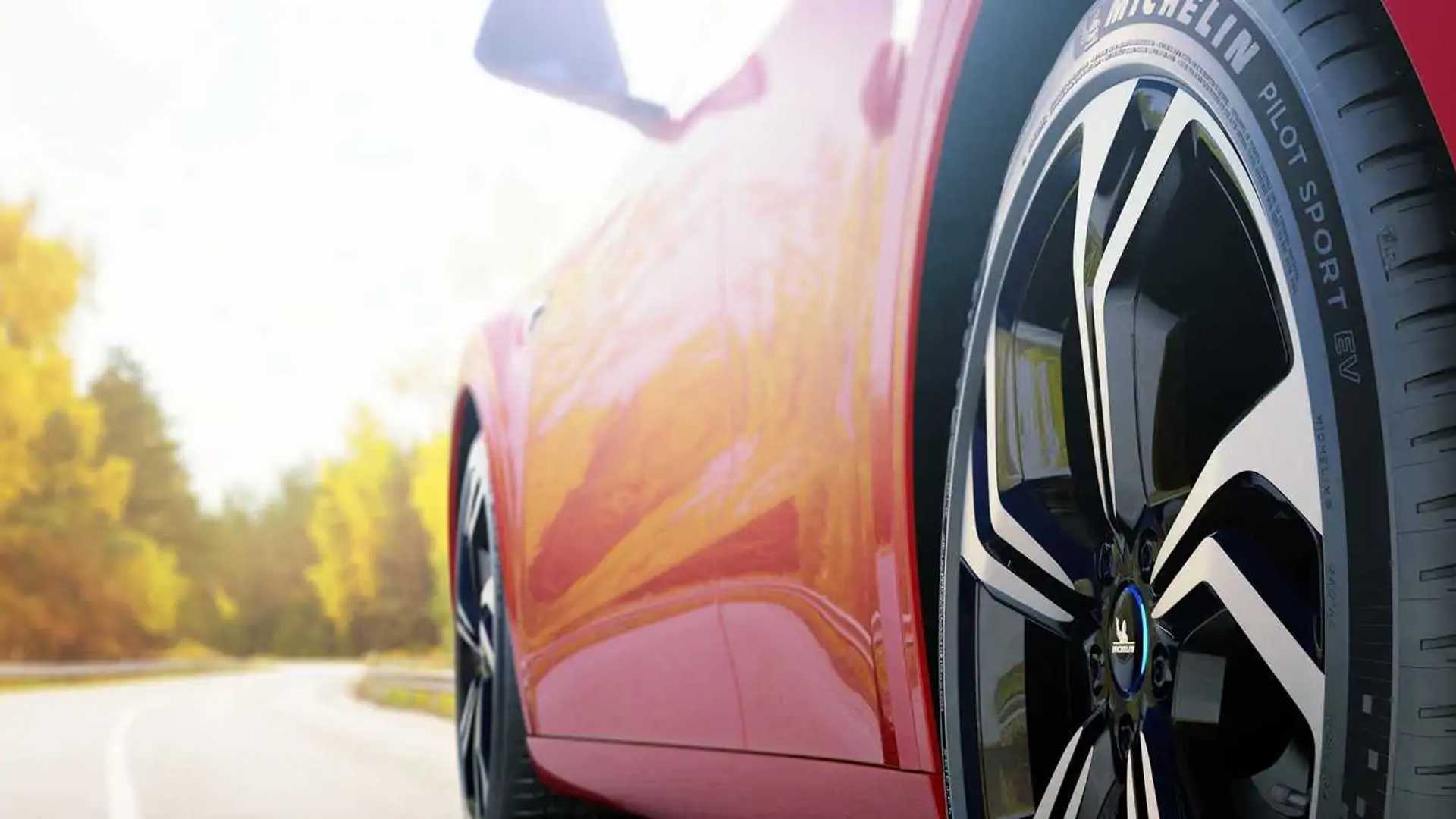
As electric vehicles (EVs) increasingly dominate automotive discussions, offering reduced emissions and lower traditional maintenance, a pertinent question frequently arises among prospective and current owners: Do EVs wear tires faster than their internal combustion engine (ICE) counterparts? While conventional wisdom and early owner experiences suggest an affirmative answer, a deeper dive into scientific studies and real-world data reveals a nuanced picture, influenced by everything from vehicle characteristics to individual driving habits.
Understanding the factors contributing to EV tire wear is crucial for managing vehicle upkeep and enhancing tire longevity. This comprehensive analysis explores the physics involved, examines findings from various research bodies, and offers practical advice for EV owners.

Key Takeaways on EV Tire Wear
- Increased Weight: EVs are generally heavier due to large battery packs, placing more strain on tires.
- Instant Torque: The immediate, high torque delivery of electric motors can lead to accelerated tire wear, especially with aggressive driving.
- Research Findings Vary: Studies show EVs can experience 20-30% higher tire wear, though methodologies and conditions differ.
- Driving Style is Paramount: Aggressive acceleration and braking significantly contribute to faster tire degradation, regardless of vehicle type.
- EV-Specific Tires: Manufacturers are developing specialized tires designed to cope with the unique demands of electric vehicles, offering improved durability, reduced rolling resistance, and noise suppression.
- Maintenance Matters: Proper tire inflation, regular rotations, and monitoring for uneven wear are essential for maximizing tire lifespan.
The Physics Behind Accelerated EV Tire Wear
At the heart of the EV tire wear debate lies fundamental physics. Electric vehicles inherently possess characteristics that predispose their tires to greater stress. Two primary factors stand out: increased vehicle weight and instantaneous torque delivery.
The Weight Factor: Battery Mass and Load
Electric vehicle batteries, while constantly evolving, remain substantial in weight. This extra mass translates directly into higher load on the tires. During acceleration, braking, and cornering, the tires must contend with significantly greater forces to move, stop, or change the direction of the heavier vehicle. This elevated stress inevitably leads to increased friction and, consequently, faster material degradation of the tire tread.
Instant Torque: The Power Delivery Challenge
One of the most exhilarating aspects of driving an EV is the immediate and often brutal power delivery. Unlike gasoline engines that build torque gradually, electric motors provide maximum torque from a standstill. This instantaneous burst of power, particularly when drivers frequently engage in rapid acceleration, places immense shearing forces on the tire surface. While the German automobile association ADAC highlights that not all drivers consistently exploit this instant torque, it undeniably presents a mechanism for accelerated EV tire wear if used aggressively.

Evidence from Research and Real-World Data
The question of whether EVs wear tires faster has prompted various studies and analyses. While results sometimes present nuances, a general trend suggests that tire degradation can indeed be more pronounced in electric vehicles.
Direct Empirical Study: The Korean Research (2022)
A significant 2022 study published in Science of the Total Environment offered direct empirical evidence regarding EV tire wear. Korean researchers meticulously measured average tread wear over a controlled 550-kilometer (341-mile) route. Their findings indicated that the tested EV exhibited an average tread wear of 201.7 milligrams per kilometer. In comparison, a gasoline car on the same route showed 158.9 milligrams per kilometer, and a diesel vehicle registered 167.4 milligrams per kilometer.
This data translates to approximately 27% higher wear for the EV compared to the gasoline car and 20% higher relative to the diesel vehicle. It’s crucial to note that while this study provides direct, controlled evidence, its findings are specific to the tested vehicles and conditions, rather than a universal prediction for all EV tire life.
Fleet Management Data: Epyx Report (2025)
Real-world fleet management records also contribute to the discussion. Fleet management company Epyx reported in 2025 that electric company cars required their first tire replacement significantly sooner than their combustion-powered counterparts. On average, EV tires were replaced after approximately 23,100 kilometers (14,352 miles), while combustion cars averaged 29,500 kilometers (18,333 miles) before their first tire change.
This represents roughly 22% fewer miles between tire changes for EVs. However, Epyx itself acknowledged a critical caveat: their EV sample tended to include a higher proportion of larger vehicles. Larger, heavier vehicles are known to wear tires faster irrespective of their powertrain, which could skew the overall comparison.
Particle Emissions vs. Tire Lifespan: Environmental Research (2026)
A 2026 study published in Environmental Research approached the issue by comparing particle emissions from tires and the road between electric and combustion versions of the same car model. The study found that, on average, EVs released about 31% more particles. However, this finding needs careful interpretation.
The measurement of released particles is not a direct measure of how quickly a tire wears out in terms of usable tread life. While higher particle emissions suggest greater material loss, it does not automatically translate to a 31% shorter tire lifespan. The study measured particulate matter, a critical environmental concern, but not necessarily the overall longevity of the tire itself.
City Driving vs. Continuous Cruising: Mechanika (2026)
Another 2026 study published in Mechanika estimated that EV tires might last 35–62% fewer kilometers than tires on combustion cars. However, this study also presented a significant methodological limitation. The EVs in this comparison were observed to undertake more city driving on a different route than the ICE vehicles.
Stop-and-go city driving inherently subjects tires to more frequent acceleration and braking cycles, leading to higher wear rates compared to continuous cruising on highways. This disparity in driving conditions makes it challenging to isolate how much of the accelerated tire wear was attributable to the vehicles themselves versus the driving environment and patterns.
Weight as the Primary Driver: UTAC Testing
Testing conducted by UTAC for European car industry groups ACEA and OICA provided a more controlled comparison. This involved one electric BMW iX1 and five combustion X1s, all driven together over 15,000 kilometers (9,300 miles). The results showed that the iX1 EV did lose more rubber per kilometer than its combustion counterparts.
Crucially, once researchers statistically accounted for the iX1’s greater weight, the difference in tire wear largely diminished. This suggests that, in this specific controlled environment, the primary reason for the increased tire wear in the EV was its heavier mass, rather than other factors like instant torque. This highlights the importance of controlling for confounding variables in such studies.
Do EV-Specific Tires Address the Wear Problem?
Recognizing the unique demands of electric vehicles, tire manufacturers have responded by developing specialized EV-specific tires. These tires are engineered to address several challenges concurrently, aiming to mitigate faster EV tire wear while optimizing other performance characteristics.
Engineering for EV Demands
Tires designed specifically for EVs are built with reinforced structures and compounds to withstand the extra weight of battery packs. Their tread designs are often optimized for durability, ensuring a longer lifespan under the heavier loads. Simultaneously, these tires aim for low rolling resistance to help preserve the vehicle’s range, a critical metric for EV owners. Reducing rolling resistance minimizes energy loss, directly contributing to extended driving distances on a single charge.
Noise Reduction and Durability
Another key feature of EV-specific tires is their ability to suppress noise. In the absence of a loud internal combustion engine, tire roar becomes significantly more noticeable inside an otherwise silent EV cabin. Manufacturers often integrate acoustic foam or other noise-dampening technologies within the tire to enhance passenger comfort. Michelin, a leading tire manufacturer, explains that these features serve distinct purposes. While quieter tires improve the driving experience, they are not inherently indicative of longer-lasting tires; durability must be engineered separately.
Industry Advancements and Suitability
Michelin reports ongoing durability improvements across its newer tire lines, specifically designed to handle the additional weight and torque characteristics of electric vehicles. This indicates a proactive response from the industry to meet the evolving needs of the EV market. However, it’s also important to note that an EV-specific marking is not always a prerequisite.
According to ADAC, tires without an explicit EV designation can still be entirely suitable for an electric vehicle, provided they meet all the manufacturer’s required specifications. This includes critical parameters like dimensions and, most importantly, the load capacity rating, which ensures the tire can safely support the EV’s higher weight.
Maximising Electric Car Tire Lifespan
While the inherent characteristics of EVs can contribute to accelerated tire wear, drivers have significant control over their tires’ longevity through diligent maintenance and mindful driving habits. Practical advice for preserving EV tires largely mirrors best practices for any vehicle, but with heightened importance due to the unique forces at play.
Driving Style and Tire Care
The most impactful factor is driving style. Smooth accelerator inputs, avoiding aggressive acceleration from a standstill, and gentle braking can dramatically extend tire life. The instant torque of EVs, while thrilling, can quickly erode tire tread if frequently exploited. Similarly, smooth cornering reduces lateral forces that contribute to wear.
Beyond driving technique, routine tire care is paramount. Maintaining the manufacturer’s recommended tire pressures is crucial for even wear, optimal handling, and energy efficiency. Under-inflated tires wear excessively on the shoulders, while over-inflated tires wear in the center. Regular checks for uneven wear can also signal alignment issues that need prompt attention.
Rotation and Selection
Following the manufacturer’s tire rotation guidance, where applicable, helps distribute wear evenly across all four tires, prolonging the life of the set. Different axle positions and drive configurations (front-wheel drive, rear-wheel drive, all-wheel drive) lead to varying wear patterns, making rotation a vital maintenance step.
When purchasing new tires for an electric vehicle, consider several factors: their rated lifespan (treadwear rating), their grip performance (especially for braking and handling the EV’s weight), and their impact on range (rolling resistance). As Michelin highlights, these considerations allow EV owners to make informed choices that balance performance, durability, and efficiency.
Conclusion: A Nuanced Reality of EV Tire Wear
The notion that electric vehicles wear tires faster is not entirely a myth; it is supported by both theoretical physics and various studies, albeit with important caveats. The increased weight and instant torque of EVs inherently place greater demands on tires compared to many traditional combustion engine cars. However, the precise extent of this accelerated wear is highly variable, depending significantly on the specific vehicle model, the type of tires used, and, most critically, the driver’s habits.
Ultimately, while EV tire wear can be a higher maintenance consideration, proactive measures such as choosing appropriate tires, adhering to a diligent maintenance schedule, and adopting a smooth driving style can significantly mitigate the issue. As with any vehicle, the longevity of your EV’s tires is a direct reflection of how you treat them and the attention you dedicate to their care.
FAQ: Understanding Electric Vehicle Tire Longevity
Q1: Why do electric vehicles tend to wear tires faster?
Electric vehicles often wear tires faster primarily due to their heavier weight, stemming from large battery packs, and the instant, high torque delivered by electric motors. This combination places increased stress on tires during acceleration, braking, and cornering, leading to greater friction and faster tread degradation compared to lighter internal combustion engine vehicles.
Q2: How much faster do EV tires wear compared to gasoline cars?
Studies suggest EV tires can wear approximately 20-30% faster than those on comparable gasoline cars. For instance, a 2022 study found 27% higher wear for an EV, while fleet data indicated 22% fewer miles between tire changes for electric company cars. These figures vary based on vehicle model, driving conditions, and tire type.
Q3: What role does driving style play in EV tire wear?
Driving style is a crucial factor. Aggressive acceleration, hard braking, and sharp cornering, which exploit an EV’s instant torque and responsive handling, significantly increase tire wear. Adopting a smoother, more measured driving approach can substantially extend the lifespan of electric vehicle tires, regardless of the vehicle’s inherent characteristics.
Q4: Are EV-specific tires necessary for electric vehicles?
While not always strictly necessary, EV-specific tires are designed to address the unique demands of electric vehicles. They feature reinforced construction for extra weight, compounds optimized for durability and low rolling resistance, and often incorporate noise reduction technologies. However, standard tires meeting the vehicle’s specific load capacity and dimension requirements can also be suitable.
Q5: What maintenance tips can help prolong EV tire life?
To maximize EV tire longevity, ensure tires are consistently inflated to the manufacturer’s recommended pressures. Implement regular tire rotations as per the vehicle’s maintenance schedule to promote even wear. Routinely inspect tires for any signs of uneven wear, which could indicate alignment issues or other mechanical problems requiring professional attention.
Q6: Does regenerative braking affect tire wear?
Regenerative braking can potentially reduce wear on friction brakes, but its effect on tires is nuanced. While it slows the vehicle down, it still applies force to the tires, albeit differently than traditional braking. Aggressive regenerative braking, similar to hard acceleration, can induce rapid changes in tire stress, potentially contributing to wear, though often less so than physical braking.
Q7: When buying new tires, what should EV owners prioritize?
EV owners buying new tires should prioritize durability (indicated by treadwear ratings) to handle the vehicle’s weight and torque. Low rolling resistance is also important to maintain optimal range. Additionally, consider grip performance for safety and handling, and noise levels for cabin comfort, as tire noise is more pronounced in quieter EVs.