
Key Takeaways:
- Honda’s global electric vehicle sales experienced a drastic decline in the October-December quarter, falling by 50% to just 15,000 units.
- The Japanese automaker anticipates an estimated $4.48 billion in EV-related losses for the full fiscal year, compounded by an additional $1.98 billion from U.S. import duties.
- General Motors stands to benefit financially from its joint development agreement with Honda, as reduced orders for the Ultium-based Prologue and ZDX necessitate compensation.
- The Acura ZDX has been discontinued after just one model year, while the Honda Prologue struggles with significantly reduced sales, despite initial promise.
- Honda is undertaking a fundamental review of its EV strategy, pivoting towards a new, in-house developed ‘0 Series’ platform, and has significantly lowered its long-term EV sales projections.
Honda’s ambitious foray into the electric vehicle (EV) market has encountered significant turbulence, with its global EV sales plummeting in the final quarter of the past calendar year. This sharp decline not only signals substantial financial setbacks for the Japanese automotive giant but also paradoxically positions its partner, General Motors (GM), to reap unexpected financial benefits from the strained collaboration.

The strategic alliance, which saw Honda leverage GM’s Ultium electric platform for its Prologue and Acura ZDX electric crossovers, now faces scrutiny amidst dwindling sales figures and escalating losses.
A Steep Decline in Electric Vehicle Sales Performance
Honda’s electric vehicle business recorded a significant downturn in the quarter ending December, with global sales dropping by half to a mere 15,000 units. This performance marks a challenging period for the automaker in the fiercely competitive global electric vehicle market, highlighting the difficulties in meeting consumer demand and regulatory pressures simultaneously.
The financial implications are substantial. Honda projects an estimated loss of approximately $4.48 billion from its EV operations for the current fiscal year. This figure is further exacerbated by an additional $1.98 billion in expected losses attributable to U.S. import duties by the end of March, collectively impacting the automaker’s operating profit significantly.

The GM-Honda Collaboration Under Strain
At the heart of Honda’s recent EV strategy was a partnership with General Motors. This collaboration involved the co-development and manufacturing of two key electric crossovers: the Honda Prologue and the Acura ZDX. Both models were designed to utilize GM’s advanced Ultium electric platform and were assembled in GM’s North American facilities.
However, the anticipated sales momentum for these jointly developed vehicles failed to materialize. Sales of the Prologue and ZDX witnessed a sharp decline between October and December, compelling Honda to drastically reduce its production orders with General Motors.
According to reports by Automotive News, these reduced orders are expected to trigger compensatory payments from Honda to the American automaker. This mechanism, typically embedded in such manufacturing agreements, ensures GM is compensated for idle capacity or pre-committed resources, effectively turning Honda’s EV struggles into a potential financial boon for its partner.
Acura ZDX Discontinuation and Prologue’s Challenges
The Acura ZDX, assembled at GM’s Spring Hill plant in Tennessee, faced an abrupt end to its brief market tenure. Despite its strategic positioning, the luxury electric crossover was discontinued after only one model year due to persistently poor sales performance. In total, the ZDX managed to achieve only 19,411 sales before its cancellation.
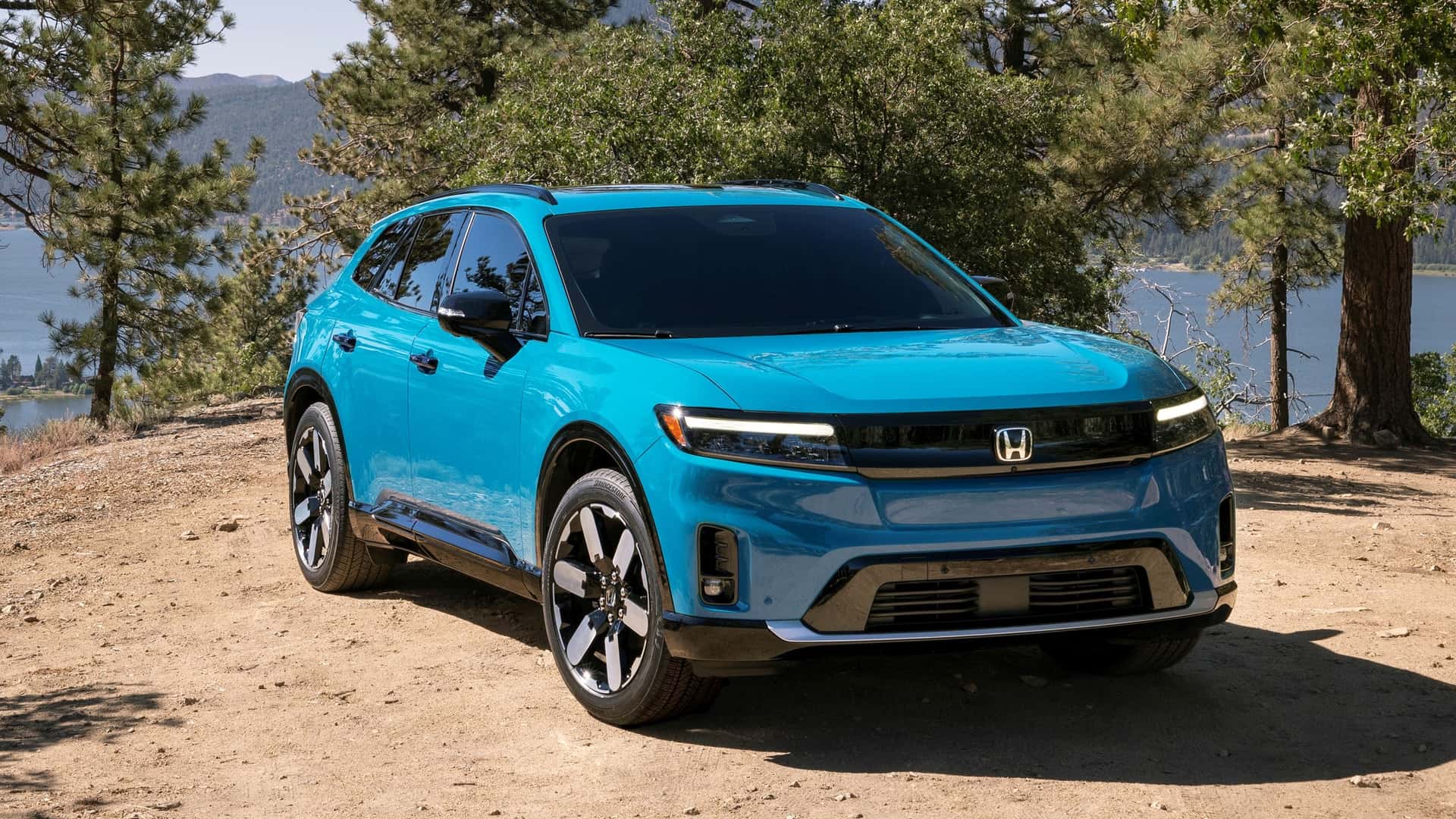
Concurrently, the Honda Prologue, manufactured at GM’s Ramos Arizpe plant in Mexico, is navigating its own set of challenges. While Honda reported 39,194 Prologue EV sales in the U.S. for the calendar year 2023, an 18.7% increase compared to the previous year, its performance in the latest quarter (October-December) was starkly different.
Sales of the Prologue plummeted by an alarming 86% in that quarter, recording only 2,641 units. This dramatic drop highlights the volatility and intense competition within the electric vehicle market, forcing a re-evaluation of product strategies and market positioning.
Financial Headwinds and Strategic Revisions
Honda’s consolidated profits plunged by 61% in the October-December fiscal third quarter, marking its fourth consecutive quarter of operating losses. The cumulative expenses and write-offs associated with its electric vehicle business soared to $1.71 billion in the first nine months of the fiscal year ending March 2026. The company anticipates these EV-related losses to escalate further, reaching an estimated $4.48 billion by the fiscal year’s conclusion.
To mitigate these mounting losses, Honda has indicated plans to boost fleet sales of the Prologue crossover. However, this strategy is expected to necessitate increased spending on manufacturer incentives. In the preceding month, Honda reportedly allocated over $17,000 in incentives for each Prologue sold in the U.S., yet only 664 units found new owners, underscoring the formidable task of stimulating demand in a challenging electric vehicle market.
Shifting Towards an In-House EV Architecture
In response to the underperformance of its GM-platformed electric vehicles, Honda is now undertaking a fundamental review of its broader car strategy. The automaker is pivoting towards developing a new, bespoke EV lineup based on an in-house developed architecture, branded as the ‘0 Series’.
This strategic shift underscores Honda’s determination to establish greater control over its electric vehicle development and manufacturing processes. The first vehicle slated for this new platform is the Acura RSX crossover, which is projected to launch by the end of the current year. Following this, two Honda-branded models, the 0 Series SUV and 0 Series Saloon, are expected to debut, signalling a renewed direction for the company’s electrification ambitions.
Recalibrated Electric Vehicle Market Ambitions
The challenges faced in the electric vehicle market have also led Honda to significantly recalibrate its long-term EV sales projections. In 2024, the company had set an ambitious target of selling up to two million electric vehicles globally by 2030. However, current market realities and internal performance have necessitated a substantial downward revision of these goals.
Last year, this ambitious estimate was reduced to a range of approximately 700,000 to 750,000 units. This adjustment reflects the complex interplay of regulatory shifts, evolving consumer preferences, and intense competition that define the contemporary electric vehicle market. Honda’s experience serves as a stark reminder of the dynamic and often unpredictable nature of the global automotive industry’s transition towards electrification.
The Broader Implications for the Automotive Industry
Honda’s recent struggles in the electric vehicle market offer critical insights into the broader challenges facing established automakers as they navigate the transition to electrification. The reliance on external platforms, while offering initial cost and time advantages, can also expose manufacturers to dependencies and potential misalignment with their brand identity or market expectations.
The shift towards an in-house ‘0 Series’ platform signifies a growing trend among major automotive players to invest heavily in proprietary EV architectures. This approach aims to provide greater differentiation, optimize performance characteristics, and enhance overall cost efficiency in the long run, thereby bolstering their competitive stance in the burgeoning electric vehicle market.
Moreover, the significant financial write-offs and the impact of import duties underscore the intricate economic and geopolitical factors influencing global automotive supply chains and manufacturing strategies. These elements collectively shape the viability and profitability of electric vehicle ventures for international automakers like Honda.
Frequently Asked Questions (FAQs)
What caused Honda’s recent EV sales decline?
Honda’s global electric vehicle sales plunged due to a combination of factors, including lower-than-expected demand for its Prologue and Acura ZDX models, intensified competition in the electric vehicle market, and the cancellation of the ZDX model. These challenges reflect broader market dynamics impacting EV adoption rates.
How does General Motors benefit from Honda’s EV struggles?
General Motors benefits due to its manufacturing agreement with Honda. As Honda significantly reduced orders for the jointly developed Prologue and ZDX electric vehicles, it is contractually obligated to compensate GM for the reduced output and potential underutilization of GM’s production facilities and Ultium platform resources.
What is the Honda Prologue and where is it assembled?
The Honda Prologue is an all-electric SUV developed in collaboration with General Motors, utilizing GM’s Ultium EV platform. It is assembled at GM’s Ramos Arizpe plant in Mexico. Despite initial optimism, its sales performance has seen a significant downturn in recent quarters.
Why was the Acura ZDX cancelled?
The Acura ZDX, also built on GM’s Ultium platform, was cancelled after just one model year primarily due to poor sales performance. This decision was reportedly made even before the cancellation of the $7,500 federal tax credit for electric vehicles, indicating deeper market acceptance issues.
What is Honda’s new ‘0 Series’ EV strategy?
The ‘0 Series’ represents Honda’s new electric vehicle strategy, focusing on developing an entirely in-house electric vehicle architecture. This move aims to give Honda greater control over its EV design, technology, and manufacturing, with the Acura RSX crossover slated to be the first model based on this new platform.
How have Honda’s long-term EV sales targets changed?
Honda has significantly reduced its long-term EV sales projections. Initially, the company aimed to sell two million electric vehicles globally by 2030. However, this target has since been revised downwards to a more conservative estimate of 700,000 to 750,000 units, reflecting evolving market conditions and internal performance evaluations.