
Key Takeaways
- Honda’s global electric vehicle sales experienced a significant decline, halving to just 15,000 units in the October-December quarter.
- The Japanese automaker anticipates substantial losses of approximately $4.48 billion from its EV business in the current fiscal year.
- Honda’s strategic partnership with General Motors, intended for joint EV development, is facing setbacks due to reduced orders and incurred compensation costs.
- General Motors, despite the partnership’s challenges for Honda, stands to benefit financially from contractual agreements.
- Honda is undertaking a “fundamental review” of its electrification strategy, shifting towards an in-house developed 0 Series architecture for future EV models.
NEW DELHI: Honda’s ambitious foray into the electric vehicle (EV) market has encountered a significant setback, with the company reporting a dramatic plunge in global EV sales during the previous financial quarter. This downturn signals profound challenges for the Japanese automotive giant, which is now recalibrating its future electrification strategy. Intriguingly, its partner, General Motors (GM), could emerge as an unexpected beneficiary amid Honda’s struggles.
The global electric car business of Honda experienced a sharp decline in the financial quarter ending in December, seeing its sales fall by half. A mere 15,000 electric vehicle units were sold worldwide during the October-December period, a clear indicator of mounting difficulties within its EV segment.
Financial projections for the current full fiscal year are equally stark. Honda’s EV business is now anticipated to incur losses amounting to approximately $4.48 billion, underscoring the immense financial pressure and strategic hurdles the company faces in an increasingly competitive electric vehicle market.
The GM Partnership: A Double-Edged Sword for Honda
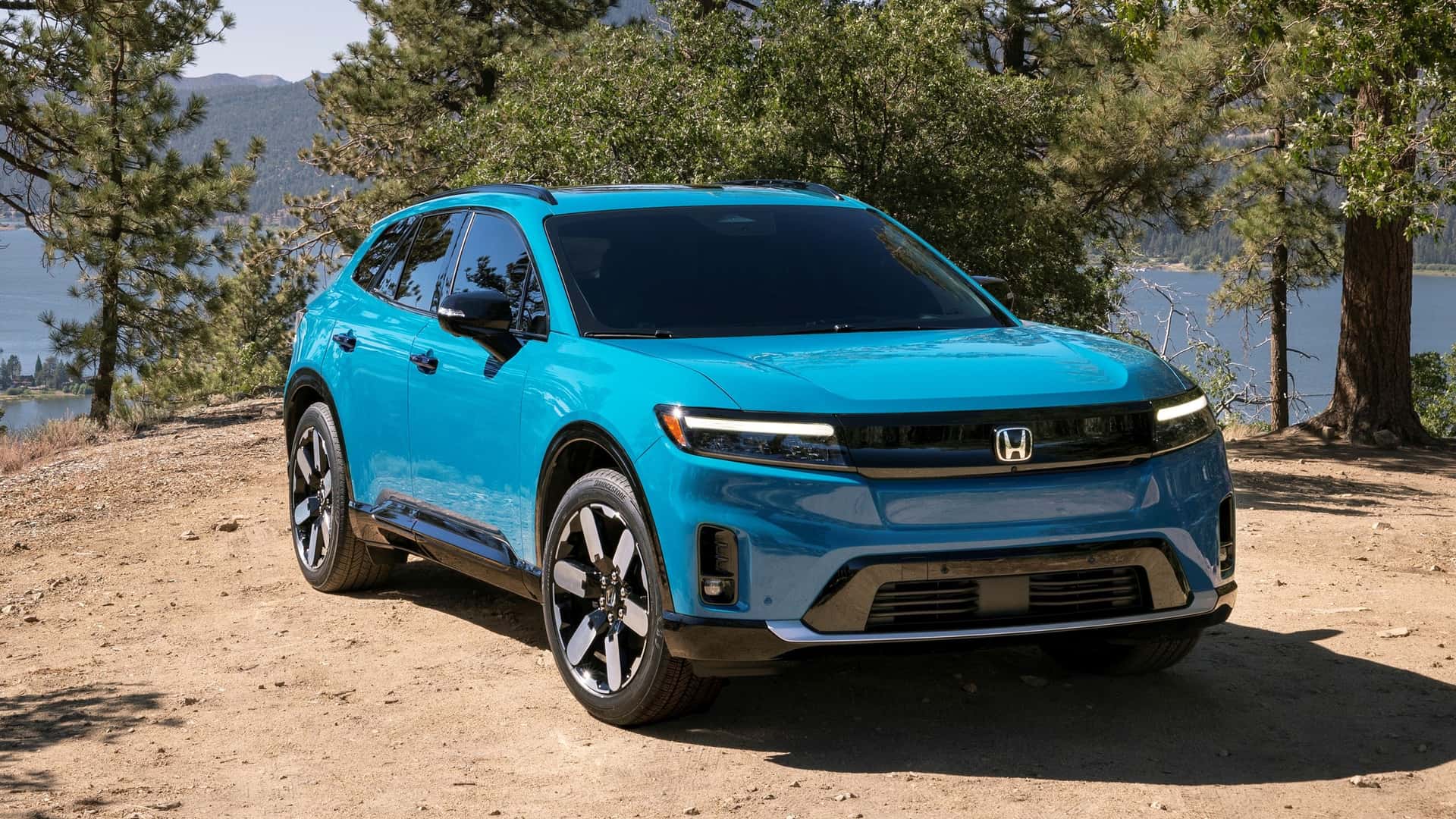
Central to Honda’s recent EV strategy was a significant collaboration with General Motors. This partnership involved the joint development of electric crossovers like the Honda Prologue and the now-discontinued Acura ZDX. These models were designed to leverage GM’s advanced electric platform, shared with vehicles such as the Chevrolet Blazer EV, and were assembled at General Motors’ manufacturing facilities.
However, the anticipated success of these jointly developed models did not materialise. The significant decline in sales for both the Prologue and ZDX between October and December forced Honda to substantially reduce its production orders to General Motors. This reduction has contractual implications, with Honda now obligated to compensate the American automaker for the decreased output, as reported by Automotive News.

Acura ZDX: A Short-Lived Endeavor
The Acura ZDX, assembled at GM’s Spring Hill plant in Tennessee, proved to be a short-lived venture. Despite initial expectations, the model was canceled after just one year on the market due to persistently poor sales performance. In total, the Acura ZDX recorded only 19,411 sales before its premature discontinuation. This decision was notably made just prior to the cancellation of the $7,500 federal tax credit, a factor that might have influenced its market viability.
Honda Prologue: Facing Headwinds Despite Initial Promise
Meanwhile, the Honda Prologue, which is manufactured at GM’s Ramos Arizpe plant in Mexico, is also navigating a challenging period. While Honda reported selling 39,194 Prologue EVs in the U.S. last year, the model’s performance in the recent quarter paints a concerning picture. Sales tumbled by 86% to just 2,641 units in the October-December quarter, highlighting a significant loss of momentum.
The severe drop in Honda’s EV sales plunge highlights the volatility and intense competition within the electric vehicle market, affecting even well-established automotive players. This performance has prompted a broader re-evaluation of the company’s approach to electrification.
Financial Fallout and Strategic Recalibration
In response to these substantial challenges, Honda has announced a call for a “fundamental review” of its overall car strategy, particularly concerning its electric vehicle initiatives. The company recorded its fourth consecutive quarter of operating losses, with consolidated profits plummeting by a staggering 61% in the October-December fiscal third quarter.
The financial strain from its EV business is escalating. In the first nine months of the previous financial year, which concludes in March 2026, Honda’s write-offs and associated expenses for its EV operations surged to $1.71 billion. Forecasts indicate these EV-related losses are projected to balloon to $4.48 billion by the fiscal year’s end, impacting the overall profitability of the enterprise.
Adding to these domestic financial pressures, the impact of U.S. import duties is expected to inflict an additional $1.98 billion in losses by the end of March. Consequently, the automaker’s operating profit is now anticipated to decrease by a substantial 55%, reflecting the compounded effects of reduced sales, partnership compensation, and trade policies.
Mitigation Efforts and Market Incentives
To mitigate these escalating losses and stimulate demand, Honda has indicated plans to boost fleet sales of the Prologue crossover. This strategy often involves offering bulk discounts to corporate buyers or rental car companies. Concurrently, the company is expected to increase spending on manufacturer incentives to attract individual buyers.
Illustrating the aggressive measures being taken, Honda reportedly injected over $17,000 into every Prologue sold in the U.S. last month through various incentives. Despite this significant financial push, only 664 units of the Prologue found new owners during that period, underscoring the formidable challenge of converting interest into sales amidst a dynamic electric vehicle market.
Charting a New Course: The 0 Series Architecture
Following the cancellation of the Acura ZDX and the challenging performance of the Honda Prologue, the Japanese automaker is now pivoting its electrification strategy. The company is dedicating resources to developing a new, bespoke EV lineup based on an in-house-developed architecture known as the ‘0 Series’. This strategic shift signals a move away from reliance on shared platforms and towards greater proprietary control over its electric vehicle technology and manufacturing.
The first vehicle slated to emerge from this new platform will be the Acura RSX crossover, with its market debut anticipated by the end of the current year. This will be followed by two Honda-branded models: the 0 Series SUV and the 0 Series Saloon, which are expected to further define Honda’s independent electric future.
Revised EV Targets Reflect Market Realities
Honda’s initial aspirations for a future dominated by electric vehicles have undergone a significant revision, reflecting the harsh realities of regulatory changes and trade dynamics. In 2024, the company had set an ambitious target to sell as many as two million EVs globally by the year 2030.
However, that ambitious estimate was substantially scaled back last year. The revised projection now anticipates global EV sales to be in the range of 700,000 to 750,000 units by 2030. This downward adjustment underscores the complex and evolving landscape of the global electric vehicle market, where even major players must adapt their long-term strategies to prevailing conditions.
The Path Ahead for Honda and General Motors
The current situation presents a critical juncture for Honda as it navigates the complexities of the electric vehicle transition. Its strategic pivot towards in-house development signifies a recognition of the need for greater autonomy and differentiation in its EV offerings. How effectively it executes this new vision will determine its competitive standing in the rapidly evolving global automotive industry.
For General Motors, the financial compensation from Honda, stemming from reduced manufacturing output, offers an unexpected silver lining. While the broader implications for GM’s Ultium platform partnerships remain to be seen, this development highlights the intricate financial mechanics and interdependencies within the automotive supply chain and collaborative agreements.
Frequently Asked Questions (FAQ)
What caused Honda’s EV sales plunge in the last quarter?
Honda’s global EV sales halved to 15,000 units in the October-December quarter due to poor market performance of models like the Prologue and ZDX, coupled with broader regulatory and trade challenges impacting the company’s electrification strategy.
How much financial loss is Honda expecting from its EV business?
Honda anticipates its EV business will incur approximately $4.48 billion in losses for the full fiscal year. This figure includes substantial write-offs and expenses, alongside an additional $1.98 billion from U.S. import duties.
How does General Motors benefit from Honda’s EV struggles?
GM stands to gain because Honda is contractually obligated to compensate the American automaker for the reduced production orders of the Prologue and ZDX. These vehicles were jointly developed and assembled at GM’s facilities, making GM an unexpected financial winner.
What happened to the Acura ZDX EV?
The Acura ZDX, developed in partnership with GM, was canceled after just one model year due to poor sales, totaling only 19,411 units. Its discontinuation occurred shortly before the federal $7,500 tax credit was also withdrawn, impacting its market competitiveness.
What is Honda’s new EV strategy?
Honda is conducting a “fundamental review” and shifting towards an in-house developed ‘0 Series’ EV architecture. The first models based on this new platform will include the Acura RSX crossover, followed by Honda 0 Series SUV and Saloon models, moving away from shared platforms.
Has Honda revised its long-term EV sales targets?
Yes, Honda significantly revised its 2030 global EV sales target. Originally aiming for two million units, the company now projects sales between 700,000 and 750,000 EVs by 2030, reflecting current market realities and strategic adjustments.