
Key Takeaways
- Honda’s global electric vehicle sales plummeted by half in the October-December quarter, recording just 15,000 units.
- The Japanese automaker anticipates staggering EV-related losses of approximately $4.48 billion for the current fiscal year.
- Its strategic alliance with General Motors for the Prologue and Acura ZDX models has encountered significant setbacks, leading to reduced orders and potential compensation payouts to GM.
- Honda is now undertaking a “fundamental review” of its electric vehicle strategy, shifting focus to an in-house developed 0 Series architecture.
- Despite Honda’s struggles, General Motors stands to benefit from the manufacturing agreement, including potential compensation for reduced production volumes.
Tokyo, India – Honda’s ambitious foray into the global electric vehicle (EV) market has hit a substantial roadblock, with its EV sales experiencing a drastic decline in the final quarter of the past calendar year. This downturn not only casts a shadow over the Japanese automotive giant’s electrification strategy but also presents an unexpected advantage for its American manufacturing partner, General Motors (GM).
The latest financial reports reveal a precipitous drop in Honda’s electric car business, which saw its global sales halved to a mere 15,000 units during the October-December financial quarter. This severe contraction has triggered a comprehensive re-evaluation of its electric vehicle roadmap and portends significant financial ramifications.
The Strategic Alliance with General Motors Under Scrutiny
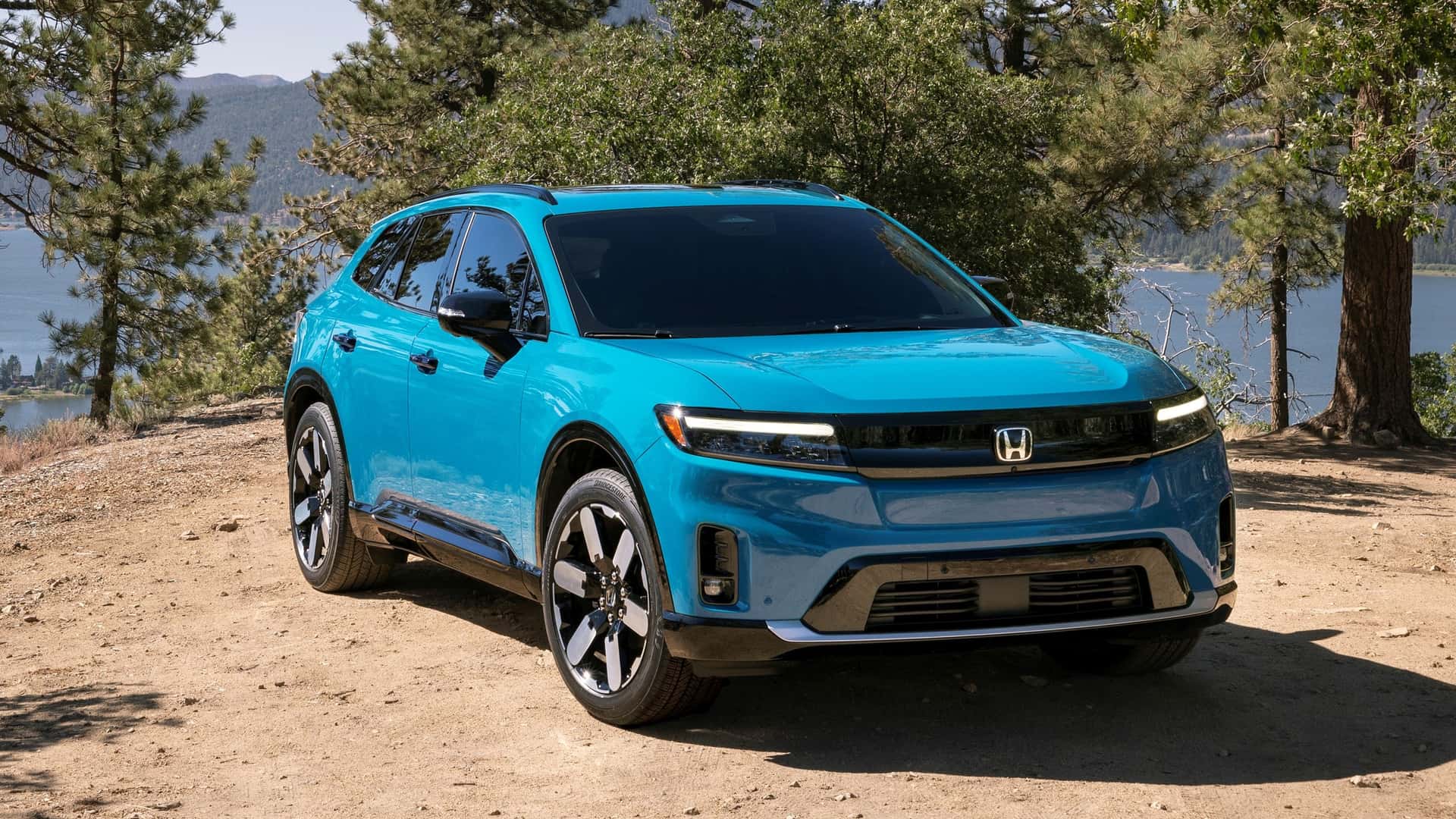
Central to Honda’s recent EV strategy was a collaborative agreement with General Motors. This partnership involved the joint development and assembly of key electric crossovers: the Honda Prologue and the ill-fated Acura ZDX. Both models were engineered to leverage GM’s Ultium electric platform, sharing underlying technology with vehicles like the Chevrolet Blazer EV, and were manufactured in GM’s facilities.
However, the performance of these jointly developed models in the market has been dismal. The significant drop in sales for both the Prologue and ZDX from October through December directly impacted the production volumes initially agreed upon by the two automakers. As a consequence, Honda was compelled to reduce its orders to General Motors.
Financial Repercussions and Compensation
This reduction in output under the manufacturing agreement carries direct financial penalties for Honda. As reported by Automotive News, Honda will now be obligated to compensate General Motors for the shortfall in planned production volumes. This clause in their agreement ensures that GM is not unduly impacted by its partner’s lower sales figures, thereby turning Honda’s challenge into a potential revenue stream for the American manufacturer.
The Acura ZDX, assembled at GM’s Spring Hill plant in Tennessee, exemplifies the partnership’s struggles. Despite its initial promise, the model’s sales performance was so poor that Acura decided to cease its production after just one model year, accumulating only 19,411 total sales before its cancellation. This move occurred just prior to the expiration of the $7,500 federal tax credit for the vehicle, highlighting further strategic missteps.
The Honda Prologue’s Rocky Road
The Honda Prologue, manufactured at GM’s Ramos Arizpe plant in Mexico, has also faced substantial market challenges. While Honda reported selling 39,194 Prologue EVs in the U.S. last year, marking an 18.7% increase compared to an earlier period in 2024, the vehicle’s momentum significantly stalled in the crucial October-December quarter. During this period, Prologue sales plunged an alarming 86% to a mere 2,641 units, signaling a clear downturn.
In an attempt to salvage the Prologue’s market standing and mitigate losses, Honda has indicated plans to boost fleet sales of the crossover. This strategy often involves significant investment in manufacturer incentives. Data from last month indicates that Honda injected over $17,000 into every Prologue sold in the U.S. Despite this substantial financial outlay, only 664 units found new owners, underscoring the deep-seated challenges in stimulating consumer demand.
Broader Financial Strain and Strategic Overhaul
The difficulties in its electric vehicle segment have contributed to a wider financial downturn for Honda. The company recorded its fourth consecutive quarter of operating losses, with consolidated profits dropping a staggering 61% in the October-December fiscal third quarter. This persistent negative trend underscores the severity of the market conditions and strategic miscalculations.
For the first nine months of the previous financial year, which concluded in March 2026, Honda’s write-offs and expenses related to its EV business escalated to $1.71 billion. Projections for the full fiscal year are even grimmer, with the company anticipating EV-related losses to balloon to an estimated $4.48 billion. This substantial financial burden reflects the high costs associated with EV development, production, and market entry.
Adding to these domestic challenges, the impact of U.S. import duties is expected to inflict an additional $1.98 billion in losses by the end of March. Collectively, these factors are projected to reduce Honda’s overall operating profit by a significant 55%, painting a challenging picture for the company’s financial health.
A Shift Towards In-House EV Architecture: The 0 Series
In response to the underperformance of its GM-platform vehicles, Honda has declared a “fundamental review” of its electric vehicle strategy. This pivotal shift involves moving away from external partnerships for core EV architecture and focusing on developing its own bespoke EV lineup, known as the 0 Series.
The first vehicle slated to emerge from this new, in-house developed platform is the Acura RSX crossover, expected to hit the market by the close of the current year. This will be followed by two Honda-branded models: the 0 Series SUV and the 0 Series Saloon. This strategic pivot highlights Honda’s commitment to regaining control over its EV development and manufacturing processes.
Revised EV Sales Targets Amidst Market Realities
Honda’s original aspirations for electric vehicle sales were considerably more ambitious. In 2024, the company set an aggressive target of selling as many as two million EVs globally by 2030. However, the regulatory complexities, trade challenges, and slower-than-anticipated market adoption have forced a significant recalibration of these goals. By last year, this ambitious estimate was scaled back dramatically, settling on a revised target of approximately 700,000 to 750,000 units.
This revision underscores the volatile nature of the electric vehicle market and the complexities automakers face in transitioning to an all-electric future. While Honda navigates these formidable challenges, the unfolding events demonstrate how strategic partnerships, while designed to mitigate risk, can also create intricate interdependencies and unexpected outcomes for all parties involved.
FAQ Section
What caused Honda’s EV sales to plunge in the last quarter?
Honda’s electric vehicle sales dropped significantly due to poor market performance of its jointly developed models, the Honda Prologue and Acura ZDX. These vehicles, built on GM’s Ultium platform, failed to capture sufficient consumer demand, leading to a global sales reduction of 50% in the October-December quarter, amounting to just 15,000 units.
How much are Honda’s projected EV-related losses for the fiscal year?
Honda anticipates substantial EV-related losses, projected to reach approximately $4.48 billion by the end of the current fiscal year. This figure combines write-offs, expenses from its EV business, and the financial impact of underperforming models and strategic adjustments within its electrification program.
Why might General Motors benefit from Honda’s EV struggles?
General Motors stands to benefit because its agreement with Honda includes clauses for compensation if production volumes are reduced. With Honda cutting orders for the Prologue and having canceled the ZDX, GM is likely to receive payments from Honda for the reduced output, turning a partner’s setback into a financial gain for GM.
What was the fate of the Acura ZDX electric crossover?
The Acura ZDX electric crossover was canceled after just one model year due to poor sales performance. Assembled at GM’s Spring Hill plant, it accumulated only 19,411 sales before being pulled from the market, with its cancellation occurring just before a crucial federal tax credit expired.
What is Honda’s new strategy for its electric vehicle lineup?
Honda is undertaking a “fundamental review” of its EV strategy and is now focusing on developing an entirely new, in-house architecture called the 0 Series. The first vehicle from this platform will be the Acura RSX crossover, followed by the Honda 0 Series SUV and 0 Series Saloon, aiming for greater control over its EV offerings.
How have Honda’s long-term EV sales targets changed?
Honda’s long-term EV sales targets have been significantly revised downwards. From an initial aspiration of selling two million EVs globally by 2030, the company has scaled back its estimate to approximately 700,000 to 750,000 units. This adjustment reflects current market realities and the challenges encountered in its EV rollout.