
Key Takeaways:
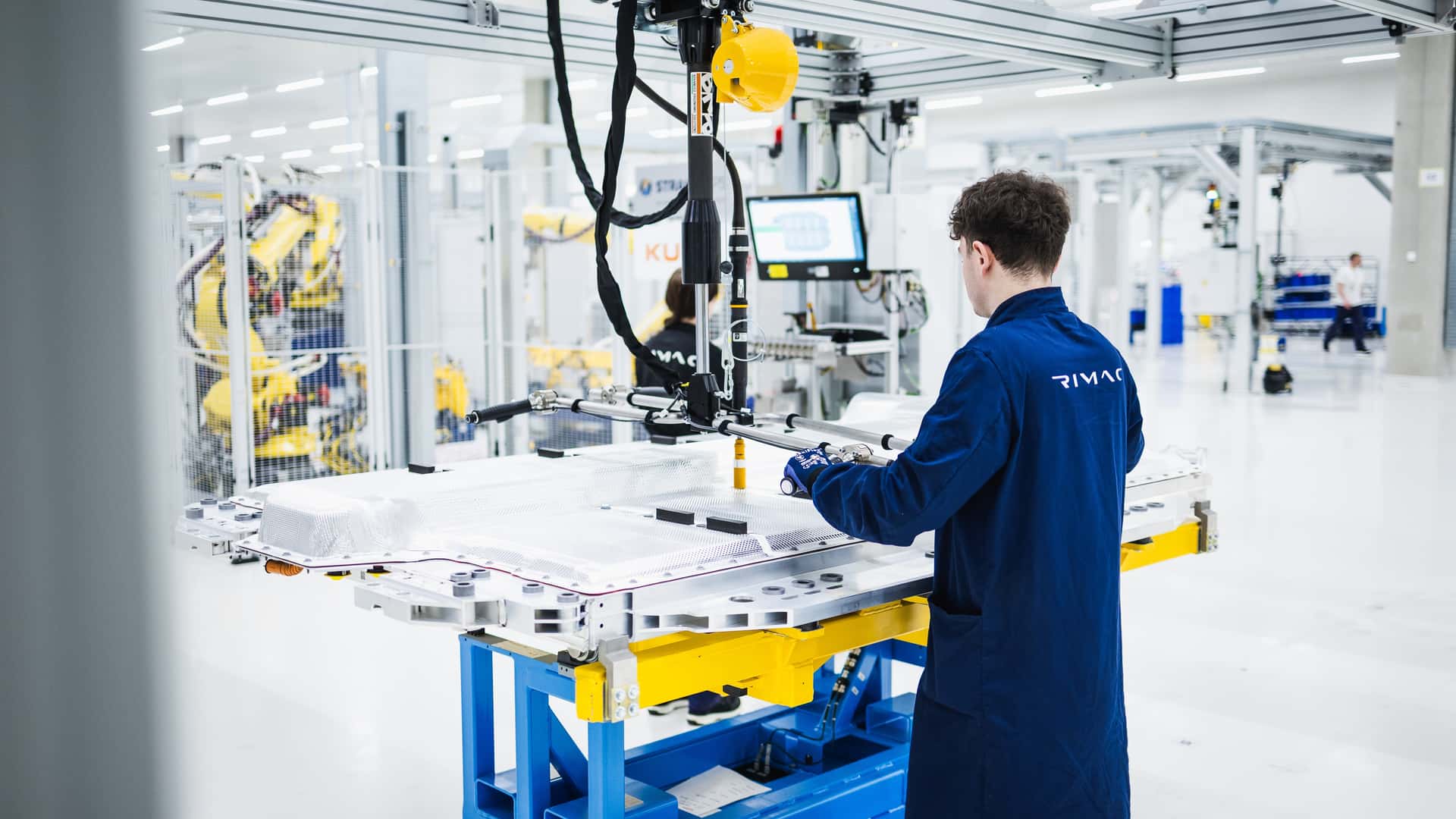
- BMW has announced that Rimac Technology will supply the high-performance battery packs for the upcoming, revised i7 flagship electric sedan.
- This collaboration is set to deliver significant advancements in range, energy density, and charging performance for the luxury EV.
- The battery packs will leverage BMW’s Gen5 module-based technology combined with Rimac’s Gen6 4695 cylindrical lithium-ion cells.
- Production will involve Rimac’s state-of-the-art facility in Zagreb, Croatia, with final assembly integrated at BMW Group Plant Dingolfing in Germany.
- The partnership underscores BMW’s strategic move to enhance its electric vehicle offerings and maintain a competitive edge in the premium EV market.
BMW Forges Strategic Partnership with Rimac for Next-Gen i7 Batteries
In a significant development for the electric vehicle landscape, German automotive giant BMW has officially announced its collaboration with Croatian supercar specialist Rimac Technology. The partnership will see Rimac Technology supplying the advanced high-performance battery packs for the revised iteration of the BMW i7, the automaker’s all-electric flagship sedan. This strategic alliance, revealed on Tuesday, April 7, aims to substantially boost the electric sedan’s capabilities, particularly in terms of range and charging efficiency.
The decision to integrate Rimac’s cutting-edge battery solutions into the BMW i7 underscores the premium automaker’s commitment to pushing the boundaries of electric mobility. As the automotive industry rapidly transitions towards electrification, securing state-of-the-art battery technology is paramount for maintaining a competitive edge and delivering exceptional performance to consumers in the luxury segment.
Unveiling the Core Collaboration
The updated BMW i7 will receive a visual refresh, aligning its aesthetics with BMW’s forward-looking Neue Klasse design language, similar to the new iX3 and i3 models. While this update primarily focuses on a facelift rather than a complete platform overhaul—the vehicle will continue to utilize the established Cluster Architecture (CLAR)—the introduction of the new battery system is poised to be a game-changer. This integration is expected to deliver substantial improvements in the vehicle’s driving range and overall performance metrics, crucial factors for consumers in the premium electric vehicle market.
BMW initially entered a supply agreement with Rimac in 2023, signaling a clear intent to leverage external expertise in advanced EV componentry. The BMW i7 will mark the inaugural vehicle produced as a direct result of this highly anticipated collaboration. This move by BMW highlights a growing trend among established automakers to partner with specialized technology firms to accelerate innovation and development in critical areas like battery systems.

The Power Behind the Partnership: Rimac Technology’s Expertise
The choice of Rimac Technology as a key supplier for the BMW i7‘s battery systems is noteworthy given Rimac’s unique position in the automotive world. Unlike conventional large-scale battery manufacturers such as BYD or CATL, Rimac Technology operates as the fully owned electric vehicle technology arm of the Rimac Group. The broader Rimac Group also holds a significant 55% stake in Bugatti Rimac, with Porsche owning the remaining share, illustrating its deep integration within the high-performance automotive ecosystem.
This specialized focus distinguishes Rimac Technology, positioning it as a preferred partner for projects demanding extreme performance and advanced engineering. Their expertise lies specifically in developing high-performance, high-voltage battery systems and other intricate EV components tailored for electric hypercars and luxury flagship models. This niche specialization provides BMW with access to bespoke battery solutions designed for optimal power delivery and energy management.
A Leader in High-Performance EV Systems
Rimac Technology’s reputation precedes it, built on a foundation of innovation and proven capabilities in the hypercar segment. The company has already demonstrated its prowess by supplying batteries for prestigious vehicles, including the Porsche 911 GTS T-Hybrid and the groundbreaking Bugatti Tourbillon hypercar. These applications demand unparalleled energy density, rapid power discharge, and robust thermal management, areas where Rimac Technology has consistently excelled.
The collaboration with BMW for the BMW i7 represents a significant expansion of Rimac Technology’s influence into the luxury sedan market, further solidifying its standing as a leader in advanced electric powertrain solutions. This strategic partnership highlights how even industry stalwarts like BMW are seeking external innovation to enhance their electrification efforts.
Technical Innovations Driving the BMW i7
Regarding the technical specifications of the new battery packs, Rimac has outlined a synergistic approach. The system will combine BMW’s established Gen5 module-based technology with Rimac’s next-generation Gen6 4695 cylindrical lithium-ion cells. This amalgamation is projected to yield substantial gains across critical performance metrics.
Mate Rimac, the founder and president of the Rimac Group, underscored the collaborative achievement, stating in a press release: “Together, we developed a high-voltage battery system that unlocks the full potential of the new cylindrical cells in record time, delivering significant improvements in energy, range, and charging performance.” This statement emphasizes the rapid development cycle and the tangible benefits expected from the integrated battery architecture. Drivers of the BMW i7 can anticipate extended driving ranges, improved acceleration, and faster charging times, enhancing the overall ownership experience of this luxury electric sedan.
Global Manufacturing Footprint and Integration
The manufacturing process for these advanced battery packs will be a multinational effort, leveraging specialized facilities in Europe. The core Gen6 4695 cylindrical lithium-ion cells will be produced at Rimac’s expansive 90,000-square-meter campus located in Zagreb, Croatia. This state-of-the-art facility is equipped to handle the precision manufacturing required for high-performance battery components, ensuring quality and consistency.
Following the production of the cells, the completed battery packs will be transported from Croatia to BMW Group Plant Dingolfing in Germany. Dingolfing is designated as the sole production site for the BMW i7, where these sophisticated battery systems will be integrated into the vehicle’s chassis during the final assembly process. This streamlined logistics and manufacturing chain ensures efficient production while maintaining stringent quality control standards.
BMW’s Electrification Ambition and Competitive Edge
BMW’s decision to partner with Rimac Technology for the BMW i7‘s battery supply is a clear indicator of the automaker’s aggressive push into advanced electric mobility. By opting for a specialized high-performance supplier rather than exclusively relying on mainstream battery makers, BMW aims to differentiate its luxury electric vehicles through superior performance characteristics. This strategy allows BMW to access bespoke, cutting-edge battery technology that might not be readily available off-the-shelf from larger, more generalized suppliers.
The partnership helps BMW diversify its supply chain and significantly enhances its technological capabilities in a fiercely competitive market. Access to Rimac’s expertise in high-voltage battery systems enables BMW to develop electric vehicles that offer enhanced energy density, faster charging, and extended range, directly addressing key consumer concerns and expectations in the premium EV segment. This proactive approach strengthens BMW’s position as a leader in electric luxury.
Elevating the Luxury EV Segment
The integration of Rimac’s advanced battery technology is expected to elevate the BMW i7‘s standing within the luxury electric sedan segment. For discerning buyers, performance metrics like range and charging speed are often as crucial as interior luxury and advanced infotainment systems. The promised gains in these areas will make the BMW i7 an even more compelling option for those seeking a no-compromise electric driving experience.
This collaboration also showcases BMW’s adaptability and willingness to integrate external innovations to achieve its strategic objectives. As the automotive industry continues its rapid evolution towards electric and sustainable mobility, such partnerships are becoming increasingly vital for technological advancement and market relevance.
Facing the Competition
The updated BMW i7 is poised to intensify competition within the high-end electric vehicle market. It will directly contend with forthcoming rivals, including the next-generation Mercedes-Benz S-Class EV. Mercedes has indicated that its S-Class electric variant will launch later this decade, integrating into the existing S-Class lineup rather than forming a distinct EV family like the EQS. This competitive landscape highlights the ongoing innovation race among luxury automakers to dominate the premium electric segment.
By securing advanced battery technology from a specialist like Rimac, BMW aims to ensure the BMW i7 remains at the forefront of performance and efficiency, critical attributes for outcompeting formidable rivals in this elite category. This proactive investment in battery innovation underscores BMW’s ambition to lead the charge in electric luxury sedans.
The Road Ahead: Market Impact and Official Launch
The official revelation of the revised BMW i7, featuring its new Rimac-supplied battery packs, is scheduled for April 22. This global unveiling will take place concurrently at two prominent automotive events: the Beijing Auto Show and a dedicated event in New York. Industry observers and prospective buyers eagerly await details on how these technological advancements translate into real-world performance improvements for BMW’s flagship electric sedan.
The launch represents a pivotal moment for BMW’s electrification strategy, demonstrating its continued investment in cutting-edge technology and its dedication to delivering high-performance, long-range electric vehicles to the luxury market. The insights from these unveiling events will provide a clearer picture of the BMW i7‘s enhanced capabilities and its competitive positioning in the rapidly evolving electric automotive landscape.
Correction Note
This article initially stated that the updated i7 would ride on the Neue Klasse platform. This was an error. The updated i7 is a facelift of the current model and not a next-generation vehicle. It will continue to use the Cluster Architecture (CLAR) platform. We sincerely regret this oversight and strive for accuracy in our reporting.
Frequently Asked Questions (FAQ)
What is the significance of BMW partnering with Rimac Technology for the i7 batteries?
This partnership is significant because Rimac Technology specializes in high-performance, high-voltage battery systems for electric hypercars and luxury models. It provides BMW with access to cutting-edge technology beyond standard off-the-shelf options, aiming for superior range, energy density, and charging performance for the BMW i7.
What specific battery technology will be used in the revised BMW i7?
The revised BMW i7 will incorporate BMW’s Gen5 module-based technology in conjunction with Rimac’s Gen6 4695 cylindrical lithium-ion cells. This combination is designed to optimize energy storage and delivery, resulting in notable improvements in the vehicle’s overall electric powertrain efficiency and performance.
Where will the new battery packs for the BMW i7 be manufactured?
The manufacturing process for the new battery packs involves two key locations. The Gen6 cylindrical lithium-ion cells will be produced at Rimac’s facility in Zagreb, Croatia. Subsequently, the completed battery packs will be shipped to BMW Group Plant Dingolfing in Germany, which serves as the sole production site for the BMW i7 for final integration.
How will the new battery technology impact the BMW i7’s performance?
The integration of Rimac’s battery technology is expected to deliver meaningful gains in the BMW i7‘s range, energy density, and charging performance. This means owners can anticipate longer driving distances on a single charge, potentially quicker acceleration, and significantly reduced charging times, enhancing the overall practicality and luxury experience of the electric sedan.
What is the competitive landscape for the BMW i7 with these battery upgrades?
With these battery upgrades, the BMW i7 is positioned to strongly compete against other luxury electric vehicles, including the forthcoming next-generation Mercedes-Benz S-Class EV. The enhanced performance metrics are crucial for BMW to maintain its leadership and appeal in the high-end electric vehicle segment, where technological superiority is a key differentiator.
Is the revised BMW i7 based on a new platform?
No, the revised BMW i7 is not based on a new platform like the Neue Klasse architecture. It is essentially a facelift of the current model and will continue to utilize BMW’s established Cluster Architecture (CLAR) platform. The primary enhancements come from the new battery technology and visual updates, rather than a full platform redesign.