
Key Takeaways
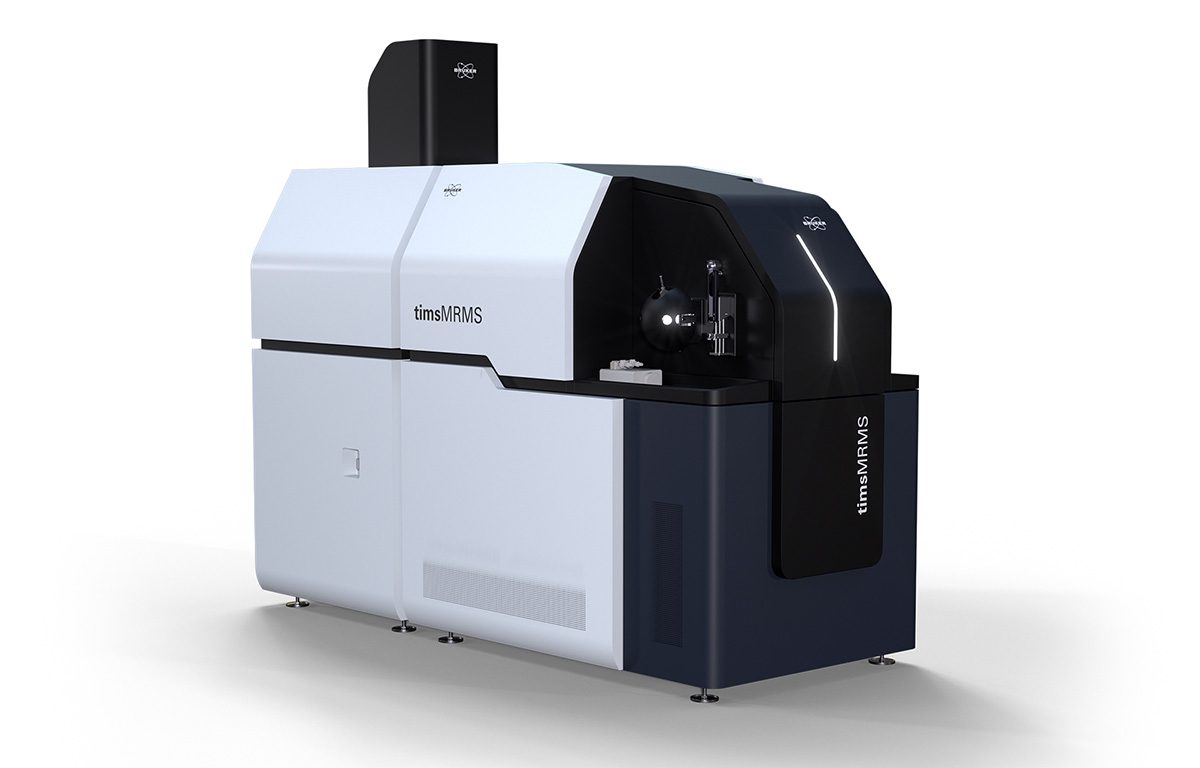
- Bruker has launched the timsMRMS platform, a new mass spectrometry system combining trapped ion mobility spectrometry (TIMS) with magnetic resonance mass spectrometry (MRMS).
- This platform is specifically designed for the molecular-level analysis of ultra-complex chemical mixtures found in next-generation battery materials and alternative fuels.
- For battery researchers, the timsMRMS offers critical insights into electrolyte formulations and the degradation mechanisms of the solid-electrolyte interphase (SEI).
- The system boasts a resolution greater than 10 million and sub-parts-per-million mass accuracy, facilitating detailed identification of isotope fine structures.
- Its capabilities aim to provide greater clarity and confidence in understanding the intricate chemical complexity that impacts battery performance, safety, and lifespan.
In a significant development for energy research and materials science, Bruker has introduced its groundbreaking timsMRMS platform. This advanced mass spectrometry system is poised to revolutionize the characterization of highly complex molecular mixtures inherent in next-generation battery materials and biofuels. By integrating trapped ion mobility spectrometry (TIMS) with magnetic resonance mass spectrometry (MRMS), Bruker aims to provide unprecedented analytical depth to researchers grappling with the intricate chemistry of modern energy storage and conversion technologies.
The launch addresses a critical need within the electric vehicle (EV) sector and broader energy landscape, where the performance and longevity of devices heavily rely on a granular understanding of their constituent materials. The timsMRMS platform is specifically engineered to unravel the molecular intricacies that dictate efficiency, safety, and lifespan in cutting-edge energy systems, making it a pivotal tool for advanced battery analysis.

Bridging the Analytical Gap in Battery Science
For battery researchers, the advent of the timsMRMS marks a significant leap forward in understanding the fundamental processes governing battery function and degradation. The platform enables highly detailed, molecular-level analysis of electrolyte formulations, which are critical components influencing a battery’s electrochemical performance and stability.
Furthermore, it provides crucial insights into the degradation of the solid-electrolyte interphase (SEI). The SEI is a thin, dynamic layer that forms on the anode surface during the initial charge cycles of a battery. Despite its microscopic thickness, this interphase layer plays an outsized role in determining the battery’s overall capacity fade, its operational safety, and its long-term lifespan.
Understanding the Critical Role of the Solid-Electrolyte Interphase (SEI)
The solid-electrolyte interphase (SEI) is arguably one of the most critical and least understood components within a lithium-ion battery. Its formation is a natural consequence of the electrochemical reactions occurring at the anode surface. A stable and well-controlled SEI can protect the anode, prevent further electrolyte decomposition, and enable efficient lithium-ion transport, thereby enhancing battery longevity and performance.

Conversely, an unstable or poorly formed SEI can lead to continuous electrolyte consumption, increased internal resistance, and the growth of dendrites, all of which contribute to premature capacity fade and potential safety hazards. The ability to precisely characterize the SEI’s molecular composition and observe its changes under varying cycling conditions is therefore paramount for developing more robust and enduring battery technologies.
Historically, achieving a comprehensive understanding of exactly what the SEI is made of and how its molecular structure evolves under real-world cycling conditions has presented substantial challenges for scientists. Conventional mass spectrometry tools, while powerful, often struggle with the extreme chemical complexity involved in these minute, yet highly impactful, layers. This complexity stems from the myriad of organic and inorganic compounds, often present in very low concentrations, that constitute the SEI.
Unprecedented Precision and Resolution for Molecular Insights
The timsMRMS platform distinguishes itself through its exceptional analytical capabilities, engineered to overcome the limitations faced by previous generations of instrumentation. The system boasts an impressive resolution of greater than 10 million. This extraordinary resolving power allows for the clear separation and identification of molecular species that would otherwise be indistinguishable due to their subtle mass differences, a common hurdle in analyzing highly complex mixtures.
Coupled with this high resolution is sub-parts-per-million (sub-ppm) mass accuracy. This level of precision ensures that researchers can confidently determine the elemental composition of unknown compounds, providing definitive molecular formulas even for trace components. Such accuracy is vital when dealing with degradation products or minor additives in electrolyte formulations, where small changes can have significant implications for battery performance.
Furthermore, the platform offers isotope fine structure identification. This capability leverages the natural abundance of isotopes for various elements, allowing for an even more refined level of molecular characterization. By analyzing the fine isotopic patterns within a mass spectrum, researchers can gain unequivocal structural information, confirming the presence of specific atoms and molecular fragments within complex compounds, a crucial aspect of advanced battery analysis.
Addressing Extreme Chemical Diversity in Energy Research
Dr. Paul Speir, Senior Vice President, Global MRMS Business at Bruker, underscored the significance of the new platform. “Many application areas in energy research present extreme levels of chemical diversity that are incredibly challenging,” Dr. Speir stated. He emphasized how this new tool empowers scientists: “With the timsMRMS, we are equipping energy researchers with a complete unique tool that provides greater clarity and confidence in characterizing the extreme chemical complexity of next-generation batteries and alternative fuels.”
This statement highlights the platform’s dual utility, extending beyond battery materials to encompass the equally challenging field of biofuel analysis. Biofuels, much like battery electrolytes, involve a vast array of organic compounds whose precise characterization is essential for optimizing production processes, improving fuel efficiency, and understanding combustion characteristics. The ability to perform such high-resolution, accurate analysis across these diverse fields positions the timsMRMS as a versatile asset for a broad spectrum of energy research initiatives.
The Future of Energy Material Development
The introduction of the timsMRMS platform marks a pivotal moment for materials science and energy research. By providing researchers with an unparalleled ability to deconstruct and understand the molecular architecture of complex energy materials, Bruker is enabling faster innovation cycles for battery development. This includes the rapid screening of novel electrolyte additives, the precise monitoring of degradation pathways, and the accelerated design of more durable and efficient battery cells.
The enhanced clarity and confidence offered by this system will empower scientists to make more informed decisions in material selection and optimization. Ultimately, this leads to the development of next-generation batteries with improved capacity, extended lifespans, and enhanced safety features, directly contributing to the advancement of electric vehicles and a more sustainable energy future. Its application in biofuel characterisation further solidifies its role as a cornerstone technology for sustainable energy solutions.
Frequently Asked Questions (FAQ)
What is the Bruker timsMRMS platform?
The Bruker timsMRMS is an advanced mass spectrometry platform designed for detailed molecular analysis. It combines trapped ion mobility spectrometry (TIMS) and magnetic resonance mass spectrometry (MRMS) to characterize ultra-complex chemical mixtures, particularly in next-generation battery materials and alternative fuels, offering unprecedented insights.
How does timsMRMS benefit battery researchers?
For battery researchers, timsMRMS provides molecular-level analysis of electrolyte formulations and the degradation of the solid-electrolyte interphase (SEI). This deep understanding helps optimize battery capacity, enhance safety, and extend lifespan by precisely identifying complex compounds and their changes during operation.
What is the Solid-Electrolyte Interphase (SEI) and why is it important?
The SEI is a crucial thin layer formed on a battery’s anode surface during initial charge cycles. Its composition and stability significantly impact battery performance, causing capacity fade, affecting safety, and determining overall lifespan. Understanding the SEI is key to developing more durable and efficient batteries.
What are the key analytical capabilities of the timsMRMS?
The timsMRMS boasts a resolution exceeding 10 million, enabling clear separation of closely related molecular species. It also offers sub-parts-per-million (sub-ppm) mass accuracy for confident elemental composition determination, alongside isotope fine structure identification for precise molecular characterization.
How does timsMRMS address extreme chemical complexity?
The platform’s combined TIMS and MRMS technologies allow it to handle the vast chemical diversity in energy research samples. It effectively separates and identifies thousands of compounds, including trace components and degradation products, which are often indistinguishable with conventional analytical methods.
Does the timsMRMS have applications beyond batteries?
Yes, in addition to battery materials, the timsMRMS platform is also valuable for biofuel analysis. Its ability to characterize ultra-complex molecular mixtures extends to optimizing biofuel production, improving efficiency, and understanding the chemical processes involved in alternative fuels.