
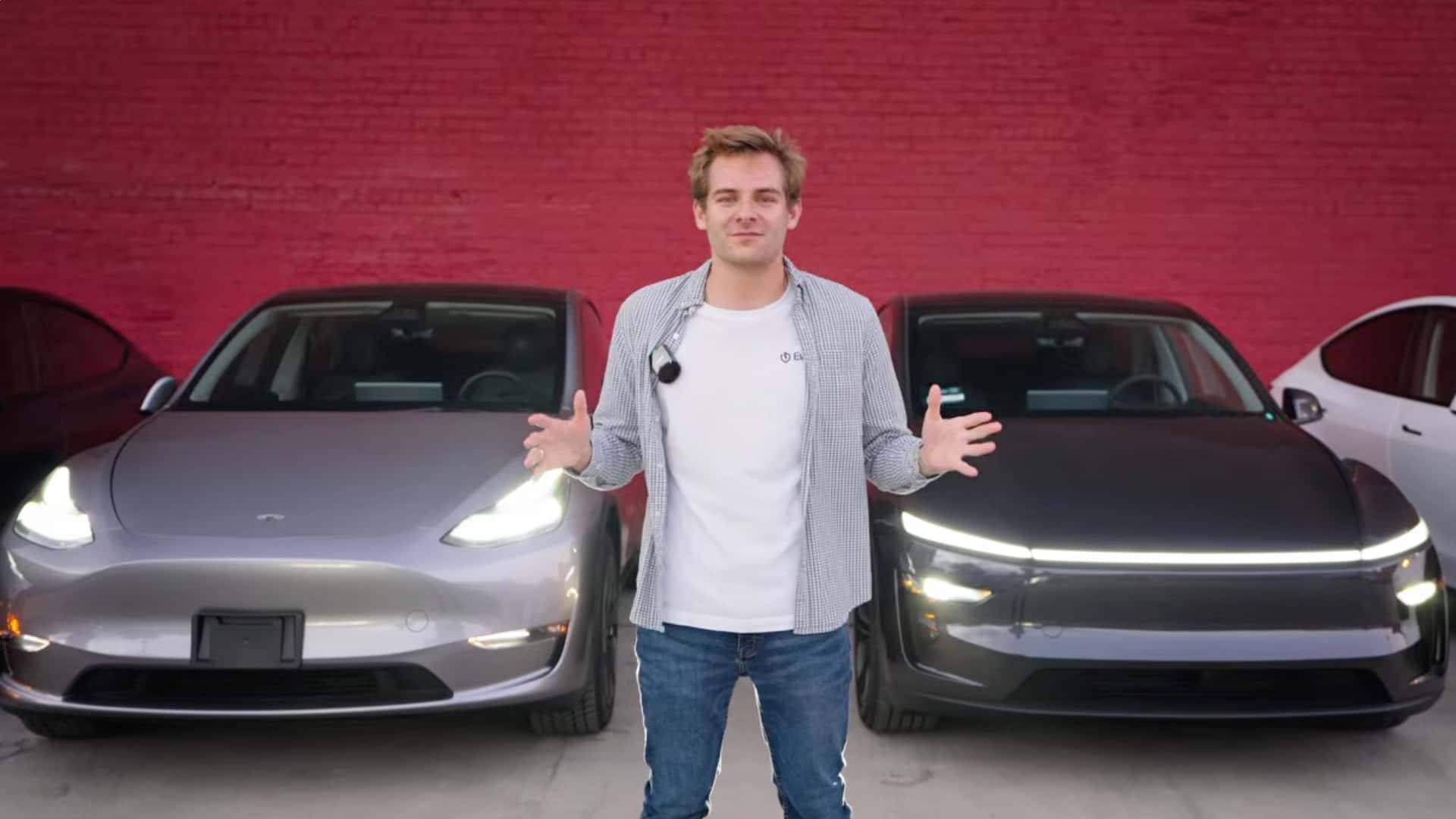
Prospective buyers of the Tesla Model Y often face a unique challenge: determining which model year offers the best value and features for their specific needs. Unlike traditional automotive manufacturers that follow predictable refresh cycles, Tesla has a history of implementing continuous, subtle updates to its vehicles, often mid-year, making the evolution of its best-selling electric SUV a nuanced journey from its 2020 inception to the present day.
While a significant ‘Juniper’ refresh was anticipated and eventually materialized for later models, the incremental changes introduced across various Tesla Model Y iterations mean that no two years are exactly alike. This continuous improvement strategy, while keeping the vehicle technologically current, necessitates a detailed examination for anyone considering a purchase, especially in the thriving used electric vehicle market.

Key Takeaways: Navigating Tesla Model Y Model Years
- The Tesla Model Y has undergone numerous subtle yet impactful changes since its 2020 debut, affecting everything from interior amenities to range and charging performance.
- Early 2020 models offered a premium interior as standard but lacked a heated steering wheel, while later builds saw the introduction of dual-pane windows for improved cabin quietness.
- The 2021 Model Y brought increased range, a brief Standard Range variant, and a heated steering wheel, but later versions removed passenger lumbar support.
- The 2022 model year introduced the Standard Range All-Wheel Drive with 4680 cells, noted for its slower charging profile, alongside interior refinements and the option for a ‘comfort suspension’.
- Hardware 4 for advanced Full Self-Driving (FSD) capabilities and software-locked battery options characterized the 2023 Model Y, offering potential range unlocks.
- Subsequent 2024 and 2025 models saw minor adjustments, leading up to the more comprehensive ‘Juniper’ refresh in 2026, which featured exterior redesigns and universal dual-pane glass.
The Iterative Evolution of the Tesla Model Y
Tesla’s approach to vehicle development is distinct, often rolling out updates and improvements without adhering to traditional annual model changes. This strategy means that a Tesla Model Y from late 2020 could differ significantly from an early 2020 Model Y. For consumers, particularly those looking into the pre-owned market, this necessitates a thorough understanding of these granular modifications.
To shed light on these distinctions, Andrew Lambrecht, a respected InsideEVs contributor and certified EV enthusiast, meticulously compiled and reviewed every model year of the Tesla Model Y. His in-depth analysis, featured in a recent video on the Ever YouTube channel, provides crucial insights into the evolving landscape of this popular electric crossover, detailing differences that could sway a purchasing decision.
Unpacking the 2020 Tesla Model Y: Initial Offerings and Early Refinements
The inaugural 2020 Tesla Model Y was introduced with a strong emphasis on luxury and performance, setting a high standard for the compact luxury electric SUV segment. All original 2020 Model Y vehicles were equipped with a comprehensive premium interior package. This included heated seats for both the front and rear occupants, a highly desirable feature for comfort in various climates, alongside an immersive 15-speaker premium sound system, enhancing the in-cabin entertainment experience.

However, early production units of the 2020 Model Y did exhibit certain characteristics that Tesla later refined. These initial builds notably lacked a heated steering wheel, a feature that many drivers now consider essential for cold weather comfort. Furthermore, the center console was finished in a glossy black plastic, which, while sleek, was prone to fingerprints and minor scratches. A more significant, albeit subtle, change occurred within the 2020 production run: early builds featured single-pane windows, which were subsequently upgraded to dual-pane windows in later production models. This seemingly minor alteration had a substantial impact on cabin acoustics and thermal insulation, contributing to a quieter and more comfortable ride experience.
The 2021 Model Year: Range Boosts and Interior Tweaks
The 2021 Tesla Model Y marked a period of notable enhancements, primarily focusing on improving the vehicle’s core electric performance. This model year generally saw an increase in the EPA-estimated range, offering drivers greater autonomy and reducing range anxiety for long-distance travel. A unique, short-lived variant, the Standard Range version, was briefly available for approximately a month. This particular model, due to its limited production run, could be a rare find for some enthusiasts.
Interior updates in 2021 also aimed at refining the user experience. The glossy black center console of the previous year was replaced with an updated matte finish, addressing some of the aesthetic and practical concerns. Crucially, the heated steering wheel, absent in early 2020 models, became a standard feature, significantly improving comfort for drivers in colder regions. Nevertheless, a specific change within the 2021 production cycle saw later builds lose the passenger lumbar support feature. This detail is particularly important for buyers prioritizing front passenger comfort, especially during extended journeys.
2022 Tesla Model Y: Introducing New Battery Technology and Enhanced Ride Quality
The 2022 Model Y was a pivotal year, characterized by the introduction of new battery technology and a concerted effort to address customer feedback regarding ride comfort. Tesla unveiled the Standard Range All-Wheel Drive variant, which notably incorporated the highly anticipated 4680 battery cells. While these cells represented a significant technological advancement for Tesla, this particular configuration of the 2022 Model Y exhibited a peculiar charging characteristic: it charged unusually slowly for a Tesla, with charging rates dipping below 100 kW after reaching approximately a 30% state of charge, as observed by experts like Andrew Lambrecht.
Beyond the powertrain, the 2022 Model Y also received several interior upgrades. Later models featured updated interior elements, including elegant wood trim accents on the door cards, lending a more premium feel to the cabin. Practical safety enhancements were also integrated, such as manual backup releases for the rear doors, providing an additional layer of security in emergency situations. Furthermore, some 2022 units benefited from an upgraded “comfort suspension,” a direct response to common feedback regarding the Model Y’s characteristically stiff ride. This enhancement aimed to deliver a smoother, more compliant driving experience, particularly over uneven road surfaces.
The 2023 Tesla Model Y: Hardware 4 and Software-Defined Range
Innovation in autonomous driving and battery management defined the 2023 Tesla Model Y. This model year introduced Hardware 4 (HW4), a crucial upgrade necessary to operate the latest, most sophisticated versions of Tesla’s Full Self-Driving (FSD) software. For buyers keen on leveraging advanced driver-assistance features and future-proofing their vehicle for evolving autonomous capabilities, a 2023 Model Y with HW4 is a significant consideration.
Another compelling aspect of the 2023 Model Y was the availability of a Standard Range option where the physical battery pack was identical to those found in longer-range versions. However, a portion of its capacity was software-locked. Tesla offered owners the opportunity to pay a fee to unlock this dormant capacity, potentially adding up to 50 miles of range. This unique offering presented a potentially attractive “sleeper deal” for savvy buyers, allowing them to acquire a vehicle with an underlying larger battery at a lower initial cost, with the flexibility to expand its range later if desired.
Minor Adjustments Leading to a Major Refresh: 2024, 2025, and the 2026 ‘Juniper’ Model
The 2024 and 2025 Model Y iterations generally saw smaller, more incremental updates, consolidating previous improvements and refining existing features without introducing major overhauls. These years typically represented a maturation phase for the vehicle before a significant design and engineering shift.
The most substantial evolution arrived with the 2026 Model Y, commonly referred to as the “Juniper” refresh. This overhaul brought a host of significant changes, marking a noticeable departure from previous designs. Key exterior updates included redesigned front and rear fascias, incorporating modern light bars that align with Tesla’s evolving design language. Interior enhancements and structural improvements were also part of this refresh. Critically, the ‘Juniper’ Model Y standardized dual-pane windows across all its configurations, offering superior cabin insulation and noise reduction throughout the lineup. While specific details of all ‘Juniper’ changes are extensive, as detailed in comprehensive analyses, it represents a considerable leap forward in design and amenity.
Making an Informed Decision: Which Tesla Model Y is Right for You?
Given the continuous evolution of the Tesla Model Y, selecting the “best” model year is not straightforward; it depends entirely on individual priorities, budget, and desired features. For those prioritizing premium comfort features and a quiet cabin, a later 2020 or any post-2020 Model Y with dual-pane windows and a heated steering wheel might be ideal. Buyers focused on autonomous driving capabilities will find the 2023 Model Y with Hardware 4 particularly appealing. Conversely, those seeking the best value for range may consider the software-locked 2023 Standard Range option. The 2026 ‘Juniper’ refresh represents the latest in design and integrated features for those prioritizing the newest aesthetic and comprehensive enhancements.
Thorough research, including consulting expert reviews and detailed comparative analyses like those provided by Andrew Lambrecht, is paramount. Understanding the nuances of each Model Y iteration allows potential owners to align their purchase with their specific driving needs and preferences, ensuring satisfaction with their investment in the dynamic world of electric vehicles.
Frequently Asked Questions About the Tesla Model Y
What significant changes were made to the 2020 Tesla Model Y?
The 2020 Model Y initially offered a premium interior with heated seats in both rows and a 15-speaker sound system. However, it lacked a heated steering wheel and featured a glossy black center console. Later 2020 builds saw a crucial upgrade to dual-pane windows, significantly improving cabin quietness and insulation.
Did the 2021 Model Y offer better range or new features?
Yes, the 2021 Model Y generally received increased range capabilities. It also introduced an updated matte center console and a heated steering wheel. Notably, a brief Standard Range version was offered for about a month. However, later 2021 builds removed passenger lumbar support, a detail important for some buyers.
What was unique about the 2022 Tesla Model Y’s battery and charging?
The 2022 Model Y introduced a Standard Range All-Wheel Drive variant featuring 4680 battery cells. A key characteristic was its charging profile; it tended to charge slower than other Tesla models, dropping below 100 kW after approximately 30% state of charge, making it less efficient for quick top-ups.
Why is Hardware 4 important for the 2023 Model Y?
Hardware 4 (HW4) in the 2023 Model Y is essential for running the latest and most advanced versions of Tesla’s Full Self-Driving (FSD) software. This upgrade provides enhanced processing power and improved sensor capabilities, future-proofing the vehicle for evolving autonomous driving functionalities and features.
Can I unlock more range in some Tesla Model Y vehicles?
Yes, some 2023 Standard Range Model Y vehicles came with the same physical battery as longer-range versions, but with a portion of its capacity software-locked. Owners could pay Tesla a fee to unlock this additional capacity, potentially gaining up to 50 miles of extra range, offering a unique upgrade path.
What is the ‘Juniper’ refresh and when did it occur?
The ‘Juniper’ refresh refers to a significant overhaul of the Tesla Model Y, which arrived with the 2026 model year. This refresh included new front and rear exterior designs with updated light bars, universal dual-pane windows, and a range of other interior and structural improvements aimed at modernizing the vehicle’s aesthetic and functionality.