
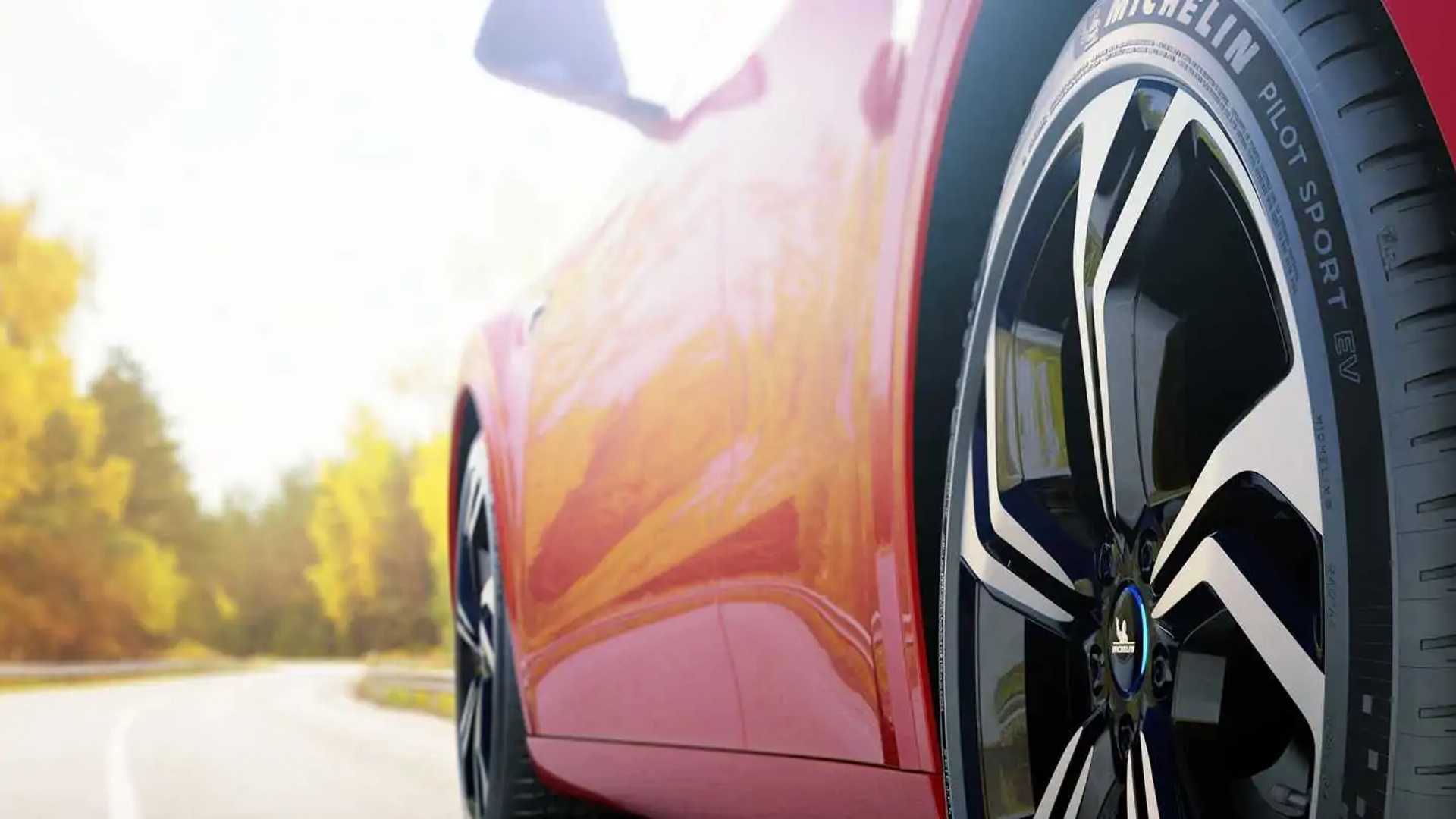
Electric vehicles (EVs) offer numerous advantages, including reduced conventional maintenance compared to their internal combustion engine (ICE) counterparts. However, a prevailing concern among owners and prospective buyers is the perceived accelerated EV tire wear. This has led many to question whether this common wisdom is a myth or a demonstrable reality. Evidence suggests that while the notion of faster tire degradation in EVs is not entirely unfounded, the extent of its impact is nuanced and subject to various contributing factors.
The fundamental physics underpinning vehicle dynamics provides a strong basis for expecting higher tire wear rates in electric cars. EVs typically carry significantly more weight due to their heavy battery packs. This increased mass places greater stress on tires during acceleration, braking, and cornering maneuvers. Furthermore, the characteristic instant torque delivery of electric powertrains can exert intense, immediate forces on the tire tread, contributing to faster wear.

German automobile association *ADAC* has noted that both vehicle weight and aggressive driving behavior are primary contributors to increased tire wear. While acknowledging the formidable torque of electric motors, *ADAC* posits that the mere availability of high power does not necessarily equate to constant utilization. Instead, the association places greater emphasis on driving style as a critical determinant of tire longevity, suggesting that mindful driving can significantly mitigate potential issues with EV tire wear.
Key Takeaways: Understanding EV Tire Wear
- Electric vehicles often experience accelerated tire wear compared to gasoline cars due to their greater weight and instantaneous torque.
- Scientific studies indicate EVs can exhibit 20-27% higher tread wear and necessitate tire replacements roughly 22% sooner on average.
- Driving style is a crucial factor; aggressive acceleration and braking significantly increase tire degradation, regardless of vehicle type.
- EV-specific tires are engineered to handle the unique demands of electric vehicles, focusing on durability, low rolling resistance, and noise reduction.
- Regular maintenance, including proper inflation, rotation, and smooth driving inputs, can substantially extend the lifespan of EV tires.
Empirical Evidence on EV Tire Wear Rates
To move beyond anecdotal observations, several studies have attempted to quantify the difference in tire wear between electric and conventional vehicles. These investigations provide valuable, albeit context-dependent, insights into the phenomenon of accelerated EV tire wear.
A 2022 study published in *Science of the Total Environment* offered direct empirical data. Researchers in Korea conducted tests measuring average tread wear on a controlled 550-kilometer (341-mile) route. The findings revealed that the tested electric vehicle exhibited a wear rate of 201.7 milligrams per kilometer, significantly higher than the 158.9 mg/km for the gasoline car and 167.4 mg/km for the diesel vehicle. This translates to approximately 27% and 20% higher wear for the EV, respectively, under the specific conditions of the study.

Further real-world data from fleet management companies appears to corroborate these trends. In 2025, fleet management firm *Epyx* reported that electric company cars required their first tire replacement at an average of approximately 23,100 kilometers (14,352 miles). This figure stands in contrast to conventional combustion cars, which typically saw their first tire change at around 29,500 km (18,333 miles). This suggests that EVs, on average, covered roughly 22% fewer miles between tire changes.
However, it is imperative to contextualize these findings. The *Epyx* data was not derived from a controlled experiment and aggregated information from a diverse range of vehicles. *Epyx* itself acknowledged that its EV sample was notably skewed towards larger vehicles, which inherently tend to experience faster tire wear irrespective of their powertrain type. This highlights the complexity of isolating the impact of electrification alone on tire degradation.
Another relevant investigation, a 2026 study published in *Environmental Research*, compared electric and combustion versions of the same car model. This research focused on particle emissions from tires and the road surface, finding that EVs, on average, released about 31% more particles. While this indicates higher material loss from the tires, it is crucial to note that the study measured particle generation, not the actual lifespan or mileage before replacement. Therefore, directly correlating this percentage to a 31% reduction in tire life would be an oversimplification.
Similarly, a 2026 study in *Mechanika* estimated that EV tires might last 35–62% fewer kilometers than those on combustion cars. Yet, this study also presented challenges in achieving a true like-for-like comparison, as the electric vehicles involved predominantly engaged in more city driving on different routes. Stop-and-go urban driving is known to be considerably harder on tires than continuous cruising, making it difficult to definitively attribute the increased wear solely to the electric powertrain rather than the operational environment.
In a more controlled test, *UTAC*, working on behalf of car industry groups ACEA and OICA, conducted a comparison involving one electric BMW iX1 and five combustion X1s. These vehicles were driven together over a distance of 15,000 kilometers (9,300 miles). The iX1 EV did indeed exhibit higher rubber loss per kilometer than its combustion counterparts. However, when researchers factored in the EV’s considerably greater weight, the observed difference largely diminished. This particular finding strongly suggests that vehicle weight, rather than the electric powertrain itself, was the primary driver of the additional EV tire wear in this specific comparison.
The Role of EV-Specific Tires in Mitigating Wear
Recognizing the unique demands placed on tires by electric vehicles, manufacturers have developed specialized EV tires designed to address these challenges comprehensively. These tires are engineered from the ground up to cope with multiple factors inherent to EVs, thereby aiming to optimize performance and longevity.
A primary design consideration for EV-specific tires is the accommodation of the vehicle’s extra weight. Their construction, including carcass strength and materials, is reinforced to safely manage heavier loads. Beyond structural integrity, these tires feature bespoke compounds and tread patterns specifically formulated for enhanced durability and resistance to the high, instantaneous torque delivery of electric motors.
Furthermore, EV tire technology also focuses on improving energy efficiency through low rolling resistance, which helps to preserve the vehicle’s range. Another crucial aspect is noise suppression; the near-silent operation of electric powertrains makes tire roar far more noticeable. To counteract this, some EV tires incorporate acoustic foam layers within their structure. *Michelin* has clarified that these features serve distinct purposes, emphasizing that quieter tires do not automatically equate to longer-lasting ones, though modern designs often strive for a balance of attributes.
Tire manufacturers like *Michelin* report ongoing advancements in their newer tire lines, specifically targeting improvements in durability to handle the unique weight and torque characteristics of electric vehicles. These innovations are critical in helping to offset the accelerated EV tire wear observed in many scenarios.
It is important to note that while EV-specific tires offer tailored solutions, they are not always a mandatory requirement. *ADAC* advises that tires without the specific ‘EV’ marking can be entirely suitable for electric vehicles, provided they meet all the vehicle’s essential specifications. This includes adhering to the correct dimensions, speed ratings, and critically, the required load capacity, which is often higher for EVs due to their battery weight.
Strategies to Extend Your EV’s Tire Lifespan
Regardless of whether an EV employs standard or specialized tires, proactive maintenance and conscientious driving habits remain paramount in maximizing tire longevity and managing EV tire wear. The practical advice for extending tire life in electric vehicles largely mirrors best practices for any car, yet they become even more critical given the unique performance characteristics of EVs.
Smooth and measured accelerator inputs are fundamental. The instantaneous torque delivery of electric motors, while thrilling, can quickly chew through tire tread if applied aggressively. Gradual acceleration and controlled braking minimize the forces exerted on the tires, significantly reducing wear. Similarly, anticipating traffic and avoiding harsh cornering can prevent premature tire degradation.
Maintaining the manufacturer’s recommended tire pressures is non-negotiable. Correct inflation ensures that the tire’s contact patch with the road is optimized, distributing stress evenly across the tread. Both under-inflation and over-inflation can lead to irregular wear patterns and a shortened tire lifespan. Regular checks, ideally monthly, are essential.
Periodic inspection for uneven wear patterns is also crucial. Misalignment, worn suspension components, or improper inflation can all manifest as uneven tire wear, which, if left unaddressed, can rapidly accelerate the need for replacement. Following the manufacturer’s guidance on tire rotation intervals is another effective strategy. Rotating tires helps distribute wear more evenly across all four wheels, as different axles and positions experience varying stresses.
When the time comes for new tires, *Michelin* guidance highlights key considerations beyond initial cost. Consumers should prioritize tires that offer a good balance of longevity, optimal grip for safety, effective stopping performance, and minimal impact on the vehicle’s range due to low rolling resistance. These factors are particularly salient for electric vehicles where every aspect of efficiency contributes to the overall ownership experience.
In conclusion, the assertion that electric vehicles wear tires faster is not a myth. The combination of increased vehicle weight and the potent, instant torque delivery characteristic of EVs does place additional strain on tires, leading to higher rates of EV tire wear. However, the degree to which this affects an individual EV owner is highly variable. It hinges significantly on the specific vehicle model, the type of tires used (whether standard or EV-specific), and most importantly, the driver’s habits. By adopting smooth driving techniques and adhering to a rigorous tire maintenance schedule, EV owners can substantially mitigate accelerated wear and ensure their tires perform optimally for longer periods.
Frequently Asked Questions About EV Tire Wear
Q1: Why do electric vehicles tend to wear out tires faster than conventional cars?
Electric vehicles typically wear tires faster due to two primary factors: increased vehicle weight from heavy battery packs and the instantaneous, high torque delivery of electric motors. This combination puts greater stress on tires during acceleration, braking, and cornering, leading to quicker degradation of the tire tread and overall EV tire wear.
Q2: How much faster do EV tires wear compared to gasoline car tires?
Studies indicate varying figures, but generally, EVs show a noticeable increase in tire wear. For instance, some research suggests 20-27% higher tread wear. Real-world fleet data also points to electric company cars needing tire replacements approximately 22% sooner than their combustion engine counterparts. The exact rate depends on the specific EV model, driving conditions, and tire type.
Q3: Are EV-specific tires necessary for electric vehicles?
While not always strictly necessary, EV-specific tires are highly recommended. They are engineered to address the unique characteristics of electric vehicles, such as higher load capacity for battery weight, improved durability for instant torque, lower rolling resistance for extended range, and enhanced noise suppression. However, standard tires meeting the EV’s load and speed specifications can also be suitable.
Q4: Does driving style significantly impact EV tire longevity?
Absolutely. Driving style is one of the most critical factors influencing EV tire wear. Aggressive driving, characterized by rapid acceleration, harsh braking, and sharp cornering, significantly increases tire degradation regardless of the vehicle type. Smooth, measured inputs can substantially extend the life of EV tires, making responsible driving a key maintenance strategy.
Q5: What maintenance tips can help extend the life of EV tires?
To maximize EV tire lifespan, adhere to several key maintenance practices. Always maintain the manufacturer’s recommended tire pressure, perform regular tire rotations as per the vehicle manual, and inspect tires frequently for any signs of uneven wear. Additionally, adopting a smooth driving style with gradual acceleration and braking will greatly reduce premature EV tire wear.