
Key Takeaways
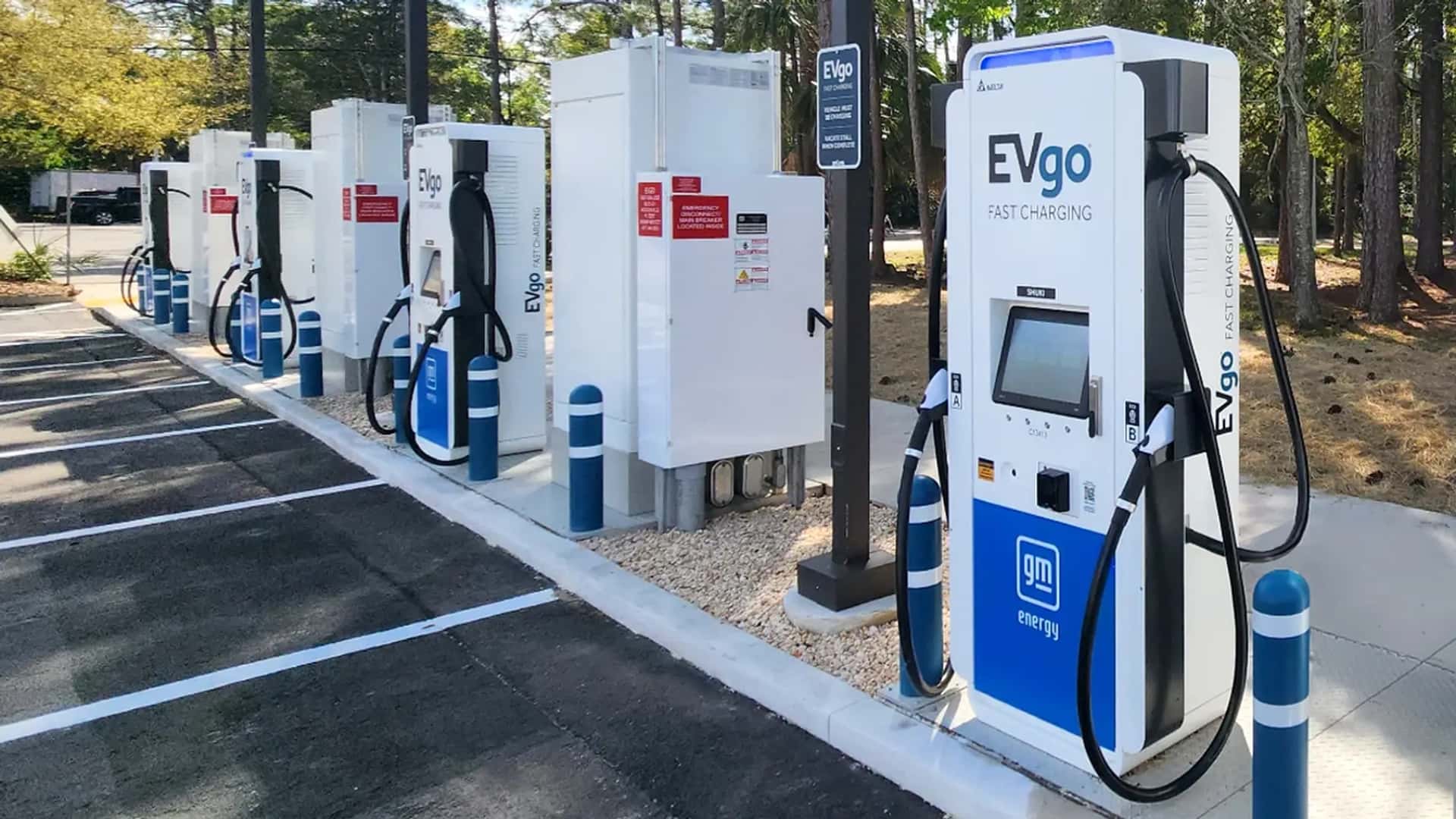
- EVgo, a prominent EV charging network in the U.S., is rolling out next-generation DC fast chargers capable of delivering up to 750 kilowatts of power, more than doubling its current maximum.
- These advanced EVgo 750 kW EV chargers will feature dynamic power sharing, ensuring each connected electric vehicle receives its optimal charging rate.
- The new infrastructure aims to future-proof the network for upcoming high-capacity EVs and heavy-duty electric trucks.
- Key innovations include touchless payment interfaces and an increased deployment of NACS ports to expand accessibility for more EV drivers.
- Expected to facilitate 10-minute charging sessions for the fastest-charging vehicles, this development marks a significant leap in charging speed and convenience for the rapidly growing electric vehicle market.
WASHINGTON D.C. – EVgo, one of the largest public electric vehicle (EV) charging networks across the United States, is poised to dramatically enhance its infrastructure with the deployment of next-generation fast chargers. The company’s new system, under intensive development and testing, promises to deliver an unprecedented 750 kilowatts (kW) of power, significantly surpassing its current maximum offering of 350 kW.
This substantial upgrade is expected to redefine the EV charging experience, addressing critical concerns around charging speed and efficiency. The move underscores a broader industry trend towards developing more robust and user-friendly charging solutions to support the accelerating adoption of electric vehicles.
Pushing the Boundaries of Charging Technology
The introduction of EVgo 750 kW EV chargers represents a major leap forward in electric vehicle charging capabilities. This power output is more than double what many leading fast chargers currently provide, signaling a commitment to not only meet but anticipate the evolving demands of the EV market.
EVgo, uniquely positioned as one of the few operators in the United States with the in-house capabilities to design and build its own hardware, is spearheading this innovation from its dedicated Innovation Lab in El Segundo, California. Here, engineers are meticulously crafting, developing, and rigorously testing these advanced chargers before their public rollout.
Key Features of the New Charging Stalls
While specific design details of the EVgo 750 kW EV chargers remain under wraps, the company has shared several pivotal features that will define the user experience and operational efficiency of these new units.
A notable enhancement is the integration of a touchless payment interface. This innovative feature will allow drivers to initiate and pay for charging sessions without the need to download a specific smartphone application, streamlining the process and reducing friction for consumers. This emphasis on user convenience is a critical factor in driving widespread EV adoption.
Furthermore, the new hardware will incorporate advanced dynamic power sharing capabilities. This intelligent system is designed to allocate power optimally to each connected electric vehicle. For instance, if a Lucid Gravity, capable of accepting higher power, and a Tesla Model 3, which has a different optimal charging rate, share the same charging stall, the system will dynamically distribute power.
In such a scenario, the Lucid Gravity could potentially receive up to 400 kW, while the Tesla Model 3 would draw approximately 250 kW, ensuring both vehicles charge at their maximum allowable rates simultaneously. This intelligent distribution maximizes efficiency and minimizes waiting times for all users, optimizing the overall throughput of the charging station.
Future-Proofing the National EV Charging Network
The strategic decision to introduce EVgo 750 kW EV chargers also reflects a concerted effort to future-proof the company’s extensive network. While there are currently no production EVs sold in the United States that can fully utilize the entire 750 kW capacity, the rapid pace of battery and charging technology development suggests this will change soon.
Globally, several electric vehicle models are already capable of accepting charging rates exceeding 1,000 kW, indicating the trajectory of the industry. By deploying such high-powered infrastructure now, EVgo is proactively preparing for the next generation of electric vehicles, ensuring its network remains relevant and capable for years to come.
This foresight is particularly critical for the burgeoning electric truck segment. Commercial electric vehicles, often equipped with massive battery packs, require enormous amounts of power to achieve reasonable charging times. The EVgo 750 kW EV chargers are perfectly suited to meet these high-power demands, potentially transforming the logistics and operational efficiency of electric truck fleets.
Concurrently, EVgo plans to significantly boost the deployment of North American Charging Standard (NACS) ports at its new stations. This move is projected to double the company’s addressable market in the near future, accommodating a wider range of EV models, including those from manufacturers who have committed to adopting the NACS connector.
Impact on EV Drivers and Market Landscape
For America’s growing population of EV drivers, these advancements translate directly into greater convenience and reduced range anxiety. According to EVgo, its new 750 kW system is expected to enable incredibly swift 10-minute charging sessions for the fastest-charging vehicles available in the country.
This rapid charging capability will bring the experience closer to traditional fuel stops, a key psychological barrier for many potential EV adopters. It also addresses the ongoing challenge of public charging availability and speed, which remains a critical factor in the broader transition to electric mobility.
While the United States has acknowledged that it has lagged behind some other developed nations in the overall pace of vehicle electrification, the domestic market still boasts a robust and continually expanding selection of fast-charging EVs. These vehicles, from a variety of manufacturers, stand to directly benefit from EVgo’s new high-powered stalls, enhancing their appeal and practicality for everyday use.
This investment in advanced infrastructure strengthens EVgo’s position as a leading player in the U.S. EV charging ecosystem. As of its latest report, EVgo operates nearly 2,000 DC fast charging stations across the United States, providing access to over 5,300 individual ports, according to data from the Department of Energy’s Alternative Fuels Data Center (AFDC).
The Road Ahead
The final design specifications for the EVgo 750 kW EV chargers are anticipated to be unveiled next year, with the first deployments slated to go online shortly thereafter. This phased rollout will allow the company to gather real-world data and further refine the technology before a broader expansion.
The sustained investment in such powerful and intelligent charging solutions by key industry players like EVgo is indispensable for fostering a robust and reliable EV charging infrastructure. This development is not merely about faster charging; it signifies a critical step towards creating an electric mobility ecosystem that is accessible, efficient, and capable of supporting the widespread adoption of electric vehicles for years to come.
Frequently Asked Questions (FAQ)
What is the maximum power output of EVgo’s new chargers?
EVgo’s next-generation charging system will be capable of delivering up to 750 kilowatts (kW) of power, significantly increasing its capacity from the current maximum of 350 kW, making it one of the most powerful public charging options available.
What is dynamic power sharing, and how does it benefit EV drivers?
Dynamic power sharing is a feature that allows EVgo 750 kW EV chargers to intelligently distribute power to multiple connected vehicles, ensuring each EV receives the maximum power it can handle. This optimizes charging times and improves overall station efficiency for all users.
Will current EVs be able to use the full 750 kW charging capacity?
Currently, no electric vehicles sold in the United States can accept the full 750 kW. However, this high capacity future-proofs the network for upcoming high-performance EVs and heavy-duty electric trucks that will require significantly faster charging.
What new features will these EVgo chargers offer besides increased power?
The new EVgo 750 kW EV chargers will feature a touchless payment interface, allowing drivers to pay for charging without needing a smartphone app. Additionally, EVgo plans to boost the deployment of NACS (North American Charging Standard) ports.
How will these new chargers impact charging times for EV drivers?
According to EVgo, the 750 kW system is expected to enable ultra-fast 10-minute charging sessions for the quickest-charging electric vehicles available. This will significantly reduce wait times and enhance the convenience of public EV charging.
Where are these new chargers being developed and tested?
EVgo is designing, developing, and testing these advanced chargers at its dedicated Innovation Lab located in El Segundo, California. This in-house capability highlights EVgo’s expertise in hardware development within the EV charging sector.
When can EV drivers expect to see these new chargers deployed?
The final design for the EVgo 750 kW EV chargers is expected to be unveiled next year, with the initial deployments slated to go online shortly thereafter. A broader rollout will follow as the technology is validated and refined.