
Key Takeaways:
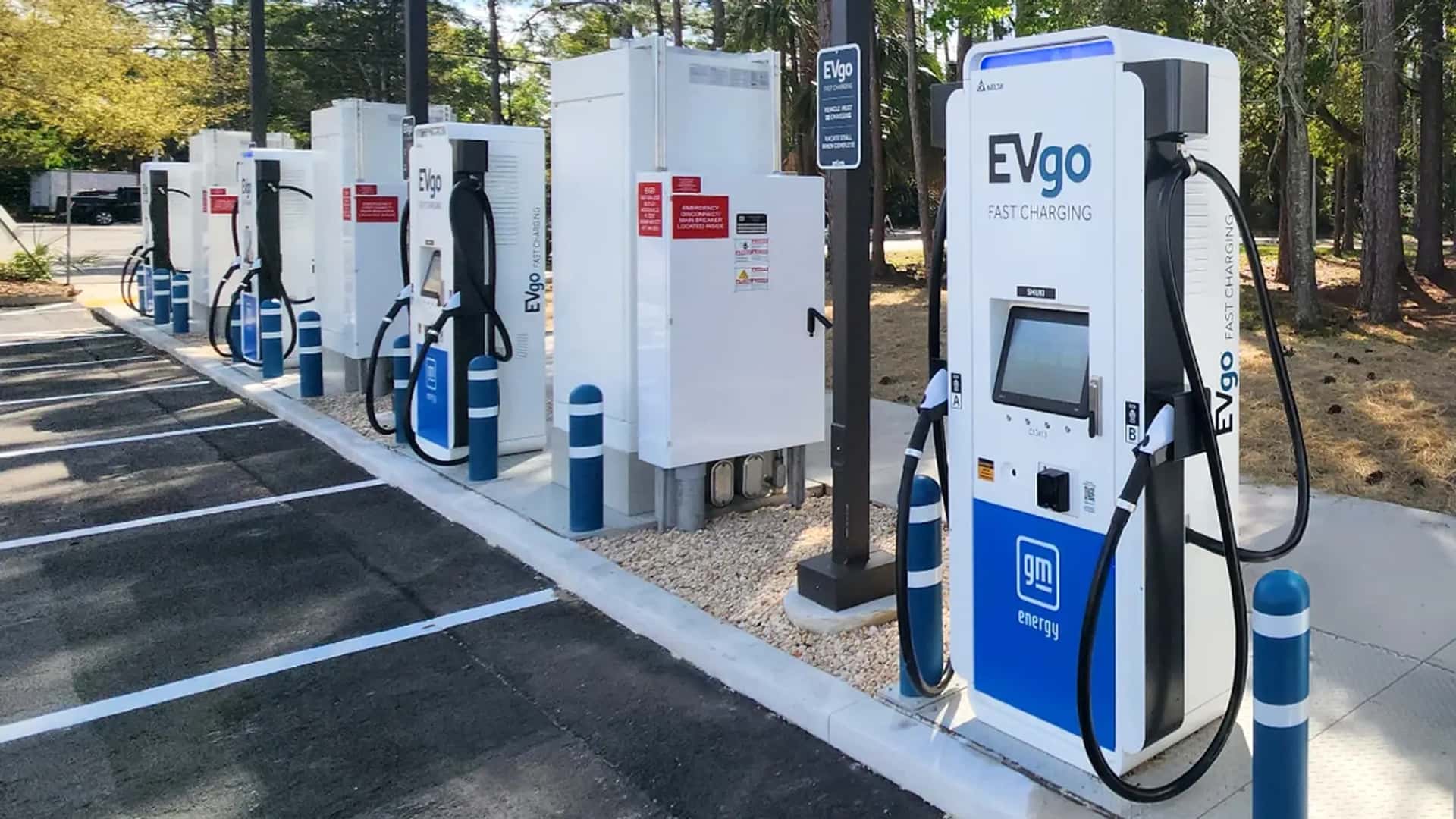
- EVgo, a prominent electric vehicle (EV) charging network in the United States, is significantly upgrading its infrastructure.
- The company is deploying next-generation DC fast chargers capable of delivering an unprecedented 750 kilowatts (kW) of power, more than double its current maximum.
- These advanced charging stalls will incorporate dynamic power sharing, ensuring optimal energy delivery to multiple connected EVs simultaneously.
- Future EVgo stations are also slated for increased integration of the North American Charging Standard (NACS) ports, broadening accessibility.
- This technological leap is projected to enable ultra-fast charging sessions, potentially reducing times to as little as 10 minutes for high-speed EVs.
- Designed and tested at EVgo’s Innovation Lab, these chargers signify a major step towards future-proofing the national EV charging landscape.
In a significant development poised to transform the electric vehicle charging landscape in the United States, EVgo, one of the nation’s largest public EV charging networks, has announced plans to introduce a new generation of high-power DC fast chargers. These cutting-edge units are engineered to deliver an impressive 750 kilowatts (kW) of power, a substantial upgrade that more than doubles the capacity of the company’s existing offerings.
This strategic enhancement underscores EVgo’s commitment to advancing electric vehicle charging network capabilities and addressing the growing demand for faster and more efficient charging solutions. The initiative is expected to significantly improve the user experience for a rapidly expanding base of EV owners across the country.
A Monumental Leap in Charging Capacity
The transition from EVgo’s current maximum of 350 kW to the new 750 kW system marks a monumental leap in fast charging technology. This increased power output is critical for the continuous evolution of electric vehicles, which are increasingly equipped with larger battery packs requiring higher power to charge quickly.
Such advanced high-power EV charging capabilities are essential to mitigate range anxiety and align the EV refueling experience more closely with traditional gasoline vehicle stops. The enhanced power will drastically shorten charging sessions, making EV ownership more practical and appealing for a wider demographic.
Engineering Innovation at El Segundo
The development of these next-generation chargers is taking place at EVgo’s dedicated Innovation Lab in El Segundo, California. This facility highlights EVgo’s unique position as one of the few operators in the United States possessing the in-house expertise and infrastructure to design, develop, and rigorously test its own charging hardware.
The lab serves as a crucial hub for pioneering advancements in DC fast charging technology, ensuring that EVgo remains at the forefront of the industry. This in-house capability allows for tailored solutions and rapid iteration in response to evolving market needs and technological breakthroughs.
Enhancing User Experience and Operational Efficiency
Beyond raw power, EVgo’s new 750 kW EV chargers are designed with user convenience and operational efficiency at their core. One notable feature is the integration of a touchless payment interface.
This innovative system will allow drivers to initiate and pay for charging sessions without the need to download a specific smartphone application, streamlining the process and reducing potential barriers to access. This focus on intuitive user interaction is central to making public charging more accessible and user-friendly.
Intelligent Power Distribution Explained
A key technological advancement in these new charging stalls is dynamic power sharing. This intelligent system is engineered to dynamically allocate power to multiple connected electric vehicles based on their individual charging capabilities and battery states.
For instance, if a high-capacity vehicle like a Lucid Gravity and a smaller EV such as a Tesla Model 3 are simultaneously connected to the same stall, the system will intelligently distribute power. The Lucid Gravity might receive up to 400 kW, while the Tesla Model 3 could draw around 250 kW, ensuring each vehicle receives the maximum power it can handle efficiently, without compromising the charging speed of the other.
Future-Proofing the Electric Vehicle Ecosystem
By deploying 750 kW chargers, EVgo is actively future-proofing its electric vehicle charging network. While currently, no EVs sold in the United States can accept the full 750 kW output, the automotive industry is rapidly progressing. Electric vehicles from overseas are already demonstrating capabilities to handle 1,000 kW or more.
This forward-thinking approach anticipates the increasing power demands of future EV models. The robust capacity of these new chargers will also be particularly beneficial for electric trucks and heavy-duty vehicles, which require substantial power to quickly replenish their large battery capacities, supporting the electrification of commercial fleets.
The Growing Importance of NACS Integration
In a strategic move to broaden accessibility and cater to a wider array of EV drivers, EVgo also plans to significantly boost the deployment of North American Charging Standard (NACS) ports at its new stations. This initiative is aimed at doubling EVgo’s addressable market in the near future.
The integration of NACS, a standard popularized by Tesla, is a critical step towards creating a more unified and interoperable EV charging infrastructure in the United States. This expansion will allow a greater number of electric vehicles, including many popular Tesla models, to seamlessly utilize EVgo’s rapidly expanding network.
Accelerating the Charge: Real-World Impact
The practical implications of EVgo’s 750 kW system are substantial for American EV drivers. According to the company, these advanced chargers are expected to facilitate 10-minute charging sessions for the fastest-charging vehicles available in the country.
This dramatically reduced charging time is a game-changer, addressing one of the primary concerns for potential EV adopters. It allows for quicker turnarounds at charging stations, making long-distance travel in electric vehicles more convenient and comparable to traditional fueling experiences.
Despite previous assessments suggesting the United States has lagged behind other developed nations in vehicle electrification infrastructure, these advancements by EVgo signify a strong commitment to catching up. The introduction of high-powered stalls will provide tangible benefits to the diverse selection of fast-charging EVs currently available on the market, enhancing their utility and appeal.
EVgo’s Expanding Footprint and Future Outlook
EVgo currently operates a vast network of nearly 2,000 DC fast charging stations across the United States, offering over 5,300 individual charging ports, according to data from the Department of Energy’s Alternative Fuels Data Center (AFDC). This substantial existing footprint provides a strong foundation for integrating the new 750 kW chargers.
Further details regarding the final design of the 750 kW system are expected to be unveiled next year, with the first deployments anticipated to go online in the same timeframe. This phased rollout will progressively enhance the capabilities of the national EV charging network, paving the way for a more electrified and sustainable transportation future.
FAQ Section
What is the maximum power output of EVgo’s new chargers?
EVgo’s next-generation system will be capable of delivering up to 750 kilowatts (kW) of power. This represents a significant increase from their current maximum offering of 350 kW, enabling much faster charging speeds for compatible electric vehicles.
How does dynamic power sharing work in the new chargers?
Dynamic power sharing intelligently allocates power to multiple connected EVs based on their individual charging capacities. For example, if two different EV models are charging simultaneously, each will receive the maximum power it can handle, optimizing the charging speed for both vehicles.
Why is EVgo integrating more NACS ports?
EVgo is boosting NACS port deployment to double its addressable market. Integrating the North American Charging Standard (NACS) allows a wider range of electric vehicles, particularly Tesla models, to utilize EVgo’s charging network, enhancing accessibility and convenience for more drivers.
What does ‘future-proofing’ mean in this context?
Future-proofing refers to designing the charging network to meet the demands of upcoming EV technologies. While no current US EVs can accept 750 kW, this capacity anticipates future electric vehicles with larger batteries and higher charging acceptance rates, including heavy-duty electric trucks.
What is the projected charging time for the fastest EVs with these new chargers?
The new 750 kW system is expected to enable incredibly fast charging sessions, potentially reducing charging times to as little as 10 minutes for the fastest charging electric vehicles currently available in the United States.
Where are these new chargers being developed?
The design, development, and testing of these new 750 kW chargers are being conducted at EVgo’s Innovation Lab, located in El Segundo, California. This facility underscores EVgo’s in-house capabilities in advanced charging technology.
When can EV drivers expect the first deployments of these 750 kW chargers?
While the final design details for the 750 kW system are set to be unveiled next year, EVgo anticipates that the first deployments of these high-power chargers will also go online during the coming year.
How many fast charging stations does EVgo currently operate?
According to the Department of Energy’s Alternative Fuels Data Center (AFDC), EVgo currently operates nearly 2,000 DC fast charging stations across the United States, providing over 5,300 individual charging ports to electric vehicle owners.