
Key Takeaways
- General Motors is implementing a new ‘propulsion-agnostic’ electrical and compute architecture, centralizing core vehicle functions into a single unit.
- This innovative platform, set to debut in the 2028 Cadillac Escalade IQ, will support both electric and traditional gasoline powertrains.
- The move aims to bring advanced software features, similar to Tesla’s Sentry Mode and Rivian’s Pet Mode, to GM’s entire vehicle lineup, including gas SUVs.
- GM’s new system promises significantly enhanced computing power, reduced wiring complexity, and faster cellular connectivity, improving overall vehicle responsiveness and update capabilities.
- By standardizing software across its diverse fleet, GM seeks to optimize development costs and accelerate the delivery of cutting-edge automotive technology.
The Dawn of Software-Defined Vehicles Across GM’s Portfolio
General Motors (GM) has announced a significant strategic shift, moving towards a ‘propulsion-agnostic’ electrical and compute architecture. This pivotal development aims to integrate advanced software features, commonly associated with electric vehicles (EVs) like Tesla and Rivian, into its broader product range, encompassing both forthcoming EVs and traditional gasoline-powered SUVs.
The automotive giant’s next-generation platform centralises vital vehicle operations within a single compute unit. This comprehensive system is engineered to manage a wide array of functions, from advanced autonomous driving capabilities and in-car artificial intelligence (AI) to critical powertrain management, marking a unified approach to vehicle technology.

Redefining Automotive Computing: A Centralised Approach
Modern software-defined vehicles (SDVs) inherently offer a multitude of advantages over conventional car designs. They are fundamentally simpler to construct, allow for quicker design iterations, and facilitate easier implementation of helpful software features through over-the-air (OTA) updates.
These benefits have been notably demonstrated by all-electric brands, particularly with functionalities like Sentry Mode in Teslas and Pet Mode in Rivians. Such innovations are now slated to reach a new and wider audience: buyers of traditional internal combustion engine (ICE) vehicles.
From Disparate ECUs to a Unified Central Compute Unit
The concept of a centralised computer architecture, while sounding technical, represents a fundamental shift in vehicle engineering. Traditionally, automobiles are built with dozens of individual Electronic Control Units (ECUs), each functioning as a dedicated computer for specific tasks.

These ECUs manage diverse systems, from the anti-lock braking system to seat motor controls. Critically, these units often operate in isolation, communicating via antiquated, low-throughput wiring looms that are prevalent in almost every gasoline car and many legacy EVs. This fragmented system is a primary reason why many software functions in traditional vehicles are often slow and lack sophistication.
Learning from Tesla’s Blueprint: Streamlining for Innovation
General Motors’ move draws parallels with the revolutionary approach pioneered by Tesla, particularly with the design of its Model 3. Tesla significantly minimised complexity by adopting a highly centralised computing strategy, resulting in a vehicle with over 70 fewer pounds of wiring compared to a typical car.
Instead of relying on dozens of disparate computers, the Model 3, for instance, operated with just two primary units. This streamlined architecture has enabled Tesla to offer an array of sophisticated software features, including Dog Mode for climate control, Camp Mode for overnight stays, Sentry Mode for continuous security surveillance, and one of the most advanced consumer driver assistance systems available today.
GM’s Ambitious Rollout: Bringing Software Advantages to All
GM’s ambition extends beyond merely replicating this playbook for its electric vehicle segment. Like a growing number of automakers worldwide, the company aims to apply this advanced approach across its entire product lineup. This strategy underscores a broader industry recognition of the immense value that software-defined capabilities bring to the driving experience.
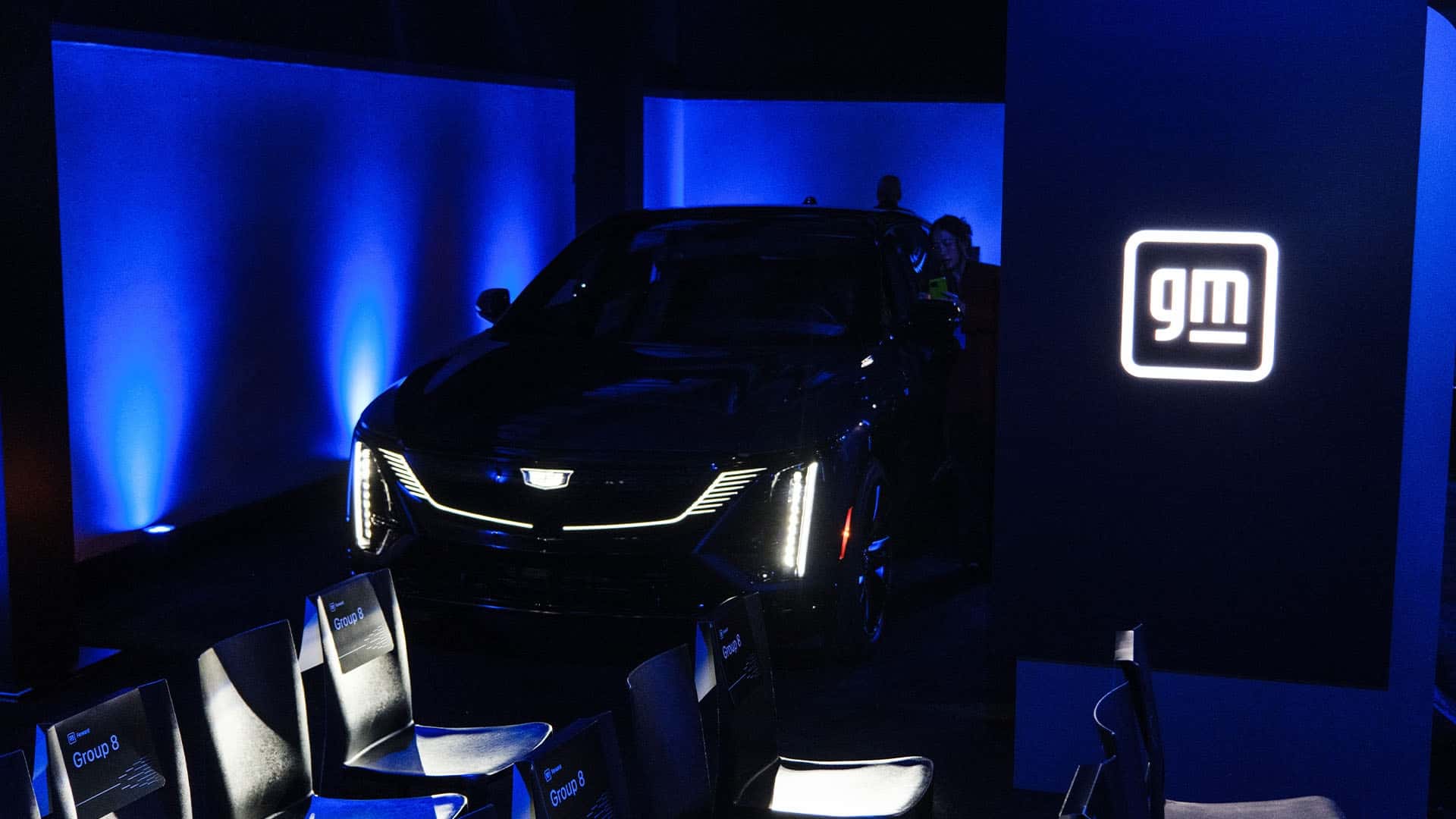
The new centralised computing system is scheduled to make its debut in the 2028 Cadillac Escalade IQ. Following this introduction, the architecture will rapidly expand its presence, rolling out to GM’s range of gas-powered full-size SUVs, its three-row crossovers, and its fourth-generation electric vehicles. This broad application signifies a concerted effort to standardise technological advancement across diverse powertrains.
Performance Gains and Connectivity Enhancements
The technical specifications released by GM highlight substantial improvements. The company states, “This propulsion-agnostic architecture delivers 40x more computing power with 30% less wiring length and mass, plus up to 50% faster cellular connectivity than our previous systems, for smoother streaming, quicker downloads and more responsive connected Services.”
These enhancements are designed to address core issues identified in GM’s current blended architectures. For instance, the improved responsiveness aims to resolve concerns such as slower app performance and middling advanced driver assistance systems that characterise some existing GM EV models. The adoption of this centralised platform is expected to facilitate a much more regular cadence for new functionalities and system updates.
Strategic Advantages: Volume and Cost Efficiency
Integrating both gas and electric products onto a singular, centralised platform directly addresses a critical challenge faced by legacy automakers: volume. Developing cutting-edge software capabilities that can rival those from innovators like Tesla and various Chinese brands is an inherently expensive undertaking.
By spreading these significant development costs across a larger volume of vehicles, regardless of their powertrain type, manufacturers can achieve greater cost efficiencies. GM, with its vast production scale, is particularly well-positioned to capitalise on these economies of scale.
Navigating a Competitive Landscape
While GM’s move is ambitious, it is not an isolated innovation in the automotive world. The global automotive industry is witnessing an intense race among manufacturers to develop and deploy advanced software-defined vehicle platforms. Companies such as BMW are already fielding combined gas and electric SDV platforms.
Ford is also set to launch its own true SDV platform before GM, albeit initially on a purely electric architecture. Furthermore, the vast majority of electric vehicles emerging from Chinese manufacturers are already built upon true SDV architectures, which are frequently shared across their plug-in hybrid and other gasoline-burning models. This competitive environment underscores that software-defined vehicles represent an undeniable future trajectory for the industry, irrespective of the underlying propulsion system.
Frequently Asked Questions (FAQ)
What are software-defined vehicles (SDVs)?
Software-defined vehicles (SDVs) are automobiles where the majority of features and functionalities are controlled by software rather than purely mechanical or hardware systems. This approach allows for greater flexibility, easier updates via over-the-air (OTA) technology, and the integration of advanced digital features, fundamentally transforming the driving experience.
What does ‘propulsion-agnostic’ mean in GM’s new architecture?
‘Propulsion-agnostic’ signifies that GM’s new electrical and compute architecture is designed to be compatible with multiple types of powertrains. This means the same core software and computing system can be used seamlessly in both electric vehicles (EVs) and traditional gasoline-powered cars, standardising features across the entire product line.
What benefits will GM’s new centralised compute unit bring to consumers?
Consumers can expect a host of benefits, including access to advanced software features like enhanced security camera functionality and sophisticated driver assistance systems. The new architecture promises smoother streaming, quicker downloads, more responsive connected services, and the ability to receive regular, meaningful over-the-air updates for new functionalities.
How does GM’s approach compare to Tesla’s software strategy?
GM is emulating Tesla’s pioneering strategy of using a highly centralised computing system, which significantly reduces wiring complexity and enhances software capabilities. Like Tesla, GM aims to bring advanced features such as ‘Sentry Mode’ and advanced driver assistance systems to its vehicles, standardising a sophisticated digital experience across its models.
When will GM’s new software architecture be available in vehicles?
GM’s new centralised software architecture is slated to debut with the 2028 Cadillac Escalade IQ. Following its introduction in this luxury EV, the technology will be rapidly rolled out across a broader range of GM’s portfolio, including its gas-powered full-size SUVs, three-row crossovers, and fourth-generation electric vehicles.
Why is this move significant for traditional automakers like GM?
For traditional automakers, this move is crucial for competitiveness and cost efficiency. By unifying software development across both EV and ICE platforms, GM can spread the high costs of developing advanced software features over a larger sales volume. This strategy helps them keep pace with new EV companies and Chinese manufacturers who often build on native SDV architectures.