
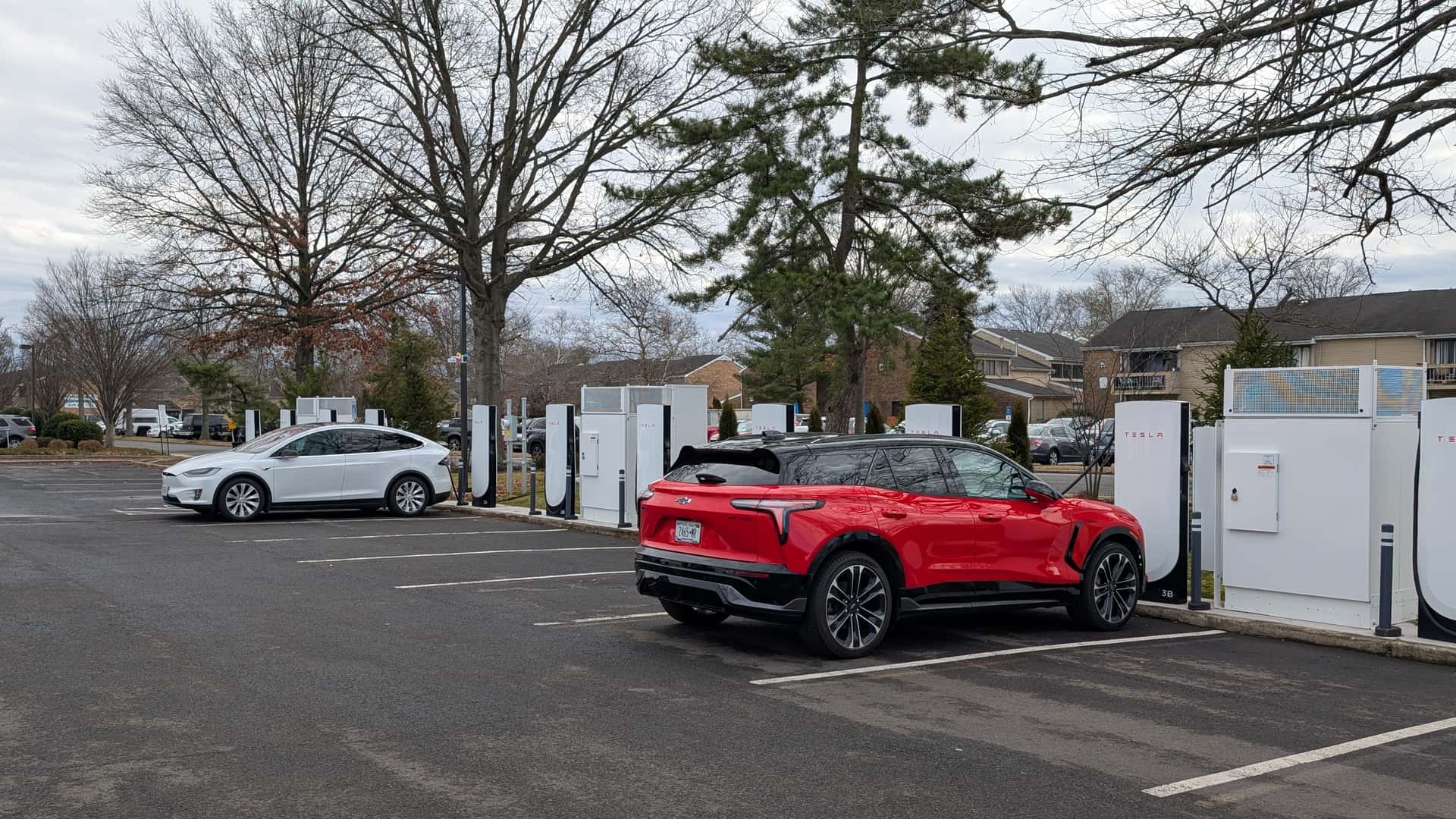
The widespread adoption of high-power, public fast-charging stations across North America may be contributing to a faster aging of electric vehicle (EV) batteries, according to a recent study. While convenient for drivers needing a quick charge, frequent use of these powerful stations could lead to increased battery degradation over time.
Fast Charging’s Impact on Battery Health
A comprehensive analysis conducted by Canadian research firm Geotab, which examined over 22,700 EVs across 21 different models, identified high-powered public fast-charging stations as the primary factor in accelerated battery aging. The study specifically highlights that certain charging patterns place significantly more stress on battery cells compared to slower charging methods.

Degradation Rates Vary by Charging Frequency and Power
The research indicates that consistently using Level 3 charging stations delivering over 100 kilowatts (kW) can result in degradation rates double those experienced when relying on slower Level 2 chargers or fast chargers operating below 100 kW. The study presented the following findings:
- EVs that used fast chargers for less than 12% of their total charging sessions showed an average annual degradation of 1.5%.
- Those using fast chargers for more than 12% of their total sessions experienced an average annual degradation of 2.5%.
- When owners utilized 100+ kW stations for over 40% of their charging sessions, the average annual degradation rose to 3.0%.
- Conversely, charging at speeds below 100 kW for under 40% of total sessions resulted in a more modest battery capacity drop of 2.2% annually.
This data suggests that a combination of high charging power and high frequency is the most detrimental to battery longevity. The study also noted that batteries naturally degrade fastest in their initial years, with the rate gradually decreasing over time.
Factors Influencing Battery Degradation
Geotab’s findings point to an increase in average battery degradation, estimating it at 2.3% for 2025, which would leave an average battery pack with approximately 81.6% of its original capacity after eight years. This is an increase from 1.8% in 2023 and aligns with the 2.3% average degradation seen in 2020. The firm attributes this rise to the expanding network of higher-powered charging stations across North America.

However, the study acknowledges that charging behavior is just one component of a complex system. Battery health is also influenced by factors such as cell chemistry, manufacturer design, driving habits, and environmental conditions like extreme temperatures. Modern EVs are equipped with thermal management systems, heat pumps, and preconditioning features to mitigate these effects.
Contrasting Study Findings and Manufacturer Safeguards
The Geotab report’s conclusions contrast with findings from a study by Recurrent, a battery health and data company. Recurrent’s analysis of 13,000 Teslas in the U.S. found no statistically significant difference in range between frequently fast-charged EVs and those primarily using slow charging. However, Recurrent noted a significant limitation in its study: a small sample size of frequently fast-charged vehicles (344) compared to infrequently fast-charged ones (over 13,000).
Automakers are aware of the potential impact of fast charging and have implemented safeguards. Battery management systems (BMS) automatically adjust charging speeds to prevent overheating and taper off power as the battery approaches full. Many manufacturers also recommend maintaining a state of charge between 10-80% for daily use, as consistently keeping batteries at very high or very low charge levels can accelerate aging. Additionally, EVs often include hidden buffer capacity at the top and bottom of the charge range to protect the battery from extreme states.
Recommendations for EV Owners
For EV owners prioritizing long-term range preservation, the study suggests minimizing reliance on high-powered fast chargers when not necessary. However, it also reassures that frequent fast charging is not inherently damaging. Even with moderate degradation, an EV like a Tesla Model Y Premium could still retain approximately 285 miles of range after eight years, remaining highly usable.
Unless subjected to constant, high-power fast charging, severe degradation is considered unlikely, a conclusion supported by several other studies. Following manufacturer recommendations and understanding that fast charging typically does not void battery warranties (which are generally eight years or 100,000 miles in the U.S.) are key takeaways. Drivers are advised to utilize slower chargers when feasible and not to worry excessively about occasional fast-charging stops, as modern EVs are engineered with robust systems to maintain battery health over many years.