
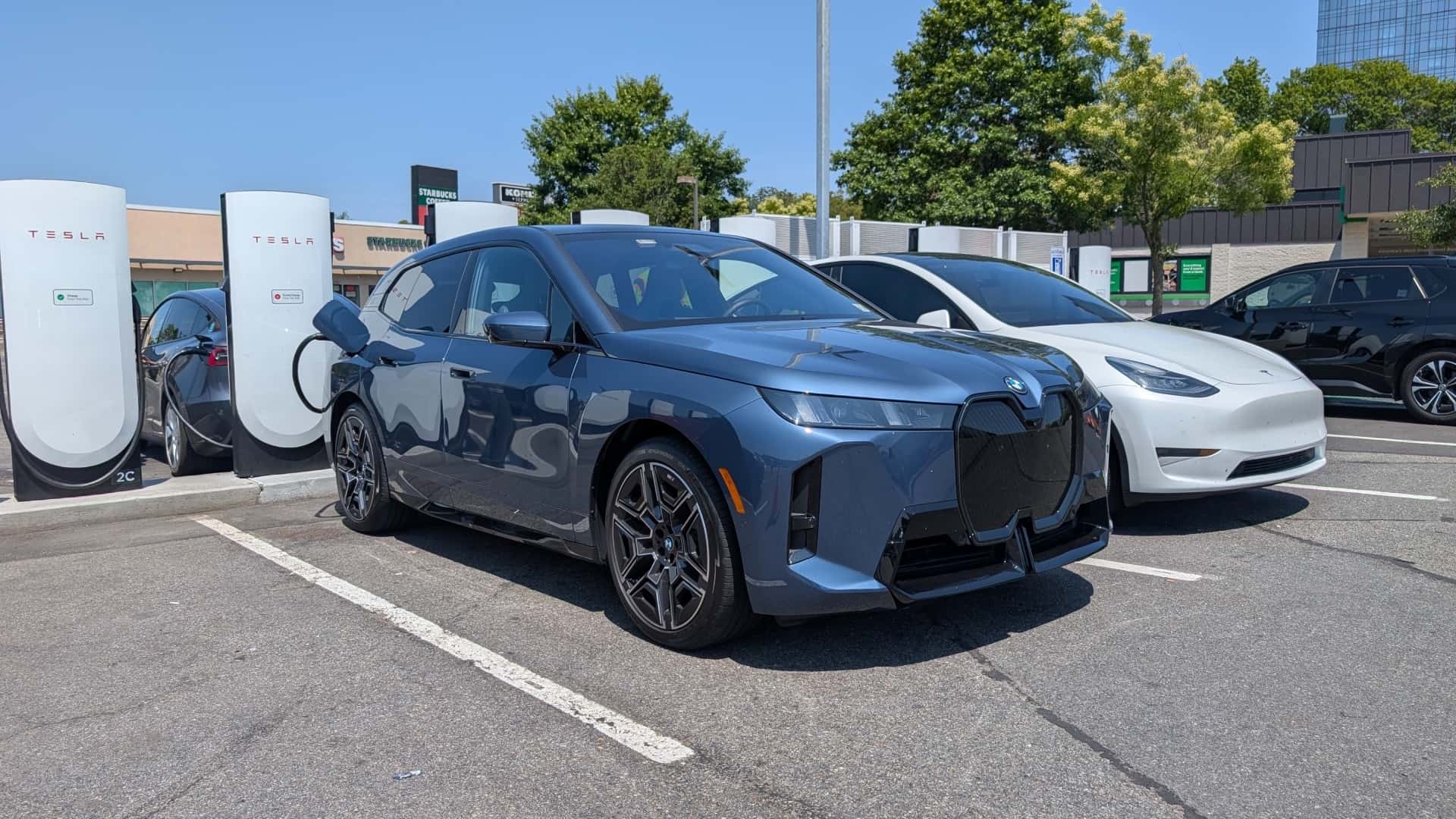
EV Drivers Rank Charging Network Reliability: Tesla Leads, But All Networks Surprise
San Diego, CA – A recent survey of electric vehicle (EV) owners reveals that while Tesla Superchargers remain the benchmark for reliability, the overall performance of public charging networks is exceeding driver expectations. The findings suggest a significant positive shift in the real-world dependability of EV charging infrastructure.
Drivers’ Perceptions and Experiences Measured
A survey conducted by Escalent, which polled 209 EV drivers, delved into perceptions and actual experiences with public EV charging networks. Participants were asked to rate the expected reliability and the experienced reliability of various charging networks on a scale of 1 to 5, with 5 being the highest.

Tesla Superchargers Emerge as the Clear Leader
Unsurprisingly, Tesla’s Supercharger network secured the top spot in the reliability rankings. Tesla has long been recognized for its robust and user-friendly charging infrastructure, offering a seamless experience, particularly for Tesla vehicle owners.
The survey data indicates that Tesla’s reputation for reliable and ubiquitous chargers holds true in the eyes of EV drivers. This consistent performance is a key factor in the brand’s strong standing among consumers.
Overall Satisfaction Outpaces Expectations
Despite the clear lead held by Tesla, the survey also presented encouraging news for the broader EV charging industry. When asked about their general satisfaction with public charger reliability, most drivers reported a high level of contentment.

A significant 45% of respondents rated their satisfaction with public charger reliability as a perfect 5 out of 5. Furthermore, 29% gave their experience a 4 out of 5. Only a small fraction, 2%, expressed being “very dissatisfied” (a rating of 1).
It is important to note that the survey sample may be influenced by the high percentage of Tesla owners (51%) among the respondents. Tesla vehicles typically offer a more integrated and straightforward charging experience, which could contribute to higher overall satisfaction scores.
Bridging the Gap Between Expectation and Reality
A crucial finding from the Escalent survey is that all major charging networks performed better in terms of *experienced* reliability over the past six months than in *expected* reliability. This suggests a notable discrepancy between public perception of charger dependability and the actual, real-world performance drivers are encountering.
This positive gap indicates that consumers often anticipate more issues with public charging stations than they actually experience. The improving infrastructure is evidently making a tangible difference in daily EV ownership.
A Personal Perspective on Infrastructure Improvement
The author, having been involved in reporting on EVs for the past two years, has personally witnessed substantial improvements in America’s public charging infrastructure. The proliferation of charging stations and the replacement of older, less reliable units with newer, more dependable ones in areas like San Diego have been evident.
This firsthand observation aligns with the survey’s findings. The author’s personal experience with major networks like Electrify America, EVgo, and Tesla Superchargers has become increasingly positive. Minor issues, such as occasional payment processing hiccups, have been encountered, but significant charge failures have been rare.
One notable exception occurred during a widespread Amazon Web Services outage, which temporarily impacted the author’s ability to charge an Ioniq 5 XRT at a Supercharger station. However, this was an external system failure rather than a fault of the charging network itself.
The Road Ahead for EV Charging Reliability
The data and anecdotal evidence point towards a converging reality: public EV charging is becoming as dependable as traditional gasoline fueling. While gas stations can still face issues like broken card readers or unavailable pumps, drivers generally expect to be able to refuel at a reputable station.
The author feels that public fast charging is approaching this level of reliability. With the availability of multiple charging stalls at a location, concerns about finding a working charger are diminishing. If the current pace of improvement continues, EV drivers nationwide can likely anticipate a consistently reliable charging experience.
The trend suggests that the initial anxieties surrounding public EV charging infrastructure are steadily being replaced by confidence, driven by tangible improvements in network performance and availability.
Contact the author: Mack.Hogan@insideevs.com