
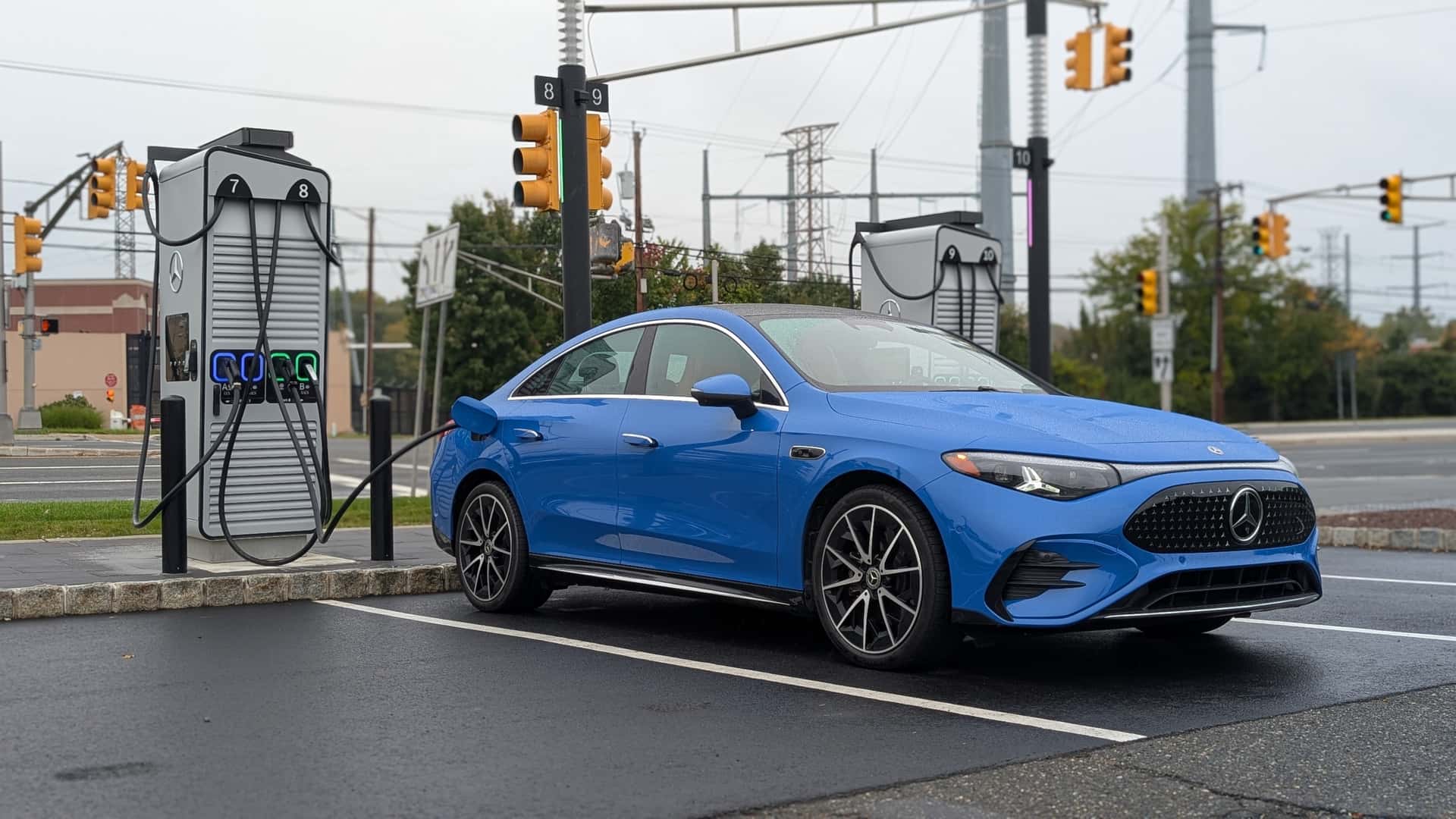
As millions across the United States prepare for holiday travel, electric vehicle (EV) owners face a unique set of considerations to ensure a smooth journey. While modern EVs boast impressive range capabilities, the sheer volume of vehicles on the road, coupled with anticipated queues at public charging stations, necessitates strategic planning. This comprehensive guide, informed by years of industry experience, provides crucial insights and actionable EV road trip tips to navigate peak travel periods with confidence and minimal disruption.
From optimising pre-departure charging to understanding network compatibility, preparation is key. The following strategies aim to transform potential challenges into a seamless and enjoyable electric vehicle travel experience, ensuring drivers reach their destinations recharged and relaxed.

Key Takeaways for Your EV Holiday Road Trip
- Anticipate longer waiting times at public charging stations during holiday peak periods due to high demand.
- Prioritise fully charging your EV at home or a fast charger the night before your journey to avoid initial delays.
- Utilise dedicated EV route planning applications to optimise your travel path for range efficiency and charging availability.
- Equip yourself with necessary charging adapters (NACS, CCS) and pre-installed charging network apps to maximise compatibility and expedite transactions.
- Practice good charging etiquette by limiting public fast charging to 80% to ensure fair access and reduce overall wait times for other travellers.
- Embrace charging stops as opportunities for essential rest and refreshment, contributing to safer and more enjoyable EV road trips.
Strategic Preparation: Pre-Journey EV Charging Essentials
The week leading up to major holidays, such as Thanksgiving, typically sees a dramatic increase in road traffic. This surge inevitably impacts public charging infrastructure, leading to longer queues and potential frustration for electric vehicle owners. While advancements in EV technology have largely mitigated traditional ‘range anxiety,’ the logistical challenges of high-demand periods remain.
One of the most effective EV road trip tips for mitigating these issues is meticulous pre-trip charging. For individuals with access to home charging, simply plugging in your vehicle overnight ensures a full battery and an immediate start to your journey. This eliminates the initial scramble for a public charger amidst early morning rush.
Leveraging Off-Peak Charging for Efficiency
For those without home charging capabilities, or embarking on an extended journey requiring multiple charges, consider utilising a DC fast charger the evening before travel. Charging during off-peak hours—typically late evening or early morning—can significantly reduce wait times and improve overall efficiency. Many fast-charging networks also offer discounted rates during these less-busy periods, translating into tangible cost savings for the discerning EV driver.
DC fast charging, while continuously improving in speed, still requires more time than a conventional refuel. During peak travel times, a typical 20-30 minute charging stop, multiplied across numerous vehicles, can quickly create bottlenecks. Proactive charging the night before is a fundamental step in ensuring a stress-free start to your electric vehicle adventure.
Optimising Your Route with Advanced EV Planning Tools
While a familiar route may seem like the most straightforward option, it might not always be the most energy-efficient for an electric vehicle. EVs exhibit varying energy consumption based on factors such as speed, elevation changes, and external temperatures. Higher speeds and uphill climbs, for instance, can noticeably reduce a vehicle’s effective range.
Incorporating a dedicated EV route planner into your travel preparations is an indispensable strategy. Applications such as A Better Route Planner, Plugshare, and even integrated features within Google Maps, are designed to consider the unique characteristics of electric vehicles. These platforms can suggest alternative routes that might be slightly longer in distance but offer flatter terrain or lower speed limits, ultimately conserving battery power and extending range.
Intelligent Navigation for Seamless Journeys
These sophisticated route planners go beyond simple navigation. They factor in your specific vehicle’s efficiency, your desired state of charge upon arrival, and real-time road conditions to recommend optimal charging stops. Users can often input their driving style, real-world efficiency data, and even preferred break intervals to fine-tune the plan. This proactive approach ensures drivers are never caught in an uncomfortable situation, lacking either sufficient range or access to suitable charging infrastructure.
By leveraging these tools, EV owners can undertake long-distance travel with enhanced confidence, transforming what might otherwise be a guessing game into a thoroughly calculated and efficient journey. This is one of the most vital EV road trip tips for navigating unfamiliar territories or challenging conditions.
Ensuring Connectivity: Apps, Adapters, and Network Versatility
The Sunday following a major holiday, such as Thanksgiving, is frequently cited as the busiest travel day of the year. This period presents a heightened likelihood of encountering crowded charging stations and potential compatibility issues. A comprehensive approach to charging network access is therefore paramount for a smooth EV road trip.
Preparing for Diverse Charging Ecosystems
During route planning, pay close attention to the specific charging networks and connector types available at your planned stops. Highway service areas and travel plazas are increasingly hosting multiple competing charging providers, ranging from Tesla Superchargers to Ionna Recharger, EVGo, Circle K, or Shell Recharge stations. Each of these networks typically requires its own dedicated mobile application for initiation and payment.
To avoid fumbling with downloads and account setups at a busy station, it is strongly recommended to research the charging companies along your route in advance. Download their respective apps and set up payment methods before you depart. This proactive measure can save significant time and alleviate stress when you finally arrive at a charging point.
The Indispensable Role of Charging Adapters
The evolution of charging standards, particularly with the widespread adoption of the North American Charging Standard (NACS), alongside the existing Combined Charging System (CCS), underscores the importance of adapter compatibility. While many newer stations are integrating NACS ports, and some older ones may be retrofitted, a universal standard is not yet fully prevalent across all regions and networks.
Carrying both NACS and CCS adapters, if your vehicle supports them, provides critical flexibility. This ensures that regardless of the available port at a busy station, your electric vehicle can connect and charge. This simple addition to your travel kit can prevent considerable headaches and wasted time searching for a compatible charger, embodying a crucial aspect of effective EV road trip tips.
Practicing Responsible Charging Etiquette for Community Benefit
During periods of high demand, individual actions at charging stations have a collective impact. Practicing good charging etiquette is not just a courtesy; it’s a vital component of keeping the charging infrastructure flowing efficiently for all users. The primary guideline here is to avoid charging beyond 80% when others are waiting.
Understanding Charging Curves and Efficiency
Most electric vehicle batteries exhibit a phenomenon where charging speeds slow down significantly once the battery surpasses the 80% state of charge. Reaching 80% might take approximately 15-20 minutes on a fast charger, but the remaining 20% to reach 100% could take an additional 20 minutes or even much longer, depending on the vehicle and charger specifications. This disproportionate time investment for minimal gain can exacerbate queues during busy holiday periods.
By unplugging and moving your vehicle once it reaches 80% (or sufficient charge for the next leg of your journey), you free up the charger for the next waiting driver. This not only demonstrates consideration for fellow travellers but can also be more efficient for your own trip. If you anticipate needing more charge later, it is often quicker to perform two shorter charges closer to 80% than one extended charge to 100% during peak times.
Embracing the Journey: The Inherent Value of Rest Stops
While much of the focus on EV road trip tips revolves around minimising charging time, it is equally important to recognise and appreciate the inherent value of these extended stops. Unlike the brief pause required for petrol vehicles, EV charging inherently encourages a longer break, which can be immensely beneficial for driver safety and overall well-being.
A 15-30 minute charging interval provides a natural opportunity for drivers to step away from the wheel, stretch their legs, use restroom facilities, grab a snack, or simply decompress. This enforced pause can significantly reduce driver fatigue, enhancing alertness and making the entire journey safer and more enjoyable. Rather than viewing charging as a delay, consider it an integrated component of a mindful and relaxed travel experience. Utilising an EV’s characteristics to your advantage is a key aspect of stress-free travel.
The Evolving Landscape of Electric Vehicle Travel
The landscape of electric vehicle travel has undergone a remarkable transformation in recent years. Since as recently as 2021, both vehicle range capabilities and the density and reliability of charging infrastructure have seen substantial improvements. What was once considered a challenging or even impossible feat for many has now become a far more accessible and practical reality for the majority of drivers.
With the continuous advancement of smart applications, expanding charging networks, and increasingly efficient electric vehicles, long-distance EV road trips are no longer a novelty but a common and convenient mode of holiday travel. However, as with any journey, a degree of preparedness and strategic planning remains crucial. By adhering to these expert EV road trip tips, drivers can confidently embark on their holiday adventures, knowing they are well-equipped for the road ahead.
Frequently Asked Questions about EV Holiday Road Trips
Q1: How can I avoid long queues at EV charging stations during holidays?
To minimise wait times, fully charge your EV at home or a fast charger the night before your journey. Utilise route planning apps to identify less congested charging stops. Consider charging during off-peak hours, typically late evenings or early mornings, which may also offer cost savings.
Q2: What is the most important item to bring for an EV road trip?
Besides your vehicle and charging cable, bringing appropriate charging adapters (NACS and CCS) is crucial. These ensure compatibility with a wider range of public charging stations, preventing issues if your preferred charger is busy or incompatible with your vehicle’s native port.
Q3: Why should I not charge my EV past 80% at a public fast charger?
Charging speeds decrease significantly beyond 80% state of charge, meaning the final 20% takes disproportionately longer. Limiting your charge to 80% allows you to quickly free up the station for other waiting drivers, improving overall efficiency for everyone during busy travel periods.
Q4: Can route planning apps really help with EV range management?
Yes, advanced EV route planning apps are invaluable. They consider factors like your vehicle’s efficiency, elevation changes, speed limits, and even weather to suggest the most energy-efficient routes and pinpoint optimal charging stops, significantly reducing range anxiety.
Q5: Is it safe to take an EV on a long road trip during winter holidays?
Absolutely. Modern EVs are well-suited for long trips. However, cold weather can temporarily reduce battery range and charging speeds. It’s crucial to factor this into your route planning, ensure your battery is pre-conditioned, and locate reliable charging options along your chosen path.
Q6: Should I download multiple charging network apps before my trip?
Yes, it’s highly recommended. Different charging stations belong to various networks (e.g., Tesla, Ionna, EVGo), each often requiring its own app for activation and payment. Pre-installing these apps and setting up accounts streamlines the charging process at any station you encounter.