
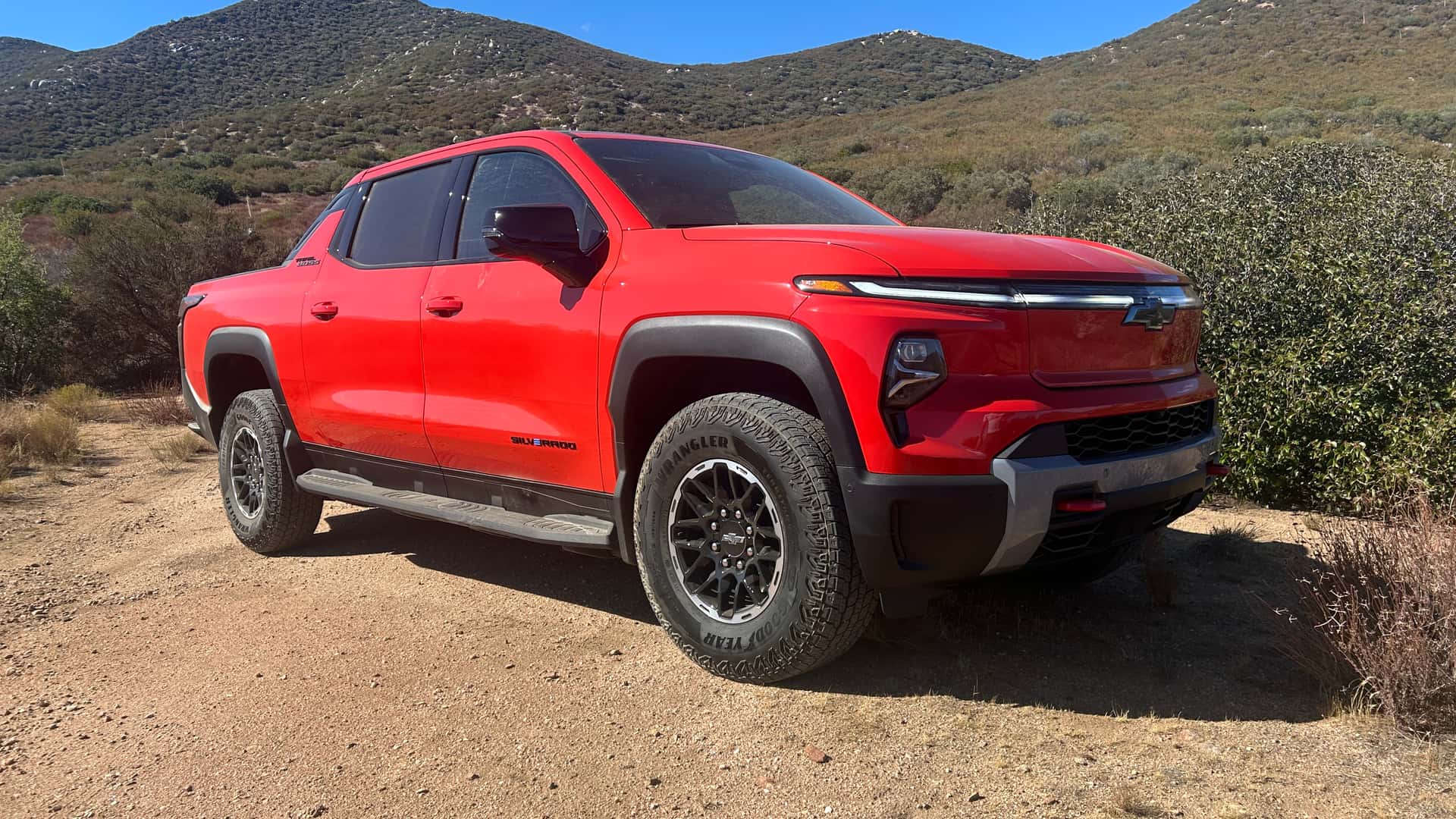
General Motors (GM) has announced a significant step towards a more sustainable future for electric vehicles (EVs), revealing its new electric Cadillac, Chevrolet, and GMC models will now incorporate batteries made with recycled materials. This move, part of a new pilot program, marks a crucial advancement in creating a circular economy for EV components, addressing both environmental concerns and supply chain efficiencies within the burgeoning electric vehicle sector.
The automotive giant confirmed on Tuesday that it has commenced installing these innovative batteries, which feature materials recovered from end-of-life battery packs, into its latest electric offerings. This initiative underscores the industry’s commitment to reducing its environmental footprint and optimizing resource utilization in EV battery manufacturing.
Key Takeaways (TL;DR)
- General Motors has launched a pilot program integrating recycled battery materials for new EVs, including Cadillac and Chevrolet models.
- The initiative successfully recovered 95% of nickel, cobalt, manganese, and 80% of lithium from old batteries.
- GM partnered with Cirba Solutions to process 80 end-of-life batteries, yielding 12 metric tons of new cathode active material.
- New cells made with these recycled materials meet GM’s stringent quality, safety, and performance standards, matching virgin material performance.
- The program contributes to lowering battery costs, reducing reliance on new mineral extraction, and shrinking the overall environmental footprint of EVs.
- Beyond primary use, GM is also exploring second-life applications for EV batteries in energy storage, working with Redwood Materials.
- This reflects a broader industry trend, with automakers like Porsche, Rivian, and Tesla also investing heavily in EV battery recycling and reuse technologies.
General Motors Pioneers EV Battery Recycling
The announcement from General Motors represents a tangible shift towards closing the loop in electric vehicle production. By actively reusing materials from previously utilized battery packs, GM is setting a precedent for sustainable manufacturing practices, aiming to extend the lifecycle of critical resources vital for EV technology.
The Pilot Program: From Old Packs to New Vehicles
The pilot program demonstrates GM’s capability to recover and reintroduce valuable materials into its battery supply chain. Specifically, the initiative has seen the successful integration of these recycled battery materials for new EVs such as the Cadillac Lyriq, Vistiq, Escalade IQ and IQL, the Chevrolet Silverado EV Trail Boss, and the GMC Sierra EV AT4. This means that these cutting-edge vehicles, destined for customers, will be powered by a more sustainable form of energy storage.
This is not merely a laboratory exercise; the batteries are already being deployed in production vehicles. This rapid transition from pilot to application highlights GM’s commitment to tangible, real-world solutions for EV sustainability. The ability to directly incorporate these materials into new models underscores the maturity and effectiveness of their recycling processes.
Economic and Environmental Imperatives of Recycling
The core component of any electric vehicle is its battery, which also happens to be its most expensive part. This high cost is largely due to the precious and often scarce critical minerals—such as lithium, nickel, cobalt, and manganese—required for their construction. The process of mining these raw materials is not only capital-intensive but also carries significant environmental costs, including habitat disruption, water usage, and greenhouse gas emissions.
General Motors has highlighted that EV battery recycling can recover approximately 95% of nickel, cobalt, and manganese, along with 80% of lithium. At a significant scale, such recovery rates hold immense potential to drive down battery manufacturing costs. This reduction directly translates to more affordable EVs for consumers, accelerating market adoption. Furthermore, it substantially diminishes the automotive industry’s reliance on new mineral extraction, mitigating the ecological damage associated with traditional mining practices. This closed-loop approach is fundamental to shrinking the overall carbon footprint of EV production.
Unpacking the Recycling Process: From Cells to New Cathodes
The journey of an end-of-life EV battery to becoming a component in a new vehicle is complex yet highly efficient. General Motors collaborated with battery recycling specialist Cirba Solutions for this pilot, demonstrating a sophisticated process of material recovery and regeneration.
The Role of “Black Mass” and Chemical Transformation
As part of the pilot, Cirba Solutions processed 80 end-of-life batteries, successfully recovering what is known as “black mass.” This dark, powdery mixture is a crucial intermediate product, containing a concentrated blend of valuable cathode and anode materials, including lithium, nickel, cobalt, manganese, and graphite.
While rich in essential minerals, black mass is not directly reusable. It must undergo rigorous chemical processing to purify and separate the individual elements, transforming them into a high-purity form suitable for new battery manufacturing. This refined material is then converted into new cathode active material (CAM).
The cathode is the positive electrode of a battery cell, where charged particles travel during discharge, and its material composition largely defines the battery’s chemistry—such as Lithium Iron Phosphate (LFP) or Nickel Cobalt Aluminum (NCA). Anodes, the negative electrodes, are typically composed of graphite, sometimes augmented with silicon. The ability to produce new, high-quality CAM from recycled black mass is a cornerstone of effective EV battery recycling.
In this pilot, the recovered black mass yielded 12 metric tons of new cathode active material, which was notably made with 100% recycled nickel, cobalt, and manganese. This material was then integrated into brand-new battery cells, which subsequently found their way into GM’s production vehicles.
Ensuring Quality and Performance
A critical aspect of utilizing recycled battery materials for new EVs is ensuring that these components meet the same stringent performance and safety standards as those made from virgin materials. Kurt Kelty, General Motors’ Vice President of Battery and Sustainability, affirmed the success of this validation process.
He stated in a social media post, “This new cathode active material was validated to the same high quality, safety and performance standards required for use in an electric vehicle, and cells made with recycled materials performed as well as those made from virgin material.” This assurance is paramount for consumer confidence and underscores the viability of sustainable battery solutions without compromising vehicle quality or safety.
Beyond the Road: Second-Life Battery Applications
The lifecycle of an EV battery extends beyond its primary use in a vehicle. Even when a battery’s capacity degrades to the point where it’s no longer optimal for automotive applications, it often retains sufficient charge-holding capability for other uses. This concept, known as “second-life” applications, is a vital step before full material recycling, maximizing the utility of every battery.
Extending Utility in Energy Storage
One prominent second-life application is in stationary energy storage systems. These systems can store excess renewable energy from solar or wind installations, providing grid stability and backup power. General Motors is actively engaged in this area, collaborating with battery recycling company Redwood Materials to deploy approximately 10,000 used EV batteries for various energy storage solutions.
This strategic approach not only adds value to older batteries but also supports the broader transition to renewable energy. Once these second-life batteries finally reach the absolute end of their usable life, they can then be efficiently fed into the recycling stream. This ensures that their constituent materials are recovered and repurposed for new cells, thereby reinforcing the circular economy model and the continuous use of recycled battery materials for new EVs.
A Growing Industry Trend: Other Automakers Join the Circular Economy
The automotive industry at large is recognizing the indispensable role of EV battery recycling and reuse in achieving long-term sustainability goals. General Motors’ initiative is part of a wider, global movement among leading manufacturers to embrace a circular economy model for their electric vehicle portfolios.
Porsche’s Ambitious Plans
Luxury sports car manufacturer Porsche has also made significant strides in this domain. Last week, the company announced the successful production of prototype battery cells that incorporate recycled materials. Porsche’s ambitious timeline aims to integrate these sustainably produced cells into its production vehicles by 2028, showcasing a commitment to environmental stewardship even within the high-performance segment.
Rivian and Tesla’s Contributions to Sustainability
Electric truck and SUV maker Rivian is another key player actively contributing to this trend. In partnership with Redwood Materials, Rivian is implementing second-life batteries to power its manufacturing facility in Illinois. This innovative approach reduces the factory’s reliance on grid electricity and demonstrates practical applications of repurposed EV components, further validating the utility of used batteries.
Tesla, a pioneer in the mass production of EVs, has long maintained a robust battery recycling program. Given its extensive history in scaling EV manufacturing, Tesla has accumulated significant expertise in this area. In a recent blog post, the company affirmed its dedication to sustainability, stating it is “working to reduce our reliance on newly mined critical materials.” Tesla reported recycling thousands of metric tons of material in 2025 through its own facilities and third-party partners, emphasizing, “Wherever possible, we return these materials to our battery supply chain, refining them into components for new batteries.” These efforts collectively highlight a definitive industry shift towards integrating recycled battery materials for new EVs across the board.
The Future of Sustainable EV Manufacturing
The progress made by General Motors and other leading automakers signals a promising future for sustainable electric vehicle manufacturing. As the global demand for EVs continues to surge, the importance of robust EV battery recycling infrastructure and efficient material recovery processes will only intensify.
Scaling Up for a Greener Automotive Sector
The ability to effectively recover and reuse critical minerals not only insulates manufacturers from volatile raw material markets but also significantly reduces the environmental burden of sourcing new materials. This holistic approach supports the broader transition to a low-carbon economy, offering a blueprint for how industries can innovate towards truly sustainable production cycles.
The expansion of programs that integrate recycled battery materials for new EVs will be crucial in building a resilient and environmentally responsible automotive sector. This circular model ensures that the benefits of electrification are realized at every stage, from production to end-of-life, paving the way for a greener, more sustainable mobility future.
FAQ Section
What are recycled battery materials for new EVs?
Recycled battery materials are critical minerals like lithium, nickel, cobalt, and manganese recovered from used electric vehicle batteries. These materials undergo processing to be re-introduced into the manufacturing of new EV battery cells, reducing the need for virgin raw material extraction and supporting a circular economy.
Which General Motors models are using these recycled batteries?
General Motors is incorporating batteries with recycled materials into several new EV models. These include the Cadillac Lyriq, Vistiq, Escalade IQ and IQL, the Chevrolet Silverado EV Trail Boss, and the GMC Sierra EV AT4, making sustainability a core part of their next-generation electric lineup.
What percentage of materials can be recovered from old EV batteries?
According to General Motors, current EV battery recycling processes can recover substantial amounts of critical minerals. Specifically, up to 95% of nickel, cobalt, and manganese, and 80% of lithium can be extracted and reprocessed for use in the production of new battery cells.
What is “black mass” in battery recycling?
Black mass is a dark, powdery mixture of cathode and anode materials, including lithium, nickel, cobalt, manganese, and graphite, obtained after shredding and initial breakdown of used batteries. It’s a crucial intermediate product that requires further chemical processing to yield purified, reusable individual elements for new battery manufacturing.
Do recycled batteries perform as well as new ones?
Yes, General Motors has rigorously validated that battery cells made with recycled cathode active material meet the same high quality, safety, and performance standards as those made from virgin materials. This ensures that new EVs powered by recycled battery materials for new EVs deliver equivalent reliability and efficiency to consumers.
What are “second-life” applications for EV batteries?
Second-life applications involve repurposing used EV batteries for less demanding roles after their automotive lifespan, typically in stationary energy storage systems. These batteries can still provide valuable service, such as storing renewable energy or providing grid support, before ultimately being sent for material recycling to recover critical minerals.