
Key Takeaways (TL;DR)
- Polestar has reduced its greenhouse gas (GHG) emissions per car sold by 31% since 2020, while simultaneously increasing annual retail sales to over 60,000 vehicles.
- This reduction is attributed to increased use of renewable energy in battery production and manufacturing, alongside the integration of low-carbon materials across its supply chain.
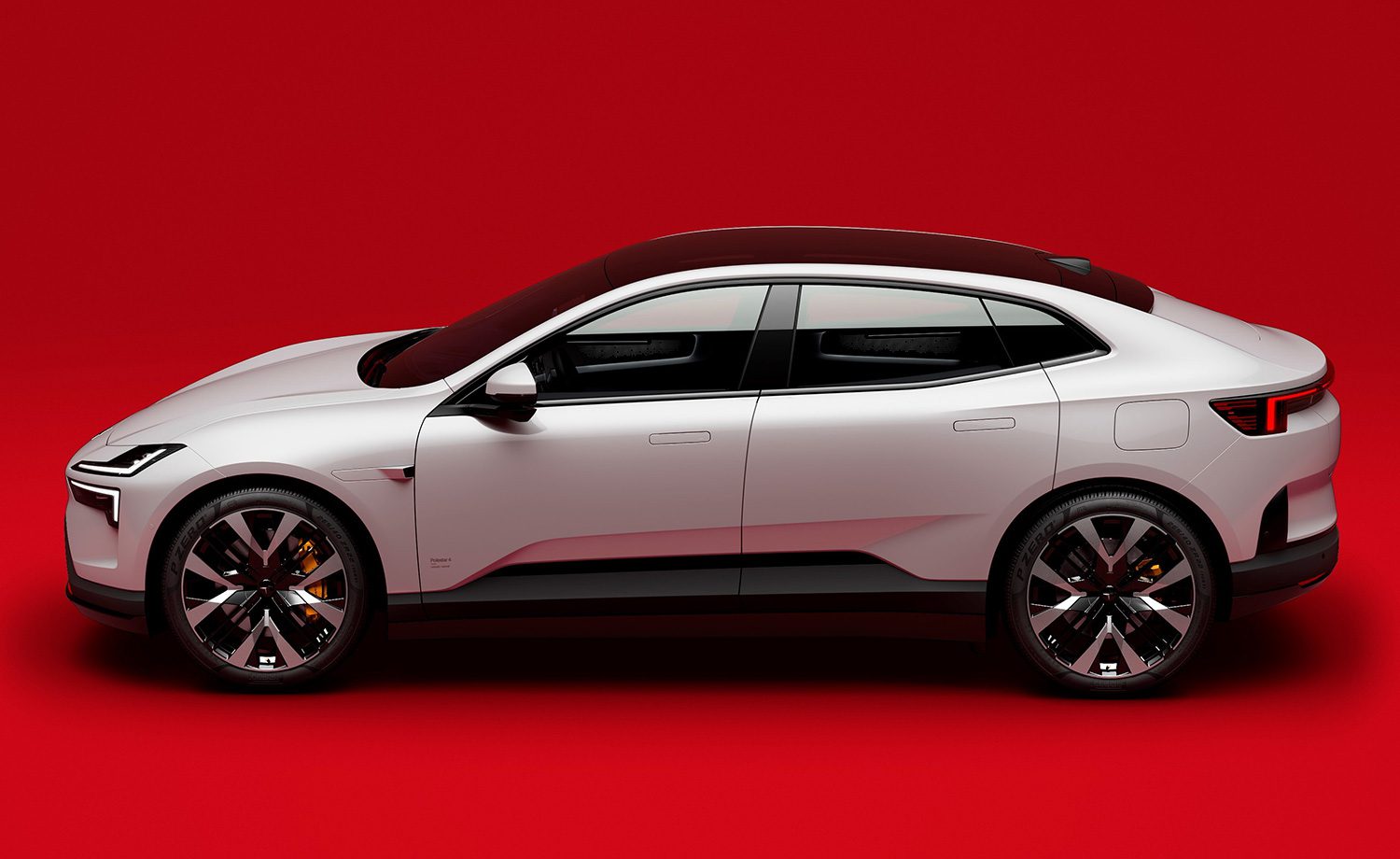
- The Polestar 4, the company’s lowest-carbon-footprint car to date, has played a significant role in achieving these emissions reductions.
- Polestar remains committed to its ambitious ‘Polestar 0 project’, aiming to produce a net-zero car without offsets by 2035.
- The company is fostering innovation through partnerships like Mission 0 House, focusing on research into ultra-low-emission steel, battery materials, and bio-based textiles.
In an automotive landscape often marked by ambitious sustainability pledges that frequently encounter implementation challenges, electric performance car brand Polestar has announced verifiable progress in its mission for greener mobility. The company’s latest Sustainability Report, published in 2025, reveals a substantial 31% reduction in greenhouse gas (GHG) emissions per vehicle sold over the past five years, starting from 2020.

This achievement comes amidst a period of significant growth for the pure electric vehicle manufacturer, which has seen its annual retail sales surpass 60,000 cars during the same timeframe. Such a dual accomplishment—scaling operations while reducing environmental impact—distinguishes Polestar in an industry grappling with the complexities of full-scale decarbonisation.
A Concrete Stride Towards Sustainable Mobility
The reported 31% cut in GHG emissions per unit underscores Polestar’s commitment to improving the environmental footprint of its vehicle manufacturing processes. This metric is critical as it accounts for emissions across the entire lifecycle, from material sourcing and production to delivery, providing a comprehensive view of the company’s progress.
Polestar’s trajectory contrasts with broader industry trends, where climate commitments can often waver in the face of economic pressures or shifts in regulatory landscapes. The brand’s focus on demonstrable results, rather than solely on future pledges, positions it as a significant player in the pursuit of sustainable automotive practices.

The company views this reduction not merely as a corporate target met, but as an intrinsic part of its business model. As Polestar states, “As climate commitments slip across the car industry, policy signals waver and combustion engine investment continues, Polestar moves in the opposite direction.” This statement highlights their ambition to lead by example.
Driving Forces Behind the Carbon Footprint Reduction
Several strategic initiatives have contributed to Polestar’s notable EV emissions reduction. A primary focus has been on increasing the use of renewable energy sources across its supply chain, particularly for energy-intensive processes like battery production and general manufacturing.
The adoption of low-carbon materials has also played a pivotal role. By integrating innovative materials with reduced embodied carbon into vehicle components, Polestar addresses emissions at the very foundation of its product lifecycle. This approach extends beyond merely operational emissions, tackling the often-overlooked environmental impact of raw material extraction and processing.
Crucially, the increased sales volume of the Polestar 4, which is currently the company’s lowest-carbon-footprint car, has been a significant contributing factor. The design and production efficiencies embedded in the Polestar 4 exemplify the brand’s efforts to engineer vehicles with a minimal environmental impact from conception.
Industry Perspective and Polestar’s Stance
Michael Lohscheller, Polestar CEO, articulated the company’s philosophy succinctly, stating, “If you are not reducing emissions while growing, you are choosing not to.” This assertion underscores a belief that growth and environmental responsibility are not mutually exclusive but can, and should, be integrated objectives.
Lohscheller further emphasized the inherent value proposition of electric vehicles for consumers: “Electrification delivers clear value for customers: lower running costs, lower emissions and greater peace of mind, as volatile oil prices and fuel scarcity mean pump anxiety is increasingly replacing range anxiety. As clean electricity scales, electric vehicles are becoming not just the sustainable choice, but the smarter, more reliable one.” This statement highlights the evolving consumer landscape, where environmental benefits align with practical and economic advantages.
The Ambitious Polestar 0 Project
Beyond immediate reductions, Polestar maintains an unwavering gaze on its long-term ambition through the ‘Polestar 0 project’. This groundbreaking initiative aims to produce a net-zero car without the use of carbon offsets by 2035. While the original timeline was set for 2030, the adjustment to 2035 reflects the immense technical and logistical challenges involved in eliminating all emissions from a complex product like an automobile.
Fredrika Klarén, Polestar’s Head of Sustainability, commented on the project’s transformative nature: “The Polestar 0 project pushes us into new territory.” This vision represents a fundamental shift from traditional manufacturing paradigms, seeking to redesign the entire value chain to achieve true carbon neutrality without relying on compensatory measures.
This commitment sets Polestar apart, especially in a period where many in the automotive industry continue to invest heavily in hybrid technologies or even conventional combustion engines. Polestar’s exclusive focus on fully electric solutions reinforces its strategic direction towards complete EV emissions reduction.
Fostering Innovation Through Mission 0 House
To accelerate the progress towards these ambitious goals, Polestar has embraced a collaborative approach to research and development. In 2025, the company established Mission 0 House, a dedicated center for emissions reduction research, in partnership with five Swedish higher education institutions and six private companies.
This collaborative hub is currently advancing several critical projects aimed at pioneering sustainable solutions for the automotive sector:
-
Ultra-Low-Emission Steel Pilot
A large-scale pilot project is underway to develop and implement ultra-low-emission steel production methods. This initiative addresses one of the most carbon-intensive components of vehicle manufacturing.
-
Advanced Battery Materials Research
Extensive research is being conducted on new materials for batteries, focusing on reducing their environmental footprint through sustainable sourcing and enhanced recyclability.
-
Development of Bio-Based Textile Alternatives
Exploring and developing innovative bio-based textile alternatives aims to replace conventional interior materials with more sustainable options, further reducing the overall carbon impact of vehicles.
-
CO₂ Conversion Technologies
Technologies designed to convert carbon dioxide into new, valuable materials are being investigated. This futuristic approach seeks to transform a waste product into a resource, contributing to a circular economy model.
These initiatives underscore Polestar’s dedication to engaging with the broader scientific and industrial community to overcome the technical hurdles inherent in achieving genuinely sustainable manufacturing.
Outlook and Broader Industry Implications
Polestar’s success in significantly reducing its GHG emissions per vehicle sold provides a tangible example for the wider automotive industry. While it benefits from being a relatively small, EV-only brand with a significant portion of its sales in environmentally conscious European markets, its systematic approach to supply chain decarbonisation and material innovation offers valuable lessons.
The company’s ability to grow sales concurrently with emissions reduction demonstrates that environmental stewardship and commercial success can indeed go hand-in-hand. This ongoing commitment to tangible results, as detailed in its latest Sustainability Report, reinforces Polestar’s position as a serious contender in the race towards a truly sustainable automotive future.
Frequently Asked Questions (FAQs)
-
What is the key achievement highlighted in Polestar’s 2025 Sustainability Report?
Polestar reported a 31% reduction in greenhouse gas (GHG) emissions per car sold since 2020. This was achieved while simultaneously increasing annual retail sales to over 60,000 vehicles, demonstrating sustainable growth.
-
What factors contributed to Polestar’s emissions reduction?
The reduction is primarily due to an increased reliance on renewable energy for battery production and manufacturing, the strategic use of low-carbon materials, and the growing sales of the Polestar 4, its most carbon-efficient model.
-
What is the ‘Polestar 0 project’ and its main goal?
The ‘Polestar 0 project’ is an ambitious initiative aiming to produce a net-zero car by 2035, critically, without relying on carbon offsets. It focuses on eliminating all emissions from the vehicle’s lifecycle.
-
How does Polestar collaborate on sustainability research?
Polestar established Mission 0 House in 2025, partnering with Swedish higher education institutions and companies. This center conducts research into areas like ultra-low-emission steel, sustainable battery materials, bio-based textiles, and CO₂ conversion technologies.
-
What is Polestar’s stance on the broader automotive industry’s climate commitments?
Polestar contrasts its measurable progress with what it perceives as wavering climate commitments and continued investment in combustion engines by other car manufacturers, emphasizing its dedication to pure EV solutions.