
The Unforeseen Shift to Electric Vehicles in Rural North Carolina
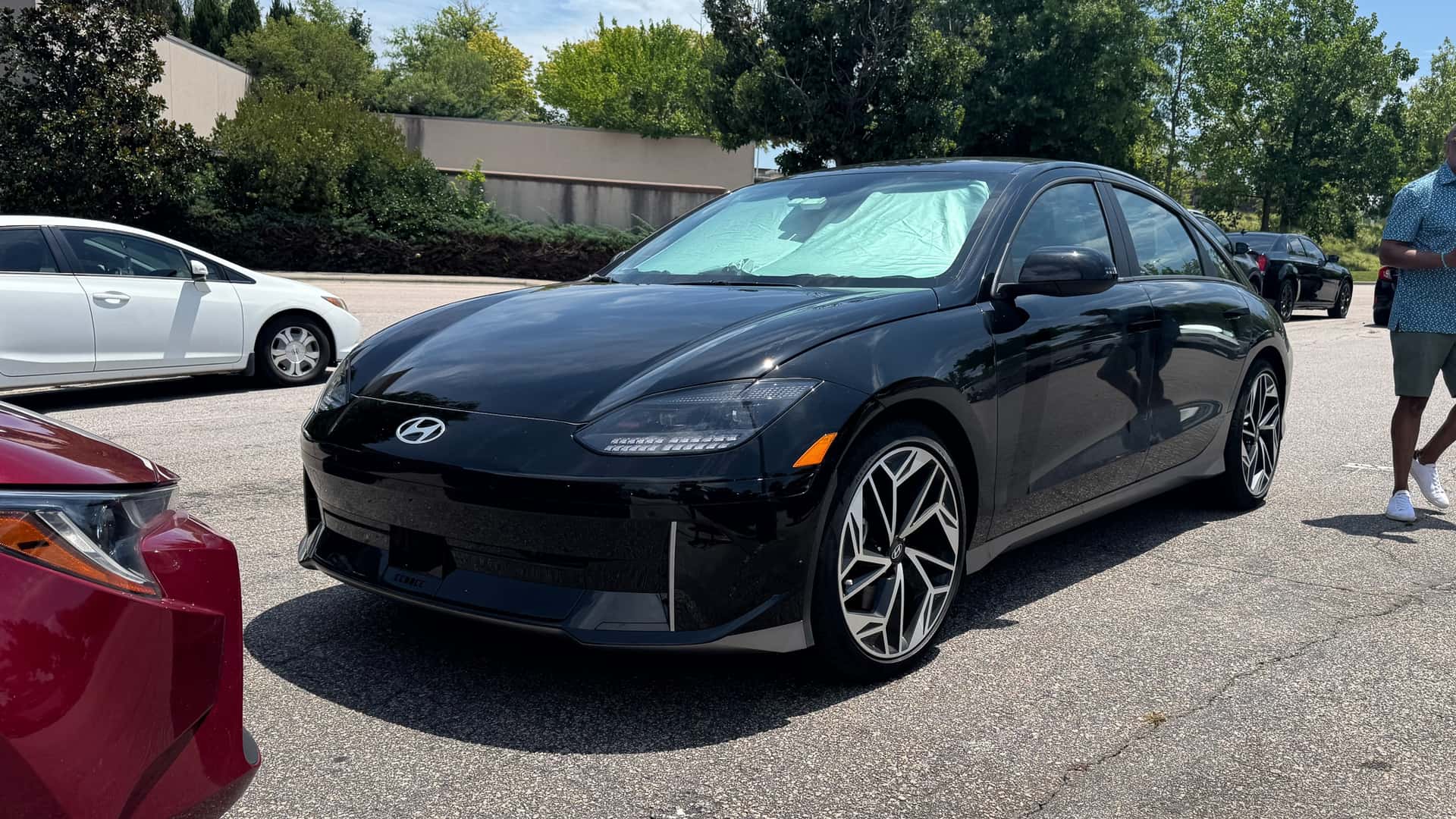
In a surprising development, an older couple, aged in their 60s and 70s, residing in rural North Carolina, made a decisive leap into the electric vehicle (EV) market. The decision saw them replace both their traditional internal combustion engine vehicles – a Lincoln Corsair and a Mini Cooper – with a new Hyundai Ioniq 6. This significant transition, initially met with apprehension by their family, ultimately showcased the practical viability of a full electric vehicle lifestyle even in areas with limited charging infrastructure.
The move challenged preconceived notions about EV adoption, particularly among demographics often perceived as less inclined towards new technology or those living outside major urban centers. Their nearest major city is an hour away, presenting a unique set of considerations for EV ownership. However, their subsequent experience has provided valuable insights into overcoming common barriers to electric vehicle adoption.

From Ford Loyalty to Hyundai Electrification
The couple’s journey into electrification was not immediately anticipated. Both individuals had a long-standing professional association with Ford Motor Company, with the father retiring from the firm in the 2010s. This history afforded them a significant retiree discount, leading to a consistent pattern of leasing Ford products, typically small crossovers, over the years.
Their initial inclinations towards electrified transport appeared to lean towards hybrid models. Approximately 18 months prior to their EV purchase, they had unsuccessfully attempted to lease a Ford Maverick Hybrid. Sporadic inquiries about various hybrid vehicles, such as the Toyota Venza or Honda Civic Hybrid, indicated a nascent interest in fuel-efficient options.
There was an evident lack of familiarity with the nuances of electrification, as they often assumed that many hybrid models required external charging. This misconception was clarified, emphasizing that several popular hybrids, including certain Toyota Prius variants, operate without the need for plug-in charging. This background underscored their limited prior exposure to the spectrum of electric vehicle technology.

The Unexpected Arrival of the Ioniq 6
The direct shift to a full battery electric vehicle came as a considerable surprise. In March, the father inquired about the 2025 Ioniq 6, a model that had garnered attention due to its market status in the U.S. and the availability of competitive deals. This inquiry, initially perceived as passive interest, rapidly escalated into a concrete purchasing decision.
Just five days after his initial text, he confirmed the acquisition of a black Ioniq 6 SEL AWD. He reported having test-driven a Mustang Mach-E but found its price prohibitive even with his retiree discount. The Hyundai Ioniq 6, however, struck the right balance of appeal and affordability. The rapid acquisition left their family members, particularly the author of this account, both proud and apprehensive.
The Ioniq 6 met several of their specific criteria. Both preferred vehicles with a lower ground clearance, ruling out larger SUVs. The compact dimensions of their garage further necessitated a smaller car. Furthermore, their objective of reducing expenses meant that pricier alternatives, such as the Mini Countryman S and SE or the Toyota Prius Prime, were not viable options. However, the critical missing piece was readily available home charging and proximate public charging infrastructure in their rural setting, prompting significant concern.
Confronting Rural Charging Realities
The initial weeks following their EV purchase were characterized by silent anticipation from their family. The absence of complaints about range limitations or charging difficulties was taken as a cautiously optimistic sign. The nearest DC fast charger was a considerable 30 minutes away, a challenge that had previously been noted during rental EV excursions to their home.
Upon finally reconnecting with them weeks later, their experience was candidly shared. “Yeah, those first couple of weeks took a bit of adjustment; charging bills were a little more expensive than we thought they’d be, and sometimes it doesn’t go as fast as we thought, either,” the mother stated. Despite these minor initial hurdles, the inherent convenience of electric driving began to assert itself as a compelling advantage.
The Game Changer: Home Charging Solutions
A pivotal moment in their electric vehicle lifestyle adoption was the installation of a home charging solution. Following the first month of ownership, they sold their Mini Cooper and leveraged the proceeds to install a Tesla Universal Wall connector in their garage. Operating at 48 amps, this robust charging unit proved capable of fully recharging their Ioniq 6’s 77.4 kWh battery overnight with ease. This development fundamentally transformed their experience.
With dedicated home charging, the couple became unfettered by previous concerns. They readily acknowledged the profound impact of having a plug at home on the overall ease of living with the EV. “Yeah, we don’t really even notice the power bill, to be honest. It’s gone up a little bit, but we really don’t even feel it,” the mother observed, highlighting the perceived affordability once integrated into their household expenses.
Long-Distance Travel and Dispelling Range Anxiety
A significant test of their new EV ownership came with a planned road trip, a preferred mode of travel for the couple. Doubts about the feasibility of long-distance EV journeys for older individuals were quickly dispelled. They embarked on a 400-mile round trip to Atlanta, reporting a seamless experience with only two charging stops – one on the outbound journey and another on the return.
The Hyundai Ioniq 6’s EPA-rated range of 270 miles proved more than adequate for their travel patterns, further aided by their generally moderate driving speeds. Moreover, the mandatory 30-minute charging intervals were embraced as opportune moments for rest and meals, described by them as “relaxing.” This perspective underscored a transformation of a perceived inconvenience into a welcomed break, effectively mitigating common concerns about range anxiety.
Broader Implications for EV Adoption Across Demographics
The couple’s successful transition to a full EV lifestyle offers compelling evidence for wider electric vehicle adoption. Their narrative challenges the notion that electric cars are primarily for urban, tech-savvy demographics. The convenience of charging at home, the elimination of gas station visits, and the quiet, smooth driving experience were powerful motivators.
“I never realized how much I didn’t ever really like going to gas stations. I don’t really ever want to have to go to them again,” the mother reflected. The father echoed these sentiments, expressing satisfaction with the charging process and the relative simplicity of public charging applications. For them, the daily routine now involves simply unplugging and driving, free from the anxieties often associated with electric vehicle charging or range.
Their experience serves as a robust case study, demonstrating that while initial adjustments and infrastructure considerations exist, the core benefits of EV ownership can resonate with and convert a diverse array of consumers. If the electric vehicle lifestyle can successfully integrate into the daily lives of retirees in rural North Carolina with minimal prior electrification knowledge, it suggests a broader, more accessible future for EVs in America.
Frequently Asked Questions About Rural EV Ownership
How challenging is EV ownership in rural areas?
Initial challenges can arise due to fewer public charging stations. However, the experience of many rural EV owners, including this couple, demonstrates that with a home charging solution, daily usability and convenience significantly improve, often surpassing concerns about public infrastructure.
Is home charging essential for a rural EV lifestyle?
While not strictly essential, home charging dramatically simplifies the EV ownership experience in rural settings. It eliminates the need for frequent trips to distant public chargers and ensures the vehicle is always ready for use, much like charging a smartphone overnight.
Do older adults adapt well to electric vehicles?
As illustrated, older adults can adapt remarkably well to EV technology. The simplified driving experience, reduced maintenance, and quiet operation are often cited as benefits. Once comfortable with charging routines, the transition can be smooth and highly rewarding.
What about EV range anxiety on long trips from rural areas?
Range anxiety can be managed effectively through careful planning and strategic use of DC fast chargers. Many modern EVs offer sufficient range for typical journeys, and longer trips can be broken up with planned charging stops, which can also serve as natural rest breaks.
Are the electricity costs for charging an EV high?
While electricity bills will increase, the cost per mile for an EV is often significantly lower than for a gasoline-powered car. As highlighted by the couple, the increase might be less noticeable than anticipated, especially when weighed against the rising costs of traditional fuel.
Can a single EV serve as the sole car for a rural household?
Yes, for many households, a single EV can serve as the primary or sole vehicle. With adequate range and reliable home charging, an EV like the Hyundai Ioniq 6 can meet daily commuting needs and accommodate occasional long-distance travel, offering a versatile solution.