
Key Takeaways
Samsung SDI has acquired General Motors’ 49.99% stake in SynergyCells, their joint venture in New Carlisle, Indiana, marking its first independently operated battery production base in North America. This strategic shift, driven by slower-than-expected EV demand, reorients the plant’s initial production from EV batteries to energy storage systems (ESS) cells, a sector experiencing robust growth in the U.S. market. A new joint development agreement for prismatic cells indicates continued collaboration between the two giants for future EV applications. The facility, originally a $3.5 billion investment, is set to begin ESS cell production in 2027.
Strategic Realignment in North American Battery Manufacturing
Samsung SDI, a global leader in battery technology, has announced a significant strategic realignment concerning its North American battery manufacturing footprint. The company has successfully acquired the 49.99% stake previously held by General Motors (GM) in SynergyCells, their joint venture located in New Carlisle, Indiana. This acquisition transforms the Indiana facility into Samsung SDI’s inaugural independently operated battery production base within North America, marking a pivotal moment for the company’s regional operations and the broader landscape of battery supply.

The decision to consolidate ownership reflects evolving market dynamics, particularly the slower-than-anticipated growth in electric vehicle (EV) demand. This shift has prompted both partners to explore alternative avenues for cooperation beyond the initial joint venture structure. Despite the ownership change, the long-term strategic partnership between Samsung SDI and GM is set to continue, reinforced by a newly signed joint development agreement.
Focus Shifts to Energy Storage Systems (ESS) Cells
A crucial aspect of Samsung SDI’s revised strategy for the New Carlisle plant involves a significant pivot in its initial production focus. The facility, currently under construction, will commence operations by manufacturing cells specifically designed for energy storage systems (ESS) rather than solely for EVs. This strategic decision is directly attributed to the robust and growing demand within the U.S. storage market, underscoring Samsung SDI’s agility in responding to market signals.
Cells built for stationary storage applications, such as grid-scale energy projects, are optimized differently compared to those intended for electric vehicles. ESS cells prioritize a longer cycle life and a lower cost per kilowatt-hour, given their static nature and requirement for prolonged, consistent performance. In contrast, EV cells often emphasize higher specific energy to maximize range and minimize weight.
This strategic pivot is further bolstered by Samsung SDI’s established presence in the ESS market. In December 2025, the company secured a substantial three-year contract to supply prismatic LFP (lithium iron phosphate) cells for energy storage systems across North America. This deal, valued at more than 2 trillion won (approximately $1.35 billion), is slated to begin in 2027, aligning perfectly with the New Carlisle plant’s projected operational timeline.
Prismatic Cell Technology: A Versatile Solution
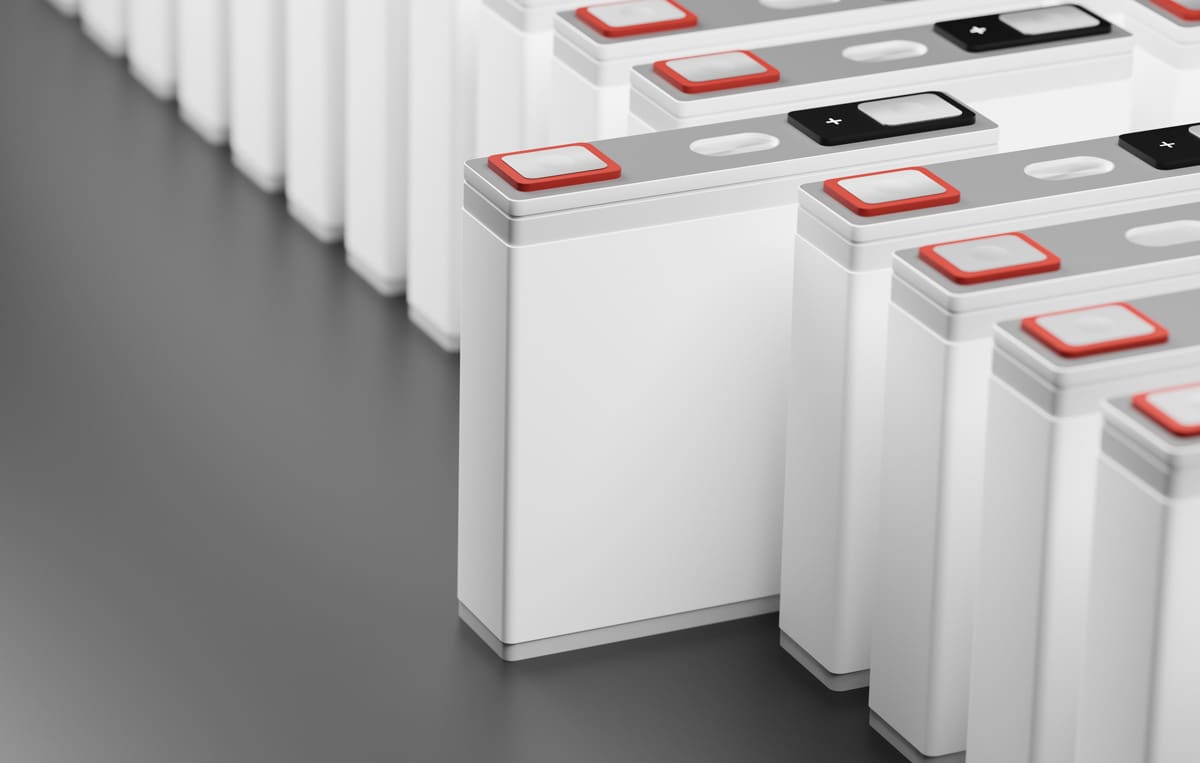
The New Carlisle facility is set to leverage prismatic cell technology, a format known for its efficiency and robust design. Prismatic cells offer several advantages over other battery form factors, making them suitable for both EV and ESS applications. Their rectangular shape allows for more efficient packing within a module, leading to less wasted volume and higher energy density at the pack level compared to cylindrical cells.
Furthermore, the rigid cans of prismatic cells often require less external support structure than pouch cells, which contributes to overall system simplicity and potentially reduced manufacturing costs. This versatility makes prismatic cells an ideal choice for a plant aiming to cater to diverse market needs. While initial production will focus on ESS cells, prismatic cells developed jointly with GM under their new agreement could be produced at the Indiana plant for future EV applications, maintaining optionality.
The Genesis and Evolution of the Joint Venture
The original joint venture, SynergyCells, was finalized between General Motors and Samsung SDI in August 2024. The ambitious undertaking committed approximately $3.5 billion towards the construction of the New Carlisle plant, with an initial target production start date of 2027. The foundational plans envisioned an annual production capacity of 27 GWh, with potential for expansion to 36 GWh, positioning it as a significant contributor to North American EV battery production.
The initial mandate for the joint venture was to manufacture nickel-rich NCA (nickel-cobalt-aluminum) prismatic cells, a high-performance chemistry typically favored for its energy density in automotive applications. The subsequent ownership change and pivot to ESS cells, while altering the immediate product mix, does not diminish the strategic importance of the facility itself or the underlying partnership for long-term battery technology development.
Continued Partnership Amidst Market Shifts
Despite the change in ownership structure, the strategic alliance between Samsung SDI and General Motors remains intact, albeit in a modified form. The two companies have solidified their collaboration through a new joint development agreement. This agreement specifically covers prismatic cells for potential future EV applications, signaling a continued commitment to advanced battery technology for the automotive sector.
A Samsung SDI official commented on the decision, stating, “While reflecting recent market changes, this acquisition decision is to continue the strategic partnership with GM.” This statement underscores the mutual desire to adapt to evolving market conditions while preserving the foundational relationship and shared goals in battery innovation. The flexibility to adjust investment and production strategies allows both companies to optimize their resources and pursue opportunities that best align with current market demands.
Implications for North American Battery Supply Chain
Samsung SDI’s independent operation of the New Carlisle plant significantly bolsters the resilience and diversification of the North American battery manufacturing supply chain. By focusing initially on ESS cells, the facility addresses a critical need for grid stability and renewable energy integration within the United States. This also provides a crucial domestic source for large-scale energy storage solutions, reducing reliance on international supply lines.
The long-term vision, which includes the potential for EV cell production in collaboration with GM, positions the plant as a versatile asset capable of adapting to future market demands. This adaptability is crucial in the rapidly evolving battery industry, where technological advancements and market forces necessitate continuous strategic evaluation. The Indiana plant is poised to become a key pillar in both the EV and ESS ecosystems across the continent.
Looking Ahead: Diversified Battery Solutions
The evolution of the New Carlisle battery plant from a joint EV battery venture to an independently operated ESS cell manufacturing hub, with potential for future EV prismatic cell production, exemplifies the dynamic nature of the global battery market. Samsung SDI’s proactive adjustment to market signals — particularly the robust demand for energy storage solutions in North America — highlights a strategic foresight essential for sustained growth in the clean energy transition.
This facility is not merely a production site; it represents a commitment to providing diversified, high-quality battery solutions that power both next-generation electric vehicles and the critical infrastructure required for a sustainable energy future. As construction progresses towards the 2027 operational target, the New Carlisle plant is set to play a crucial role in Samsung SDI’s global strategy and the wider North American battery ecosystem.
FAQ
What is the primary change regarding the New Carlisle battery plant?
Samsung SDI has acquired GM’s 49.99% stake in the SynergyCells joint venture, making the New Carlisle, Indiana plant its first independently operated battery production base in North America. This shifts the initial production focus from EV cells to energy storage system (ESS) cells, driven by strong U.S. demand in that sector.
Why did Samsung SDI acquire GM’s stake?
The acquisition reflects market changes, specifically slower-than-expected growth in EV demand. Both companies decided to pursue other forms of cooperation instead of the original joint venture structure for this facility, allowing Samsung SDI to independently steer its production strategy towards ESS.
Will General Motors and Samsung SDI still collaborate?
Yes, the strategic partnership continues. They have signed a new joint development agreement specifically covering prismatic cells for potential future EV applications. This indicates a sustained collaborative effort in battery technology development despite the ownership change at the Indiana plant.
What type of cells will the Indiana plant initially produce?
The plant will initially produce prismatic cells for energy storage systems (ESS). This decision caters to the high demand in the U.S. storage market, optimizing cells for longer cycle life and lower cost per kilowatt-hour rather than the high specific energy typically prioritized for electric vehicle batteries.
What was the original investment and capacity plan for the plant?
The original joint venture, finalized in August 2024, involved an approximate $3.5 billion investment. It aimed for an initial annual production capacity of 27 GWh, with plans to expand to 36 GWh. The plant was initially slated to produce nickel-rich NCA prismatic cells for EVs.
When is the New Carlisle plant expected to begin production?
The plant is expected to begin production in 2027. This timeline aligns with Samsung SDI’s existing contract, signed in December 2025, to supply prismatic LFP cells for North American energy storage systems starting that same year, valued at over 2 trillion won ($1.35 billion).
How do ESS cells differ from EV cells?
ESS cells are primarily optimized for cycle life and cost per kilowatt-hour, as they are used in stationary applications requiring long-term, consistent performance. EV cells, conversely, are typically optimized for higher specific energy (energy density per unit weight) to maximize vehicle range and performance.