
Key Takeaways
- Samsung SDI has acquired General Motors’ 49.99% stake in their SynergyCells joint venture, making the New Carlisle, Indiana plant its first independently operated battery production base in North America.
- The strategic shift reflects evolving market conditions, including slower-than-anticipated growth in electric vehicle (EV) demand.
- The Indiana facility, currently under construction, will initially focus on manufacturing prismatic cells for energy storage systems (ESS) to meet robust demand in the US storage market.
- Despite the ownership change, Samsung SDI and GM have inked a new joint development agreement for prismatic cells tailored for potential future EV applications, signaling a continued strategic partnership.
- The plant’s initial plan to produce nickel-rich NCA prismatic cells for EVs with an annual capacity of 27 GWh (expandable to 36 GWh) has been re-evaluated, with ESS production taking precedence.
Samsung SDI Secures Full Ownership of Indiana Battery Production Facility
In a significant strategic realignment, Samsung SDI has confirmed the acquisition of General Motors’ (GM) 49.99% stake in SynergyCells, the battery manufacturing joint venture established by the two automotive and technology giants in New Carlisle, Indiana. This pivotal move transforms the Indiana plant into Samsung SDI’s inaugural independently operated battery production base across North America, marking a new chapter for the facility.
This ownership transition underscores a broader adjustment to the prevailing dynamics within the global battery market. Concurrently with the acquisition, both Samsung SDI and General Motors have cemented a new joint development agreement. This agreement specifically focuses on prismatic cells, which could potentially be deployed in future electric vehicle applications, illustrating a continued, albeit restructured, collaborative effort between the two industry leaders.

Strategic Reorientation Amidst Evolving Market Dynamics
The decision to modify the ownership structure of the Indiana plant stems from a careful evaluation of recent market shifts. Samsung SDI has indicated that these changes include a slower-than-expected trajectory in the growth of electric vehicle demand. This evolving landscape has prompted both partners to explore and adopt alternative forms of cooperation, moving beyond the original joint venture framework.
The initial vision for the New Carlisle plant, finalized in August 2024, entailed a substantial investment of approximately $3.5 billion. This venture aimed to commence production in 2027, with an ambitious initial annual capacity projected at 27 GWh, with the potential to expand to 36 GWh. The facility was originally slated to produce nickel-rich NCA prismatic cells, primarily for General Motors’ electric vehicle lineup.
From EV Focus to Energy Storage Systems
Following the restructuring, the plant, which is currently under active construction, will undergo a strategic pivot in its initial production focus. Samsung SDI will now commence operations by manufacturing cells specifically designed for energy storage systems (ESS) rather than exclusively for electric vehicles. This strategic redirection is directly attributed by the company to the robust and growing demand within the United States’ energy storage market.
The emphasis on ESS cells signifies a distinct optimization strategy. Unlike EV cells, which prioritize specific energy to maximize range and performance, cells manufactured for stationary storage applications are engineered with a primary focus on crucial metrics such as cycle life and cost per kilowatt-hour. This ensures long-term durability and economic viability for grid-scale and commercial energy storage solutions.
The Rationale Behind the Shift
The revised strategy aligns with Samsung SDI’s recent business developments. In December 2025, the company secured a significant three-year contract to supply prismatic LFP cells for energy storage systems across North America. This deal, valued at more than 2 trillion Korean Won (approximately $1.35 billion), is scheduled to begin deliveries in 2027, coinciding with the Indiana plant’s operational timeline.
This substantial contract underscores the escalating demand for reliable and cost-effective energy storage solutions in the region. By reorienting the Indiana facility towards ESS production, Samsung SDI is strategically positioning itself to capitalize on this burgeoning market, ensuring the new plant meets immediate and pressing industry needs.
Technological Deep Dive: Prismatic Cells and Future Collaborations
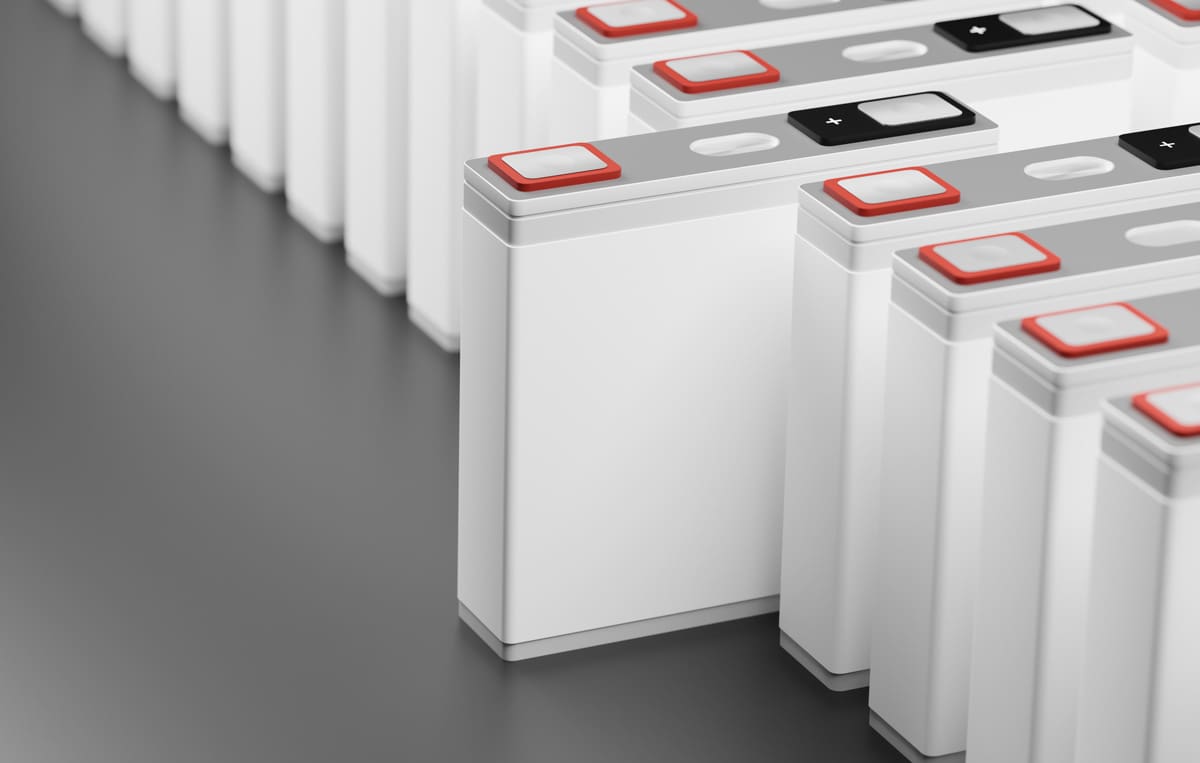
The choice of prismatic cells remains central to Samsung SDI’s strategy, both for ESS and potential future EV applications. Prismatic battery cells are favored for their efficient packaging capabilities. Their rectangular, rigid casing allows them to be packed into modules with significantly less wasted volume compared to cylindrical cells.
Furthermore, the inherent rigidity of prismatic cell cans reduces the need for extensive external support structures, a requirement often associated with more flexible pouch cells. This design advantage can lead to more compact and robust battery packs, whether for vehicular or stationary applications.
Optimizing for Energy Storage
For ESS applications, the specific characteristics of prismatic cells, when optimized for cycle life and cost per kilowatt-hour, make them highly suitable. This optimization ensures that ESS units can undergo numerous charge and discharge cycles over many years, providing a long operational lifespan crucial for grid stability and renewable energy integration projects.
The decision to initially produce these specialized ESS cells at the Indiana plant highlights Samsung SDI’s responsiveness to market signals and its capability to adapt its manufacturing strategy to meet diverse battery technology demands efficiently.
Continued Partnership in EV Cell Development
Despite the change in ownership of the New Carlisle facility, the strategic alliance between Samsung SDI and General Motors remains intact. The newly signed joint development agreement specifically targets prismatic cells for future EV applications. This signifies a shared commitment to advancing battery technology for electric vehicles, even as the immediate production focus shifts.
It is important to note that prismatic cells developed under this new joint agreement with GM could potentially be produced at the Indiana plant at a later stage, once market conditions for EV battery demand align with the facility’s capabilities and strategic objectives. This phased approach allows for flexibility and responsiveness to future market trends.
The Indiana Facility: A New Chapter
The New Carlisle, Indiana plant is poised to become a cornerstone of Samsung SDI’s North American manufacturing presence. The facility’s transition from a joint venture to an independently operated base provides Samsung SDI with greater autonomy in directing its production strategies and responding swiftly to market shifts.
As construction progresses, the plant represents a significant investment in advanced battery manufacturing capabilities within the United States. Its initial focus on ESS cells is a testament to the surging demand for grid-scale energy solutions, which are critical for supporting renewable energy integration and enhancing grid resilience.
Initial Vision Versus Current Implementation
The journey of the Indiana plant illustrates the dynamic nature of the battery industry. While the original plans for nickel-rich NCA prismatic cells for EVs at 27-36 GWh annual capacity reflected the optimism of August 2024, the subsequent market adjustments have necessitated a pivot.
This adaptation ensures that the multi-billion dollar investment continues to meet relevant market needs effectively, leveraging Samsung SDI’s expertise in various battery chemistries and applications, including the newly contracted LFP prismatic cells for ESS.
Long-Term Outlook for the Collaboration
A Samsung SDI official affirmed the company’s commitment to its partner, stating, “While reflecting recent market changes, this acquisition decision is to continue the strategic partnership with GM.” This statement underscores the intention to maintain a robust relationship with General Motors, exploring new avenues for collaboration that align with the evolving landscape of electric mobility and energy storage.
The restructured partnership allows both companies to leverage their strengths strategically: Samsung SDI with its enhanced manufacturing autonomy and diverse battery portfolio, and GM with its continued access to advanced battery development for its future EV roadmap. This flexibility positions both entities to navigate the complexities of the rapidly changing battery market while pursuing their respective long-term goals.
Frequently Asked Questions (FAQ)
What is the primary change at the Samsung SDI Indiana plant?
Samsung SDI has acquired GM’s 49.99% stake in their battery joint venture, SynergyCells, making the New Carlisle, Indiana plant its first independently operated production facility in North America. This shifts the initial production focus from solely EV batteries to energy storage system (ESS) cells.
Why did Samsung SDI and GM change their joint venture agreement?
The companies cited evolving market conditions, specifically slower-than-expected growth in electric vehicle (EV) demand, as the primary reason for the ownership change. This led them to seek new forms of cooperation better suited to current market realities.
What types of batteries will the Indiana plant produce first?
The New Carlisle plant will initially produce prismatic cells specifically for energy storage systems (ESS). This decision is driven by the significant demand for energy storage solutions in the US market, as stated by Samsung SDI.
Will the Indiana plant ever produce batteries for electric vehicles (EVs)?
Yes, potentially. Samsung SDI and GM have signed a new joint development agreement for prismatic cells for future EV applications. These jointly developed cells could be produced at the Indiana plant at a later stage, depending on market conditions.
What is the significance of prismatic cells for this venture?
Prismatic cells offer advantages such as less wasted volume in modules and require less external support than pouch cells due to their rigid design. For ESS, they can be optimized for cycle life and cost per kilowatt-hour, while still being suitable for future EV applications.
What was the original plan for the GM-Samsung SDI joint venture?
The original joint venture, finalized in August 2024, planned for a $3.5 billion plant to start production in 2027, with an initial annual capacity of 27 GWh (expandable to 36 GWh). It was intended to produce nickel-rich NCA prismatic cells for EVs.
Has Samsung SDI secured any major contracts for ESS cells?
Yes, Samsung SDI signed a three-year contract in December 2025 to supply prismatic LFP cells for energy storage systems in North America, valued at over 2 trillion Korean Won (approximately $1.35 billion), with deliveries commencing in 2027.
Does this mean the strategic partnership between Samsung SDI and GM is over?
No. A Samsung SDI official clarified that the acquisition decision is intended to “continue the strategic partnership with GM.” The new joint development agreement for EV prismatic cells further solidifies their ongoing collaboration in a revised structure.