
Key Takeaways:
- Samsung SDI has acquired General Motors’ 49.99% stake in SynergyCells, their joint battery venture in New Carlisle, Indiana.
- The Indiana plant, now Samsung SDI’s first independently operated battery production base in North America, will initially produce cells for Energy Storage Systems (ESS) instead of electric vehicles (EVs).
- This strategic pivot is attributed to slower-than-expected growth in EV demand and robust opportunities in the U.S. storage market.
- Both companies have signed a new joint development agreement for prismatic cells, signaling continued collaboration for potential future EV applications.
- The initial $3.5 billion joint venture, finalized in August 2024, originally aimed for 27 GWh annual capacity of nickel-rich NCA prismatic EV cells by 2027.
- Samsung SDI secured a significant three-year contract in December 2025 to supply prismatic LFP cells for North American ESS, valued at over 2 trillion won ($1.35 billion), commencing in 2027.
Major Shift in North American Battery Manufacturing Landscape
In a significant strategic realignment, Samsung SDI has announced the acquisition of General Motors’ 49.99% stake in SynergyCells, the battery joint venture established by the two industrial giants in New Carlisle, Indiana. This transaction marks a pivotal moment, transforming the Indiana facility into Samsung SDI’s inaugural independently operated battery production base across North America.

The newly independent plant will embark on a modified production strategy, initially concentrating on manufacturing cells specifically designed for energy storage systems (ESS) rather than electric vehicles (EVs). This shift reflects a responsive adjustment to evolving market conditions and demand projections.
Restructuring the SynergyCells Joint Venture
The acquisition effectively transitions full ownership of the New Carlisle facility to Samsung SDI. Despite the change in ownership structure for the Indiana plant, the long-standing collaboration between the two companies is poised to continue in a new form. Samsung SDI and General Motors have simultaneously entered into a fresh joint development agreement.
This new accord is specifically tailored to cover prismatic cells, with a view toward their potential deployment in future electric vehicle applications. This demonstrates a strategic recalibration of their partnership, moving from a shared manufacturing venture to a focused development collaboration.
Market Dynamics Drive Strategic Realignment
The decision to restructure the joint venture stems from a careful assessment of contemporary market trends. Samsung SDI cited slower-than-expected growth in the overall electric vehicle demand as a primary catalyst for the ownership change. This assessment prompted both partners to explore and decide upon alternative forms of cooperation beyond the original joint venture framework.
Addressing the strategic rationale behind this move, a Samsung SDI official stated, “While reflecting recent market changes, this acquisition decision is to continue the strategic partnership with GM.” This underscores a commitment to ongoing collaboration even as the operational structure adapts to the dynamic automotive and energy sectors.
Indiana Plant Pivots to Energy Storage Systems
The New Carlisle facility, currently under construction, will prioritize the production of cells for energy storage systems. This decision by Samsung SDI directly responds to what the company identifies as robust and growing demand within the U.S. storage market. The strategic move positions the plant to address critical infrastructure needs for grid stability and renewable energy integration.
While the immediate focus is on ESS, the potential for producing prismatic cells developed under the new joint agreement with General Motors for EV applications remains a future consideration. This phased approach allows Samsung SDI to leverage current market opportunities while retaining flexibility for future shifts in demand.
Technical Nuances: ESS vs. EV Battery Design
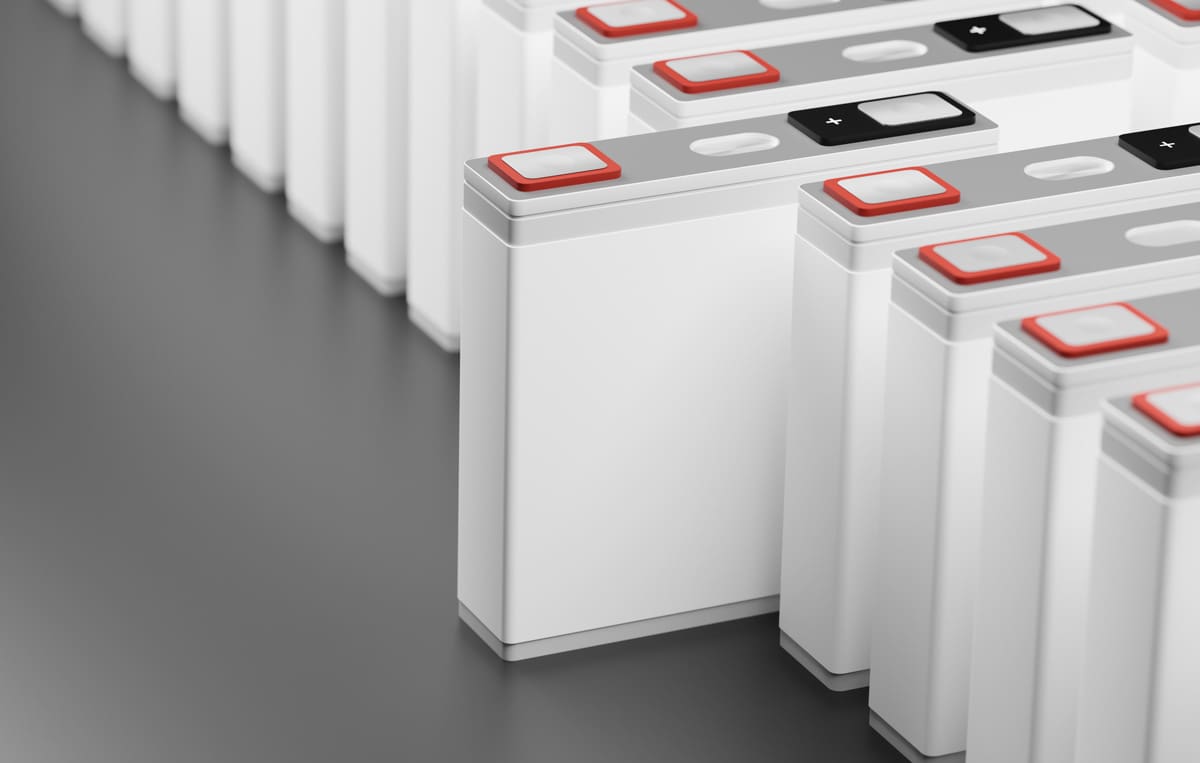
The choice to produce prismatic cells for both potential EV and current ESS applications is rooted in specific design advantages. Prismatic cells offer superior packaging efficiency compared to cylindrical cells, minimizing wasted volume within a module. Furthermore, their rigid, rectangular cans require less external support than flexible pouch cells, contributing to simpler module design and enhanced structural integrity.
It is critical to note that cells manufactured for stationary energy storage systems are optimized differently from those intended for electric vehicles. ESS cells typically prioritize a longer cycle life and a lower cost per kilowatt-hour, given their application in fixed installations where durability and economic viability over many charge-discharge cycles are paramount. In contrast, EV cells are engineered with a stronger emphasis on specific energy density, allowing vehicles to achieve greater range and performance within constrained weight and space parameters.
The Financial Landscape and Supply Commitments
This strategic shift follows significant pre-existing commitments by Samsung SDI in the energy storage sector. In December 2025, the company secured a substantial three-year contract to supply prismatic LFP (Lithium Iron Phosphate) cells specifically for energy storage systems across North America. This lucrative deal, valued at more than 2 trillion won (approximately $1.35 billion), is slated to commence deliveries in 2027.
The original joint venture between General Motors and Samsung SDI was formalized in August 2024. At its inception, the partnership committed an approximate investment of $3.5 billion towards the Indiana plant. The facility was initially projected to begin production in 2027, with an ambitious initial annual capacity set at 27 GWh, with plans for potential expansion to 36 GWh. The initial blueprint also stipulated the production of nickel-rich NCA (Nickel Cobalt Aluminum) prismatic cells, highlighting a shift in both chemistry and application focus with the current restructuring.
Strategic Implications for Samsung SDI and General Motors
For Samsung SDI, the acquisition of GM’s stake signifies a significant step towards expanding its independent manufacturing footprint in North America. By assuming full control of the Indiana plant, the company gains greater autonomy in production decisions, supply chain management, and market strategy, particularly in the rapidly expanding ESS sector. This independence allows for quicker adaptation to market needs and strengthens its position as a key battery supplier.
General Motors, while divesting its direct equity in the manufacturing plant, maintains a crucial strategic partnership with Samsung SDI through the new joint development agreement. This allows GM to continue collaborating on advanced battery technology, particularly for future prismatic EV cells, without the direct operational and investment commitments of a joint manufacturing venture. This approach offers GM flexibility in its EV battery sourcing strategy while still benefiting from Samsung SDI’s expertise.
Ultimately, this restructuring underscores the dynamic nature of the global battery market, where companies must continually adapt their strategies to respond to evolving demand patterns, technological advancements, and economic realities. The pivot towards ESS production in Indiana reflects a pragmatic response to current market opportunities, while the ongoing development partnership preserves future options for both automotive and energy storage applications.
Frequently Asked Questions (FAQ)
What is the primary change regarding the Samsung SDI and GM battery joint venture?
Samsung SDI has acquired General Motors’ 49.99% stake in their SynergyCells joint venture in New Carlisle, Indiana. The plant will now operate as Samsung SDI’s first independently managed battery production base in North America, with an initial focus on energy storage system (ESS) cells.
Why did the companies decide to restructure the joint venture?
The restructuring was prompted by recent market changes, including slower-than-expected growth in electric vehicle (EV) demand. Both partners concluded that alternative forms of cooperation would be more suitable, allowing Samsung SDI to capitalize on the strong demand in the U.S. storage market.
Will the Indiana plant still produce batteries for electric vehicles?
Initially, the plant will focus on manufacturing cells for energy storage systems (ESS). However, Samsung SDI and GM have signed a new joint development agreement for prismatic cells, which could potentially be produced at the plant later for future EV applications.
What type of batteries will the plant initially produce?
The plant will begin by producing prismatic cells specifically optimized for energy storage systems (ESS). These cells prioritize long cycle life and cost-effectiveness per kilowatt-hour, aligning with the requirements of stationary storage applications.
What was the original plan for the joint venture?
The joint venture, finalized in August 2024, planned for a $3.5 billion investment in the Indiana plant, aiming for an initial annual capacity of 27 GWh (expandable to 36 GWh) of nickel-rich NCA prismatic cells for EVs, with production slated to begin in 2027.
Has Samsung SDI secured any major contracts for its new ESS production focus?
Yes, in December 2025, Samsung SDI signed a three-year contract valued at over 2 trillion won (approximately $1.35 billion) to supply prismatic LFP cells for energy storage systems in North America, with deliveries commencing in 2027.
How does the optimization of ESS cells differ from EV cells?
ESS cells are primarily optimized for a longer cycle life and a lower cost per kilowatt-hour, critical for stationary applications. In contrast, EV cells are designed to prioritize specific energy, maximizing power output and range for vehicle performance within weight and space constraints.