
Key Takeaways
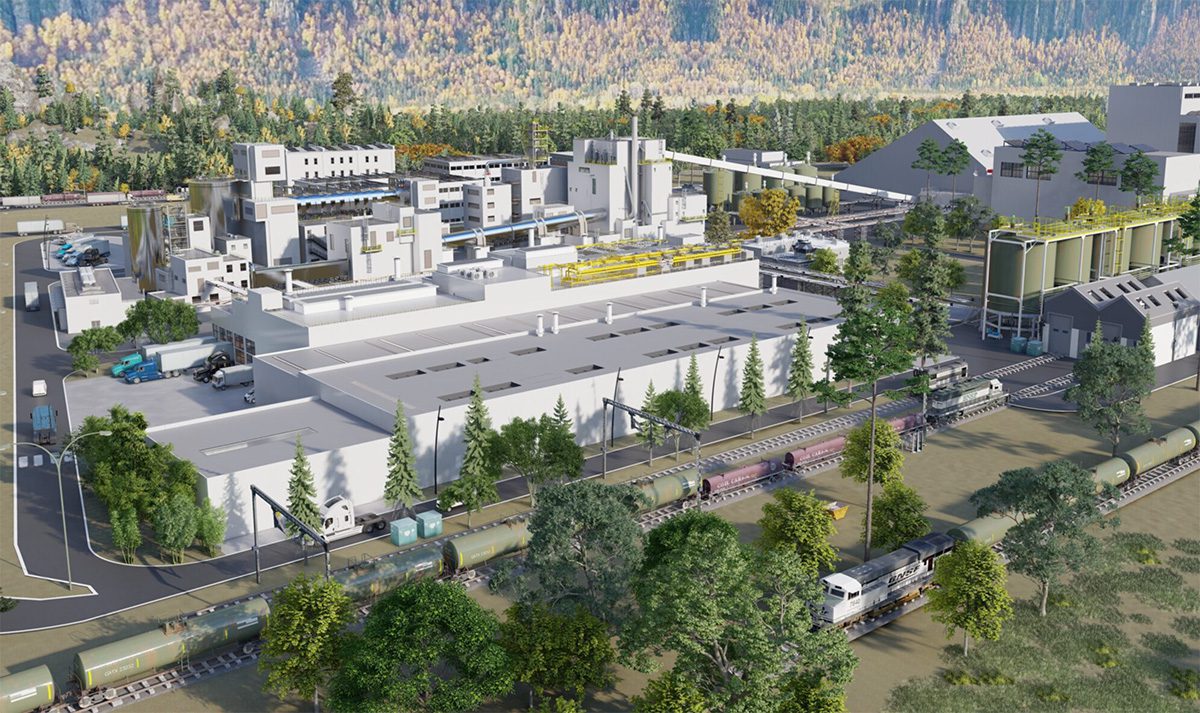
- Siemens Canada has partnered with Rock Tech Lithium to develop a digital twin of the Red Rock Lithium Converter, a pivotal lithium conversion plant planned for Ontario.
- This virtual, physics-based model will optimize the plant’s design, efficiency, emissions, and operational reliability before significant capital investment.
- The Red Rock Converter is projected to produce up to 32,000 tonnes per year of lithium carbonate equivalent, vital for electric vehicle (EV) battery production.
- The collaboration, an extension of a March 2026 Memorandum of Understanding, aims to establish a blueprint for future lithium converters in Canada and other G7 nations.
- Siemens Canada will also provide crucial support for the converter’s definitive feasibility study (DFS), expected to conclude by mid-December 2026.
In a significant move poised to strengthen Canada’s position within the global electric vehicle (EV) supply chain, Siemens Canada has entered into agreements with Rock Tech Lithium. This landmark partnership focuses on the development of a sophisticated digital twin for Rock Tech’s planned Red Rock Lithium Converter, a critical facility set to be built in Ontario.
The Red Rock Lithium Converter is envisioned as a cornerstone of North American battery material production, with an anticipated capacity of up to 32,000 tonnes per year of lithium carbonate equivalent. This output is essential for meeting the escalating demand for high-grade lithium chemicals required in EV batteries.

Pioneering Digital Twin Technology for Industrial Efficiency
At the core of this collaboration is the deployment of Siemens’ advanced digital twin technology. Rock Tech Lithium describes this digital twin as a virtual, physics-based model designed to simulate the plant’s intricate processes, energy flows, and material streams.
This innovative approach allows Rock Tech to meticulously test, optimize, and validate various design choices. Crucially, it enables the evaluation of efficiency metrics, emissions profiles, and overall operational reliability long before any major capital commitments are finalized. This pre-emptive optimization promises substantial benefits in terms of cost savings, reduced environmental impact, and accelerated project timelines.
The initial phase involves constructing a digital process twin, which will leverage the findings from the definitive feasibility study (DFS). The long-term vision is for this technology to encompass the entire lifecycle of the Red Rock Lithium Converter project, from its foundational feasibility study and detailed engineering phases through construction and into full operational deployment.

Strategic Collaboration Underpins Broader Goals
These new agreements mark the inaugural implementation phase stemming from a memorandum of understanding (MoU) that Siemens Canada and Rock Tech Lithium initially signed in March 2026. That comprehensive MoU outlined plans for the development and seamless integration of Siemens’ digital twin technology.
Beyond the core digital twin, the MoU also encompassed the evaluation of a broader suite of Siemens solutions, including various services and engineering support that could further enhance the Red Rock Lithium Converter project. This holistic approach underscores a shared commitment to innovation and operational excellence.
A primary objective of this strategic alliance is to establish the Red Rock Converter as a replicable blueprint for future lithium conversion facilities. This model aims to serve not only Canada but also other allied markets, particularly within the G7 nations. The partners will actively assess the applicability of their cooperation to subsequent projects in these key global economies, reinforcing secure and sustainable supply chains for critical minerals.
Advancing the Definitive Feasibility Study
The development of the digital twin runs concurrently with the definitive feasibility study (DFS) for the Red Rock Lithium Converter. Siemens Canada is providing substantial support to Rock Tech’s project team during this critical phase, specifically in areas concerning process control, instrumentation, and automation architecture.
Rock Tech initiated the DFS at the close of June 2026, with an ambitious target for its finalization by mid-December 2026. The integration of Siemens’ expertise and digital tools into the DFS is expected to enhance the study’s robustness and accuracy, ensuring a well-informed path forward for the multi-billion-dollar project.
Securing Critical Feedstock for Canadian Production
To ensure a resilient and sustainable supply chain for the Red Rock Lithium Converter, Rock Tech is actively developing its feedstock sources within Canada. A key asset is the company’s wholly owned Georgia Lake Project, which is expected to provide a significant portion of the necessary raw material.
Further bolstering its domestic supply capabilities, Rock Tech secured an option in July 2026 to acquire the Victory project. This lithium exploration property, located in Northwestern Ontario, represents another strategic step in establishing a robust, integrated lithium value chain entirely within Canada. Such domestic sourcing is crucial for reducing reliance on external markets and enhancing the security of supply for the burgeoning EV battery manufacturing sector.
Enhancing Canada’s Role in the Global EV Economy
The collaboration between Siemens Canada and Rock Tech Lithium on the Red Rock Lithium Converter highlights a broader trend of industrial innovation aimed at securing critical mineral supply chains. As the world transitions towards sustainable energy and electric mobility, the demand for lithium is set to skyrocket.
By leveraging advanced digital technologies like the digital twin, Canada is positioning itself not just as a source of raw materials but as a hub for advanced processing and manufacturing. This strategic development contributes significantly to building a comprehensive and resilient EV ecosystem, from mining and refining to battery production and vehicle assembly, thereby bolstering the nation’s economic competitiveness and environmental leadership.
FAQs on the Red Rock Lithium Converter and Digital Twin Partnership
What is the primary purpose of the Red Rock Lithium Converter?
The Red Rock Lithium Converter is a planned facility in Ontario, Canada, designed to convert raw lithium ore into high-purity lithium carbonate equivalent (LCE), a critical material for electric vehicle batteries. Its purpose is to establish a secure domestic supply chain for EV battery manufacturing.
What is a digital twin in the context of this project?
A digital twin is a virtual, physics-based model of the Red Rock Lithium Converter. It simulates the plant’s processes, energy flows, and material streams, allowing for testing, optimization, and validation of design choices, efficiency, emissions, and operational reliability before physical construction.
What role will Siemens Canada play in this project?
Siemens Canada is tasked with developing the digital twin for the lithium converter and providing comprehensive support for its definitive feasibility study (DFS). This includes expertise in process control, instrumentation, and automation architecture, contributing to the plant’s optimal design and operation.
What is the expected production capacity of the Red Rock Lithium Converter?
The Red Rock Lithium Converter is projected to have a capacity of up to 32,000 tonnes per year of lithium carbonate equivalent. This output is critical for supplying the growing demand from the electric vehicle battery manufacturing sector.
When is the definitive feasibility study (DFS) expected to be completed?
Rock Tech Lithium launched the definitive feasibility study at the end of June 2026, with an anticipated completion and finalization by mid-December 2026. The study’s findings will be crucial for moving the project forward into its next phases.
How does this project contribute to Canada’s EV supply chain?
By establishing a domestic lithium conversion facility, the project significantly strengthens Canada’s position in the global EV supply chain. It aims to provide a reliable source of high-grade lithium for battery production, reducing reliance on foreign imports and supporting the growth of Canada’s clean energy economy.
What are Rock Tech Lithium’s sources for raw lithium feedstock?
Rock Tech Lithium plans to source feedstock from its wholly owned Georgia Lake Project in Canada. Additionally, in July 2026, the company secured an option to acquire the Victory project, another promising lithium exploration property located in Northwestern Ontario.