
Key Takeaways
- Solid-state battery technology is emerging as a potential game-changer for the United States to regain a competitive edge in the global battery industry, currently dominated by Asian manufacturers.
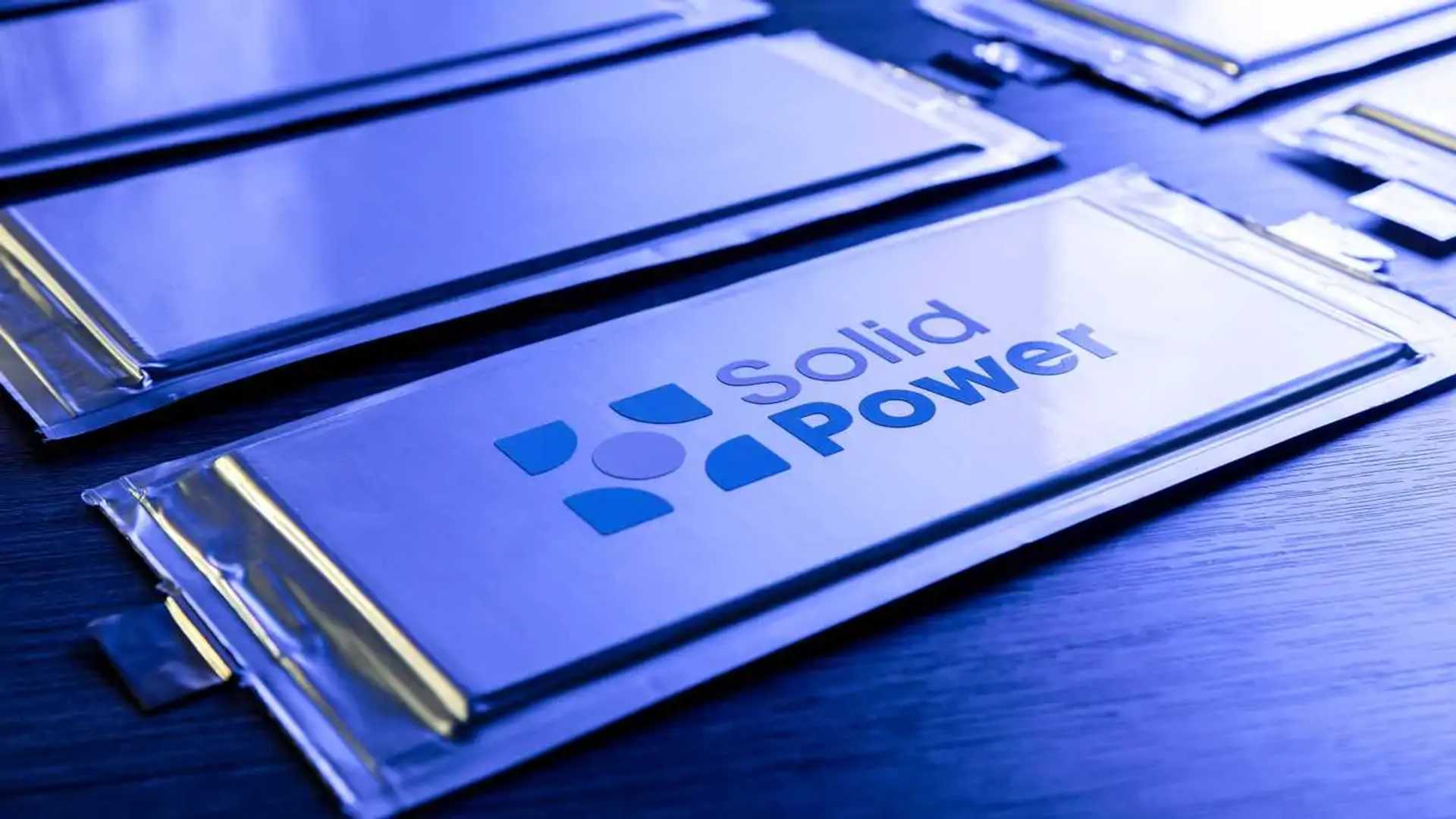
- Colorado-based Solid Power is spearheading efforts by focusing on developing and supplying specialized solid electrolytes, a critical component, rather than entire battery cells.
- The company’s sulfide-based solid electrolyte promises enhanced energy density (up to 440 Wh/kg), faster charging, and improved safety compared to traditional lithium-ion batteries.
- Solid Power secured a $50 million U.S. Department of Energy grant in 2024 to advance its development, underscoring national interest in the technology.
- Partnerships with automotive giants like Ford and BMW, alongside battery manufacturers such as Samsung SDI and SK ON, are crucial for scaling production and integrating the technology into electric vehicles.
- The commissioning of Solid Power’s Mobius pilot production line in Thornton, Colorado, marks a significant step towards commercialization, aiming for broader adoption in EVs by the early 2030s.
The global race for advanced battery technology is intensifying, with the United States eyeing a significant opportunity to redefine its position in the competitive landscape. While Asian giants have largely led the charge in conventional lithium-ion battery production, the advent of solid-state batteries presents a new frontier where American innovation could secure a substantial lead. This transformative potential is echoed by industry leaders, including the CEO of Solid Power, a Colorado-based specialist in solid electrolytes.
Solid Power is one of several agile American startups, alongside California’s QuantumScape and Massachusetts’ Factorial, that are at the forefront of the quest to commercialize solid-state batteries. These companies are driven by the promise of next-generation power solutions that could fundamentally alter the capabilities and safety profiles of electric vehicles (EVs).
The Transformative Promise of Solid-State Batteries
Battery scientists universally acknowledge that solid-state cells hold the key to unlocking superior performance metrics for electric vehicles. This includes substantially increased driving ranges, dramatically faster charging speeds, and, critically, the virtual elimination of fire risks often associated with current lithium-ion batteries that rely on flammable liquid electrolytes.
Despite these compelling advantages, the commercialization of solid-state batteries has faced formidable hurdles. Manufacturing these sophisticated power units at scale, without introducing defects that compromise performance or safety, has proven exceptionally challenging. The technology has consistently been described as “just around the corner” for many years, leading to a degree of anticipation and skepticism within the industry.
However, Solid Power remains optimistic about the trajectory of this advanced battery technology. The company projects that solid-state batteries will begin appearing in select high-end electric vehicles by the end of this decade. A broader market adoption, which would signal a more widespread integration across various EV segments, is anticipated to follow in the early 2030s, reshaping the future of electric mobility.

Recognizing the strategic importance of this development, the U.S. government has also stepped in to support these critical advancements. Solid Power notably secured a substantial $50 million grant from the U.S. Department of Energy in 2024. This funding, allocated under the Bipartisan Infrastructure Law, is a clear indication of national commitment to accelerating the research and development efforts in solid-state battery technology.
Solid Power’s Strategic Focus on Electrolyte Innovation
Unlike some of its direct competitors who are pursuing a vertically integrated approach to build entire solid-state battery cells, Solid Power has adopted a highly specialized strategy. The company has chosen to concentrate its expertise on a single, yet immensely crucial, component: the electrolyte. This material is fundamental to battery function, acting as the medium through which lithium ions traverse between the positive and negative electrodes during charging and discharging cycles.
In conventional lithium-ion batteries, this electrolyte is typically a highly flammable liquid chemical. However, in the realm of solid-state batteries, researchers and developers are exploring three primary categories of solid electrolytes: polymers, oxides, and sulfides. Each offers distinct advantages and challenges in terms of performance, manufacturability, and material stability.
Solid Power has strategically placed its bet on the third option, developing a flexible sulfide-based solid electrolyte. This particular choice is central to the company’s vision for how the United States can reclaim its competitive footing in the battery sector. John Van Scoter, President and CEO of Solid Power, articulated this perspective in an interview with InsideEVs, highlighting the potential for this design to seamlessly integrate into existing production processes used by established battery manufacturers.
“All solid-state batteries can be the way that [the U.S.] can get back in and be competitive in the battery industry,” Van Scoter stated, emphasizing the strategic importance of their specialized approach. This focus allows major battery producers to adopt the advanced electrolyte without necessitating entirely new factory infrastructure, thus potentially accelerating the commercialization timeline.
Advancing Production: The Mobius Pilot Line
A significant milestone in Solid Power’s journey towards commercialization was achieved recently with the commissioning of its Mobius pilot production line. Located at the company’s facility in Thornton, Colorado, this state-of-the-art line represents a crucial step in translating laboratory breakthroughs into scalable manufacturing capabilities. The primary objective of Mobius is to produce and distribute its proprietary solid electrolytes to some of the most influential players in the automotive and battery industries globally.
Solid Power has already cultivated robust relationships with major industry entities, including American automotive giant Ford, German luxury automaker BMW, and leading Asian battery manufacturers such as Samsung SDI and SK ON. The company also indicated collaborations with additional unnamed partners, signaling broad industry interest in their electrolyte technology. Rather than developing complete solid-state batteries themselves, Solid Power’s model involves supplying its advanced electrolyte, allowing battery manufacturers to integrate it into their own cell designs. This collaborative approach enables joint testing, refinement, and eventual mass production.
According to Van Scoter, the initial joint development agreements with Ford and BMW have been successfully concluded. The company’s strategic focus is now shifting towards working hand-in-hand with these major battery manufacturers to tackle the complexities of scaling up production. This transition from development to large-scale manufacturing is often the most challenging phase for new battery technologies.
The Mobius pilot line is projected to be fully operational by the close of the current year, adding a substantial annual production capacity of 45 metric tons of solid electrolyte. When combined with Solid Power’s existing facilities, this expansion will elevate the total pilot capacity to an impressive 75 metric tons per year. This increased capacity is vital for providing sufficient material to partners for comprehensive testing and validation processes, moving closer to eventual widespread adoption.
Performance Benchmarks and Manufacturing Advantages
The core question for any new battery technology revolves around its performance capabilities. Solid Power’s sulfide electrolyte, when integrated with a silicon anode and a nickel manganese cobalt (NMC) cathode, demonstrates remarkable potential. This configuration can elevate a cell’s energy density to an impressive 390 watt-hours per kilogram (Wh/kg), while also maintaining a robust lifespan of over 1,000 cycles.
To put this into perspective, modern NMC batteries that rely on liquid electrolytes typically offer energy densities in the range of 250 to 280 Wh/kg. This highlights a significant leap in energy storage capability promised by Solid Power’s innovative electrolyte. Furthermore, the company claims that if a lithium metal anode is incorporated, the energy density could potentially increase even further, reaching up to 440 Wh/kg, which would represent nearly double the capacity of an average lithium-ion battery available today.
It is important to note that these figures represent theoretical potentials. The ultimate energy density and performance metrics of a finalized solid-state battery cell will inherently depend on the specific design choices and manufacturing processes implemented by the battery maker who integrates Solid Power’s electrolyte. Van Scoter clearly articulated this distinction: “We create the magic that allows the cell to work. But it’s up to the cell design as to energy densities, cycle life, all those other important attributes.”
Another significant advantage touted by Solid Power is the compatibility of its technology with existing manufacturing infrastructure. The company asserts that its solid-state battery technology does not necessitate the construction of entirely new factories or prohibitively expensive retooling of current facilities. This aspect is crucial for rapid deployment and cost-effectiveness in a highly capital-intensive industry.
“We can use standard [lithium-ion battery] roll to roll equipment in order to build all solid state cells,” Van Scoter confirmed. This capability could dramatically lower the barrier to entry for established battery manufacturers, accelerating their transition to solid-state production and potentially giving the U.S. a strategic advantage in developing solid-state batteries without massive capital outlays for new lines.
Addressing Technical Challenges: The Dendrite Dilemma
Despite the numerous advantages, the development of solid-state batteries is not without its persistent technical challenges. One of the most well-known issues is dendrite formation. These are minute, needle-like structures of lithium that can progressively grow within a battery cell during repeated charging and discharging cycles. If these dendrites proliferate, they can puncture the solid electrolyte, leading to internal short circuits and a gradual, but irreversible, loss of battery capacity.
Solid Power has dedicated significant engineering resources to mitigate this critical problem. Van Scoter indicated that extensive research and development efforts have been directed towards designing their sulfide electrolyte and cell architectures in a way that effectively addresses and suppresses dendrite growth, ensuring long-term stability and safety for solid-state batteries.
Collaborations and Competitive Landscape
Solid Power’s approach to commercialization is deeply rooted in collaboration. The company is not starting from scratch when engaging with automakers. A notable example is BMW, which last year unveiled images of a prototype i7 luxury sedan equipped with a solid-state battery that featured Solid Power’s silicon anode technology. This demonstration underscores the tangible progress being made through these partnerships.
Further cementing this strategic alliance, BMW, Samsung SDI, and Solid Power have formalized a three-way agreement to jointly advance the technology toward commercial production. Under this collaborative framework, Samsung SDI is tasked with manufacturing the solid-state cells, while BMW will focus on developing the sophisticated battery modules and packs that integrate these cells into vehicles. Solid Power, in its specialized role, will supply the crucial solid electrolyte. While the exact timeline for witnessing the fruits of this significant partnership in consumer vehicles remains undisclosed, it represents a powerful convergence of expertise.
The broader American solid-state battery landscape features diverse strategies. Competitors such as QuantumScape are pursuing a more vertically integrated model, developing entire solid-state cells in-house. QuantumScape has formed alliances with major automakers like Volkswagen and Honda to commercialize its proprietary technology. Similarly, Massachusetts-based Factorial has seen its solid-state cells undergo testing in prototype vehicles by industry giants Mercedes-Benz and Stellantis, highlighting the varied approaches to bringing this advanced technology to market.
Future Applications Beyond Passenger Vehicles
While the ultimate goal for many solid-state battery developers is integration into the burgeoning electric vehicle market, Solid Power anticipates that the technology may find its initial commercial traction in other demanding applications. The company believes that sectors such as defense, unmanned aerial vehicles (drones), and humanoid robots could serve as earlier adopters for solid-state batteries.
Van Scoter explained the rationale behind this projection, noting that for applications like drones and robots, “The qualification cycles are shorter and the cycle life of the platform is much faster.” This means that the rigorous testing and validation processes required for automotive integration can be more protracted, whereas these niche applications offer a quicker pathway for market entry and technology refinement. Success in these high-performance sectors could then pave the way for broader automotive adoption, demonstrating the technology’s reliability and superior capabilities.
The United States previously lagged in capitalizing on the initial boom of lithium-ion battery technology, allowing Asian manufacturers to dominate the market. The current advancements in solid-state batteries present a critical juncture. Whether American companies, particularly specialists like Solid Power, can successfully bring these next-generation power solutions across the finish line ahead of international competitors remains a pivotal question, one that only time and continued innovation will answer.
Frequently Asked Questions (FAQ)
What are solid-state batteries?
Solid-state batteries are a next-generation battery technology that replaces the flammable liquid electrolyte found in traditional lithium-ion batteries with a solid material. This fundamental change offers significant advantages, including higher energy density for extended range, faster charging capabilities, and greatly enhanced safety due to the elimination of combustible liquids.
How do solid-state batteries differ from current lithium-ion batteries?
The primary difference lies in the electrolyte: solid-state batteries use a solid, non-flammable material instead of a liquid. This enables higher energy density, allowing more power to be stored in a smaller, lighter package. They also promise improved safety by mitigating fire risks and potentially longer lifespans, addressing key limitations of existing lithium-ion technology.
What is Solid Power’s role in solid-state battery development?
Solid Power specializes in developing and manufacturing sulfide-based solid electrolytes, a critical component of solid-state batteries. Unlike some competitors, the company focuses on supplying this advanced material to established battery and automotive manufacturers, rather than producing entire battery cells, aiming for easier integration into existing production lines.
When can we expect solid-state batteries in electric vehicles?
Solid Power projects that solid-state batteries will begin appearing in select high-end electric vehicles by the end of this decade, around 2029-2030. Broader adoption across a wider range of EVs is anticipated to follow in the early 2030s, as manufacturing processes scale up and costs become more competitive for the mass market.
What are the key benefits of Solid Power’s sulfide electrolyte?
Solid Power’s sulfide electrolyte is designed to increase battery cell energy density significantly, potentially reaching 390 Wh/kg with a silicon anode and up to 440 Wh/kg with a lithium metal anode. It also aims to maintain over 1,000 cycles, improve charging speeds, and enhance safety by using a solid, non-flammable material. The design also allows for compatibility with standard lithium-ion production equipment.
What challenges does solid-state battery technology still face?
Despite significant progress, solid-state batteries still face manufacturing challenges, particularly in scaling production without defects. A persistent technical issue is dendrite formation, where needle-like lithium structures can grow and cause short circuits or capacity loss. Researchers, including those at Solid Power, are actively working on engineering solutions to overcome these hurdles for widespread commercial viability.