
Key Takeaways:
- Volkswagen Group has become Rivian’s largest shareholder, surpassing Amazon after more than five years.
- The German automotive giant has invested approximately $3 billion in the electric vehicle startup, with an additional $2.8 billion committed pending the achievement of strategic milestones.
- Volkswagen now holds a 15.9% stake in Rivian, according to recent SEC filings.
- A joint venture formed in November 2024 between the two companies focuses on developing advanced electrical architecture and software for future electric vehicles.
- This strategic Volkswagen Rivian partnership is poised to significantly influence the trajectory of both companies and the broader EV market.
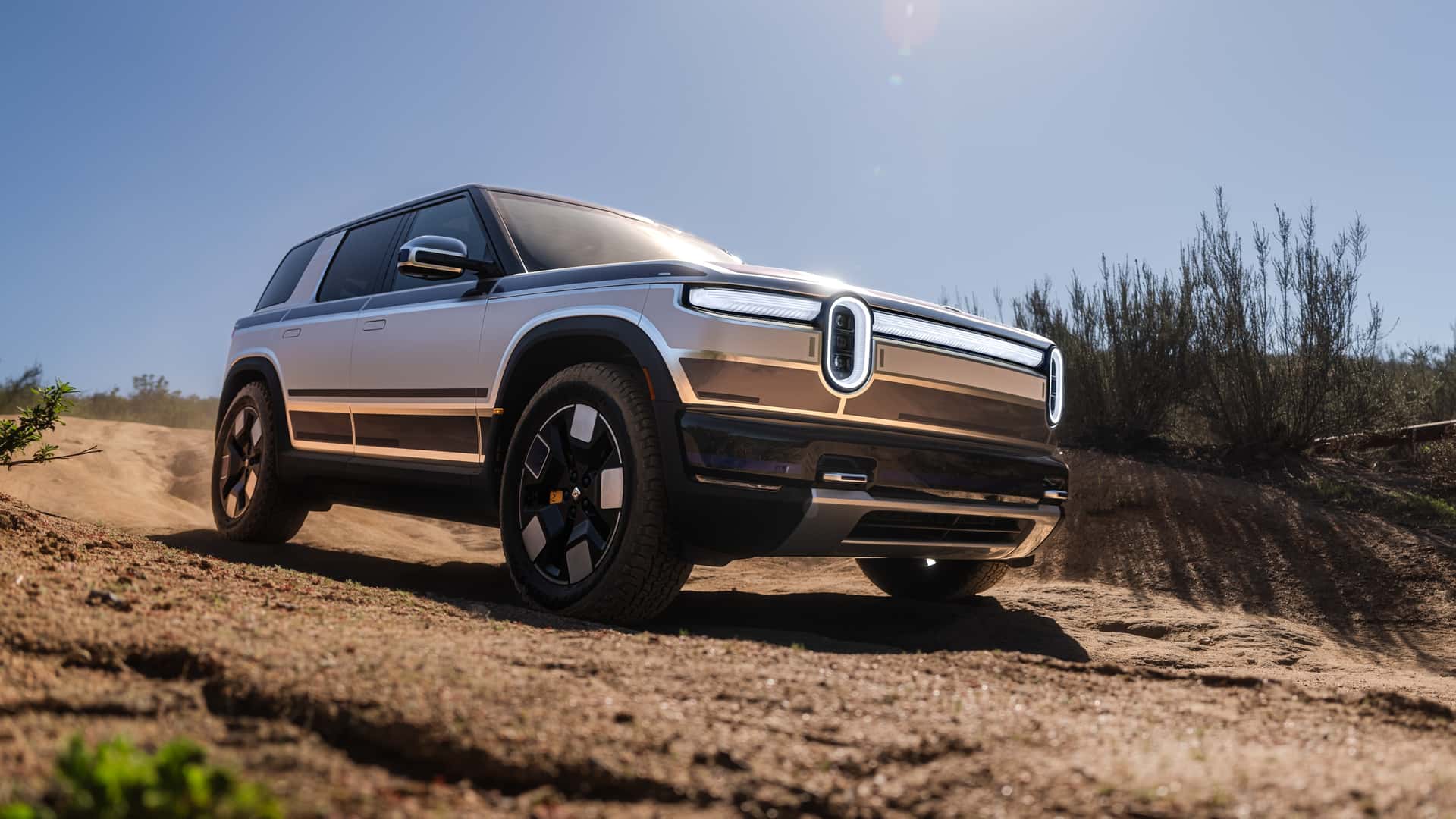
In a significant realignment within the rapidly evolving electric vehicle (EV) industry, Volkswagen Group has officially taken the helm as Rivian’s largest shareholder. This pivotal development marks a new chapter for the California-based EV manufacturer, known for its acclaimed R1S SUV and R1T pickup truck, as it works towards delivering its more accessible R2 SUV model.

The German automotive conglomerate’s increased investment places it ahead of e-commerce giant Amazon, which had held the top shareholder position in Rivian for over five years. This shift underscores a growing trend of traditional automakers forging strategic alliances with pioneering EV startups to accelerate technological development and market penetration.
Shift in Shareholding Dynamics
According to the latest documents filed by Rivian with the U.S. Securities and Exchange Commission (SEC) earlier this week, Volkswagen Group now possesses 209.7 million shares of Rivian stock. This substantial holding translates to a 15.9% ownership stake in the innovative EV company, a figure first highlighted by industry observers like TechCrunch.
This considerable increase follows a series of calculated investments by Volkswagen, transforming its initial engagement into a dominant financial position. The strategic move reflects Volkswagen’s ambitious drive to bolster its capabilities in the burgeoning electric vehicle segment, particularly concerning cutting-edge software and electrical architecture.

Amazon’s Evolving Stake
The change in Rivian’s primary shareholder sees Amazon, a long-standing backer and significant customer, transition to the second-largest stakeholder. Amazon now holds a 12.28% stake in the EV startup, a notable reduction from its previously disclosed 20% stake in 2021.
Amazon’s initial substantial investment and its landmark 2019 order for 100,000 electric delivery vans played a crucial role in Rivian’s early growth and market validation. While its proportional ownership has decreased over recent years, Amazon remains a key strategic partner and a major customer, highlighting the multifaceted relationships within the EV ecosystem.
The Volkswagen-Rivian Strategic Alliance
The foundation of this expanded shareholding lies in a broader, ambitious Volkswagen Rivian partnership. This strategic collaboration extends beyond mere financial investment, focusing on critical technological advancements that are set to shape the future of electric mobility. The German automaker has committed a total of $5.8 billion in the California startup, a substantial investment designed to fuel innovation and accelerate product development.
A core component of this alliance is a joint venture established in November 2024, explicitly dedicated to the development of advanced electrical architecture and software for electric vehicles. This collaboration aims to leverage Rivian’s agile development processes and software expertise with Volkswagen’s vast engineering resources and global manufacturing scale.
Milestones and Future Investments
The committed $5.8 billion investment from Volkswagen is structured to flow into Rivian in phases, contingent on the achievement of specific developmental milestones. The partnership commenced with an initial $1 billion investment, followed by another $1 billion infusion last year, demonstrating Volkswagen’s sustained confidence in Rivian’s potential.
Most recently, another $1 billion tranche was unlocked following the successful winter testing of the Volkswagen ID. Every1 city EV. This upcoming compact electric vehicle is slated to be the first production model to integrate the advanced software and electrical architecture developed through the joint venture, signaling tangible progress in the Volkswagen Rivian partnership.
Implications for the EV Market
This major investment and strategic alliance between Volkswagen and Rivian carries significant implications for both companies and the broader electric vehicle market. For Rivian, the influx of capital is critical for scaling production, expanding its model lineup, and achieving greater economies of scale as it prepares for the launch of its more affordable R2 SUV.
The Volkswagen Rivian partnership also provides Rivian with an established automotive giant’s expertise in large-scale manufacturing and global supply chains, potentially streamlining its path to profitability and wider market acceptance. This collaboration could also accelerate Rivian’s ability to compete with established players and other fast-growing EV startups.
Rivian’s Product Development and Global Reach
Rivian, known for its robust R1S and R1T vehicles, is currently channeling significant efforts into the development and eventual delivery of the R2 SUV, an offering designed to be more accessible to a broader consumer base. This model, along with future iterations, stands to benefit immensely from the technological innovations stemming from the joint venture with Volkswagen. Access to advanced electrical architecture and software is paramount for developing competitive, feature-rich, and efficient next-generation EVs.
For Volkswagen, the alliance offers a crucial pathway to enhance its own EV software capabilities, an area where many traditional automakers are striving to catch up with agile tech-focused companies. Integrating Rivian’s developed technology into models like the ID. Every1 suggests a faster route to market for advanced EV components and systems, strengthening Volkswagen’s competitive edge in the global electric vehicle race.
The strategic move by Volkswagen to become Rivian’s biggest shareholder marks a significant juncture in the electric vehicle industry. It highlights a growing trend of collaborative efforts between legacy automakers and innovative startups to pool resources, accelerate technological advancements, and navigate the complex challenges of the EV transition. This Volkswagen Rivian partnership is set to drive substantial innovation, impacting future EV designs, software integration, and the overall competitive landscape for years to come.
FAQ Section
Who is Rivian’s largest shareholder now?
Volkswagen Group has become Rivian’s largest shareholder, displacing Amazon. According to recent SEC filings, Volkswagen now holds a 15.9% stake in the California-based electric vehicle manufacturer, reflecting a substantial strategic investment.
What is the Volkswagen-Rivian partnership focused on?
The Volkswagen-Rivian partnership is primarily focused on a joint venture dedicated to developing cutting-edge electrical architecture and software platforms for electric vehicles. This collaboration aims to leverage the strengths of both companies to accelerate technological innovation in the EV space.
How much is Volkswagen investing in Rivian?
Volkswagen Group has committed a total investment of $5.8 billion in Rivian. This includes an initial $1 billion, a subsequent $1 billion, and an additional $1 billion recently unlocked after key development milestones, with the remaining funds tied to future achievements.
How did Amazon’s stake in Rivian change?
Amazon’s stake in Rivian has decreased from a high of 20% in 2021 to its current 12.28%. While no longer the largest shareholder, Amazon remains a significant investor and a major customer for Rivian’s electric delivery vans.
What is the significance of the Volkswagen ID. Every1’s winter testing?
The successful winter testing of the Volkswagen ID. Every1 city EV was a crucial milestone that unlocked another $1 billion investment in the partnership. This upcoming small EV will be the first production car to feature the electrical architecture and software developed through the joint Volkswagen-Rivian venture.
What are the benefits of this partnership for Rivian?
For Rivian, the Volkswagen partnership provides critical capital for scaling operations, substantial expertise in global manufacturing, and a robust platform for developing next-generation EV software and architecture. This support is vital as Rivian works to expand its product line, including the more affordable R2 SUV.
What are the benefits of this partnership for Volkswagen?
Volkswagen benefits from gaining access to Rivian’s advanced EV software and electrical architecture, potentially accelerating its own transition to electric vehicles and enhancing its technological competitiveness. The joint venture helps Volkswagen integrate cutting-edge EV components into its future models more efficiently.