
Key Takeaways
- Volkswagen has significantly expanded its collaboration with China’s Gotion, forming three new joint ventures to bolster European LFP battery production.
- This strategic move is central to VW’s ambition to mass-produce affordable electric vehicles, leveraging the cost-effectiveness and robustness of lithium iron phosphate (LFP) technology.
- Key facilities include a major LFP unified cell factory in Valencia, Spain (29.1 GWh), an LFP cell plant in Slovakia (8.4 GWh), and a cathode material facility in Morocco.
- The initiative aims to address Europe’s current lack of LFP battery production capacity and projects LFP’s market share in the continent to surge from 10% to 40-60% by 2030.
- This partnership is part of Volkswagen’s broader ‘unified’ prismatic battery cell strategy, designed to power various brands from VW to Porsche, and contributes to Europe’s efforts to diversify its EV battery supply chains.
In a decisive move poised to reshape the European electric vehicle (EV) landscape, German automotive giant Volkswagen Group has announced a substantial expansion of its partnership with Chinese battery manufacturer Gotion. This strategic alliance involves the establishment of three new joint ventures, designed to construct a robust European manufacturing base for advanced lithium iron phosphate (LFP) batteries. This development is a cornerstone of Volkswagen’s comprehensive European battery strategy, aimed at delivering affordable electric mobility to a broader consumer base.
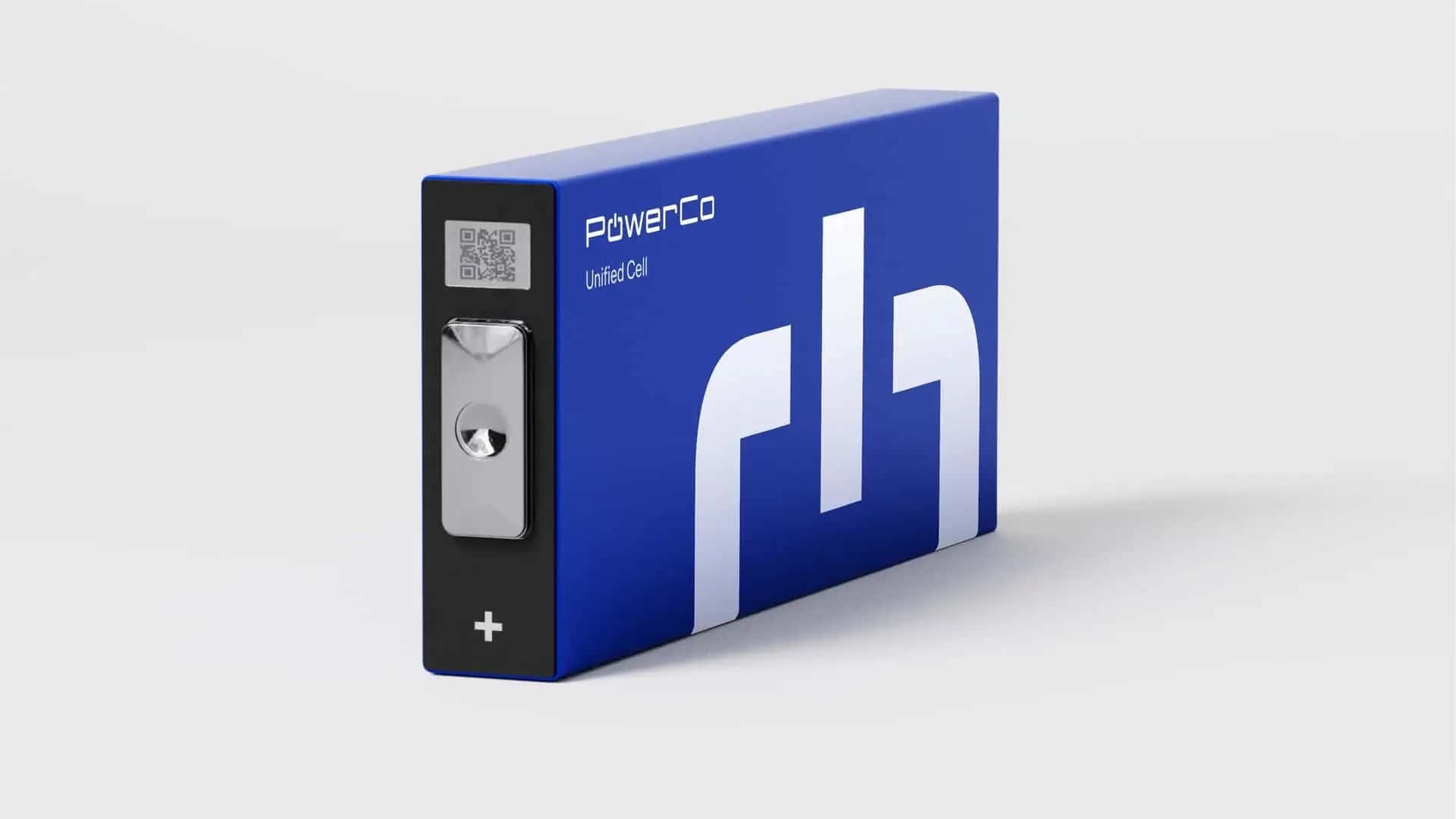
The announcement on Monday underscores Volkswagen’s commitment to its ambitious electrification goals amidst a period of significant internal restructuring. Facing intense competition and rising operational costs, the automaker is streamlining its operations, including job cuts and a reduction in its model lineup. However, its electric vehicle aspirations remain undimmed, largely centered around a revolutionary ‘unified’ prismatic battery cell, developed by its dedicated battery subsidiary, PowerCo.

A Strategic Alliance for European Battery Independence
Volkswagen’s partnership with Gotion is more than a simple collaboration; it represents a deep strategic realignment to secure critical components for its future EV models. The chosen LFP battery technology is renowned for its cost-effectiveness, durability, and enhanced safety profile. While historically challenged by lower energy density compared to nickel-based chemistries, recent technological advancements have significantly narrowed this gap, making LFP a highly attractive option for the mass-market segment.
The global LFP supply chain is currently dominated by China, which holds a commanding position in both raw material processing and cell manufacturing. Volkswagen’s expanded partnership with Gotion directly addresses this dependency, aiming to localize production and strengthen Europe’s nascent battery industry. This localization is critical for enhancing supply chain resilience and reducing the environmental footprint associated with long-distance transportation of battery components.
Unpacking the Joint Ventures: Investment and Capacity
The core of this new agreement revolves around significant investments and the establishment of key manufacturing facilities across Europe and North Africa. In a major development, Gotion will invest $1.25 billion to acquire a 49% stake in PowerCo’s highly anticipated gigafactory located in Valencia, Spain. This facility is envisioned as a central European hub for the production of LFP unified cells, boasting a substantial planned capacity of 29.1 gigawatt-hours (GWh), according to recent financial disclosures.

Concurrently, Volkswagen is committing approximately $535 million through 2030 to further its battery initiatives. This investment includes taking a 49% stake in Gotion’s existing factory in Slovakia, which is projected to have an 8.4 GWh capacity. This Slovakian plant will be instrumental in manufacturing LFP cells for both electric vehicles and stationary energy storage applications, diversifying its output to meet broader energy needs.
Complementing these European sites, a crucial new facility is planned for Morocco. This strategic Moroccan operation will focus on the production of cathode material, a vital component for LFP batteries. Establishing a cathode production base closer to European manufacturing sites will further enhance supply chain stability and reduce reliance on distant sources, aligning with Volkswagen’s long-term sustainability and localization objectives.
The Rationale Behind LFP: Affordability and Market Shift
Volkswagen has explicitly identified LFP as a "key technology for affordable electric mobility in the volume segment." This statement underscores a significant shift in the automotive industry, as manufacturers increasingly prioritize cost efficiency and accessibility to drive mass EV adoption. LFP batteries offer a lower cost per kilowatt-hour, making electric vehicles more attainable for a wider range of consumers.
The company also highlighted the projected surge in LFP battery adoption within Europe. Currently, LFP accounts for approximately 10% of the European battery market. However, projections indicate a dramatic increase, with LFP’s share potentially rising to between 40% and 60% by 2030. This anticipated growth is a critical factor driving Volkswagen’s proactive investment. Notably, Volkswagen emphasized that "Europe currently has no relevant LFP battery production capacity," highlighting the urgent need for local manufacturing capabilities that this partnership aims to address.
Volkswagen’s Unified Cell Concept: A Vision for the Future
Central to Volkswagen’s overarching battery strategy is its ‘unified’ prismatic cell concept. Developed by PowerCo, this innovative battery cell is designed to be highly versatile, capable of housing various battery chemistries within a standardized form factor. This modular approach is intended to streamline production, reduce complexity, and achieve economies of scale across Volkswagen’s diverse portfolio of brands.
The unified cell’s adaptability means it can be tailored to meet the specific performance requirements of different vehicle segments. For instance, mass-market vehicles from the core Volkswagen brand might utilize LFP chemistry for its cost-effectiveness and durability, while high-performance luxury models from brands like Porsche could employ chemistries optimized for maximum energy density and power output. This flexibility is a significant competitive advantage, allowing VW to optimize its offerings across the market spectrum.
Beyond LFP: The Future of VW’s Battery Chemistry
While LFP is a critical immediate focus for affordable EVs, Volkswagen’s unified cell vision extends far beyond it. The architecture is engineered to accommodate future battery technologies, including potentially solid-state batteries. Solid-state technology promises even higher energy densities, faster charging capabilities, and improved safety, representing the next frontier in battery development. By designing a flexible cell format now, Volkswagen is future-proofing its EV strategy, allowing for seamless integration of new chemistries as they mature.
This forward-looking approach ensures that Volkswagen remains at the forefront of battery innovation, capable of adapting to evolving technological landscapes and consumer demands. The ability to switch between chemistries within a unified cell design also provides a strategic hedge against potential supply chain disruptions or sudden shifts in raw material availability and pricing.
Reshaping the Global EV Battery Landscape
Volkswagen’s decision to expand its LFP production in Europe with a Chinese partner reflects broader trends in the global EV battery market. As the world transitions to electric mobility, securing reliable and diversified battery supply chains has become a paramount concern for automakers and governments alike. The strategic importance of battery manufacturing is now on par with traditional automotive assembly.
The China Connection in LFP Dominance
China’s preeminence in LFP battery technology stems from years of investment in research, development, and manufacturing capacity. Chinese companies like CATL and Gotion have perfected LFP production processes and scaled up output to meet surging demand, particularly within China’s vast domestic EV market. This dominance has naturally led global automakers seeking LFP solutions to look towards Chinese partners.
However, the geopolitical landscape and the desire for regional self-sufficiency are driving efforts to decentralize LFP production. While partnerships with Chinese firms bring invaluable expertise and proven technology, the ultimate goal for many Western automakers and regions is to build indigenous manufacturing capabilities, thereby reducing dependency and strengthening local economies.
Global & European Efforts to Diversify Supply Chains
Volkswagen is not alone in its efforts to localize LFP production outside China. Across the globe, similar initiatives are taking shape. In the United States, Ford has licensed technology from Chinese battery giant CATL to produce its own LFP cells in Michigan, destined for vehicles like its upcoming Fathom pickup. Gotion itself is establishing an Illinois factory to supply LFP cells for vehicles such as the Slate pickup truck.
Furthermore, Tesla and LG have initiated LFP cell production in the U.S. this year, primarily for stationary energy storage systems, indicating a wider application of this battery chemistry beyond just passenger vehicles. In Europe, the momentum for local LFP production is also building. Stellantis, another major European automaker, is collaborating with CATL to construct a substantial 50 GWh LFP plant in Zaragoza, Spain, with operations slated to commence next year. These parallel developments highlight a concerted global push to diversify and localize LFP battery manufacturing.
Challenges and Opportunities in Europe’s EV Transition
Volkswagen’s expanded European battery strategy presents both significant opportunities and inherent challenges for the continent’s automotive sector and broader energy transition. The establishment of gigafactories and cathode material facilities will undoubtedly create new jobs, stimulate economic growth in host regions like Valencia, Slovakia, and Morocco, and foster a more integrated European EV supply chain.
However, scaling up battery production to meet projected demand requires massive investments, access to skilled labor, and a reliable supply of raw materials, which themselves face environmental and ethical scrutiny. The success of Volkswagen’s unified cell and LFP push will depend on efficient factory ramp-ups, continuous innovation to improve battery performance, and the ability to navigate complex global trade dynamics.
Sustainable Mobility Goals
Ultimately, Volkswagen’s strategic pivot towards LFP and localized European production is instrumental in achieving sustainable mobility goals. By making electric vehicles more affordable and accessible, the company aims to accelerate the transition away from fossil-fuel-powered cars. The focus on LFP, a chemistry that often uses less critical and more abundant raw materials compared to nickel-cobalt variants, also contributes to a more sustainable battery ecosystem. This comprehensive Volkswagen’s European battery strategy is a critical component in the broader drive towards a greener automotive future.
The long-term impact of these investments will extend beyond Volkswagen, influencing the entire European automotive industry by fostering a robust domestic battery ecosystem. This move positions Europe more firmly as a significant player in the global EV market, reducing its reliance on external suppliers and securing its future in the electric age.
FAQ Section
Why is Volkswagen investing heavily in LFP batteries?
Volkswagen is prioritizing LFP (lithium iron phosphate) batteries due to their cost-effectiveness, robustness, and improved energy density. LFP is crucial for making electric vehicles more affordable for the mass market, aligning with VW’s goal of widespread EV adoption. This strategic investment also aims to secure supply chains and strengthen Europe’s battery manufacturing capabilities.
What is Volkswagen’s ‘unified’ cell concept?
The ‘unified’ cell is a standardized, prismatic battery cell developed by Volkswagen’s PowerCo subsidiary. It’s designed to house various battery chemistries, including LFP and potentially solid-state, within a single, scalable format. This approach simplifies manufacturing, reduces costs, and allows for flexible application across VW’s diverse vehicle brands, from entry-level models to high-performance vehicles.
Where are the new LFP battery facilities located?
Volkswagen’s expanded partnership with Gotion includes three key locations. A major LFP unified cell factory will be established in Valencia, Spain. Additionally, there will be an LFP cell production plant in Slovakia, and a new facility dedicated to producing cathode material for LFP batteries will be built in Morocco. These locations aim to create a comprehensive European battery production network.
How will this partnership impact Europe’s battery industry?
This partnership is expected to significantly bolster Europe’s battery industry, particularly in LFP cell production, where the continent currently lacks substantial capacity. By localizing manufacturing, it will enhance supply chain resilience, create new jobs, and reduce Europe’s dependence on external suppliers, especially from China, while supporting the region’s overall electric mobility transition.
What is the projected market share of LFP batteries in Europe?
Volkswagen projects a substantial increase in LFP battery market share in Europe. Currently standing at approximately 10%, the share of LFP technology in the European battery market is anticipated to rise significantly, potentially reaching between 40% and 60% by the year 2030. This growth underscores LFP’s increasing importance for affordable EVs.
How does Volkswagen’s strategy compare to other automakers?
Volkswagen’s strategy mirrors a broader industry trend among automakers to localize and diversify LFP battery production. Companies like Ford, Tesla, LG, and Stellantis are also investing in LFP manufacturing outside of China, often through partnerships with established Chinese battery firms like CATL. VW’s approach is distinguished by its ‘unified’ cell concept and extensive European investment plan.