
Key Takeaways (TL;DR)
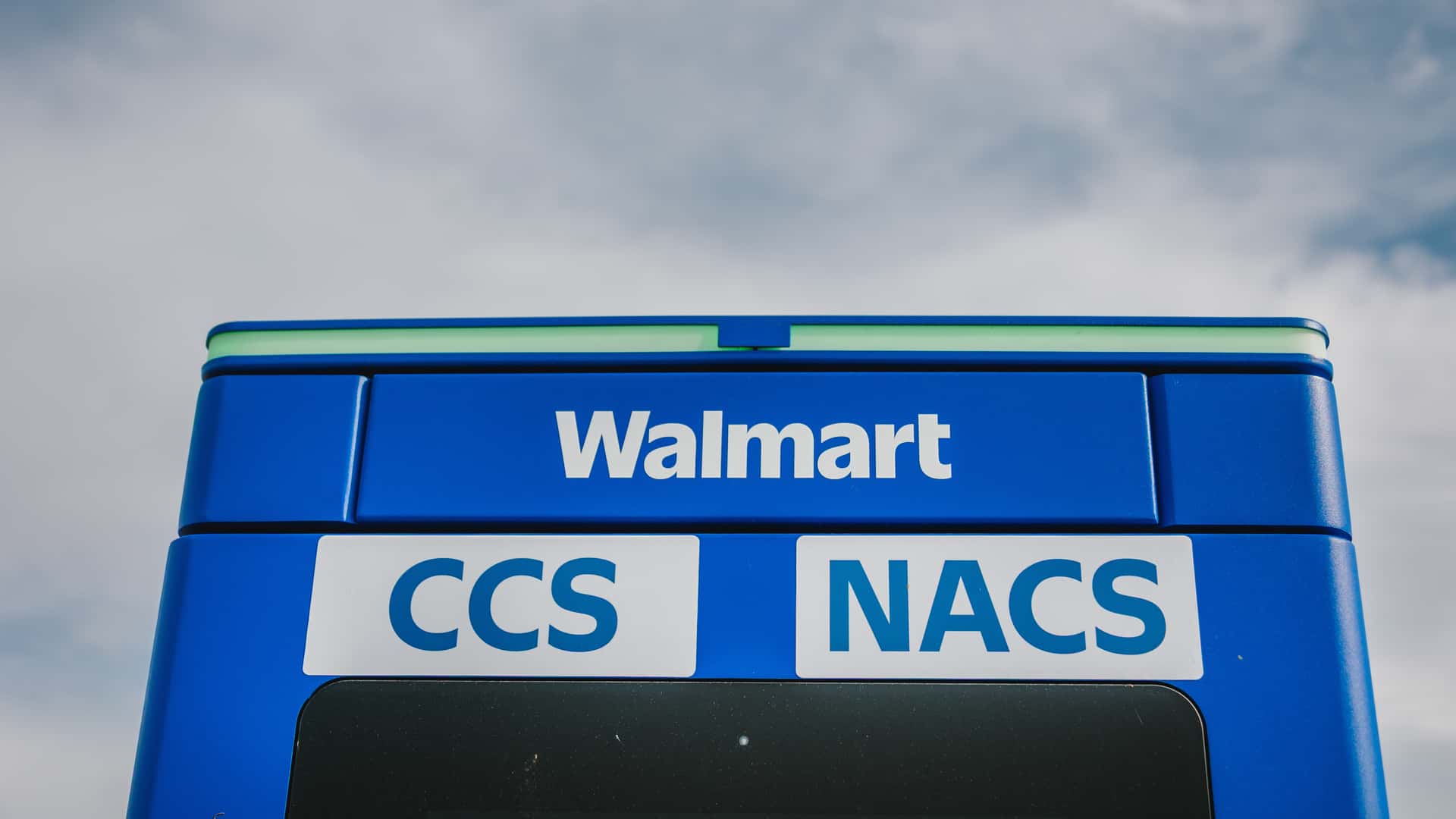
- Walmart dramatically accelerated its EV charging infrastructure deployment in Q2, installing 368 new DC fast charging ports.
- This surge positioned Walmart as the second-largest installer of new public fast chargers in the U.S. for the quarter, surpassed only by Tesla.
- The retail giant outpaced established charging networks like Electrify America, ChargePoint, Red E, and Ionna during this period.
- Walmart’s extensive network of over 3,500 Supercenters provides a unique structural advantage for rapid expansion, especially in underserved rural areas.
- The company’s ambitious plans to install thousands of chargers by the end of the decade are poised to significantly boost electric vehicle adoption nationwide.
America’s electric vehicle (EV) fast-charging market continues to evolve at a remarkable pace, presenting quarterly surprises that reshape the national infrastructure landscape. Despite some shifts in EV sales momentum, the expansion of the fast-charging network remains robust. While new entities like Ionna have quickly scaled up, deploying hundreds of new ports within a year of their market entry, it is retail behemoth Walmart that has recently demonstrated an extraordinary surge in its charging ambitions, posting impressive deployment figures for the second quarter of the year.
This rapid expansion positions the Walmart EV charging network as a formidable player in the burgeoning sector. The company’s strategic leverage of its vast real estate holdings and widespread geographic presence could significantly accelerate electric vehicle adoption, particularly in regions where charging infrastructure has historically lagged.
Walmart’s Meteoric Rise in EV Charging Deployments
Recent data from Paren, a leading EV charging data platform, reveals a significant shift in the competitive landscape of fast-charger deployments across the United States. In the second quarter, the Walmart EV charging network outranked nearly every other charging network, with the sole exception of Tesla, in the installation of new direct current (DC) fast charging ports.
During Q2, Walmart added an impressive 368 new ports to its growing infrastructure. This figure places it notably behind Tesla’s 1,185 new installations but squarely ahead of other prominent networks such as ChargePoint, which added 333 ports; Red E, with 315; and Electrify America, which deployed 202 new ports. This substantial deployment means that the Walmart EV charging network alone accounted for a significant 8.4% of all new public fast-charging stations activated in the U.S. during the second quarter of the year.
Such a surge is particularly remarkable given Walmart’s historical position in the market. In the first quarter, the retail giant ranked ninth in overall deployments. Just a few months prior, in the fourth quarter of the previous year, it did not even feature in the top ten. This rapid ascent underscores a serious commitment and an accelerating strategy for the Walmart EV charging network, propelling it to become the country’s second-fastest-growing EV charging provider within a span of merely a few months.
While its all-time market share for EV charging remains below 1%, the trajectory of its recent growth indicates a powerful new force in electric vehicle infrastructure. This strategic expansion is not just about numbers; it reflects a broader ambition to integrate essential services for EV owners directly into daily routines, leveraging Walmart’s established presence.
Unpacking the Strategic Advantage of Walmart’s Footprint
The burgeoning success of the Walmart EV charging network is deeply rooted in an unparalleled structural advantage that few, if any, other charging providers can match. With a formidable footprint comprising more than 3,500 Supercenters strategically located across the nation, Walmart possesses a foundational asset that significantly streamlines its expansion efforts.
A primary benefit of this extensive real estate portfolio is the elimination of common logistical and financial hurdles. Unlike other networks that must navigate complex lease negotiations or seek permission from various landowners, Walmart already owns the properties where its stores reside. This proprietary ownership allows for much quicker decision-making and deployment processes, drastically reducing the time and cost typically associated with establishing new charging sites.
Furthermore, each Walmart store is accompanied by an expansive parking lot, providing ample space and considerable flexibility to construct large-scale charging sites. These sites can accommodate multiple charging stalls simultaneously, addressing the growing demand for public fast-charging stations. The ability to deploy numerous chargers at a single location enhances convenience for electric vehicle owners and optimizes the utilization of existing land resources.
Beyond mere infrastructure, the Walmart EV charging network offers a compelling proposition in terms of user experience. Shoppers can conveniently top up their electric vehicles while they engage in their regular grocery runs or other retail activities. This integration of charging into daily routines transforms a potential inconvenience into a productive use of time. Additionally, Walmart Supercenters inherently provide essential amenities such as readily accessible bathrooms and diverse food options. These conveniences help the Walmart EV charging network directly compete with, and in many cases surpass, modern amenity-providing stations that are purpose-built for charging, enhancing the overall appeal for drivers.
Walmart’s strategic advantage is further amplified by its demographic reach. The company proudly states that over 90% of the U.S. population resides within a 10-mile radius of one of its stores. This unprecedented proximity means that the expansion of the Walmart EV charging network has the potential to offer accessible and convenient charging solutions to a vast majority of American electric vehicle owners, significantly reducing range anxiety and making EV ownership a more viable option for a wider demographic.
Addressing the Rural-Urban Divide in EV Infrastructure
The rapid expansion of the Walmart EV charging network holds particular significance for addressing a critical imbalance in America’s current electric vehicle infrastructure: the pronounced rural-urban divide. According to analyses, existing EV chargers are predominantly concentrated in densely populated coastal metropolitan areas. Following these urban hubs, the industrial Midwest, the Southeast, and Texas exhibit a higher density of charging stations. However, large swaths of rural America continue to grapple with sparse charging options, posing a substantial barrier to electric vehicle adoption in these regions.
Walmart’s strategic buildout, leveraging its extensive footprint across both urban and rural landscapes, is uniquely positioned to bridge this infrastructure gap. The company’s vast network of stores, many of which are anchors in smaller towns and less populated areas, provides an ideal platform for deploying new public fast-charging stations where they are most needed. By establishing a robust Walmart EV charging network in these underserved locales, the retail giant can play a pivotal role in democratizing access to essential charging services.
This expansion into rural America is not merely hypothetical; Walmart has already outlined plans for new stations in states like Nebraska, Montana, Oklahoma, and Ohio, among several others. These targeted deployments are crucial for stimulating electric vehicle adoption in areas where charging infrastructure has traditionally been a major impediment. For residents in these states, the presence of reliable and convenient fast-charging options at local Walmart Supercenters can transform the perception of EV ownership from an impractical luxury to a feasible and attractive transportation choice.
By proactively deploying chargers in these key areas, the Walmart EV charging network can alleviate range anxiety for long-distance travelers and daily commuters alike, encouraging a broader transition to electric vehicles across the nation. This approach not only serves Walmart’s commercial interests but also contributes significantly to national sustainability goals by fostering a more equitable distribution of clean energy infrastructure.
Navigating Complexities: Challenges and Future Outlook
Despite its significant advantages and impressive growth trajectory, the Walmart EV charging network still faces a complex array of challenges inherent in large-scale infrastructure projects. One of the primary hurdles involves navigating the intricate and often disparate utility regulations that vary considerably from state to state, and even within different jurisdictions. Each region may have unique requirements for power grid connections, demand charges, and energy pricing, necessitating tailored approaches for each installation site.
Furthermore, compliance with local permitting laws presents another layer of complexity. These regulations can encompass everything from zoning ordinances and construction codes to environmental impact assessments, all of which require meticulous attention and can influence deployment timelines and costs. Successfully overcoming these regulatory and bureaucratic obstacles will be crucial for Walmart to maintain its accelerated pace of expansion.
Looking ahead, the second-quarter deployment figures are but a glimpse into Walmart’s broader, long-term ambitions for its EV charging network. The company has articulated a clear vision to install thousands of chargers across the U.S. by the end of the current decade. This aggressive buildout strategy underscores a deep commitment to becoming a major facilitator of electric vehicle adoption and a key player in the national charging ecosystem.
The Broader Impact on EV Adoption
If Walmart continues to execute its expansion plans at this impressive rate, its impact on the broader electric vehicle industry could be transformative. Much like Tesla’s Supercharger network has historically set benchmarks for reliability and user experience, the widespread and strategically located Walmart EV charging network has the potential to push the entire industry forward. By increasing the sheer availability of reliable fast-charging options, especially in previously underserved areas, Walmart can significantly reduce one of the biggest deterrents to EV ownership: range anxiety.
The sheer scale and accessibility of the Walmart EV charging network offer a compelling model for future infrastructure development. It demonstrates how a retail giant, leveraging its existing assets and customer base, can accelerate the transition to sustainable transportation, making electric vehicles a more practical and appealing choice for millions of Americans. This strategic move could solidify Walmart’s position not just as a retail leader but also as a pivotal force in the future of sustainable mobility.
FAQ Section
Q1: How did Walmart’s EV charging deployments compare to other networks in Q2?
Walmart notably installed 368 new DC fast charging ports in Q2, placing it second only to Tesla (1,185 ports). It significantly outpaced major charging networks such as ChargePoint (333), Red E (315), and Electrify America (202), demonstrating a remarkable acceleration in its infrastructure expansion.
Q2: What percentage of new U.S. fast-charging stations did Walmart account for in Q2?
In the second quarter alone, the Walmart EV charging network was responsible for 8.4% of all new public fast-charging stations deployed across the United States. This marks a substantial increase from its prior performance and indicates a growing influence in the market.
Q3: What strategic advantages does Walmart possess for EV charging expansion?
Walmart benefits from its extensive network of over 3,500 Supercenters, owning the real estate and providing vast parking lots for multiple charging stalls. These locations also offer convenient amenities like bathrooms and food options, enhancing the charging experience for electric vehicle owners.
Q4: How can the Walmart EV charging network impact rural EV adoption?
With a significant presence in rural America, Walmart’s expansion into these areas can fill critical infrastructure gaps. By deploying chargers in states like Nebraska, Montana, Oklahoma, and Ohio, the network makes EV ownership more viable for populations currently underserved by charging options, spurring broader adoption.
Q5: What challenges does Walmart face in its EV charging rollout?
Despite its advantages, Walmart must navigate a complex regulatory environment, including varying utility regulations and local permitting laws across different states and jurisdictions. Overcoming these administrative and logistical hurdles is key to maintaining its rapid deployment pace.
Q6: What are Walmart’s long-term goals for its EV charging network?
Walmart plans to install thousands of EV chargers across the country by the end of the decade. This ambitious long-term strategy aims to establish the Walmart EV charging network as a major player in national electric vehicle infrastructure, significantly enhancing accessibility and convenience for EV owners nationwide.