
Key Takeaways:
- Xiaomi, renowned for its consumer electronics, has introduced an innovative robotic charging arm for electric vehicles (EVs).
- This autonomous system automatically plugs into a parked EV and unplugs when charging is complete, addressing a long-standing challenge in EV convenience.
- While Tesla showcased a similar concept a decade ago, it never advanced beyond a prototype, with the company now focusing on wireless charging for future models like the Cybercab.
- Xiaomi’s robotic charging arm is slated for commercial release in the fourth quarter of this year, positioning the Chinese tech giant at the forefront of automated EV charging solutions.
- The device integrates seamlessly into Xiaomi’s smart home ecosystem, offering remote control capabilities and using AI vision for sub-millimeter precision.
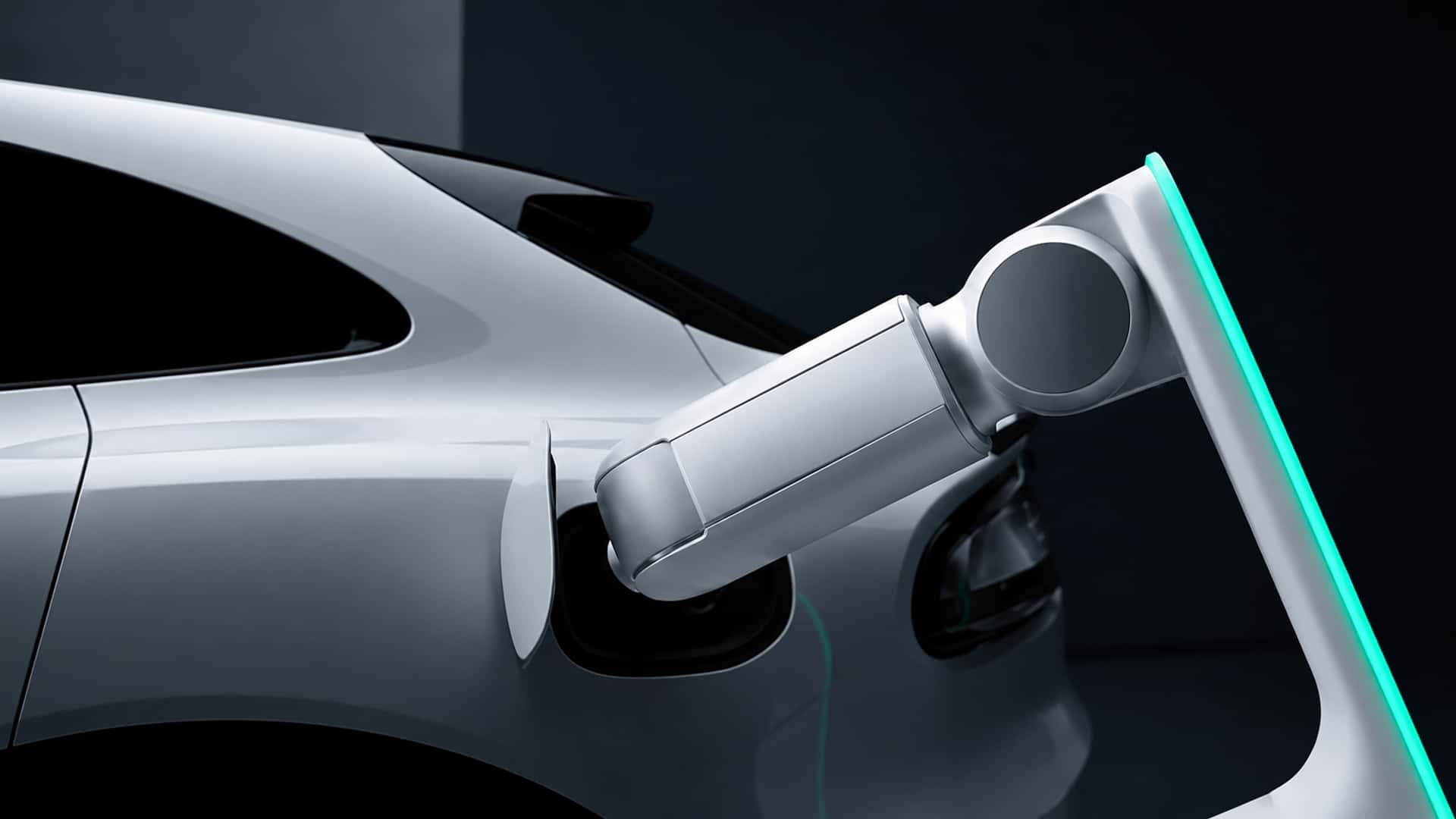
NEW DELHI: Xiaomi, the global technology conglomerate that recently made a significant entry into the electric vehicle market, has unveiled a groundbreaking automated EV charging product. The company’s new robotic charging arm is designed to enhance the convenience of owning an electric vehicle by autonomously managing the charging process, a concept first teased by Tesla nearly a decade ago but never brought to fruition.

This development marks a pivotal moment in the evolution of EV infrastructure, moving closer to a future where charging is as effortless as parking. As electric vehicles become increasingly prevalent, solutions that simplify daily operations, such as charging, are critical for widespread adoption and user satisfaction.
The Unfulfilled Promise of Automated Charging
The vision of a robotic charging arm has long captivated the electric vehicle industry. Tesla, a pioneer in EV innovation, presented a flexible robotic arm prototype designed for automated vehicle charging in 2015. The concept, which envisioned a snake-like arm extending from a wall unit to plug into a parked Tesla, aimed to eliminate the need for manual intervention during charging sessions.
Despite the initial excitement, Tesla’s robotic charging arm never progressed beyond the demonstration phase and did not enter mass production. The American automaker has since pivoted its focus, directing research and development efforts towards wireless charging technologies, particularly for upcoming vehicles like the Cybercab, signaling a shift in its strategy for automated power delivery.

The challenges associated with bringing such complex robotics to market — including precision engineering, safety protocols, and cost-effectiveness — likely contributed to the delay or cancellation of similar projects by other manufacturers. This context underscores the significance of Xiaomi’s announcement, as it transforms a long-held industry aspiration into a tangible product.
Xiaomi’s Practical Solution for EV Owners
Xiaomi’s entry into the automated charging space with its innovative robotic charging arm is set to redefine user experience for electric vehicle owners. According to reports from CarNewsChina, this sophisticated system is not merely a concept but is slated for commercial launch in the fourth quarter of the current year, making it an imminent addition to the smart mobility landscape.
The design of the Xiaomi charging robot prioritizes practicality and aesthetic integration. It comes housed within a sleek, slim enclosure measuring less than six inches (152 millimeters) wide. This compact design makes it highly adaptable for various parking environments, from private residential garages where space is often at a premium to public parking facilities.
The multi-segment robotic charging arm is engineered to seamlessly integrate with Xiaomi’s extensive smart home ecosystem. This connectivity allows the device to function not just as a standalone charger but as a smart appliance within a broader network of internet-connected devices, such as smart vacuums or air fryers, enhancing overall home automation and convenience.
Intelligent Features for Enhanced User Experience
Xiaomi’s robotic charging arm boasts several advanced features designed to maximize user convenience and efficiency. Its core capabilities include:
- Automatic Charging Initiation: The system can automatically detect a parked electric vehicle and initiate the charging session without any input from the owner. This eliminates the daily chore of manually plugging in the vehicle, streamlining the ownership experience.
- Automated Disconnection: Once the EV battery reaches its predetermined state of charge, the robotic arm intelligently disengages itself from the vehicle. This prevents overcharging and ensures the vehicle is ready for its next journey without further user interaction.
- Remote Charging Control: For situations where an owner forgets to plug in their EV or needs to manage charging remotely, the system offers full remote control. Users can initiate or terminate charging sessions from anywhere, providing flexibility and peace of mind.
A brief video presentation highlighted the system’s remarkable precision, attributing its sub-millimeter accuracy during the plugging-in process to advanced artificial intelligence (AI) vision recognition technology. This AI capability ensures reliable and safe connection every time. Furthermore, the automated charging robot is equipped to communicate directly with the vehicle’s onboard systems, allowing it to autonomously open or close the motorized charge port door, adding another layer of automation and convenience.
Market Outlook and Unanswered Questions
While the prospect of Xiaomi’s robotic charging arm is highly promising, certain details regarding its commercial rollout remain to be disclosed. Key among these are the pricing strategy for the sleek new charging robot and clarification on whether the enclosure integrates the charger unit itself or if it functions as an extension for an existing home EV charger. Given Xiaomi’s existing portfolio of home chargers, which range in power output from 7 kilowatts to 11 kilowatts, industry observers anticipate that the automated charging arm will likely be an all-in-one solution, providing a complete charging package.
More comprehensive information on these aspects is expected to emerge as the product’s market launch in the fourth quarter draws nearer. This transparency will be crucial for potential buyers to assess the total cost of ownership and integration requirements.
A Growing Trend in Automated EV Solutions
Xiaomi’s venture into automated EV charging underscores a broader industry trend towards enhancing electric vehicle usability through robotics and smart technologies. The concept of a robotic charging arm is gaining traction, with other major automotive and technology players also exploring similar solutions.
Companies like Hyundai and Star Charge have showcased their own versions of automated charging robots, indicating a collective industry movement towards more convenient and efficient charging methods. These innovations are critical for mitigating range anxiety and overcoming the perceived hassle of manual charging, which remain significant barriers to broader EV adoption.
As the global electric vehicle market continues its rapid expansion, the demand for sophisticated, user-friendly charging infrastructure will only intensify. Solutions like Xiaomi’s robotic charging arm are not just technological marvels; they represent a significant step towards making EV ownership a truly seamless and integrated experience within modern lifestyles.
The Future of EV Charging: Smarter, Faster, More Accessible
The introduction of the Xiaomi robotic charging arm signals a significant leap forward in electric vehicle charging technology. By moving beyond manual intervention, these automated systems pave the way for a more integrated and effortless EV ownership experience. Such advancements are crucial for supporting the growing number of electric vehicles on roads worldwide, offering solutions that cater to the modern consumer’s demand for convenience and smart living.
The ability to automatically plug in, manage charging, and disconnect, even remotely, fundamentally changes how users interact with their EVs. It reduces the daily friction associated with charging, making electric vehicles a more appealing and practical choice for a wider demographic. As more players like Xiaomi, Hyundai, and Star Charge innovate in this space, the future of EV charging is set to become increasingly intelligent, efficient, and user-centric.
FAQ Section
Q1: What is the Xiaomi robotic charging arm?
A1: The Xiaomi robotic charging arm is an innovative device that autonomously plugs into an electric vehicle to charge it and disconnects when charging is complete, integrating smart technology for a hands-free charging experience.
Q2: How does Xiaomi’s solution compare to Tesla’s past efforts?
A2: While Tesla demonstrated a similar robotic charging arm concept a decade ago, it never commercialized the product. Xiaomi’s version is set to launch commercially by the end of this year, making it a tangible reality.
Q3: What are the key features of the Xiaomi robotic charging arm?
A3: Its main features include automatic charging initiation and disconnection, remote control capabilities, sub-millimeter precision using AI vision, and the ability to communicate with the car to operate the charge port door.
Q4: When will the Xiaomi robotic charging arm be available?
A4: According to CarNewsChina, Xiaomi’s autonomous charging robot is expected to be released and hit stores in the fourth quarter of this year.
Q5: Will the robotic charging arm integrate with smart home systems?
A5: Yes, the multi-segment robotic charging arm is designed to seamlessly integrate into Xiaomi’s smart home ecosystem, allowing for connected control and management alongside other smart appliances.
Q6: Are other companies developing similar robotic charging solutions?
A6: Yes, the concept of robotic charging is gaining traction. Companies such as Hyundai and Star Charge are also exploring and developing their own automated EV charging solutions.