
Key Takeaways
- Xiaomi, a prominent technology firm, has introduced an autonomous robotic EV charging arm slated for a Q4 launch this year.
- The innovative system contrasts with Tesla’s similar concept from a decade ago, which never reached production.
- Designed for convenience, the robotic EV charging arm integrates seamlessly with smart home ecosystems and offers automatic, precision-guided charging.
- Key features include AI vision for sub-millimeter accuracy, remote charging activation, and direct communication with the vehicle’s charge port.
- While the cost and whether it’s an all-in-one charger remain undisclosed, the product signifies a significant step in enhancing electric vehicle charging infrastructure.
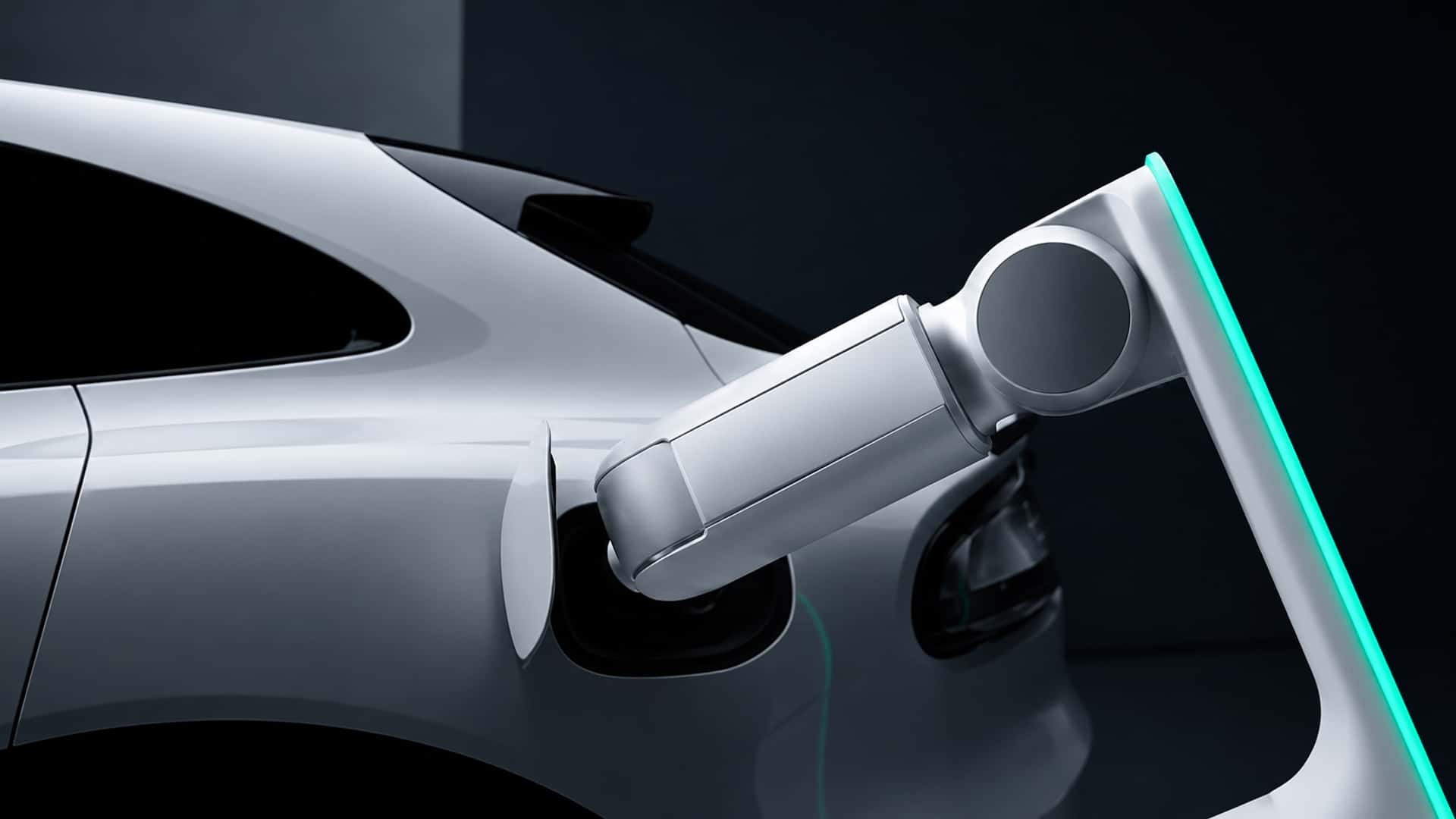
In a significant stride for electric vehicle infrastructure, Chinese technology giant Xiaomi has officially unveiled an advanced autonomous robotic EV charging arm. This innovative solution promises to redefine convenience for EV owners, offering automated, precision charging capabilities that were once merely conceptual.
Xiaomi, renowned globally for its smartphones and smart home devices, has rapidly made its mark in the automotive sector with its sleek electric vehicles. The company’s latest offering in EV charging technology directly addresses a long-standing aspiration in the electric mobility space – a truly hands-free charging experience.

A Vision Realised: From Concept to Consumer Product
A decade ago, industry pioneer Tesla showcased a similar futuristic vision: a robotic arm designed to automatically plug into electric vehicles. Despite its compelling promise, this concept, often dubbed the ‘snake charger,’ never advanced beyond the prototype stage, with Tesla eventually pivoting its focus towards wireless charging solutions for its future offerings like the Cybercab.
However, Xiaomi’s approach is notably different. The company has moved beyond concept, confirming that its robotic EV charging arm is set for commercial availability in the fourth quarter of this year. This rapid transition from development to market underscores Xiaomi’s aggressive strategy in the evolving electric vehicle ecosystem, as reported by CarNewsChina.
Design and Functionality of Xiaomi’s Charging Robot
The design philosophy behind Xiaomi’s robotic EV charging arm prioritises integration and discretion. Encased within a slim enclosure measuring less than six inches (approximately 152 millimetres) wide, the multi-segment robot is engineered for versatility, making it suitable for a diverse range of environments, from compact residential garages to larger public parking facilities.

One of the most compelling aspects of this robotic EV charging arm is its seamless integration into Xiaomi’s extensive smart home ecosystem. This allows the charging robot to interact and operate in harmony with other internet-connected devices, such as smart vacuum cleaners or air purifiers, providing a cohesive and automated living experience.
Automated Charging for Enhanced Convenience
The robotic EV charging arm boasts three primary functionalities, each designed to maximise convenience for the electric vehicle owner:
- **Automatic Initiation:** Upon parking the electric vehicle, the system can autonomously commence the charging session without requiring any manual input from the owner. This removes the everyday chore of physically plugging in.
- **Intelligent Disconnection:** When the vehicle’s battery reaches its pre-set state of charge, the robotic arm will automatically unplug itself, preventing overcharging and optimising battery health.
- **Remote Activation:** Owners possess the flexibility to initiate or terminate a charging session remotely. This feature is particularly useful for those moments when an owner might forget to plug in their vehicle but cannot immediately return to the garage, ensuring that the car is ready when needed.
Precision and Communication Capabilities
A short video presentation by Xiaomi highlighted the sophisticated technology underpinning this robotic EV charging arm. The device leverages advanced artificial intelligence (AI) vision recognition systems to achieve sub-millimeter precision during the crucial plugging-in process. This level of accuracy is vital for ensuring reliable and damage-free connections with the vehicle’s charging port.
Furthermore, the automated charging robot is designed to communicate directly with the electric vehicle itself. This direct interface enables it to command the opening and closing of the car’s motorised charge port door, streamlining the entire process and eliminating any manual steps from the owner.
Market Dynamics and Unanswered Questions
While the technological prowess of Xiaomi’s robotic EV charging arm is evident, certain key commercial details remain undisclosed. The company has yet to announce the official pricing for this innovative product, a factor that will significantly influence its adoption rates in diverse markets.
Another pertinent question revolves around the product’s configuration: whether the sleek enclosure encompasses an integrated charger or if it functions as an extension designed to complement an existing home charging unit. Given Xiaomi’s existing portfolio of home chargers, which range from 7 kilowatts to 11 kilowatts in power output, industry observers anticipate an all-in-one solution that bundles the robotic arm with a charging unit, offering a complete package to consumers.
Additional details regarding specifications, market availability, and pricing are expected to be released as the product’s official market launch in the fourth quarter approaches, providing a clearer picture for prospective buyers and industry analysts alike.
The Broader Landscape of Automated Charging
Xiaomi’s entry into the automated charging segment is a clear indicator of a growing industry trend towards making electric vehicle ownership as effortless as possible. While Xiaomi has successfully commercialised its robotic EV charging arm, it is not the sole player exploring this frontier.
Other automotive and technology companies, such as Hyundai and Star Charge, have also been developing and showcasing similar automated charging solutions. These developments collectively point towards a future where electric vehicle charging is significantly more streamlined, potentially playing a crucial role in accelerating the global adoption of EVs.
The widespread implementation of such robotic systems could be particularly transformative for fleets of autonomous vehicles and for public charging stations, where convenience and efficiency are paramount. As electric mobility continues its rapid expansion, the demand for sophisticated, user-friendly charging infrastructure will only intensify, making innovations like Xiaomi’s robotic EV charging arm increasingly vital.
The Future of Electric Vehicle Charging
The introduction of advanced solutions like the robotic EV charging arm signifies a pivotal moment in the evolution of electric vehicle technology. By eliminating the manual aspects of charging, these systems not only enhance user convenience but also contribute to a more accessible and efficient charging ecosystem. This increased automation supports the broader goal of making electric vehicles a more seamless and attractive option for a wider consumer base.
As competition in the EV market intensifies, and as technology continues to advance, the focus will increasingly shift towards comprehensive solutions that simplify every aspect of EV ownership, from driving to charging. Xiaomi’s latest innovation is a testament to this ongoing evolution, setting a new benchmark for convenience and technological integration in the world of electric mobility.
FAQ Section
What is Xiaomi’s new EV charging product?
Xiaomi has launched an autonomous robotic EV charging arm. This device automatically plugs into a parked electric vehicle, initiates the charging process, and disconnects when complete, offering a hands-free charging experience for EV owners.
How does Xiaomi’s robotic EV charging arm differ from Tesla’s previous concept?
While Tesla showcased a similar robotic charging concept a decade ago, it never reached commercial production. Xiaomi’s robotic EV charging arm, however, is set to go on sale in the fourth quarter of this year, making it a tangible product in the market.
What are the key features of this robotic charging arm?
Key features include automatic charging initiation upon parking, automatic unplugging when the desired charge level is met, and remote activation of charging sessions. It also uses AI vision for sub-millimeter precision and communicates with the car to open/close its charge port.
When will Xiaomi’s robotic EV charging arm be available?
According to reports from CarNewsChina, Xiaomi’s autonomous charging robot is expected to be available for purchase and hit stores in the fourth quarter of this year.
Will the robotic arm include a charger, or is it an accessory?
Xiaomi has not yet specified if the enclosure includes an integrated charger or if it’s an extension for existing home chargers. More details regarding its configuration and cost are anticipated closer to its market launch.
Are other companies developing similar robotic charging solutions?
Yes, Xiaomi is not alone in this space. Other companies like Hyundai and Star Charge have also been exploring and developing similar robotic EV charging arm solutions, indicating a growing trend towards automated charging technology in the electric vehicle industry.