
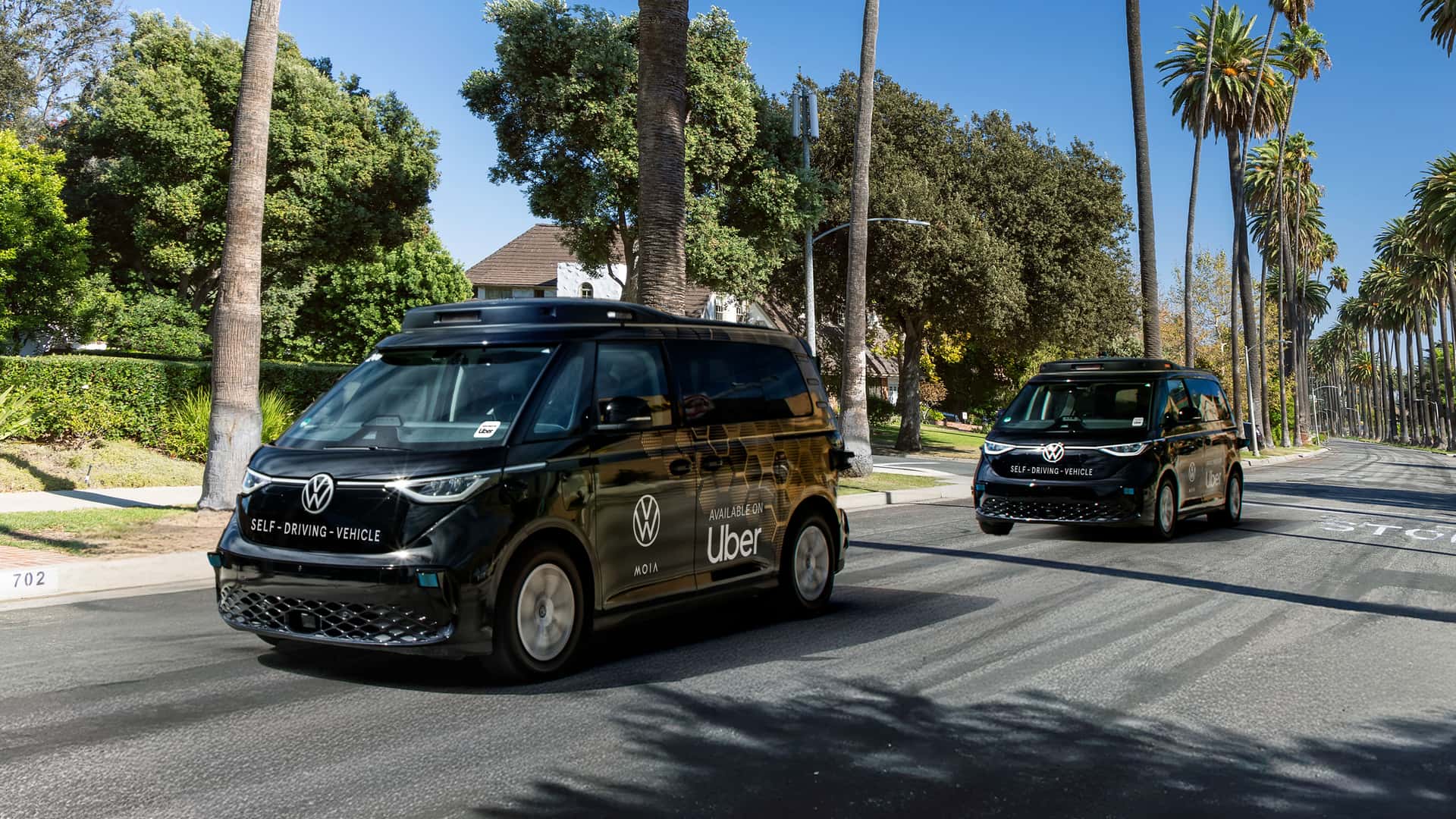
Uber is making a significant strategic investment, committing $100 million to develop a widespread network of public fast-charging stations across the United States and Europe. This move is designed to establish a robust infrastructure foundation for the ride-hailing giant’s rapidly growing autonomous vehicle (AV) initiatives, which currently involve over 20 global partnerships.
Addressing the Charging Challenge for Autonomous Fleets
The company’s ambitious expansion into autonomous vehicles, many of which are electric, necessitates a reliable and efficient charging ecosystem. Recognizing this critical need, Uber is focusing on establishing fast, dependable charging solutions.

The strategy involves collaborating with private charging networks, offering them guaranteed minimum utilization to ensure the economic viability of these high-demand stations. Developing fast-charging infrastructure requires substantial upfront capital, and its profitability hinges on consistent, high usage rates.
“Cities can only unlock the full promise of autonomy and electrification if the right charging infrastructure is built for scale,” stated Pradeep Parameswaran, Uber Global Head of Mobility, in a press release.
Global Rollout and Key Partnerships
Uber plans to deploy approximately 1,000 DC fast-charging stations through a distributed network of regional collaborations. In the U.S., the company has partnered with EVgo to establish stations in key metropolitan areas including New York, Los Angeles, Boston, and San Francisco.

Internationally, the deployment will be managed by different partners. In London, Hubber and Ionity will lead the installations. Electra is slated to handle deployments in Paris and Madrid. Uber also continues its existing partnership with Revel in New York City.
These Uber-developed and managed charging sites are scheduled to launch first in the Bay Area, Los Angeles, and Dallas, with subsequent expansion to other cities. A significant portion of these stations will be situated at Uber’s existing autonomous vehicle depots. These facilities already serve as hubs for daily fleet operations, including maintenance, cleaning, and inspections, making them ideal locations for integrated charging solutions.
Synergy with Uber’s Broader Autonomous Vehicle Strategy
This investment in charging infrastructure is directly aligned with Uber’s overarching strategy to advance its autonomous vehicle programs. These programs encompass ride-hailing, delivery, and freight services. A key aspect of these partnerships involves passenger electric vehicles equipped with self-driving technology, which demand consistent and high-speed charging to maintain operational readiness.
Furthermore, Uber’s existing network of human drivers is increasingly transitioning to electric vehicles, particularly in major urban centers like New York City. This growing adoption of EVs among its driver base adds another layer of demand for accessible and rapid charging solutions.
Current Autonomous Operations and Market Context
Uber’s autonomous ride services are currently operational in select U.S. cities, including Austin, Atlanta, and Phoenix, where Waymo robotaxis are integrated into the platform. On an international scale, Uber has partnered with WeRide to provide autonomous rides in Abu Dhabi, Dubai, and Riyadh.
The automotive market has seen shifts in electric vehicle adoption. Following the expiration of a federal tax credit last September, U.S. EV sales experienced a slowdown. However, the charging infrastructure sector has continued its expansion.
Data from the charging platform Paren indicates that 18,000 new public fast-charging stations were added in the past year, representing a 30% increase compared to the previous year. Charging networks are actively building capacity in anticipation of an anticipated rebound in EV sales, driven by the introduction of more affordable and competitive electric models.
Given that the majority of new robotaxis are electric, Uber’s substantial investment is poised to provide a significant boost to the already rapidly expanding EV charging market.
Contact the author: suvrat.kothari@insideevs.com