
Tesla Megapack to Power $1.1 Billion AI Data Center in Brazil, Boosting Grid Stability
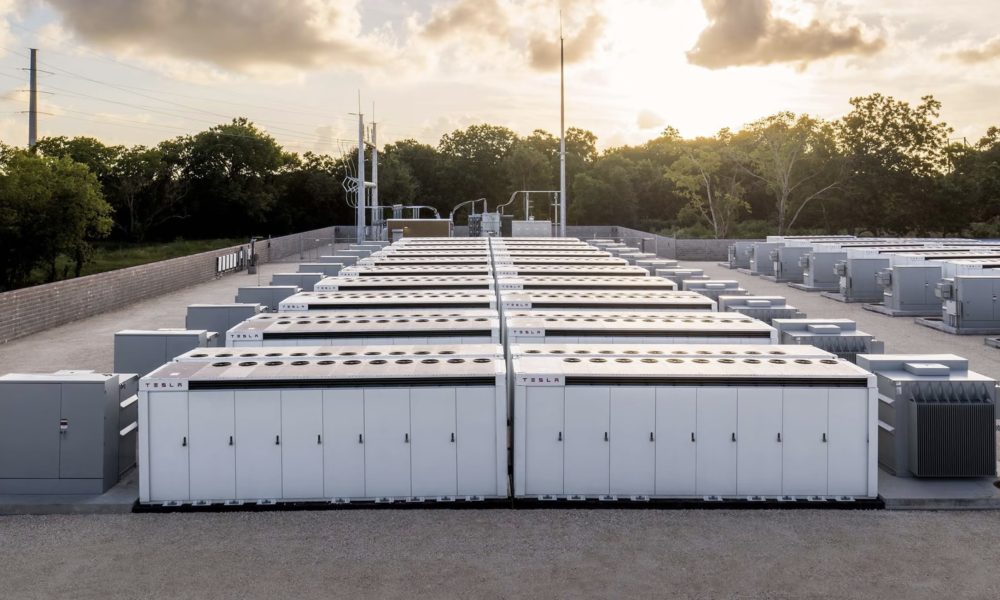
Tesla’s advanced Megapack battery systems are set to be a cornerstone of a massive 400MW AI data center campus being developed in Uberlândia, Brazil. This significant project, touted as one of Latin America’s largest AI infrastructure initiatives, represents a substantial investment in cutting-edge technology and sustainable energy solutions.
A Collaborative Industrial Alliance
The initiative is spearheaded by RT-One, a company committed to developing robust AI infrastructure. RT-One has confirmed that the new facility will integrate Tesla Megapack battery energy storage systems (BESS). This integration is part of a broader industrial alliance that includes other leading technology and energy firms such as Hitachi Energy, Siemens, ABB, HIMOINSA, and Schneider Electric.

The project is backed by a significant financial commitment, securing over R$6 billion (approximately $1.1 billion) in private capital. This substantial funding underscores the confidence in the project’s viability and its potential impact on Brazil’s technological and energy landscape.
Commitment to 100% Renewable Energy and Grid Support
A key objective of the Uberlândia data center is to operate entirely on renewable energy sources. Beyond simply consuming power, the facility is designed to act as a crucial grid-supporting asset, enhancing regional energy stability. This dual function is critical for managing the complexities of integrating large amounts of renewable energy into the existing power grid.
Fernando Palamone, President of RT-One, highlighted the unique energy dynamics in Brazil. “Brazil generates abundant energy, particularly from renewable sources such as solar and wind,” Palamone stated. “However, high renewable penetration can create grid stability challenges. Managing this imbalance is one of the country’s growing infrastructure priorities.”

Megapack’s Role in Energy Management
The deployment of Tesla’s Megapack systems is central to achieving the project’s energy goals. These advanced battery systems will enable the data center to effectively manage its substantial power demands while simultaneously contributing to the stability of the local electricity grid.
“The facility will be capable of absorbing excess electricity when supply is high and providing stabilization services when the grid requires additional support,” Palamone explained. “This approach enhances resilience, improves reliability, and contributes to a more efficient use of renewable generation.”
Learning from Global Energy Hubs
The operational model for the Brazilian data center draws inspiration from successful implementations in other energy-intensive regions, notably California and Texas. In these areas, large-scale battery systems play a vital role in mitigating the intermittency associated with renewable energy sources like solar and wind power.
By adopting a similar strategy, RT-One aims to create a highly resilient and efficient data center that not only meets its own operational needs but also contributes positively to the broader energy infrastructure.
Forging the Partnership
The establishment of this significant partnership involved direct engagement with Tesla’s operations. RT-One President Fernando Palamone recently visited Tesla’s Megafactory in Lathrop, California, the production hub for the Megapack units. This visit was instrumental in solidifying the collaboration.
Palamone expressed gratitude to the Tesla team, specifically mentioning Marcel Dall Pai, Nicholas Reale, and Sean Jones, for their support in establishing this crucial partnership. The collaboration signifies a major step for both Tesla’s energy division and for the advancement of AI infrastructure in Latin America.
The integration of Tesla’s Megapack technology into this ambitious AI data center project underscores the growing importance of advanced energy storage solutions in supporting large-scale technological development and ensuring grid stability in regions with high renewable energy penetration.