
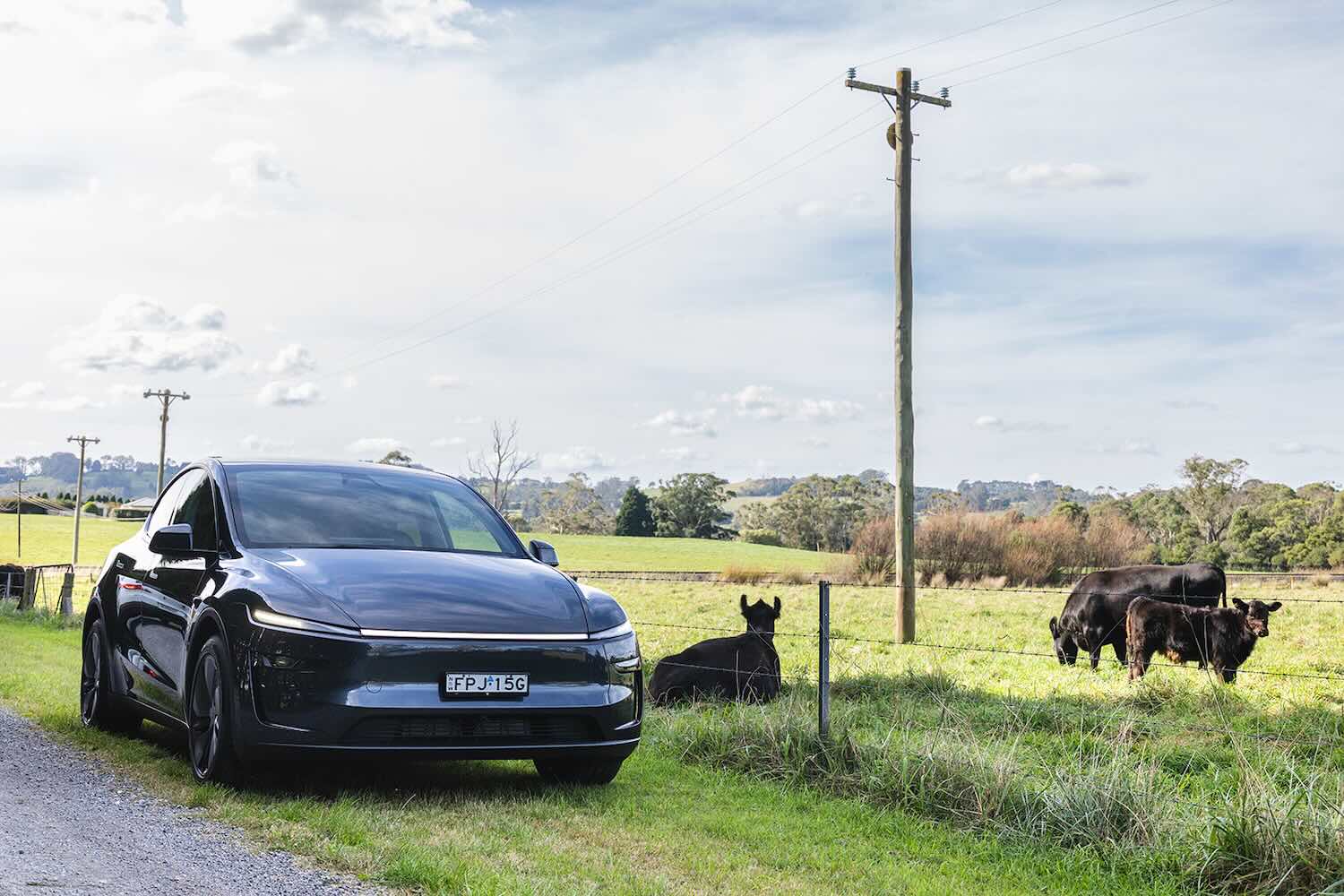
Electric vehicle (EV) sales in Australia experienced a notable rebound in February 2026, following a slower start to the year. Early data compiled by the Electric Vehicle Council (EVC) indicates a significant increase in sales for leading EV manufacturers Tesla and Polestar compared to January.
Tesla and Polestar Sales Show Upward Trend
In February 2026, a combined total of 3,419 electric vehicles from Tesla and Polestar were sold. The Tesla Model Y emerged as the top-selling model, with 2,791 units finding new owners during the month. This strong performance by the Model Y positions it as a frontrunner in the Australian EV market for February.

Looking at year-to-date (YTD) figures for both Tesla and Polestar, combined sales in the first two months of 2026 are reported to be 61% higher than in the corresponding period of 2025. This growth is partly attributed to a lower sales volume for the Tesla Model Y in early 2025, as the company prepared for the transition to its updated model, with deliveries of the new Model Y commencing in May 2025.
Model 3 and Polestar Performance
Beyond the strong showing of the Model Y, the Tesla Model 3 also demonstrated considerable growth, with 483 units sold in February. This represents more than a twofold increase compared to the previous month, indicating a renewed customer interest in Tesla’s sedan offerings.
Polestar, another prominent EV-only brand, recorded 145 sales in February. The Polestar 4 led the brand’s sales with 97 units sold, comfortably outpacing the Polestar 2, which achieved 45 sales for the month. The Polestar 3, however, saw a subdued performance with only 3 units sold, a figure likely influenced by increasing competition from models such as the Zeekr 7X.

Market Dynamics and Future Outlook
The latest figures highlight a resurgence for Tesla and Polestar, two of the more established EV-only brands. However, the expanding Australian EV market, with a growing number of new makes and models, means that while absolute sales for these brands are rising, their collective share of the total EV market may see a reduction.
This sales uplift in February follows a dip in January 2026, when overall EV sales declined compared to December 2025. In January, the broader EV market saw over 7,400 sales.
Tesla’s sales trajectory in February appears to be on an upward path as the company prepares for a competitive year. Several new EV models are slated for release in the Australian market, intensifying competition.
For instance, BYD has made a strong impact early in 2025, with its Sealion 7 model reportedly gaining popularity among family electric SUV buyers. Official sales figures for these competing brands are expected to be confirmed later in the week via FCAI’s vFacts data.
Tesla’s Technological Advantage
Despite increasing competition, Tesla appears to maintain a significant advantage through its Full-Self-Driving (FSD) software. This advanced driver-assistance system is set to become available via a $149 per month subscription. Industry observers will be keen to see if this focus on technology and autonomy will sustain brand awareness and sales throughout 2026.
The strong sales performance of the Model Y, with nearly 2,800 units sold in February, strongly suggests it is again the best-selling EV for the month. Full market data, including the performance of other manufacturers, is anticipated with the release of FCAI’s figures.
Broader Market Expectations
Based on the early indicators, the overall market is expected to show a solid increase for February. Projections suggest that battery electric cars could account for approximately 9% of all vehicles sold during the month, reflecting the growing adoption of EVs in Australia.