
Homeowners Associations (HOAs) are finding that integrating electric neighborhood vehicles (NEVs) into their communities can offer a surprisingly swift return on investment, alongside significant operational and sustainability benefits.
The Financial Case for NEVs in HOAs
Low-speed electric vehicles are proving to be a financially sound choice for HOAs, primarily due to their efficient payback periods. A comprehensive study from 2024 indicated that nearly half of all electric vehicles (49%) demonstrated a lower total cost of ownership over a five-year span. More specifically, 19 out of 41 analyzed EVs recouped their initial price difference within seven years.

Furthermore, the study highlighted that eight of these EVs achieved immediate payback, largely because their upfront purchase costs were lower than comparable internal combustion engine (ICE) alternatives. This financial data underscores the strategic advantage of considering neighborhood electric vehicles as a valuable community asset.
Beyond ROI: Additional Benefits of NEVs
The appeal of low-speed electric vehicles for HOAs extends beyond mere cost savings. They represent a tangible step towards enhancing community sustainability and can lead to reduced overall operational expenses. This growing trend is reflected in the market’s expansion, with the NEV market valued at $4 billion in 2025 and projected to reach $7.4 billion by 2030.
Reducing Operational Expenditures
One of the most immediate advantages of adopting NEVs is the substantial reduction in fuel costs. Compared to traditional gasoline-powered vehicles, electric models significantly minimize expenses related to fuel. Maintenance costs are also typically lower, as EVs have fewer moving parts than their ICE counterparts.

While there may be initial investments required, such as establishing charging infrastructure or exploring features like solar-paneled roofing, the long-term operational affordability of an electric fleet is a compelling factor for HOAs. These vehicles offer a more economical way to manage community transportation needs.
Achieving Sustainability Objectives
Transitioning to electric power is a critical component of any sustainability strategy. For HOAs, adopting NEVs can be a visible demonstration of commitment to environmental responsibility, which can resonate strongly with modern residents. It also presents an opportunity to engage residents, including those more accustomed to traditional vehicles, in the community’s green initiatives.
Enhancing Vehicle Lifespan and Reliability
Contrary to a common misconception, electric vehicles often boast a longer and more reliable lifespan than conventional gasoline cars. Research suggests that battery-powered EVs can outlast average ICE vehicles within similar classes. Ongoing technological advancements are continuously pushing the boundaries of EV battery technology, extending operational life and potentially exceeding earlier performance estimates.
Leveraging Available Incentives
As NEVs represent a relatively new but growing segment of the automotive market, various governmental bodies and organizations are actively promoting their adoption. These incentives are often tied to the sustainability and economic benefits that NEVs offer. HOAs exploring the integration of these vehicles and charging infrastructure may find opportunities for local or state incentives that can further reduce the cost of implementation.
Choosing the Right Low-Speed Vehicles for Community Use
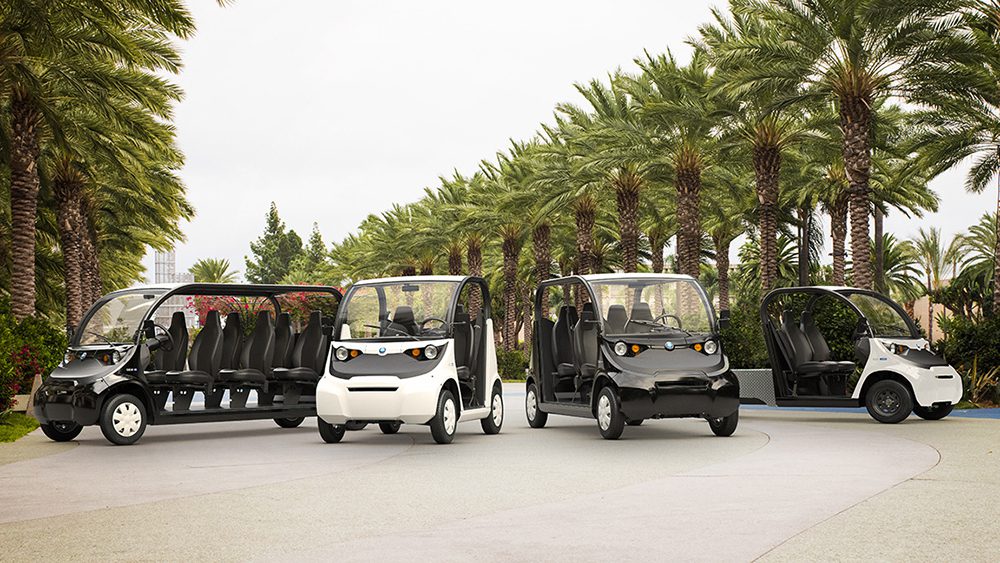
For communities and HOAs seeking reliable low-speed electric transportation solutions, specialized providers offer a range of options. Burns Industrial Equipment, with over 50 years of experience serving businesses in western Pennsylvania, northeast Ohio, and West Virginia, offers all-electric GEM vehicles known for their comfort and dependability.
These GEM vehicles provide an emission-free and fuel-cost-free alternative for intra-neighborhood transport. They are designed to be street-legal on roads with speed limits of up to 35 mph and can be customized in numerous configurations to suit specific community requirements.
GEM E2: Compact Maneuverability
The GEM e2 is characterized by its compact design and agile handling, making it suitable for communities with narrower roads or tighter turning radii. It functions much like a premium golf cart but is equipped with essential low-speed vehicle safety features, including headlights, brake lights, and reflectors.
- Seating Capacity: Two
- Payload Capacity: 800 pounds
- Top Speed: 25 mph
GEM E4: Enhanced Space and Comfort
Building upon the features of the e2, the GEM e4 offers increased legroom and enhanced comfort and security. This model is well-suited for larger neighborhoods or community parks. Options include an open-air configuration or a more enclosed design with doors for added security.
- Seating Capacity: Four
- Payload Capacity: 1,150 pounds
- Top Speed: 25 mph
GEM E6: Versatile Capacity for Larger Communities
The GEM e6 is engineered for durability and offers an enhanced suspension system for comfortable travel, even on varied terrain. It’s designed to transport more individuals across larger towns or communities, providing car-like seating capacity at a lower overall cost of ownership.
- Seating Capacity: Six
- Payload Capacity: 1,304 pounds
- Top Speed: 25 mph
GEM EL XD: Robust Utility for Heavy Tasks
For tasks requiring significant hauling or towing capabilities, the GEM eL XD stands out with its robust build and substantial payload capacity. While it accommodates two people, its utility is enhanced by available carrier and bed options, making it ideal for tasks such as waste collection or resource distribution within the community.
- Seating Capacity: Two people
- Payload Capacity: 1,415 pounds
- Top Speed: 25 mph
Understanding NEV Usage and Regulations
HOAs considering NEVs often have practical questions regarding their implementation and operation within a community setting.
Maximum Permitted Speed
The legal speed limit for NEVs can vary by state. Generally, they are permitted on roads with posted speeds of 35 mph or less. For optimal safety and regulatory compliance, maintaining a speed of 25 mph is often recommended.
Distinguishing EVs from NEVs
A Neighborhood Electric Vehicle (NEV) is a specific category of electric vehicle designed primarily for use within gated communities, campuses, and similar defined areas. NEVs typically have a lower top speed and seating capacity compared to standard electric vehicles.
NEV Maintenance Requirements
The maintenance for NEVs is generally comparable to other EVs, focusing on cooling systems and filters. Proper charging practices are crucial for maintaining battery health and ensuring the longevity of the vehicle. HOAs should establish clear guidelines for charging protocols.
HOA Authority on NEV Restrictions
HOAs possess the authority to establish rules governing the usage of NEVs within their jurisdiction, including restrictions on travel frequency and parking. These regulations must, however, be consistent with all applicable state and local laws.
A Sustainable Investment for Neighborhoods
Neighborhood electric vehicles present an efficient, sustainable, and increasingly cost-effective solution for intra-community transportation. Providers like Burns Industrial Equipment offer a diverse range of GEM low-speed vehicles designed to meet the varied needs of modern communities, ensuring safe and reliable mobility for residents.