
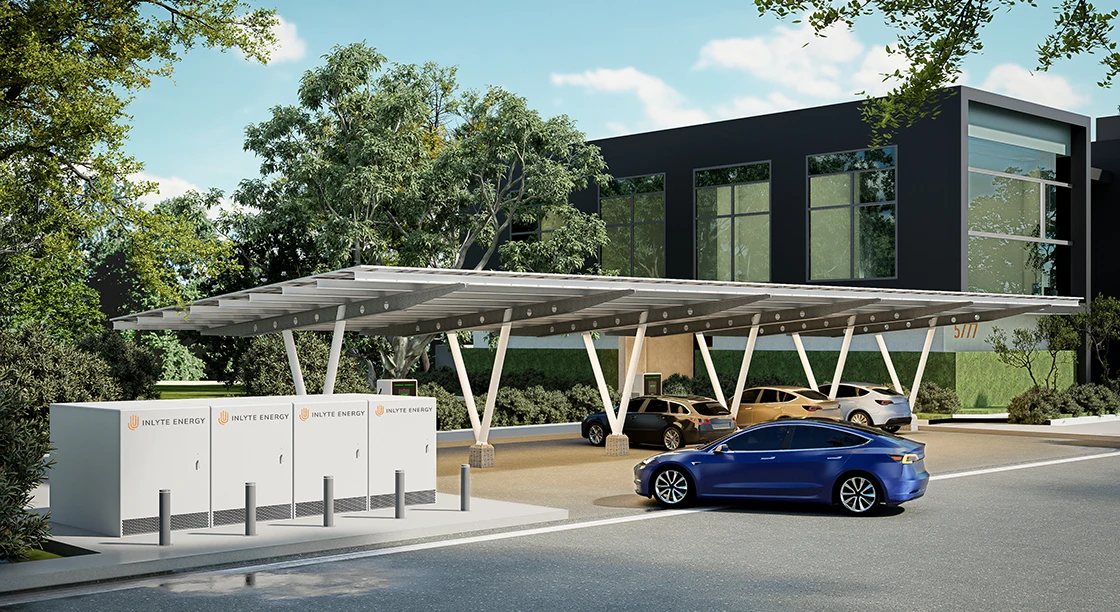
In a significant move poised to reshape America’s energy storage landscape, Inlyte Energy has announced a pivotal supply chain agreement with Ervin Industries, a venerable U.S. iron materials manufacturer with over a century of operational history. This collaboration is specifically designed to develop specialized iron powder formulas, meticulously optimized for Inlyte’s cutting-edge iron-sodium battery systems.
The strategic partnership underscores a determined effort to bolster domestic materials sourcing capabilities, thereby substantially reducing Inlyte Energy’s reliance on often volatile and geographically concentrated overseas supply chains for critical battery components. This initiative marks a crucial step towards enhancing energy independence and resilience within the United States.

Pioneering a Robust Domestic Iron Battery Supply Chain
The core of this agreement centers on the innovative integration of Ervin Industries’ deep expertise in iron materials with Inlyte Energy’s advanced battery technology. Ervin, renowned for its production of engineered steel shot, grit, and sophisticated metal powders, primarily serves demanding sectors such as surface preparation, metalworking, and advanced manufacturing.
What makes Ervin’s contribution particularly impactful is its commitment to sustainability: all its products are derived from recycled metals. Under the terms of the agreement, both companies will embark on a detailed program to refine crucial iron powder specifications, optimize material characteristics, and streamline production processes. This concerted effort is geared specifically towards supporting the expansive requirements of large-scale battery deployment.
This collaboration is not merely about sourcing materials; it’s about pioneering an entirely new domestic iron battery supply chain that is both robust and environmentally conscious. By leveraging recycled metal feedstock, the partnership aims to create a circular economy model within the battery manufacturing sector.
Strategic Imperative: Decoupling from Overseas Dependence
The fundamental appeal of iron and sodium as battery components lies in their stark contrast to lithium: their extensive domestic availability at scale. This advantage directly addresses a critical geopolitical and economic vulnerability currently facing the global electric vehicle and energy storage industries.
Currently, the People’s Republic of China exerts considerable influence over the global lithium-ion cell production, commanding more than 75% of the market. Furthermore, China’s control extends to an estimated 70% to 90% of the entire value chain for crucial battery raw materials, including the processing of lithium, cobalt, nickel, and graphite.
Such concentrated control creates significant supply chain risks, making nations heavily reliant on these overseas sources susceptible to geopolitical tensions, trade disruptions, and price volatility. Diversifying the raw material base for batteries has, therefore, become a paramount strategic objective for many countries seeking to secure their energy future.
Iron, in contrast, is already produced in substantial volumes within the United States. Ervin Industries’ practice of sourcing its iron from recycled metal feedstock further amplifies the domestic security of this material. For Inlyte, this translates into the tangible prospect of establishing a secure iron battery supply chain that bypasses the complexities and vulnerabilities associated with Chinese processing plants.
Inlyte’s Vision: Scaling for Commercial Deployment
Inlyte Energy is actively moving forward with its ambitious plans, currently in the final stages of selecting a site for its inaugural U.S. production facility. This facility is envisioned as a cornerstone for the mass production of its innovative iron-sodium battery systems.
The company has set an aggressive timeline, aiming for commercial deliveries to commence in 2027. To realize this vision, Inlyte Energy is also working in close collaboration with HORIEN Salt Battery Solutions, focusing specifically on the development and refinement of the sodium battery systems that will power these next-generation energy storage solutions.
This phased approach—from securing a robust iron battery supply chain to establishing production facilities and collaborating on system integration—highlights Inlyte’s commitment to bringing its technology to market efficiently and at scale. The entire endeavor aims to significantly contribute to the decarbonization efforts and grid modernization.
Leadership Insights on Domestic Manufacturing and Scalability
The executives leading this groundbreaking partnership have articulated a clear vision for its impact, emphasizing both the technical and strategic advantages.
Antonio Baclig, CEO of Inlyte Energy, highlighted the foundational strength of the collaboration. He stated, “Ervin’s century of experience producing high-quality iron materials gives us a powerful foundation to scale battery manufacturing while strengthening domestic supply chains. By building on existing, domestic terawatt-hour level supply chains of iron and sodium, this technology can scale rapidly to lower the cost of electricity across the country.” His remarks underscore the immense potential for rapid deployment and economic benefits that iron-sodium batteries present.
Echoing this sentiment, Trent Pearson, President/CEO of Ervin Industries, articulated how the partnership represents a strategic pivot for his company. “We’ve spent decades perfecting iron powder processes for demanding industrial applications,” Pearson noted. He further elaborated, “Working with Inlyte allows us to apply that knowledge to the fast-growing battery sector and help establish a domestic materials supply chain for next-generation energy technologies.” This statement highlights the transfer of established industrial expertise into the burgeoning battery industry, forming a critical pillar of the new iron battery supply chain.
Implications for the Energy Sector and Grid Modernization
The advent of domestically sourced iron-sodium battery technology holds profound implications for the broader energy sector. The ability to produce batteries using readily available and abundant materials like iron and sodium, particularly from recycled feedstocks, offers a path to greater energy security and sustainability.
Such systems are critical for supporting the expansion of renewable energy sources, which inherently require robust and reliable energy storage solutions to manage intermittency. A localized iron battery supply chain can significantly mitigate the risks associated with global commodity price fluctuations and geopolitical uncertainties, offering stability to utility companies and energy developers.
Moreover, the cost-effectiveness potential, as alluded to by Inlyte’s CEO, could accelerate the adoption of large-scale energy storage across the country. This would contribute to lowering electricity costs, enhancing grid stability, and ultimately facilitating a more rapid transition to a clean energy economy. The scaling of such technologies could transform how energy is generated, stored, and distributed across the national grid.
A New Era for Battery Manufacturing in the U.S.
The collaboration between Inlyte Energy and Ervin Industries represents more than just a commercial agreement; it is a strategic initiative signaling a significant shift in the landscape of battery manufacturing. By prioritizing domestic resources and leveraging established industrial expertise, the partnership aims to create a secure, sustainable, and scalable iron battery supply chain.
As Inlyte progresses towards commercial deliveries in 2027, the success of this venture could serve as a powerful blueprint for other industries seeking to de-risk their supply chains and foster homegrown innovation. This initiative is a clear testament to the potential for American industry to lead in the next generation of energy storage solutions, contributing to a more resilient and sustainable future.