
Key Takeaways
The Port of Los Angeles, through APM Terminals, has demonstrated significant strides in port electrification, deploying a substantial fleet of electric vehicles and equipment. This initiative has not only delivered expected major reductions in fuel and maintenance costs but also led to an unforeseen enhancement in operational efficiency, specifically by cutting truck dwell times from 90 minutes to 35 minutes. The success of this transition, particularly with electric terminal trucks and straddle carriers, underscores the viability of heavy-duty electric vehicles in demanding industrial environments, setting a precedent for sustainable logistics within global supply chains. The port’s comprehensive electrification strategy extends to shore power for both cranes and ships, reinforcing its commitment to environmental stewardship and operational excellence.
Revolutionizing Port Operations Through Electrification
Port facilities globally are increasingly recognized as prime candidates for comprehensive electrification. The transition from fossil fuel-powered machinery to electric alternatives offers a dual benefit: significant cost savings on fuel and maintenance, coupled with substantial reductions in greenhouse gas emissions and localized air pollution. This strategic shift towards electric vehicles (EVs) and equipment is transforming the landscape of sustainable logistics.

At the forefront of this transformation is APM Terminals, a key operator at the bustling Port of Los Angeles. For years, the company has systematically invested in electrifying its extensive operations, demonstrating a commitment to environmental stewardship and operational efficiency. This proactive approach highlights the growing trend of port electrification, driven by both economic incentives and mounting environmental pressures.
Expanding the Electric Fleet: A Comprehensive Transition
APM Terminals at the Port of Los Angeles now boasts a robust and diverse electric fleet, a testament to its long-term electrification strategy. This fleet currently comprises 36 electric cars and trucks, essential for various administrative and light-duty tasks across the sprawling port facility. More critically, the heavy-duty segment has seen significant innovation and investment.
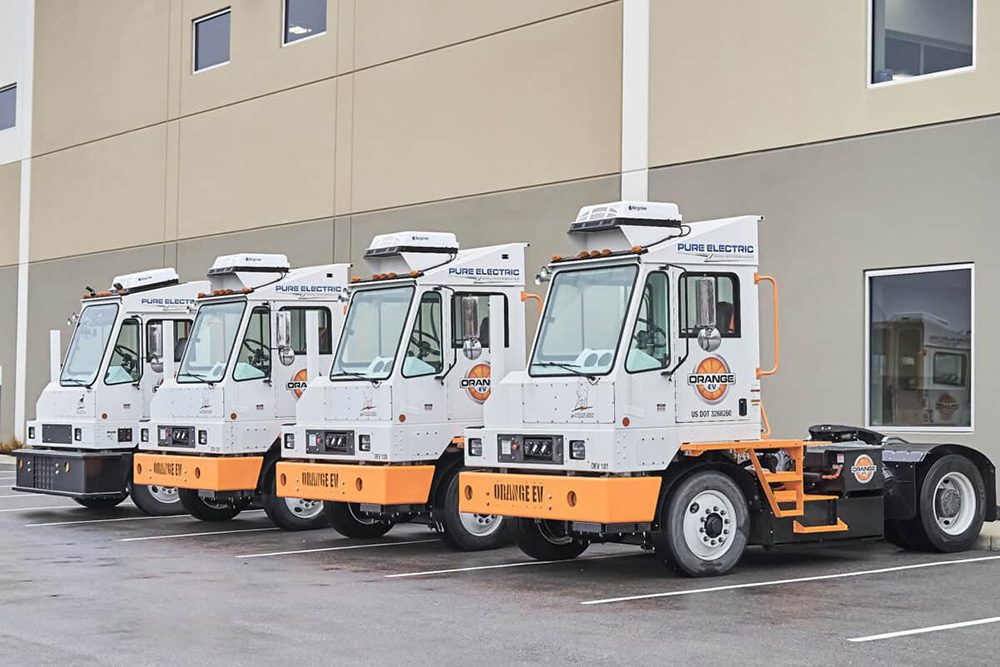
The operational backbone of the terminal includes 3 electric straddle carriers, sophisticated machines vital for lifting and stacking containers. Complementing these are 9 heavy-duty electric forklifts and telehandlers, crucial for handling diverse cargo types with precision and power. A cornerstone of the heavy-duty fleet is the inclusion of 22 electric terminal tractors, with 20 of these supplied by industry leader Orange EV. These electric terminal trucks are indispensable for moving containers swiftly and efficiently around the terminal.

Supporting this expansive EV fleet, APM Terminals has deployed 51 dedicated EV charging stations, ensuring reliable and readily available power for continuous operations. This extensive charging infrastructure is critical for maximizing uptime and maintaining the seamless flow of goods through the port.
Tangible Benefits: Cost Savings and Unexpected Efficiency Gains
The strategic deployment of electric terminal trucks and other heavy-duty electric vehicles has yielded predictable and significant economic advantages. As anticipated, APM Terminals has substantially reduced its operational overheads, primarily through lower fuel consumption and decreased maintenance requirements for its electrified fleet. Electric powertrains typically have fewer moving parts than internal combustion engines, translating to reduced wear and tear and less frequent servicing.
Beyond the expected financial benefits, port electrification has delivered a remarkable and somewhat unexpected advantage: a dramatic improvement in operational efficiency. The enhanced uptime and streamlined cargo flow, directly attributable to the electric fleet, have enabled the container port to significantly cut truck dwell times. Previously averaging 90 minutes, these critical waiting periods have been slashed to an impressive 35 minutes.
This reduction in dwell time is a monumental achievement in the logistics sector. Shorter dwell times mean faster turnaround for trucks entering and exiting the port, accelerating the movement of goods, reducing congestion, and improving the overall efficiency of the supply chain. This directly impacts trucking companies, shippers, and ultimately, consumers.
Leadership’s Perspective on the Electrification Success
The profound impact of this transition has been acknowledged by the leadership at APM Terminals. Jon Poelma, Managing Director, APM Terminals, Los Angeles, shared his initial reservations and subsequent validation of the electrification efforts. “I was a little skeptical at the start. How one could move from low 60s percentage reliability to 90, and do it consistently?” said Poelma. “But I think we can all see from the data that it is happening.”
Poelma’s statement underscores the data-driven success of the initiative, moving from reliability figures in the low 60s to a consistent 90 percent. This dramatic improvement in reliability is a critical factor for high-volume, time-sensitive port operations, where even minor disruptions can have cascading effects on global supply chains. The consistent performance of electric terminal trucks and other equipment has been pivotal in achieving these reliability targets.
Beyond the Fleet: Holistic Port Electrification
The commitment to electrification at the Port of Los Angeles extends beyond just the mobile fleet. The port has long embraced grid electricity for its massive ship-to-shore cranes, which are fundamental to container handling. This ensures that the primary machinery responsible for offloading and loading vessels operates with zero direct emissions at the point of use.
Furthermore, the port has made significant investments in shore power capabilities, also known as cold ironing, for visiting vessels. This technology allows ships to plug into the port’s electrical grid while docked, shutting down their auxiliary diesel engines. This measure drastically reduces emissions from idling ships, improving air quality for surrounding communities and contributing significantly to the port’s overall sustainability goals.
Highlighting this comprehensive approach, Poelma added, “The cranes are all plugged in—not every terminal in the world has cranes that are plugged in. Also, I would say 97% of the ships that came into Pier 400 last year got plugged in to shore power.” This statistic demonstrates a near-universal adoption of shore power by vessels at Pier 400, showcasing the Port of Los Angeles’s leadership in sustainable maritime practices and port electrification.
The Broader Impact on Sustainable Logistics and Future Outlook
The experience of APM Terminals at the Port of Los Angeles serves as a compelling case study for the entire logistics industry. It demonstrates that port electrification, particularly the adoption of electric terminal trucks and other heavy-duty electric vehicles, is not merely an environmental desideratum but also a powerful driver of operational and economic efficiency. The dual benefits of cost reduction and enhanced productivity position electrification as a critical component of modern, sustainable logistics.
As global supply chains continue to face pressures for greater efficiency and reduced environmental footprint, the strategies employed at the Port of Los Angeles are likely to be emulated by other major ports worldwide. The success story here provides a blueprint for leveraging advanced EV technology and robust charging infrastructure to create more reliable, cost-effective, and environmentally friendly port operations. The ongoing evolution of battery technology and charging solutions promises to further enhance the viability and widespread adoption of electric fleets in challenging industrial environments.
Frequently Asked Questions (FAQs)
What is port electrification?
Port electrification involves replacing fossil fuel-powered vehicles and equipment at port facilities with electric alternatives. This includes everything from heavy-duty electric terminal trucks and straddle carriers to forklifts, as well as providing shore power for docked ships and electric power for cranes, significantly reducing emissions and operational costs.
What benefits has APM Terminals observed from electrification?
APM Terminals at the Port of Los Angeles has realized significant reductions in fuel and maintenance costs. Crucially, it has also achieved an unexpected benefit: increased uptime and improved cargo flow, leading to a dramatic reduction in truck dwell times from an average of 90 minutes to just 35 minutes.
What types of electric vehicles are used at the Port of Los Angeles?
The electric fleet at APM Terminals includes 36 electric cars and trucks, 3 electric straddle carriers, 9 heavy-duty electric forklifts and telehandlers, and 22 electric terminal tractors, with 20 of those from Orange EV. This diverse fleet addresses various operational needs across the port.
How has electric vehicle reliability impacted port operations?
Initially met with skepticism, the reliability of the electric fleet has dramatically improved, moving from percentages in the low 60s to a consistent 90 percent. This enhanced reliability is crucial for maintaining efficient, uninterrupted cargo flow and reducing operational bottlenecks in a high-volume port environment.
What is the role of shore power at the Port of Los Angeles?
Shore power allows docked ships to connect to the port’s electrical grid and shut down their auxiliary diesel engines, drastically cutting emissions from idling vessels. At Pier 400, approximately 97% of ships utilized shore power last year, demonstrating a strong commitment to reducing the port’s environmental impact.
How many charging stations support the electric fleet?
To support its extensive electric vehicle fleet, APM Terminals has installed 51 EV charging stations. This robust charging infrastructure is essential for ensuring that all electric terminal trucks and other equipment remain powered and ready for continuous operation throughout the demanding port environment.