
Key Takeaways:
- Dukosi’s Cell Monitoring System (DKCMS), featuring chip-on-cell technology, has enabled Nordic Marine Power’s (NMP) PowerStack battery system to secure crucial DNV type approval.
- This certification allows PowerStack battery systems to be installed on all DNV-classed vessels, signifying adherence to rigorous global maritime safety and environmental standards.
- The DKCMS places a cell monitor chip directly on each battery cell, providing simultaneous, real-time voltage and temperature measurements with deterministic latency, a significant enhancement over traditional monitoring methods.
- Improved per-cell monitoring enhances safety by detecting overtemperature events earlier and offers greater insights into individual cell behaviour, crucial for demanding marine applications.
- The contactless C-SynQ protocol simplifies integration and offers design flexibility, streamlining production for advanced marine battery solutions.
Pioneering Marine Battery Safety with Advanced Cell Monitoring
In a significant advancement for the maritime industry, Nordic Marine Power (NMP) has achieved DNV type approval for its innovative PowerStack battery system. This crucial certification, globally recognised for confirming compliance with stringent safety and environmental standards, was made possible by the integration of Dukosi’s advanced Cell Monitoring System (DKCMS).

The DNV type approval now permits the PowerStack system to be installed on all vessels classified by DNV, a leading international classification society. This milestone underscores the growing commitment to enhanced safety and reliability in electric and hybrid propulsion solutions for the marine sector.
Understanding Dukosi’s Chip-on-Cell Technology
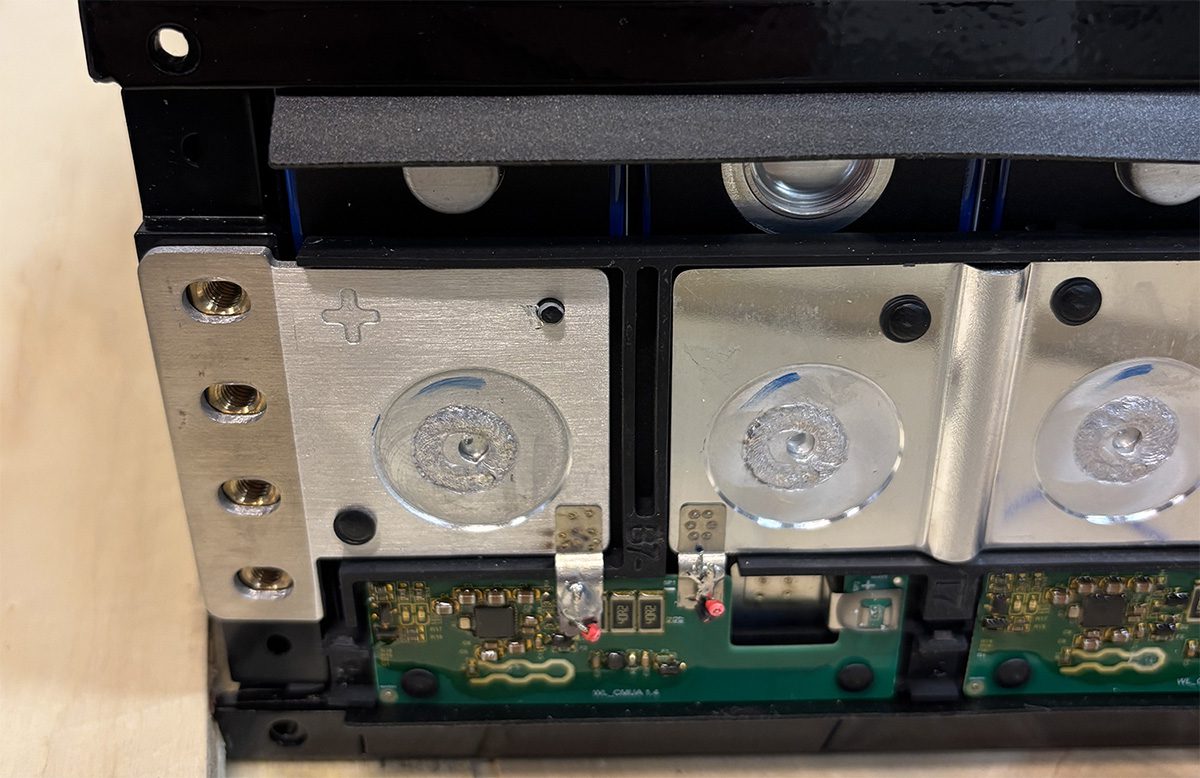
At the core of this achievement is the Dukosi Cell Monitoring System (DKCMS), a revolutionary technology that redefines how battery cells are supervised. Unlike conventional systems that typically rely on a limited number of temperature sensors per battery module, DKCMS introduces a chip-on-cell approach.
This innovative design involves placing a dedicated cell monitor chip directly onto each individual battery cell. This allows for simultaneous and precise measurement of both temperature and voltage for every single cell within the battery system. The data is then relayed synchronously to the battery management system (BMS) with critical deterministic latency.

The advantages of this granular, per-cell monitoring are profound, particularly in high-stakes applications like marine vessels. Earlier detection of overtemperature events becomes possible, as the BMS processor is alerted even when it is in a deep sleep mode, significantly mitigating potential safety risks.
The C-SynQ Contactless Protocol
Communication between these individual cell monitors and the central BMS is facilitated by Dukosi’s proprietary C-SynQ contactless protocol. This wireless communication method further simplifies the architecture, enhancing design flexibility and streamlining the integration process into complex battery systems like NMP’s PowerStack.
The Significance of DNV Type Approval in Marine Applications
DNV type approval is not merely a badge of honour; it is a globally respected third-party certification that confirms a product’s compliance with exacting maritime, offshore, and industrial safety and environmental standards. For battery systems intended for marine use, this certification carries immense weight, distinguishing compliant solutions in a highly regulated environment.
Marine battery systems operate under uniquely demanding conditions compared to those found in typical electric vehicle (EV) or stationary energy storage applications. Vessels are confined spaces, often operating remotely, with inherent fire suppression constraints that elevate safety requirements considerably.
Achieving DNV type approval signifies that NMP’s PowerStack, empowered by the Dukosi chip-on-cell monitoring system, meets these elevated safety thresholds. It assures ship owners, operators, and regulatory bodies of the system’s robustness, reliability, and adherence to international best practices for maritime safety.
Industry Leaders Commend Enhanced Safety and Integration
Leaders from both Nordic Marine Power and Dukosi have expressed immense pride in this collaborative achievement, highlighting the critical role of advanced cell monitoring in marine battery safety.
Jonas Roald Nordstrand, CEO of Nordic Marine Power, lauded the innovative approach, stating, “Dukosi’s novel contactless battery architecture uniquely provides per-cell temperature sensing that improves safety compared to legacy systems.” He further elaborated on the operational benefits, adding, “Having a Dukosi Cell Monitor chip on each cell gives us greater real-time insights into every cell’s behavior, which has allowed us to accelerate achieving DNV certification. Their chip-on-cell technology with C-SynQ simplifies integration into our battery systems, while also providing valuable design flexibility, allowing us to streamline production to meet tight deadlines with confidence.”
Joseph Notaro, Chief Revenue Officer at Dukosi, echoed this sentiment, emphasizing the paramount importance of safety in marine contexts. “Battery safety, quality, and reliability are of paramount concern in marine applications,” Notaro affirmed. He concluded, “We’re extremely proud that NMP’s PowerStack with DKCMS has achieved type approval for installation on all vessels classed by DNV.”
Advancing Maritime Electrification with Trust and Performance
The successful DNV type approval for Nordic Marine Power’s PowerStack, underpinned by the Dukosi chip-on-cell monitoring system, marks a pivotal moment for the wider maritime industry’s shift towards electrification. As global regulations tighten and the push for sustainable shipping intensifies, the demand for safe, reliable, and certified battery solutions is paramount.
This collaboration demonstrates how cutting-edge battery technology, specifically in advanced cell monitoring and management, can address the unique challenges of marine environments. It fosters greater confidence in the adoption of electric propulsion systems, paving the way for a greener, safer, and more efficient future for global shipping.
Frequently Asked Questions (FAQ)
What is DNV Type Approval?
DNV type approval is a globally recognised third-party certification awarded by DNV, a leading classification society. It confirms that a product, system, or component complies with stringent international maritime, offshore, and industrial safety and environmental standards, making it suitable for installation on DNV-classed vessels.
Why is marine battery safety particularly critical?
Marine battery systems face heightened safety requirements due to the confined spaces on vessels, specific fire suppression challenges, and remote operating conditions. Unlike land-based applications, the consequences of a battery incident at sea can be more severe, necessitating robust monitoring and certification.
How does Dukosi’s Cell Monitoring System (DKCMS) enhance safety?
The DKCMS places a dedicated monitor chip directly on each battery cell, providing simultaneous and precise real-time temperature and voltage readings. This granular, per-cell data allows for earlier detection of overtemperature events, enhancing overall battery safety and performance by offering deeper insights than legacy systems.
What is the C-SynQ contactless protocol?
C-SynQ is Dukosi’s proprietary contactless (wireless) communication protocol. It facilitates secure and reliable data transfer between individual cell monitor chips and the central battery management system (BMS). This protocol simplifies system integration, offers greater design flexibility, and contributes to the overall reliability of the battery architecture.
What is Nordic Marine Power’s PowerStack battery system?
The PowerStack is Nordic Marine Power’s modular battery system designed for marine applications. It integrates advanced battery technology, now including Dukosi’s DKCMS, to provide a certified, safe, and efficient energy storage solution for electric and hybrid vessels, meeting the rigorous demands of the maritime environment.
What are the main benefits of chip-on-cell monitoring for marine batteries?
Chip-on-cell monitoring offers several benefits, including unparalleled real-time insights into individual cell behaviour, earlier detection of potential issues like overheating, and enhanced overall battery safety and reliability. It also simplifies system integration and provides valuable design flexibility, accelerating development and production of certified marine battery systems.