
Key Takeaways:
- Jolt, a major Australian EV charging network, recorded a 54.4% month-on-month increase in new customer registrations in March.
- This surge coincides with record national EV sales, signalling a significant shift in consumer behaviour.
- Economic factors, particularly lower running costs, are the primary drivers for 7 out of 10 EV owners.
- Despite growing interest, access to charging infrastructure remains a key barrier that providers like Jolt are actively addressing through strategic network expansion.
- A significant portion of hybrid owners anticipate replacing their petrol vehicles with EVs within three years, pointing to sustained future growth in the electric vehicle charging network.
Sydney, Australia – The landscape of electric vehicle (EV) adoption in Australia is undergoing a transformative period, marked by a significant leap in consumer engagement with public charging infrastructure. Jolt, one of the nation’s largest public EV charging networks, has reported a record-breaking surge in new customer registrations, signalling a robust momentum in the country’s transition towards electric mobility.

In March, Jolt witnessed an impressive 54.4 per cent month-on-month increase in new customer sign-ups. This pivotal growth aligns with a broader national trend, where EV sales have also reached an unprecedented share of the overall automotive market, underscoring a rapidly evolving consumer preference.
Economic Imperatives Drive EV Transition
The primary catalyst behind this accelerating shift to electric vehicles appears to be rooted in economic considerations. According to Jolt’s internal customer survey data, a compelling seven out of ten EV drivers unequivocally cite lower running costs as their paramount reason for embracing electric transport.
This economic incentive resonates deeply with Australian consumers, increasingly seeking sustainable yet cost-effective alternatives in their daily commutes. The allure of reduced expenditure on fuel, coupled with potentially lower maintenance costs associated with electric powertrains, presents a powerful argument for making the switch.

Doug McNamee, CEO of Jolt, commented on this significant development, stating, “More Australians than ever are going electric, and the shift is gaining momentum.” He further elaborated on the financial benefits, noting, “The cost savings on EV ownership are real and they’re exceeding expectations. As public charging infrastructure becomes more accessible, the practical case for going electric gets stronger every month.”
Long-Term Commitment to Electric Mobility
Beyond immediate cost savings, Jolt’s customer survey also sheds light on the long-term commitment of EV adopters. The data reveals that while nearly half of the survey respondents currently own a traditional petrol vehicle alongside their EV, a substantial 59 per cent of these dual-vehicle owners are planning to replace their petrol cars with another EV within the next three years.
This statistic is highly indicative of a growing confidence in electric vehicle technology and the supporting infrastructure. It suggests that initial apprehension or the need for a transitional period is giving way to a full embrace of electric mobility as a viable and preferred mode of transport for the future.
Such a strong intent to transition entirely away from fossil fuel vehicles underscores the perceived advantages of EVs, moving beyond novelty to become a practical and economically sensible choice for a significant segment of the population. This trend is a crucial indicator for the continued expansion and development of the entire EV ecosystem.
Addressing the Charging Infrastructure Challenge
Despite the undeniable enthusiasm for EVs, a critical hurdle remains: the perceived lack of readily available charging stations. This particular barrier continues to deter a segment of potential buyers from making the transition. Recognising this, key players in the industry, including Jolt, are strategically working to expand the national EV charging network.
The strategic deployment of charging points is paramount to alleviating range anxiety and ensuring convenient access for all EV owners, particularly those residing in urban areas or apartment complexes where home charging might not always be feasible. The development of a robust and accessible public charging network is therefore central to widespread EV adoption.
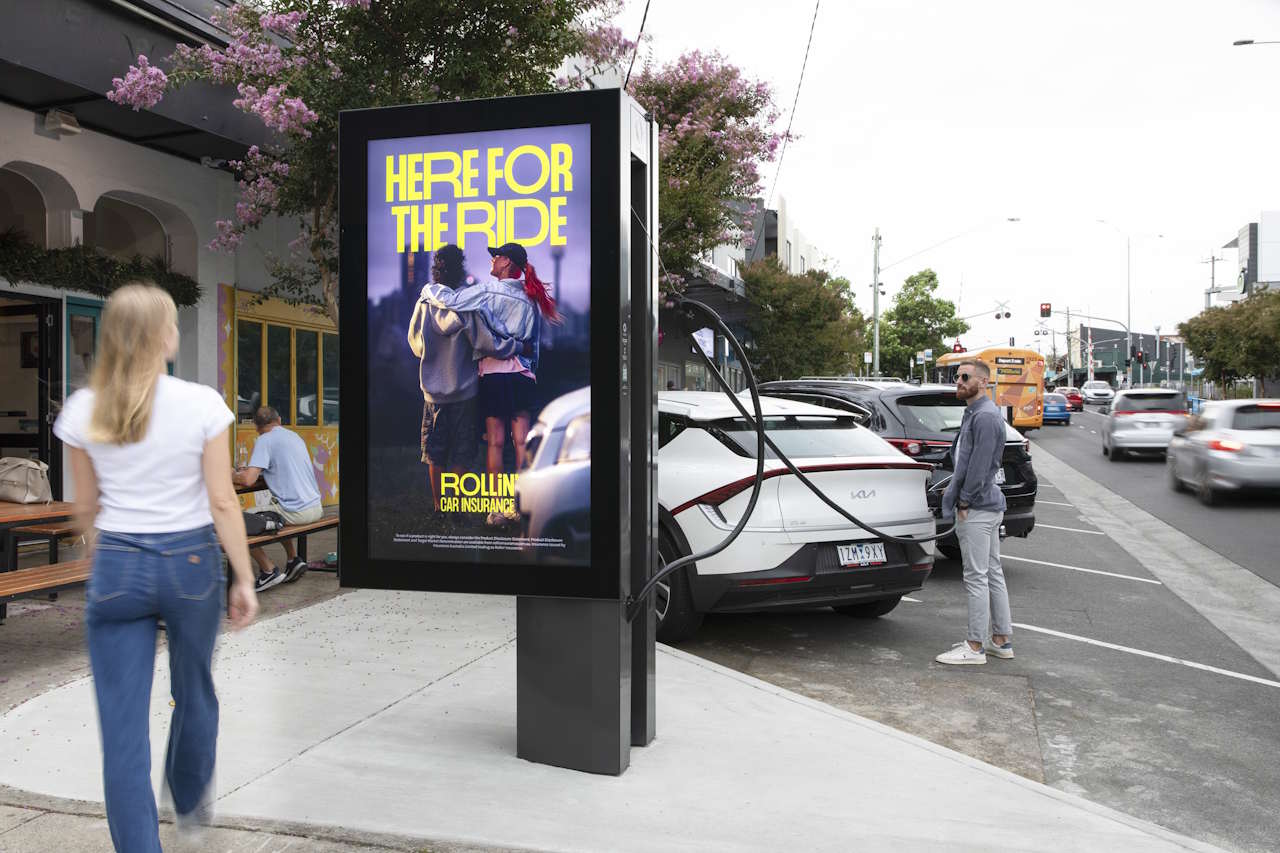
Jolt’s existing EV charging network currently spans Australia’s four major metropolitan centres: Sydney, Melbourne, Brisbane, and Adelaide. The company has strategically positioned its charging stations in high-traffic retail, dining, and lifestyle precincts, aiming to integrate charging seamlessly into consumers’ daily routines.
Strategic Expansion for Future Growth
Vicki Slavina, Jolt’s Chief Operating Officer, highlighted the company’s ambitious expansion plans, which are supported by large advertising displays integrated into their charging stations. These displays not only provide a revenue stream but also enhance visibility and accessibility for users.
“The EV market in Australia is maturing faster than most people anticipated, and the pipeline of new models and new buyers suggests we’re still in the early chapters of that story,” Slavina commented. This perspective underscores the dynamic nature of the Australian EV market and the critical role that an expanding and reliable EV charging network will play in its evolution.
The continued growth of charging infrastructure, both public and private, is not merely about convenience; it is a fundamental enabler for the complete decarbonisation of the transport sector. As more models enter the market and battery technology advances, the focus increasingly shifts to the accessibility and reliability of the charging ecosystem.
The Broader Implications for Australia’s Automotive Sector
The record surge in Jolt’s customer base, coupled with the national uptick in EV sales, paints a clear picture of an Australian automotive market on the cusp of a significant transformation. This shift is not just about environmental consciousness but is fundamentally driven by practical benefits that resonate directly with consumer needs and economic realities.
As the EV charging network continues to grow and mature, it will inevitably influence urban planning, energy infrastructure development, and even consumer purchasing patterns. The increasing number of EV models available, catering to diverse needs and budgets, will further accelerate this trend, making electric vehicles a mainstream choice rather than a niche option.
The commitment of companies like Jolt to expand critical infrastructure signifies a proactive response to evolving market demands. This ongoing development of the national EV charging network is crucial for sustaining the current growth trajectory and ensuring that Australia remains on a path towards a more sustainable and electrified future for transport.
Frequently Asked Questions (FAQ)
What is driving the recent surge in EV charging network customers?
The primary driver is a combination of increasing national EV sales and consumers seeking lower running costs. Jolt reported a 54.4% month-on-month increase in registrations in March, coinciding with record EV market share, highlighting growing interest in electric vehicles and the supporting infrastructure.
How significant are economic factors in the decision to switch to EVs?
Economic factors are highly significant. Jolt’s survey indicates that 7 out of 10 EV drivers cite lower running costs as their top reason for going electric. This includes savings on fuel and potentially reduced maintenance, making EVs an attractive financial proposition for many Australians.
What is Jolt’s current reach regarding its EV charging network?
Jolt’s EV charging network is currently established across Australia’s four major cities: Sydney, Melbourne, Brisbane, and Adelaide. Their stations are strategically located within high-traffic retail, dining, and lifestyle precincts to offer convenient access to users.
Is the lack of charging stations still a major barrier to EV adoption in Australia?
Yes, the perceived lack of access to charging stations remains a key barrier for many potential EV owners. However, companies like Jolt are actively working to mitigate this by expanding their public charging network, which is critical for supporting broader EV adoption across the country.
What does the future hold for petrol vehicle owners who also have an EV?
According to Jolt’s survey, 59% of respondents who own both a petrol vehicle and an EV plan to replace their petrol car with another EV within three years. This indicates a strong long-term commitment to electric mobility and suggests a continued decline in petrol vehicle ownership.
How does Jolt plan to expand its EV charging network?
Jolt is actively looking to expand its network beyond its current presence in major cities. This expansion is crucial to meet the growing demand from new EV buyers and support the maturing EV market, as noted by Chief Operating Officer Vicki Slavina, who mentioned the pipeline of new models and buyers.