
Key Takeaways
- Morrow Batteries has initiated deliveries of lithium iron phosphate (LFP) battery cells to Finnish technology firm Proventia.
- This marks a significant ramp-up in Morrow’s battery cell production at its Arendal, Norway factory for industrial customers.
- The long-term agreement extends through 2031, focusing on supplying prismatic LFP cells for Proventia’s battery modules in off-highway and industrial applications.
- Proventia anticipates delivering its first customer products featuring Morrow’s cells in the first half of 2026.
- The partnership emphasizes technical collaboration, optimization, and the strategic importance of secure, locally-produced European battery cells.
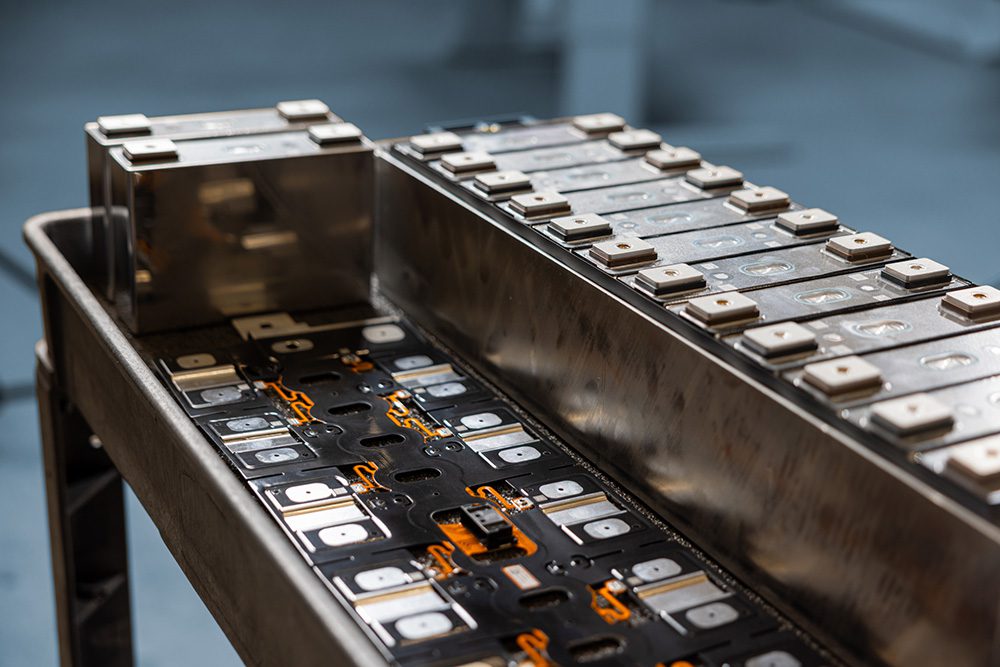
ARENDAL, NORWAY & OULU, FINLAND – May 1, 2026 – In a significant stride for Europe’s burgeoning electric vehicle (EV) and industrial battery sector, Morrow Batteries has officially commenced the delivery of its advanced lithium iron phosphate (LFP) battery cells to the Finnish technology company, Proventia. This pivotal moment signals a substantial acceleration in Morrow’s production capabilities at its state-of-the-art battery cell factory located in Arendal, Norway, specifically targeting high-demand industrial applications.
The commencement of these crucial battery cell deliveries underscores a strategic long-term agreement between the two companies, designed to secure a vital supply of prismatic LFP cells. These cells are integral to Proventia’s innovative battery modules and packs, which are extensively utilised across a range of off-highway and heavy industrial machinery.

Strategic Partnership Fuels European Battery Manufacturing
The collaboration between Morrow Batteries and Proventia is not merely transactional; it represents a robust strategic alliance in the European battery value chain. This long-term supply agreement is set to continue through 2031, providing Proventia with a stable and reliable source of high-quality LFP battery cells, a chemistry increasingly favoured for its safety, longevity, and cost-effectiveness in demanding environments.
Beyond the immediate supply of LFP technology, the agreement also incorporates forward-looking provisions. It allows for the flexible inclusion of additional advanced battery cell chemistries as they mature and become commercially viable, ensuring the partnership remains at the forefront of battery innovation and evolving market needs.
Expanding Reach into Industrial and Off-Highway Sectors
Proventia, a key player in the electrification of heavy-duty vehicles and industrial equipment, is poised to integrate Morrow’s cells into its next generation of battery solutions. The Finnish firm has confirmed its expectations to begin initial customer deliveries of batteries powered by Morrow’s advanced cells within the first half of the current year. This accelerated timeline highlights the readiness and reliability of Morrow’s production ramp-up.

For Morrow, this period will be marked by a continuous scaling of its production capacity in Arendal. The focus will also be on further stabilising and optimising its manufacturing processes, ensuring consistent quality and meeting the stringent demands of industrial electrification. This methodical approach to scaling up is critical for establishing a resilient European source for advanced battery components.
Scaling Norwegian Battery Cell Production Amidst Global Challenges
The journey to establish and scale competitive battery production is inherently complex, fraught with technical and operational challenges. Morrow Batteries acknowledges these realities, even as it celebrates this significant milestone in its operational expansion. The commitment to building stable and high-quality battery manufacturing is a long-term endeavour requiring sustained effort and innovation.
Jon Fold von Bülow, Acting CEO of Morrow, articulated the gravity and optimism surrounding this development. “This is an important milestone for Morrow. At the same time, the situation remains challenging, and there are no shortcuts to building stable and competitive battery production. It takes time to scale up production, improve processes, and consistently deliver the quality our customers expect. In Arendal, we are now producing cells that are being put into use by customers with high requirements for quality, performance and reliability of supply.” His statement underscores the rigorous quality control and performance benchmarks Morrow is achieving.
Technical Synergy for Enhanced Performance
The partnership extends beyond a simple supplier-customer relationship, fostering a deep technical cooperation. Both companies are engaged in joint efforts, including critical optimisation at both module and pack levels. Extensive validation work is also underway to rigorously test and confirm the performance and reliability of the battery solutions in the exceptionally demanding operating environments characteristic of off-highway and industrial applications.
This integrated approach ensures that the battery cells are not just delivered but are meticulously engineered into highly efficient and robust battery systems. The shared emphasis on performance and reliability is paramount for products designed to operate under harsh conditions, contributing significantly to the overall efficacy and safety of electrified industrial machinery.
The Imperative of European Battery Independence
The strategic importance of establishing robust domestic and regional battery supply chains in Europe cannot be overstated. Global geopolitical shifts, supply chain vulnerabilities, and increasing environmental regulations have amplified the call for greater energy independence and localized manufacturing capabilities. The collaboration between Morrow and Proventia directly addresses this critical need, offering a secure and geographically proximate source of advanced battery cells.
Jari Granath, Product Manager of Proventia, highlighted this strategic advantage. “Access to battery cells produced in Europe is becoming increasingly important for our customers, both from a supply security perspective and for future competitiveness. Working with Morrow gives us a strong technology partner with the flexibility and industrial mindset needed to support demanding customer projects.” This sentiment reflects a broader industry trend towards de-risking supply chains and fostering regional economic resilience.
The ability to source battery components within Europe provides several tangible benefits, including reduced logistical complexities, lower carbon footprints associated with transportation, and enhanced responsiveness to market demands. Moreover, it strengthens the continent’s position in the global EV engineering and industrial electrification race.
The Road Ahead: Market Impact and Future Outlook
The initiation of these battery cell deliveries is a testament to the significant progress being made in European battery manufacturing. As Morrow continues to expand its operations and refine its production processes, it is set to become a cornerstone of the region’s battery supply infrastructure. This, in turn, will enable companies like Proventia to innovate further and deliver cutting-edge electrification solutions to their customers, accelerating the transition to more sustainable industrial practices.
The partnership’s focus on LFP technology for off-highway and industrial sectors is particularly noteworthy. These applications often require high energy density, long cycle life, and inherent safety characteristics, all of which LFP chemistry delivers effectively. As the electrification trend penetrates deeper into heavy-duty and specialized machinery, the demand for such robust and reliable battery solutions will only intensify.
Morrow Batteries’ commitment to a phased scale-up, combined with Proventia’s expertise in module and pack integration, promises to deliver high-performance, European-made battery solutions that will be crucial for the continued growth and success of the electric vehicle and industrial electrification markets.
Source: Proventia
Frequently Asked Questions (FAQ)
What types of battery cells is Morrow Batteries delivering to Proventia?
Morrow Batteries is delivering lithium iron phosphate (LFP) battery cells. Specifically, these are prismatic LFP cells, a type known for its safety, long cycle life, and suitability for demanding industrial applications, aligning well with Proventia’s product requirements.
What is the primary application for these Morrow battery cells?
These LFP battery cells are destined for Proventia’s battery modules and packs, which are specifically designed for use in off-highway and various industrial applications. This includes heavy machinery, construction equipment, and other demanding industrial electrification projects.
How long is the supply agreement between Morrow and Proventia?
The long-term agreement for the supply of battery cells between Morrow Batteries and Proventia is set to run through the year 2031. This extended timeframe signifies a deep, strategic commitment from both parties to ensure a stable supply chain.
Will the agreement include other battery chemistries in the future?
Yes, the agreement is structured to be flexible. It allows for the future inclusion of additional battery cell chemistries as they become commercially available and prove suitable for Proventia’s applications, ensuring the partnership can adapt to technological advancements.
When does Proventia expect to deliver products using Morrow’s cells to its customers?
Proventia anticipates commencing its first customer deliveries of battery modules and packs that incorporate Morrow’s LFP cells in the first half of 2026. This timeline highlights the efficiency of the integration and validation processes.
What is the significance of European production for these battery cells?
European production of battery cells is increasingly vital for supply security, reducing reliance on external markets, and enhancing future competitiveness. It supports regional economic growth, reduces logistical footprints, and helps meet stringent European sustainability and regulatory standards.
What kind of collaboration exists beyond cell supply?
The collaboration extends beyond mere supply to include close technical cooperation. This encompasses optimization efforts at the battery module and pack levels, extensive validation work, and a shared focus on ensuring high performance and reliability in challenging operating environments.