
Key Takeaways
- Morrow Batteries has commenced deliveries of lithium iron phosphate (LFP) battery cells to Finnish technology company Proventia.
- The deliveries are part of a long-term agreement extending through 2031, with potential for future cell chemistries.
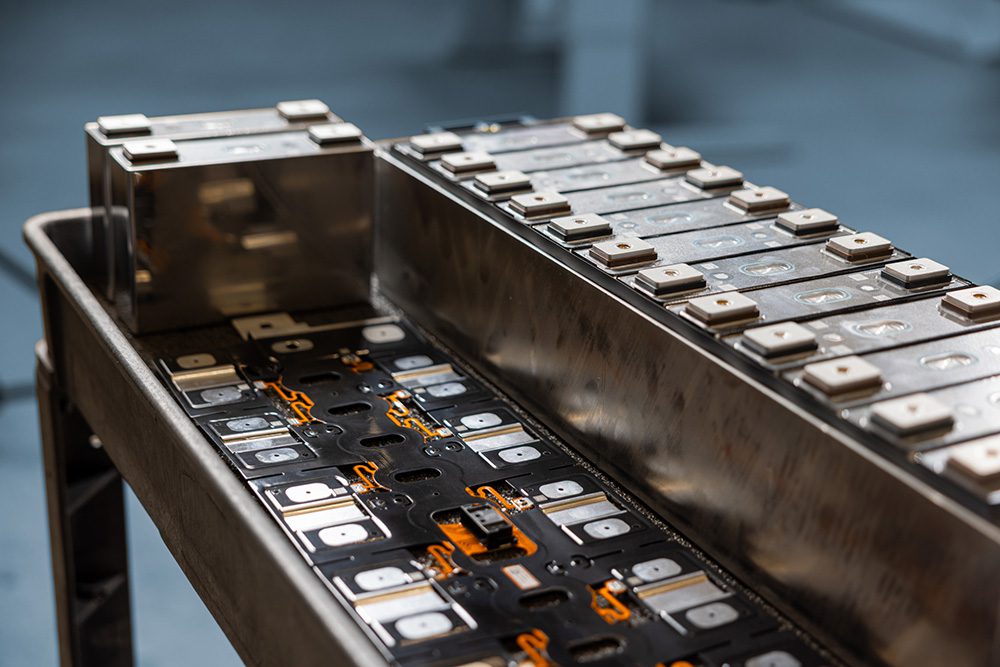
- Proventia will integrate Morrow’s prismatic LFP cells into its battery modules and packs for critical off-highway and industrial applications.
- This collaboration marks a significant milestone in Morrow’s efforts to scale up stable and competitive battery cell production in Arendal, Norway.
- The partnership underscores the growing strategic importance of European-produced battery cells for supply chain security and regional competitiveness.
Arendal, Norway – Morrow Batteries, a key player in the European battery sector, has officially begun supplying lithium iron phosphate (LFP) battery cells to Proventia, a technology firm based in Finland. This crucial step signifies a ramp-up in Morrow’s industrial production capabilities at its state-of-the-art battery cell factory located in Arendal, Norway, targeting a diverse array of industrial clientele.
The commencement of these deliveries is rooted in a comprehensive, long-term agreement between the two entities. This partnership mandates Morrow to provide prismatic LFP cells specifically for Proventia’s advanced battery modules and packs. These energy storage solutions are engineered for demanding off-highway and various industrial applications, sectors where reliability and durability are paramount.

Extending until 2031, the agreement is designed with future flexibility, allowing for the integration of additional battery cell chemistries as new technologies become commercially viable. This forward-thinking approach ensures that both companies can adapt to evolving market demands and technological advancements within the energy storage landscape.
Proventia has indicated its readiness to initiate the first customer deliveries of batteries incorporating Morrow’s cells during the first half of the current year. Concurrently, Morrow is poised to progressively enhance its battery cell production in Norway over the coming months, alongside a dedicated focus on stabilizing and optimizing its manufacturing processes to ensure consistent quality and output.
Strategic Collaboration for Performance and Reliability
The collaboration between Morrow and Proventia transcends a mere supply arrangement; it encompasses an intensive technical cooperation framework. This involves detailed optimization efforts at both the module and pack levels, rigorous validation work, and a mutual commitment to achieving superior performance and unwavering reliability, particularly in the challenging operating environments characteristic of industrial use.

LFP battery technology, known for its inherent safety, long cycle life, and cost-effectiveness, presents a compelling solution for these heavy-duty industrial applications. Its robust thermal stability and resilience make it an ideal choice for machinery that operates under diverse and often strenuous conditions, contributing to the overall integrity and longevity of the power systems.
The focus on localized battery cell production in Norway is strategically significant. It contributes to strengthening regional supply chains, reducing reliance on distant manufacturing hubs, and fostering a more resilient European industrial base. This commitment to domestic production aligns with broader European initiatives aimed at securing critical technologies and promoting sustainable manufacturing practices.
Navigating the Challenges of Scaling Production
Jon Fold von Bülow, the Acting CEO of Morrow, underscored the monumental nature of this achievement while candidly acknowledging the inherent complexities of establishing advanced battery manufacturing. He stated, “This is an important milestone for Morrow. At the same time, the situation remains challenging, and there are no shortcuts to building stable and competitive battery production. It takes time to scale up production, improve processes, and consistently deliver the quality our customers expect. In Arendal, we are now producing cells that are being put into use by customers with high requirements for quality, performance and reliability of supply.”
This statement highlights the rigorous efforts involved in bringing a sophisticated manufacturing process like battery cell production to industrial scale. The journey from research and development to full-scale commercial delivery demands meticulous attention to detail, continuous process improvement, and an unwavering commitment to quality assurance at every stage.
The dedication to quality and performance is particularly critical for applications in the off-highway and industrial sectors, where equipment often operates in extreme temperatures, high vibration environments, and requires extended operational lifecycles. For these reasons, the cells produced at Morrow’s facility in Arendal must meet exceptionally high standards.
The Growing Demand for European-Sourced Battery Cells
The strategic importance of localized battery cell production in Norway and across Europe cannot be overstated. Jari Granath, Product Manager of Proventia, articulated this critical perspective, remarking, “Access to battery cells produced in Europe is becoming increasingly important for our customers, both from a supply security perspective and for future competitiveness. Working with Morrow gives us a strong technology partner with the flexibility and industrial mindset needed to support demanding customer projects.”
This sentiment reflects a broader industry trend where businesses are increasingly prioritizing supply chain resilience and geographical proximity for critical components. Geopolitical shifts, global logistics challenges, and the imperative for sustainability are driving a re-evaluation of sourcing strategies, pushing companies to seek reliable partners closer to home.
For European original equipment manufacturers (OEMs), securing a stable supply of high-quality battery cells produced within the continent offers significant advantages. It minimizes lead times, reduces transportation costs and carbon footprint, and provides greater control over quality standards and intellectual property. Furthermore, it helps meet stringent regulatory requirements related to local content and environmental responsibility.
The partnership between Morrow and Proventia exemplifies the burgeoning ecosystem of battery cell production in Norway and the wider Nordic region. This area is increasingly becoming a hub for sustainable energy solutions, leveraging its abundant renewable energy resources to power advanced manufacturing processes, contributing to a lower carbon footprint for the batteries produced.
Advancing Off-Highway and Industrial Electrification
The off-highway and industrial sectors, encompassing everything from construction machinery and agricultural vehicles to mining equipment and port logistics, are undergoing a significant transition towards electrification. This shift is driven by a combination of stricter emission regulations, operational efficiency gains, and a desire to reduce fossil fuel dependency.
Battery modules and packs, such as those Proventia will produce using Morrow’s cells, are fundamental to this electrification trend. They must be rugged, powerful, and durable enough to withstand the demanding duty cycles and harsh conditions prevalent in these industries. LFP chemistry is particularly well-suited for such applications due due to its thermal stability and extended operational life, which are crucial for minimizing downtime and maintenance costs in heavy machinery.
The collaboration ensures that Proventia can offer its customers battery solutions that are not only technologically advanced but also benefit from a secure, regionally sourced supply chain. This is a crucial differentiator in a competitive market where reliability of supply is as important as the performance of the product itself.
Looking Ahead: Future Growth and Innovation
As Morrow continues to stabilize and optimize its manufacturing processes, the long-term agreement with Proventia provides a solid foundation for sustained growth. The flexibility embedded in the agreement to incorporate future cell chemistries also signals a commitment to continuous innovation and adaptation.
The experience gained from scaling up battery cell production in Norway, coupled with the technical cooperation with Proventia, will undoubtedly position Morrow as a significant contributor to Europe’s ambition of establishing a robust and self-sufficient battery industry. This localized production capability is vital for meeting the escalating demand for electric vehicles and industrial electrification solutions across the continent.
In essence, this partnership between Morrow Batteries and Proventia represents more than just a commercial transaction; it is a strategic alignment aimed at fostering technological innovation, enhancing supply chain security, and driving the electrification of critical industrial sectors within Europe.
Frequently Asked Questions (FAQ)
What type of battery cells is Morrow supplying to Proventia?
Morrow Batteries is supplying lithium iron phosphate (LFP) battery cells to Proventia. These prismatic LFP cells are known for their safety, long cycle life, and suitability for demanding industrial applications, offering a reliable energy storage solution.
What is the duration of the supply agreement between Morrow and Proventia?
The long-term agreement between Morrow Batteries and Proventia runs through 2031. It also includes provisions for the future integration of additional battery cell chemistries as they become commercially available, ensuring adaptability.
For what applications will Proventia use Morrow’s battery cells?
Proventia will utilize Morrow’s LFP battery cells in its battery modules and packs, which are designed for use in various off-highway and industrial applications. This includes heavy machinery in construction, agriculture, and mining, where durability is key.
Why is European battery cell production important for customers?
European battery cell production, such as Morrow’s in Norway, is increasingly vital for customers due to enhanced supply security and future competitiveness. It reduces reliance on external markets, streamlines logistics, and aligns with regional sustainability goals.
What challenges does Morrow face in scaling up battery production?
Morrow’s Acting CEO, Jon Fold von Bülow, noted that building stable and competitive battery production takes time. Challenges include scaling up manufacturing processes, optimizing production lines, and consistently ensuring the high quality and reliability expected by industrial customers.
When does Proventia expect to deliver products with Morrow’s cells?
Proventia anticipates beginning its first customer deliveries of battery modules and packs that incorporate Morrow’s LFP cells during the first half of the current year. This marks a significant step in bringing these advanced solutions to the market.