
Key Takeaways:
- Ford Motor Company has invested over $1 billion since 2018 to revitalize Detroit’s historic Michigan Central Station and its surrounding campus, transforming a symbol of urban decay into a thriving innovation district.
- The ambitious project houses Ford’s Connected Car and Advanced Electric Vehicle teams, alongside over 100 burgeoning startups, signaling a profound commitment to future mobility.
- A central pillar of this transformation is Newlab Detroit, an incubator specifically focused on “critical technologies” in mobility, including drones, robotics, and autonomous systems.
- Newlab Detroit provides startups with 30,000 square feet of advanced communal lab and manufacturing space, equipped with tools like CNC mills, laser cutters, and industrial 3D printers, accelerating prototype development from months to mere days or weeks.
- This significant Ford Michigan Central investment aims to attract top engineering talent to Detroit and grant Ford early access to groundbreaking innovations, positioning the city as a crucial nexus for next-generation transportation.
For three decades, the majestic Michigan Central train station stood as a stark monument to Detroit’s past, its grandeur eroded by abandonment and decay. Once a bustling portal for the industrial age, it had become a potent symbol of the city’s struggles, a silent testament to a bygone era.

Today, the narrative has dramatically shifted. The Michigan Central campus, once dormant, now pulsates with the energy of engineers, pioneering entrepreneurs, and visionary thinkers. This remarkable revitalization, spearheaded by Ford Motor Company, has repositioned the historic landmark as a vibrant hub for the future of mobility.
A Historic Landmark Reborn: The Billion-Dollar Transformation
The transformation of Michigan Central Station began in earnest in 2018 when Ford embarked on an ambitious journey. The Dearborn-based automotive giant committed a staggering investment exceeding $1 billion to acquire and meticulously restore the iconic structure and its sprawling surrounding campus.
This substantial Ford Michigan Central investment was not merely a real estate acquisition; it represented a profound cultural and economic commitment to Detroit. The objective was clear: to resurrect a symbol of the city’s industrial might and recast it as a beacon for advanced technological innovation.

The extensive restoration project went beyond structural repairs, aiming to preserve the historical integrity of the building while integrating state-of-the-art infrastructure. This dual approach ensured that the revitalized campus honored its past while firmly embracing the demands of cutting-edge research and development.
The once-derelict train hall, a powerful visual reminder of decline, has been meticulously rehabilitated, reflecting Ford’s dedication to a holistic urban renewal strategy. This intricate balance of preservation and modernization underscores the depth of the company’s vision for the site.
Newlab Detroit: A Catalyst for Critical Mobility Technologies
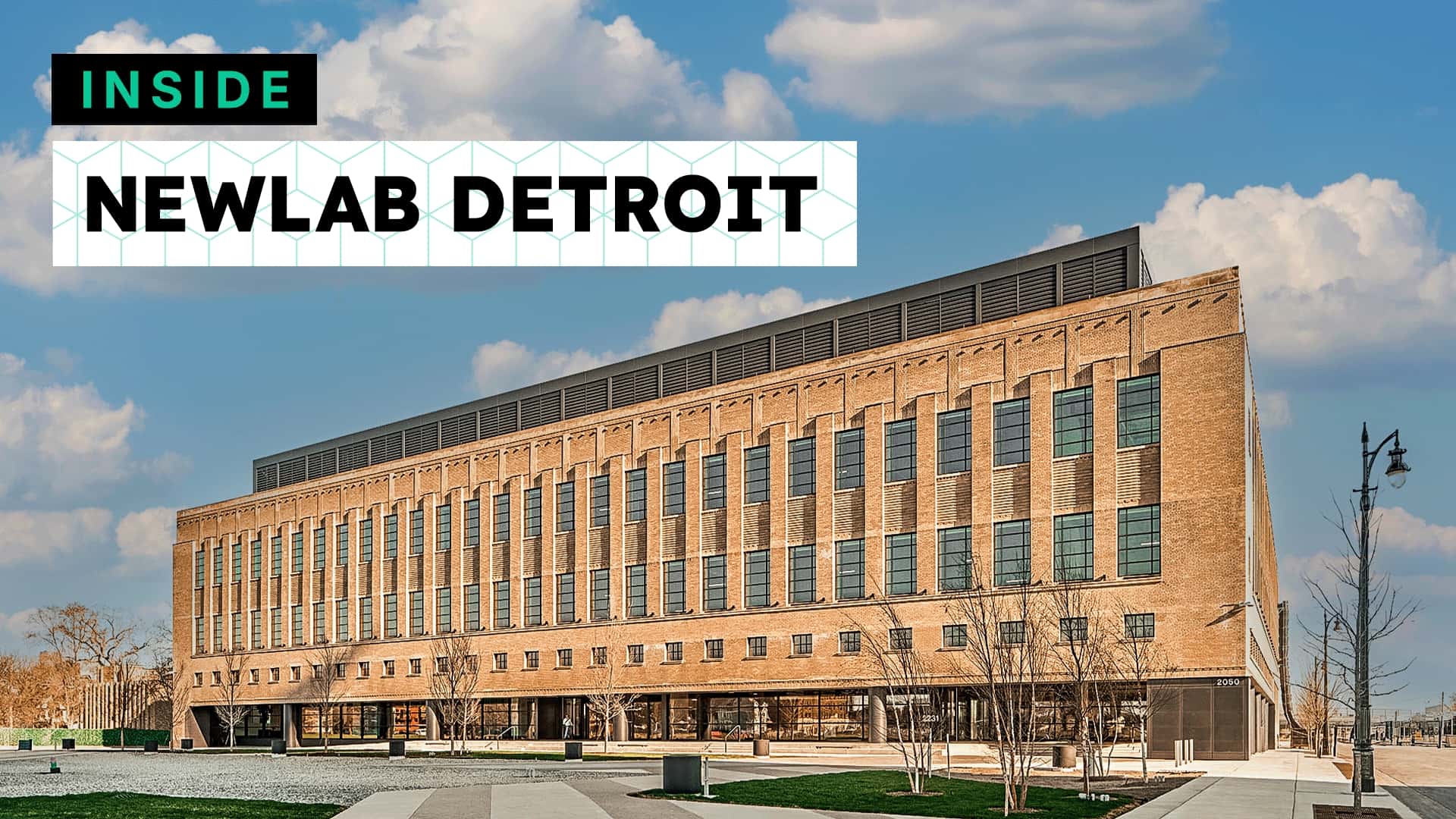
Central to this dynamic ecosystem is Newlab Detroit, an innovative incubator housed in the station’s former book depository. Ford’s partnership with Newlab underscores a strategic focus on cultivating “critical technologies”—innovations deemed essential for a nation’s security and economic prosperity.
At Newlab Detroit, the specific emphasis is on advanced mobility solutions. This encompasses a broad spectrum of pioneering work, from the development of sophisticated drones and intricate robotics to the complex engineering of autonomous vehicles. The facility serves as a crucible where the next generation of transportation is being forged.
Bridging the Gap: Physical Prototyping and Accelerated Innovation
Unlike purely software-driven ventures, mobility startups face unique challenges that necessitate tangible, real-world testing. While designing a car in 3D or simulating its aerodynamic properties on a computer provides initial insights, the actual construction and rigorous physical testing of a vehicle inevitably reveal issues that a digital screen cannot capture.
This fundamental distinction highlights the critical need for robust physical infrastructure, a gap that Newlab Detroit is specifically designed to fill. It provides the essential environment where theoretical designs can transition into functional prototypes and be subjected to practical evaluation, moving beyond mere digital modeling.
State-of-the-Art Facilities and Collaborative Ecosystem
Newlab Detroit boasts over 30,000 square feet of communal lab and manufacturing space, meticulously outfitted with an impressive array of advanced equipment. This includes precision CNC mills, versatile laser cutters, and industrial-scale 3D printers, providing startups with unparalleled access to sophisticated fabrication tools.
Beyond the hardware, Newlab offers invaluable professional guidance on utilizing these complex machines, ensuring that resident companies can maximize their prototyping capabilities. An innovative electrified roadbed situated outside the facility allows for wireless charging and testing of electric vehicles, further enhancing its comprehensive offerings.
The core philosophy behind centralizing such expensive and specialized infrastructure is to dramatically accelerate development, testing, and iteration cycles. Companies operating within the Newlab ecosystem can translate ideas into physical products, test them, and refine their designs in a matter of days or weeks, a significant reduction from the traditional timeline of months.
Success Stories in Motion: Civilized Cycles as a Model
A prime example of the facility’s impact is Civilized Cycles, a startup actively developing an electric “Semi-Trike.” This innovative vehicle is engineered to combine the substantial cargo capacity typically found in a traditional van with the reduced carbon footprint associated with an e-bike, addressing modern urban logistics challenges.
Through its integration into the Newlab ecosystem, Civilized Cycles has been able to rapidly design and prototype various iterations of its unique tube-chassis trike and accompanying trailer. The ability to conduct these critical development phases entirely within the Michigan Central complex dramatically streamlines their product development timeline and fosters quicker innovation.
Ford’s Strategic Vision: Talent, Innovation, and Future Leadership
The Ford Michigan Central investment yields multifaceted strategic advantages for the automaker. Firstly, it positions Detroit as an attractive alternative to established tech hubs like Silicon Valley or Austin, drawing top-tier engineering talent and fostering a new generation of innovators within the region.
Secondly, Ford gains invaluable early access to groundbreaking innovations across a spectrum of critical areas, including advanced autonomy, sustainable electric micromobility solutions, and sophisticated connected car technologies. This strategic proximity allows Ford to identify and integrate future-defining advancements into its own product pipeline, maintaining a competitive edge in a rapidly evolving industry.
Revitalizing Detroit: Beyond the Automotive Capital
This ambitious endeavor by Ford extends beyond corporate strategy, contributing significantly to the ongoing revitalization of Detroit. The city, historically synonymous with the automotive industry, is now actively cultivating an identity as a diversified tech and innovation hub.
In an era marked by shifting global dynamics, including evolving electric vehicle policies and rapid technological advancements in nations like China, concerns about America’s competitive standing can arise. However, the energy and innovation emanating from Michigan Central serve as a powerful affirmation of the nation’s capacity to build and innovate.
The transformation of Michigan Central Station represents more than just a real estate redevelopment; it is a profound testament to resilience and foresight. It symbolizes the power of collaboration between an established industrial giant and a dynamic ecosystem of tiny startups, all operating within a structure that once epitomized urban decay.
In a city once deemed by many to be in irreversible decline, Ford’s Michigan Central investment stands as a vibrant symbol of American ingenuity and a forward-looking commitment to the future of mobility, demonstrating that truly great things can indeed be built anew.
Frequently Asked Questions (FAQ)
What is Michigan Central?
Michigan Central is a historic train station and surrounding campus in Detroit, undergoing a massive revitalization by Ford Motor Company since 2018 to become a global hub for mobility innovation and technology development.
What is Newlab Detroit’s role in Michigan Central?
Newlab Detroit is an incubator located within Michigan Central, partnered with Ford. It focuses on accelerating “critical technologies” in mobility, providing startups with advanced lab space, equipment, and guidance to develop drones, robotics, and autonomous vehicles.
How much has Ford invested in Michigan Central?
Ford Motor Company has invested over $1 billion since 2018 into the acquisition, restoration, and development of the Michigan Central Station and its surrounding campus, transforming it into a modern tech and mobility hub.
What kind of technologies are developed at Newlab Detroit?
Newlab Detroit is dedicated to advanced mobility technologies, including but not limited to, drones, robotics, autonomous vehicles, and electric micromobility solutions. It supports innovations that are critical for future transportation and national economic security.
How does Newlab Detroit support startups?
Newlab Detroit offers startups extensive communal lab and manufacturing space (over 30,000 sq ft), high-tech equipment like CNC mills and 3D printers, professional technical guidance, and an electrified roadbed for testing. This infrastructure significantly speeds up prototyping and development cycles.
What benefits does Ford gain from this investment?
Ford benefits by attracting top engineering talent to Detroit, gaining early access to cutting-edge innovations in autonomy and electric micromobility, and positioning itself at the forefront of future transportation technologies, thus maintaining a competitive edge in the global automotive landscape.
How does Michigan Central contribute to Detroit’s revitalization?
The Michigan Central project symbolizes Detroit’s rebirth, transforming a long-abandoned landmark into a thriving center for innovation. It helps diversify the city’s economy beyond traditional manufacturing, creating jobs and fostering a dynamic entrepreneurial ecosystem.