
Key Takeaways
- Ford Motor Company invested over $1 billion to revitalize Detroit’s historic Michigan Central Station and its surrounding campus.
- The initiative transforms the long-abandoned landmark into a cutting-edge hub for mobility technology, drawing engineers and entrepreneurs to Detroit.
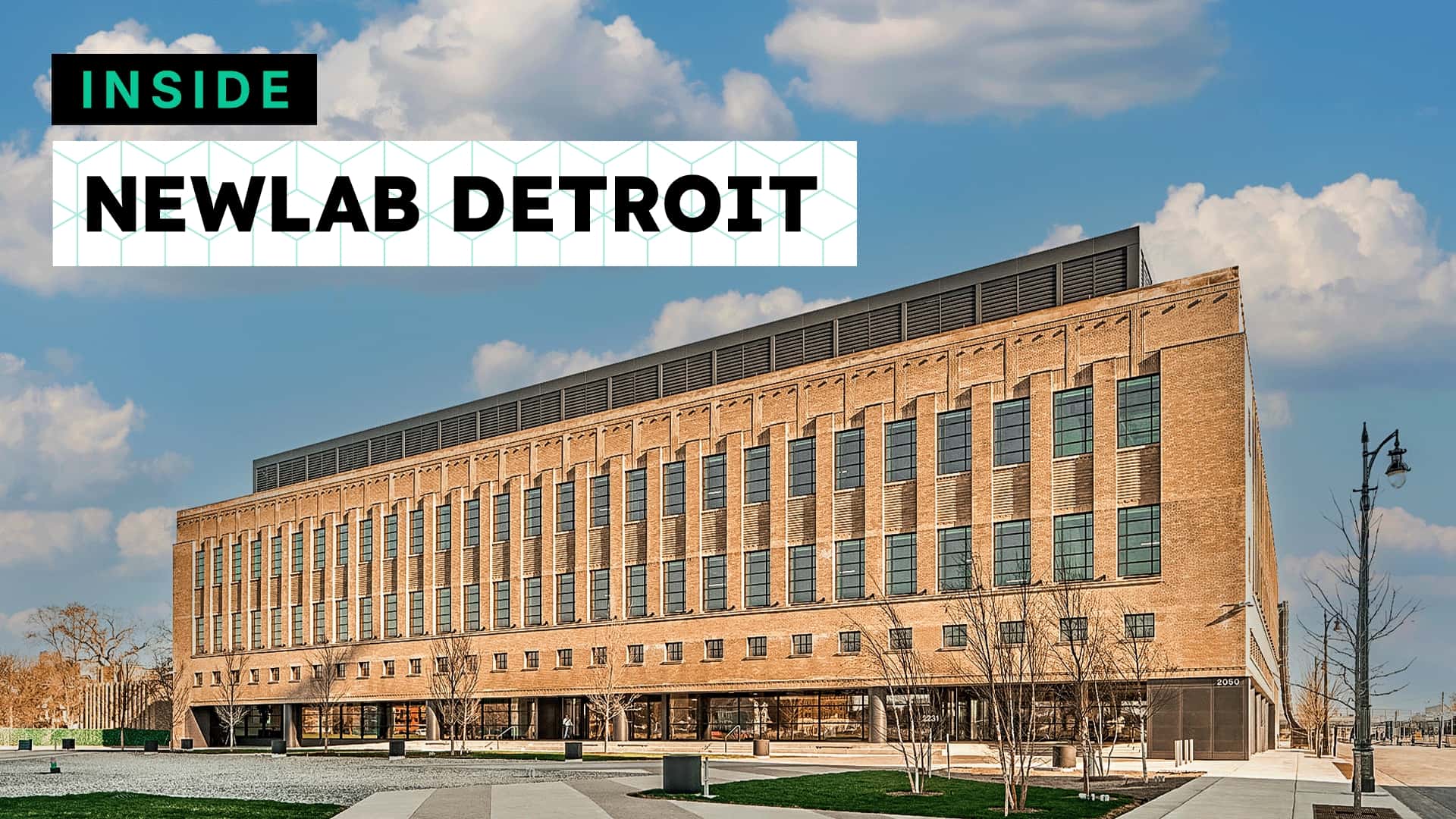
- Newlab Detroit, a key partner, occupies the former book depository, focusing on ‘critical technologies’ like autonomous vehicles, drones, and robotics.
- Newlab offers extensive communal lab and manufacturing spaces, including advanced equipment and specialized guidance, significantly accelerating product development cycles for startups.
- Ford benefits from attracting top engineering talent and gaining early access to disruptive innovations in the rapidly evolving mobility sector.
- The project symbolizes Detroit’s resurgence as a center for industrial innovation, contributing to the revitalization of the city and U.S. technological advancement.
For three decades, Detroit’s iconic Michigan Central train station stood as a stark monument to a bygone era. Once a symbol of the city’s industrial prowess, its dilapidated state mirrored the economic struggles and urban decay that became synonymous with the ‘Motor City’ in recent history.
Today, the sprawling Michigan Central campus, including the meticulously restored station and its adjacent structures, pulses with renewed energy. It is now a vibrant ecosystem where engineers, visionary entrepreneurs, and creative thinkers collaborate, pushing the boundaries of future mobility.

This remarkable transformation is the result of a monumental investment by Ford Motor Company, which has committed over $1 billion to resurrect the historic landmark and establish a global innovation hub focused on connected cars and advanced electric vehicle technologies. The campus is not only home to Ford’s dedicated teams but also hosts more than 100 burgeoning startups, signaling a profound shift in Detroit’s trajectory.
Ford’s Strategic Investment in Urban Revitalization
Beginning in 2018, Ford embarked on an ambitious journey to breathe new life into Michigan Central. The automotive giant’s multi-billion-dollar commitment extended beyond mere structural restoration, encompassing a vision to reimagine the future of transportation and urban development.
This comprehensive investment aims to cultivate a diverse and dynamic community of innovators. By bringing together established industry players and nimble startups, Ford seeks to foster an environment ripe for groundbreaking discoveries and rapid technological advancements in the mobility sector.

Newlab Detroit: Catalysing Critical Technologies
A cornerstone of the Michigan Central initiative is the strategic partnership with Newlab, an acclaimed incubator renowned for its focus on ‘critical technologies’. Newlab Detroit has established its operations within the formerly disused book depository adjacent to the main train station, transforming it into a nexus for cutting-edge development.
Critical technologies, as defined by the company, encompass innovations deemed essential to a nation’s national security and economic prosperity. In the context of Newlab Detroit, this mandate specifically translates into pioneering advancements in mobility, spanning areas such as autonomous vehicles, advanced robotics, drone technology, and innovative electric micromobility solutions.
The unique nature of mobility startups, unlike purely software-based enterprises, necessitates extensive physical prototyping and real-world testing. While digital design and simulation offer initial insights, the complexities of building and validating physical products, such as next-generation vehicles or robotic systems, demand tangible infrastructure that often proves prohibitively expensive for individual startups.
Accelerating Innovation Through Shared Infrastructure
Newlab Detroit addresses this critical need by providing an unparalleled 30,000 square feet of communal lab and manufacturing space. This state-of-the-art facility is equipped with an impressive array of advanced tools, ranging from high-precision CNC mills and laser cutters to industrial-scale 3D printers, enabling rapid prototyping and fabrication.
Beyond the sophisticated machinery, the hub offers invaluable professional guidance and technical expertise on how to effectively utilize these resources. This support system is crucial for startups, often with limited budgets and specialized knowledge, to transform theoretical concepts into functional prototypes.
Further enhancing its capabilities, the campus features an electrified roadbed outside the facility, specifically designed for wirelessly charging electric vehicles. This infrastructure underscores Newlab’s commitment to supporting the full lifecycle of mobility innovation, from conceptualization and design to testing and refinement.
The core philosophy behind centralizing such expensive infrastructure is to dramatically shorten the development, testing, and iteration cycles for member companies. By sharing resources and expertise, startups can build, rigorously test, and iteratively refine their innovative ideas in a matter of days or weeks, a process that would otherwise consume months or even years.
Civilized Cycles: A Case Study in Rapid Prototyping
A compelling example of the Newlab ecosystem’s impact is Civilized Cycles, a startup focused on developing an electric ‘Semi-Trike’. This innovative vehicle is designed to combine the substantial cargo capacity typically associated with a van with the minimal carbon footprint of an e-bike, addressing the growing demand for sustainable urban logistics solutions.
During a recent visit to the Michigan Central facility earlier this year, it was evident how Civilized Cycles leverages the integrated environment. The company can efficiently design and quickly prototype various iterations of its tube-chassis trike and accompanying trailer within the same building. This integrated workflow significantly streamlines their product development, avoiding the logistical and financial hurdles of external manufacturing or prototyping facilities.
Ford’s Strategic Returns and Broader Implications
Ford’s substantial investment in Michigan Central yields multifaceted strategic benefits. Firstly, the establishment of a cutting-edge innovation hub serves as a powerful magnet for top-tier engineering talent and skilled professionals, enticing them to Detroit over traditional tech strongholds like Silicon Valley or Austin.
Secondly, and perhaps more critically, Ford gains invaluable early access to the innovations incubating within Newlab Detroit. This strategic advantage allows the automotive giant to identify and potentially integrate disruptive technologies in autonomy, electrification, and micromobility well before they enter the mainstream market, solidifying its competitive edge in a rapidly evolving industry.
In an era marked by shifting electric vehicle policies and the rapid technological advancements witnessed globally, particularly from nations like China, concerns about the pace of U.S. innovation are prevalent. While a single initiative cannot entirely dispel these broader geopolitical and economic concerns, the work being done at Michigan Central offers a tangible and powerful counter-narrative.
The transformation of a derelict landmark into a thriving center for future technology, spearheaded by the company that democratized the automobile, epitomizes the enduring spirit of American ingenuity. It underscores the potential for revitalization and the creation of great things in unexpected places, reaffirming Detroit’s historical role as a crucible of industrial and technological progress.
Frequently Asked Questions About Michigan Central and Newlab Detroit
What is Michigan Central?
Michigan Central is a historic train station in Detroit, Michigan, which Ford Motor Company has redeveloped into a sprawling campus for innovation, focusing on future mobility technologies, advanced electric vehicles, and connected car solutions.
How much did Ford invest in the Michigan Central project?
Ford Motor Company invested over $1 billion to acquire, restore, and redevelop Michigan Central Station and its surrounding campus, transforming the long-abandoned landmark into a state-of-the-art technology and innovation hub.
What is Newlab Detroit’s role at Michigan Central?
Newlab Detroit is an innovation platform and incubator occupying the former book depository at Michigan Central. It focuses on fostering startups developing ‘critical technologies’ in mobility, such as autonomous systems, robotics, drones, and electric micromobility.
What kind of facilities does Newlab Detroit offer startups?
Newlab Detroit provides over 30,000 square feet of communal lab and manufacturing space, equipped with advanced tools like CNC mills, laser cutters, industrial 3D printers, and an electrified roadbed for wireless EV charging, along with professional guidance.
How does Newlab Detroit accelerate innovation?
By centralizing expensive infrastructure and offering shared resources, Newlab Detroit enables startups to rapidly design, prototype, test, and iterate their physical products in days or weeks, significantly shortening traditional development cycles.
What benefits does Ford gain from the Newlab partnership?
Ford benefits significantly from Newlab by attracting top engineering talent to Detroit and gaining early access to disruptive innovations in autonomous driving, electric vehicles, and other advanced mobility solutions being developed by resident startups.
What is a ‘critical technology’ in the context of Newlab Detroit?
According to Newlab, a ‘critical technology’ is defined as any innovation essential to a country’s national security and economic well-being. At Newlab Detroit, this specifically applies to various advanced mobility solutions.