
Key Takeaways
- Ionna, a new EV charging network established in 2024 and backed by seven major global automakers, aims to become the dominant electric vehicle charging infrastructure provider in America.
- CEO Seth Cutler confirmed Ionna’s plans remain unchanged despite recent slowdowns in EV sales reported by some of its founding automotive partners.
- Significant challenges include securing and installing high-capacity power connections for charging stations, a critical aspect of scaling national EV charging infrastructure.
- The network is actively exploring the feasibility and integration of ultra-high-powered charging technologies, similar to those seen from manufacturers like BYD, for the US market.
- Ionna’s strategy focuses on building a universally accessible and reliable EV charging infrastructure to serve all electric vehicle users across the country.
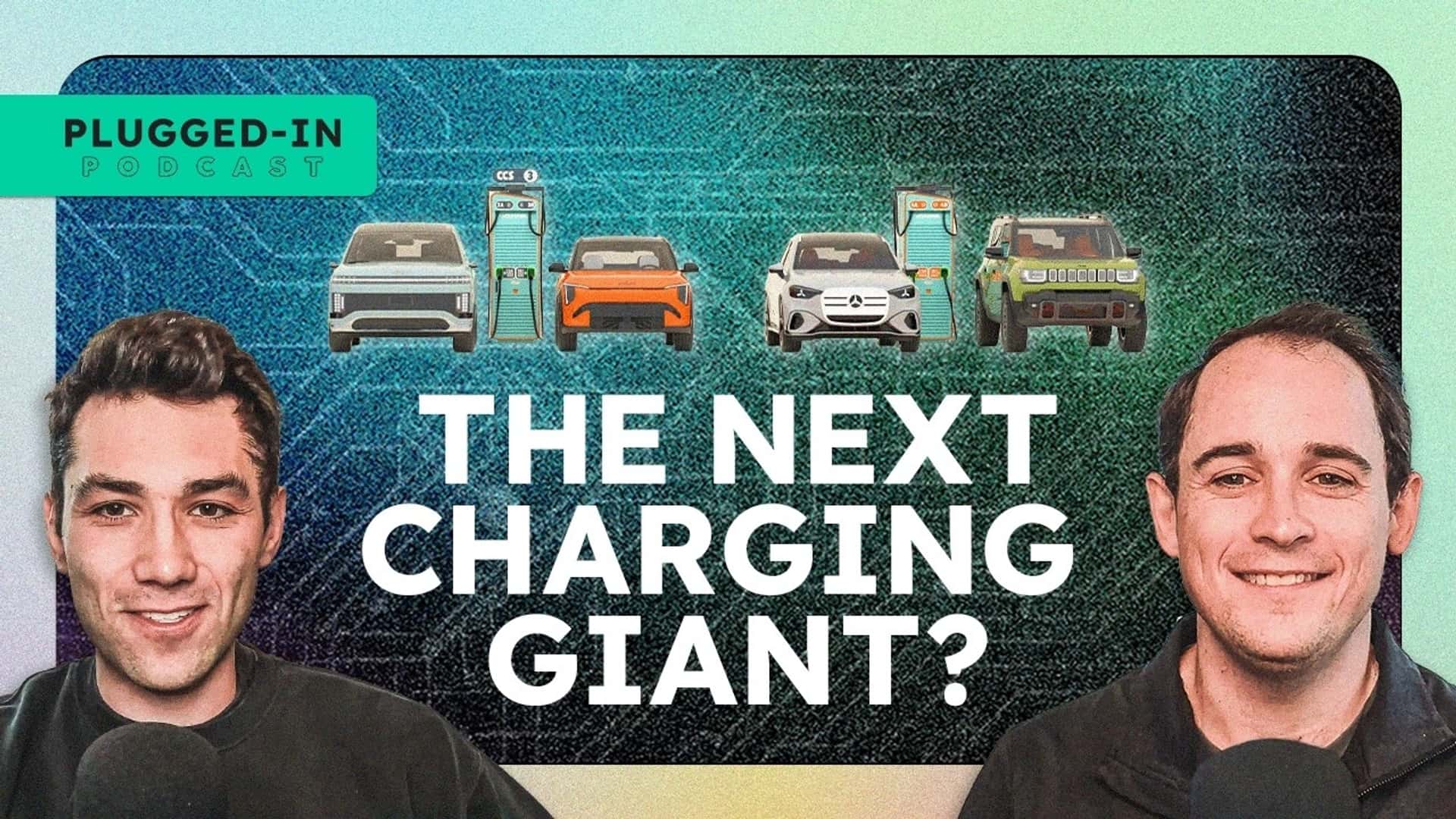
Ionna, the burgeoning electric vehicle charging network, is setting its sights on a monumental goal: to establish itself as America’s preeminent provider of EV charging infrastructure. The ambitious undertaking, supported by a formidable consortium of seven major global automakers, signals a pivotal shift in the rapidly evolving landscape of electric mobility.
Established as a tangible entity in 2024, following its initial announcement in 2023, Ionna represents a collective effort to address the critical need for a robust and reliable EV charging infrastructure. Seth Cutler, CEO of Ionna, recently shared insights into the network’s progress and strategic direction, emphasizing its long-term vision.
Building America’s Foremost EV Charging Infrastructure
In a recent interview, Ionna CEO Seth Cutler articulated the company’s overarching objective. He stated, “We’re a network today. But our goal is to become the network, where people say ‘I use Ionna for all of my travel.'” This statement underscores a clear intention to not merely supplement the existing charging ecosystem but to redefine the user experience and establish a new benchmark for EV charging infrastructure.
The collective backing of seven of the world’s largest automotive manufacturers provides Ionna with a unique foundation. This consortium approach is designed to foster a standardized, reliable, and widespread EV charging infrastructure, directly competing with established players and aiming to overcome common pain points experienced by electric vehicle owners.
Navigating Market Dynamics and Sustaining Growth
The broader electric vehicle market has experienced some fluctuations, with certain automakers reporting a slowdown in sales. Despite these trends, Cutler affirmed that Ionna’s strategic plans remain undeterred. This resilience highlights the foundational commitment of its backers to the long-term growth and adoption of electric vehicles, irrespective of short-term market shifts.
The steadfast resolve of Ionna is crucial for the continuous development of essential EV charging infrastructure. A consistent and aggressive rollout plan is vital to instill consumer confidence and support the ongoing transition away from internal combustion engine vehicles.
Addressing the Core Challenges of EV Charging Infrastructure Deployment
Rolling out an extensive network of electric vehicle charging stations across a vast nation like the United States presents a myriad of complex challenges. Cutler specifically highlighted the significant hurdle of “getting actual power hooked up” to new charging sites.
This critical issue encompasses several facets, including the availability of adequate grid capacity, the intricate process of securing permits, and the substantial lead times often associated with utility connections. Each new charging hub requires considerable electrical infrastructure upgrades, from transformers to distribution lines, making power integration a costly and time-consuming endeavor.
The Power Connection Predicament
Connecting high-powered EV chargers demands robust electrical grids, which are not uniformly distributed across all potential charging locations. This necessitates close collaboration with local utilities to assess and often enhance existing infrastructure. The process can involve extensive engineering studies, environmental reviews, and regulatory approvals, all contributing to project timelines.
Ionna’s ability to effectively manage these logistical and infrastructural challenges will be paramount to its success. Streamlining the permit acquisition process and fostering strong partnerships with energy providers are key components of accelerating EV charging infrastructure deployment.
The Future of High-Powered Charging in America
The conversation also extended to the future of high-powered charging, exemplified by advancements seen from companies like BYD. These ultra-fast charging technologies promise significantly reduced charging times, a critical factor for long-distance travel and rapid urban top-ups.
Cutler’s perspective on whether such capabilities will become a widespread reality in America is central to Ionna’s long-term strategy. Integrating higher-powered charging into the national EV charging infrastructure requires not only advanced charger technology but also a grid capable of delivering immense power quickly and reliably.
Technical and Economic Feasibility
While the demand for faster charging is undeniable, the implementation of extremely high-powered chargers faces technical and economic considerations. These include the cost of the charging equipment itself, the potential strain on local grid segments, and the optimal balance between charging speed and battery health for various EV models.
Ionna’s exploration of these technologies suggests a forward-thinking approach aimed at future-proofing its EV charging infrastructure. Adapting to evolving battery technologies and consumer expectations for speed will be crucial in maintaining a competitive edge.
Ionna’s Strategic Pathway to Market Leadership
To achieve its goal of becoming “the network,” Ionna must execute a multifaceted strategy that prioritizes reliability, accessibility, and user experience. The consortium of automakers brings a wealth of collective data and understanding of driver needs, which can inform strategic placement and operational excellence.
Ensuring charger uptime and a seamless payment experience will be vital for consumer trust. Furthermore, Ionna’s ability to offer a charging solution that is agnostic to EV brand and consistently performs will be a key differentiator in a crowded market.
Enhancing User Experience and Network Reliability
A superior user experience involves more than just fast charging; it encompasses intuitive interfaces, clear pricing, and readily available customer support. Reliable stations, consistently operational without faults, will significantly reduce range anxiety for EV drivers and build loyalty to the Ionna brand.
The extensive footprint enabled by its founding partners allows Ionna to strategically position its stations along major travel corridors, urban centers, and rural areas, ensuring comprehensive coverage and enhancing the overall EV charging infrastructure.
Broader Trends in the Electric Vehicle Sector
Beyond the specifics of Ionna, the podcast also touched upon other notable developments in the automotive sector. These included the integration of advanced navigational systems, such as Google Gemini’s takeover of in-car navigation, which promises a more intuitive and integrated driving experience. Additionally, discussions on the increasing presence of Chinese-manufactured electric vehicles in markets like Canada highlight the global expansion and competition within the EV industry.
The emergence of features like Tesla’s new waitlist for Superchargers also points to the continuous innovation and adaptation required within the EV charging infrastructure sector to manage demand and optimize resource allocation.
The Road Ahead for Ionna and EV Adoption
Ionna stands at a critical juncture, poised to significantly influence the trajectory of electric vehicle adoption in the United States. Its success hinges on its ability to systematically overcome the intricate challenges of scaling EV charging infrastructure, adapting to technological advancements, and consistently delivering a superior user experience.
The commitment from seven of the world’s leading automakers signals a robust, long-term investment in the future of electric mobility. As Ionna expands its national footprint, its impact on making electric vehicle travel more convenient and accessible will be closely watched by industry observers and consumers alike.
Frequently Asked Questions About Ionna and EV Charging Infrastructure
What is Ionna?
Ionna is a newly formed electric vehicle (EV) charging network, established in 2024 and publicly announced in 2023. It is backed by a consortium of seven major global automakers, aiming to build a widespread, reliable, and accessible EV charging infrastructure across the United States.
Who are the automakers behind Ionna?
Ionna is supported by seven of the world’s largest automakers. While the original article specifies “seven of the world’s biggest automakers,” these generally include Ford, General Motors, Stellantis, Honda, Hyundai, Kia, and BMW Group, representing a significant portion of the global automotive industry.
What is Ionna’s primary goal?
Ionna’s primary goal is to become “the network” for electric vehicle charging in America. This means it aims to be the go-to charging provider for EV drivers, offering comprehensive coverage and a seamless experience for all their travel needs.
How is Ionna addressing the challenges of building EV charging infrastructure?
Ionna acknowledges significant challenges, particularly “getting actual power hooked up” to new stations. This involves navigating utility connections, grid capacity limitations, and complex permitting processes. The company’s strategy involves working closely with stakeholders to streamline these deployments and ensure robust infrastructure.
Will Ionna support higher-powered charging technologies?
Yes, Ionna is actively discussing and exploring the future of higher-powered charging, similar to technologies seen from manufacturers like BYD. This focus indicates a commitment to integrating advanced charging speeds to meet evolving consumer demands and battery capabilities in the American market.
Has the slowdown in EV sales affected Ionna’s plans?
Despite reports of a slowdown in EV sales from some of its backing automakers, Ionna CEO Seth Cutler confirmed that the network’s development plans remain unchanged. This demonstrates a long-term commitment from its partners to invest in robust EV charging infrastructure, irrespective of short-term market fluctuations.