
Key Takeaways
- The Beijing Auto Show has solidified its position as a pivotal event in the global automotive calendar, reflecting China’s dominance in the electric vehicle (EV) sector.
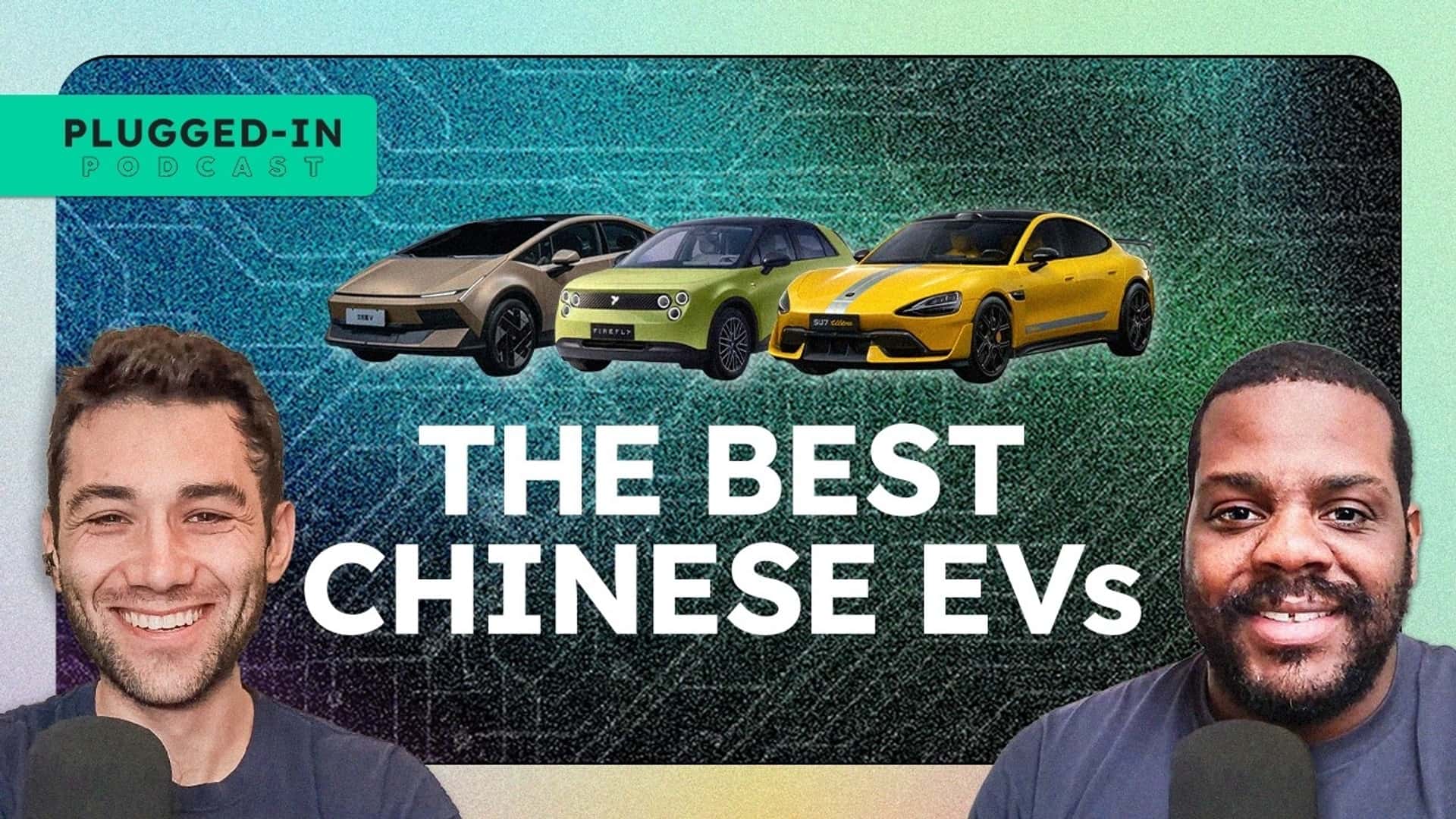
- Domestic Chinese brands showcased a diverse range of innovations, from high-performance models like the Xiaomi SU7 Ultra to mass-market successes such as the Geely EX2.
- International automakers are increasingly adapting their strategies for the Chinese market, evidenced by models like the Hyundai Ioniq V and the China-exclusive Ford Bronco New Energy.
- Technological integration, affordability, and performance continue to drive competition and innovation across all vehicle segments at the show.
- The exhibition underscored China’s crucial role in shaping future trends and developments in electric mobility worldwide.
The Beijing Auto Show has firmly established itself as arguably the most critical automotive exhibition globally, serving as a dynamic barometer for the rapidly evolving electric vehicle (EV) landscape. This annual event consistently draws attention from industry leaders and enthusiasts alike, showcasing a compelling array of innovations from both formidable Chinese manufacturers and established international brands.
Recent observations from the show underline China’s profound impact on the global car market, a trend that continues to accelerate. Experts have highlighted a significant convergence of advanced technology, strategic market positioning, and consumer-centric design, painting a clear picture of future automotive directions.
The Global Significance of the Beijing Auto Show
China’s automotive market, the largest in the world, serves as a crucial battleground for innovation and sales, particularly within the electric vehicle segment. The Beijing Auto Show acts as a global platform where manufacturers debut their latest concepts and production models, often setting trends for the rest of the industry.
Its growing importance stems from China’s rapid adoption of new energy vehicles (NEVs) and the fierce competition among domestic and international players. This environment fosters an unparalleled pace of development, making the show an essential indicator of technological advancements and market shifts.
Chinese Innovation: Diverse Offerings on Display
Chinese electric vehicle manufacturers demonstrated remarkable versatility and strategic depth at the recent Beijing Auto Show. The exhibits spanned a wide spectrum, from performance-oriented luxury vehicles to highly accessible urban commuters, reflecting a comprehensive approach to market penetration.
This extensive range highlights the maturity and strategic foresight of China’s automotive industry. It effectively caters to diverse consumer needs while simultaneously pushing the boundaries of electric vehicle technology and design.
High-Performance EVs: The Xiaomi SU7 Ultra
Among the standout vehicles was the high-tech, high-performance Xiaomi SU7 Ultra. This electric sedan captivated audiences with its advanced capabilities, including specific features designed for track performance. Its presence signals Xiaomi’s ambitious entry into the premium EV segment, leveraging its technological prowess in consumer electronics.
The SU7 Ultra underscores a broader trend among Chinese tech giants venturing into automotive manufacturing. They are bringing their expertise in software, connectivity, and user experience to redefine the electric vehicle proposition, challenging established norms in performance and design.
Mass Market Dynamics: Geely EX2’s Dominance
At the opposite end of the market spectrum, the Geely EX2 emerged as a significant talking point. Described as a cost-effective ‘grocery-getter,’ this compact EV has rapidly ascended to become China’s best-selling vehicle. Its success is particularly noteworthy as it outpaces competitors like the BYD Seagull.
The EX2’s popularity can be attributed to its pragmatic design, affordability, and suitability for urban commuting. Its market leadership illustrates the immense demand for practical, economical electric vehicles that cater to the everyday transportation needs of a vast population segment.
Feature-Rich Compacts: The Nio Firefly
Positioned strategically between the performance and mass-market segments, the Nio Firefly drew attention for its innovative integration of in-car entertainment. This compact, aesthetically pleasing EV debuted with a novel Nintendo Switch integration, enhancing its appeal to a tech-savvy and youthful demographic.
The Nio Firefly exemplifies the increasing focus on enriching the in-cabin experience through advanced digital features. Such integrations are becoming pivotal differentiating factors, transforming vehicles from mere modes of transport into connected, interactive personal spaces.
International Brands Adapt to China’s EV Market
The Beijing Auto Show also served as a crucial platform for non-Chinese automotive brands to demonstrate their commitment and adaptability to the world’s largest automotive market. This year, many international players showcased models specifically tailored to Chinese consumer preferences and regulatory environments.
The strategic shift by global automakers reflects an acknowledgment of China’s unique market dynamics and its pivotal role in the future of electric mobility. These brands are increasingly designing and engineering vehicles with the Chinese consumer at the forefront.
Hyundai’s China-Specific Strategy: The Ioniq V
Hyundai made a notable impression with the introduction of the Ioniq V, a distinctively wedge-shaped electric vehicle developed exclusively for the Chinese market. This strategic move highlights Hyundai’s concerted effort to create products that resonate specifically with local tastes and demands.
The Ioniq V’s tailored design and features underscore a growing trend among foreign manufacturers to localize their offerings. This approach aims to capture a greater share of the competitive Chinese EV market by directly addressing the preferences of its discerning consumers.
Ford’s Rugged Electrification: The Bronco New Energy
Another significant unveiling was the Ford Bronco New Energy, a rugged, extended-range SUV designed solely for the Chinese consumer. This model represents Ford’s foray into providing robust, off-road capable electric vehicles in the region, blending utility with advanced powertrain technology.
The decision to offer this specific model exclusively in China has led some industry observers to suggest that consumers in other markets, particularly Americans, are missing out on a highly capable and appealing vehicle. The Bronco New Energy highlights the divergent product strategies employed by global brands across different geographical markets.
Future Outlook and Industry Implications
The insights garnered from the Beijing Auto Show underscore a period of profound transformation within the global automotive industry. The rapid pace of electric vehicle development, coupled with intense competition and evolving consumer expectations, is reshaping manufacturing and marketing strategies worldwide.
China’s role as a major innovator and market driver is undeniable, compelling both domestic and international brands to continually push boundaries in technology, design, and market responsiveness. The trends observed at this pivotal show are likely to influence automotive developments for years to come.
Frequently Asked Questions (FAQ)
What makes the Beijing Auto Show so important for the global automotive industry?
The Beijing Auto Show is considered vital because China is the world’s largest automotive market and a leader in EV adoption and innovation. It serves as a global stage where manufacturers debut new technologies and models, often setting future trends for the entire industry. The intense competition drives rapid advancements.
What was unique about the Xiaomi SU7 Ultra’s appearance at the show?
The Xiaomi SU7 Ultra, a high-performance EV, marked a significant entry for the tech giant into the automotive sector. Its focus on track-ready capabilities and advanced technology highlighted Xiaomi’s ambition to leverage its consumer electronics expertise in the premium EV market, signaling a new breed of tech-led automakers.
Why is the Geely EX2 outselling the BYD Seagull in China?
The Geely EX2’s success, particularly in outselling the BYD Seagull, is attributed to its positioning as an affordable, practical ‘grocery-getter’ for urban commuters. Its cost-effectiveness and functionality resonate strongly with a large segment of Chinese consumers prioritizing economical and reliable daily transportation, making it highly accessible.
What innovative feature did the Nio Firefly debut?
The Nio Firefly, a compact and stylish EV, debuted with integrated Nintendo Switch functionality. This feature highlights the growing trend of enhancing the in-cabin experience with advanced entertainment systems, appealing to tech-savvy consumers looking for more than just transportation from their electric vehicles.
Which international brands showcased China-specific models?
Several international brands showcased models tailored for the Chinese market. Notable examples include the Hyundai Ioniq V, a wedge-shaped beauty designed specifically for Chinese preferences, and the Ford Bronco New Energy, a rugged extended-range SUV made exclusively for China, demonstrating a localized product strategy.
What is an ‘extended-range SUV’ as exemplified by the Ford Bronco New Energy?
An extended-range SUV, like the Ford Bronco New Energy, is typically an electric vehicle equipped with a small gasoline engine. This engine doesn’t power the wheels directly but acts as a generator to recharge the battery, extending the vehicle’s total driving range beyond what the battery alone can provide, thus reducing range anxiety.
How does the Beijing Auto Show influence global EV market trends?
The Beijing Auto Show significantly influences global EV market trends by showcasing cutting-edge Chinese innovations and the strategic responses of international automakers. It highlights advancements in battery technology, smart connectivity, autonomous driving, and new business models, often predicting broader industry shifts and consumer demands globally.