
Key Takeaways:
- A proposed federal fee of $130 annually for EV drivers aims to offset lost gas tax revenue for road infrastructure.
- Critics argue the fee is disproportionately high, exceeding average gas tax contributions from conventional vehicle owners, and discourages electric vehicle adoption.
- Despite policy hurdles, advancements in electric vehicle technology, dubbed ‘Gen 3’ EVs, are transforming the market with improved performance, charging, and user experience.
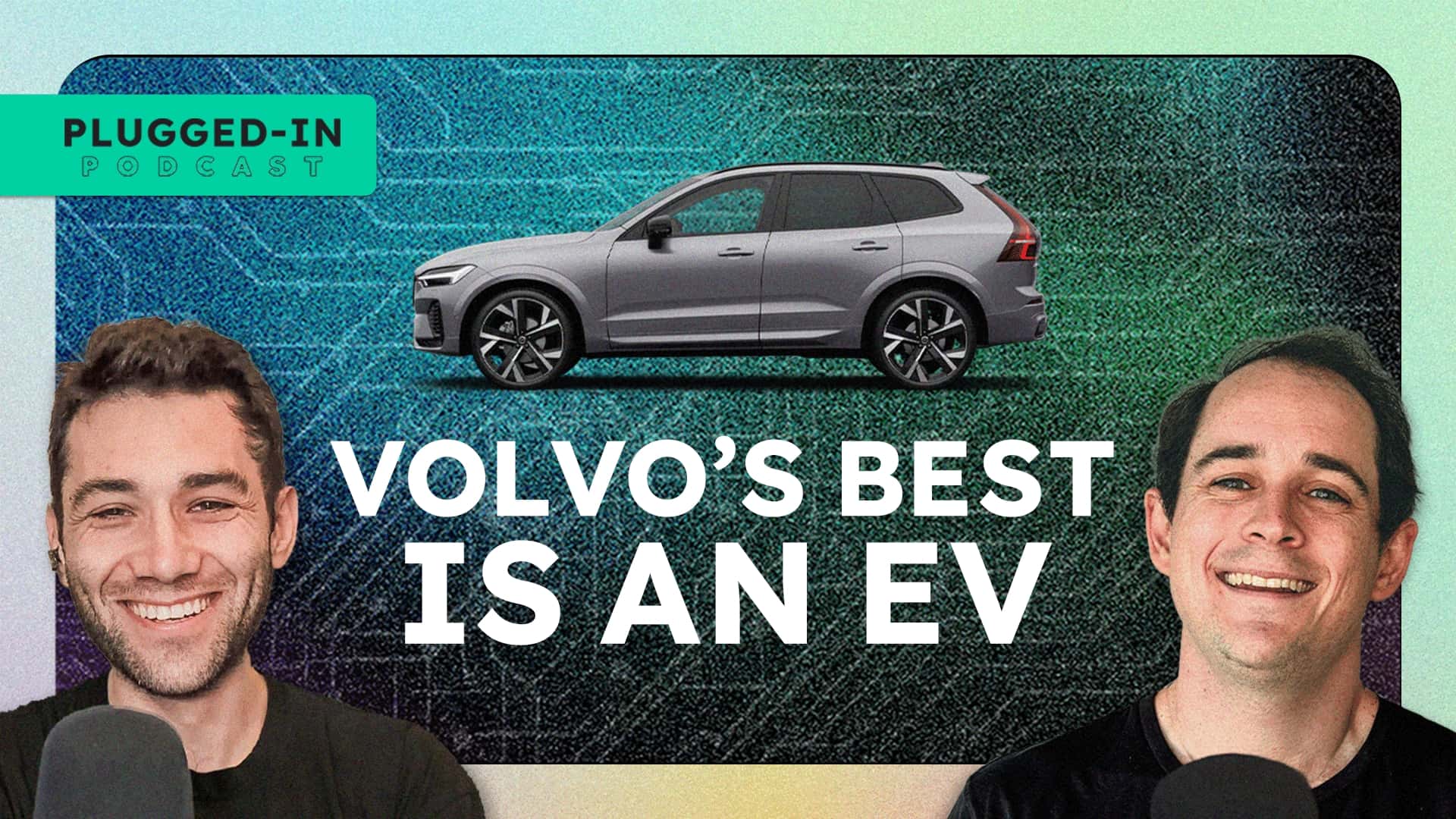
- The new Volvo EX60 exemplifies this progress, praised for its software integration, ultra-fast charging capabilities, and competitive pricing.
- Charging infrastructure is also seeing significant improvements, with wider availability of high-speed chargers and upcoming innovations like Megawatt charging.
- The global automotive industry’s push towards electrification continues, driven by manufacturer innovation regardless of governmental policy shifts.
The landscape for electric vehicles (EVs) in the United States presents a stark contrast: while technological advancements in both the vehicles themselves and their charging networks are accelerating, federal policy appears to be creating new obstacles for consumers. A proposed federal fee of $130 per year for EV drivers has ignited a significant debate, with proponents citing the need to compensate for dwindling gas tax revenues and critics arguing it unfairly targets a burgeoning sector critical for environmental sustainability.

This fee, intended to address the funding of road construction and repairs—traditionally supported by gasoline taxes—comes at a time when the electric vehicle market is experiencing an unprecedented surge in innovation. The dichotomy between policy and progress forms a critical narrative in the ongoing transition to electrified mobility, influencing both consumer decisions and the strategic direction of the automotive industry.
The Rising Cost for EV Drivers: A Disputed Federal Fee
Congress is currently evaluating legislation that would impose an annual federal fee of $130 on electric vehicle drivers. The stated objective behind this proposed levy is to ensure that EV owners contribute their ‘fair share’ to the national Highway Trust Fund, which primarily relies on fuel taxes to finance crucial road infrastructure projects across the country.
However, the fairness of this proposed fee has been widely contested. Many argue that a $130 annual charge for EV drivers surpasses the average amount paid in federal gas taxes by owners of conventional internal combustion engine (ICE) vehicles. Furthermore, while the federal gas tax has remained stagnant for decades, this new fee for electric vehicle owners is projected to increase over time, raising concerns about long-term equity.

Critics contend that such a fee could act as a deterrent, discouraging potential buyers from transitioning to electric vehicles. This comes amidst broader efforts to promote cleaner transportation options and address climate change. Opponents highlight that electric vehicle owners already contribute to road funding through other mechanisms, such as sales taxes on vehicle purchases and state registration fees, making an additional, potentially higher, federal charge seem punitive.
Next-Generation EVs Drive Market Excitement
Despite the prevailing policy headwinds, the automotive industry’s commitment to electrification remains robust, marked by the arrival of what many are terming ‘Gen 3’ electric vehicles. These next-generation EVs represent a significant leap forward, rectifying shortcomings observed in earlier electric models from established luxury manufacturers.
Leading brands such as Volvo, Mercedes, and BMW, which previously ventured into the EV market with varied success, are now introducing models that fully leverage the inherent advantages of electric propulsion. The initial iterations, while competent, often fell short of fully realizing the potential of electric platforms, being less integrated, offering slower charging, and frequently carrying higher price tags than their traditional counterparts.
The new wave of Gen 3 EVs, including the BMW iX3, the Mercedes GLC EV, and prominently, the Volvo EX60, are fundamentally changing this perception. These vehicles are engineered as true software-defined platforms, offering a seamless and intuitive user experience that integrates vehicle functions with digital services. This holistic approach enhances not only convenience but also performance and efficiency.
A key technological advancement in these vehicles is the adoption of 800-volt architectures. This enables ultra-fast charging capabilities, significantly reducing the time electric vehicle owners spend at charging stations and making long-distance travel more viable. Combined with improved battery technology, these vehicles boast enhanced range and more efficient power delivery.
Furthermore, these models feature optimized packaging, resulting in lighter, more aesthetically pleasing designs that offer superior driving dynamics. The integration of advanced software, coupled with innovative engineering, delivers better performance, improved user interfaces, and more competitive pricing, often aligning closely with that of their plug-in hybrid or conventional gasoline equivalents.
The Volvo EX60: A Benchmark for Modern EVs
Among the vanguard of these Gen 3 EVs, the Volvo EX60 stands out, garnering significant praise from initial reviews. Positioned as a strong contender in the evolving electric SUV segment, the EX60 is described as encapsulating all the reasons for enthusiasm surrounding the latest arrivals from premium brands.
During initial driving impressions, the Volvo EX60 notably ‘lived up to the hype,’ offering an ‘ultra-polished user experience’ and a ‘great interior’ that redefines modern luxury within the electric space. Its excellent range specifications address a primary concern for many potential EV drivers, providing ample travel distance on a single charge.
The vehicle’s quick charging speeds, facilitated by advanced battery and architectural designs, further enhance its practicality for everyday use and extended journeys. Crucially, the Volvo EX60 is priced competitively, on par with the plug-in hybrid XC60 model, making it an attractive proposition for consumers considering the switch to electric.
Such a combination of design, performance, and value has led many to consider the EX60 as potentially ‘the best Volvo ever,’ underscoring the significant strides the brand has made in electric vehicle development. Its comprehensive appeal signals a new era where electric vehicles deliver not just environmental benefits but also superior driving experiences and practical advantages.
Advancements in Charging Infrastructure
The efficacy and appeal of electric vehicles are intrinsically linked to the availability and performance of their charging infrastructure. Historically, finding reliable, high-speed chargers proved challenging for many EV drivers, with issues such as broken stations or limited charging speeds being common frustrations.
However, the charging landscape is rapidly improving. There is an observable increase in the deployment and reliability of advanced charging solutions. For instance, areas like California are now seeing a more consistent availability of 350-kW fast chargers, which are crucial for quick turnarounds and reducing range anxiety for electric vehicle owners.
Innovations from companies like ABB are further accelerating this progress. ABB manufactures 400-kW fast chargers that are already being rolled out across the country, notably at Walmart locations, as the retail giant expands its own extensive charging network. This initiative signifies a strategic move to make high-speed charging more accessible to a broader demographic of EV drivers.
Looking ahead, ABB is also developing Megawatt chargers, which promise even faster charging capabilities for future electric vehicles, particularly heavy-duty trucks and larger battery systems. These advancements in charging technology are critical in supporting the growing number of electric vehicles on the road and ensuring a seamless transition from fossil fuels.
Navigating Policy Headwinds: Government Actions and Industry Resilience
Despite the clear trajectory of technological advancement and industry commitment, the federal government’s policy stance has introduced several challenges for the electric vehicle sector. Recent decisions include a reduction in incentives for EV sales, which previously played a significant role in making electric vehicles more accessible to consumers.
Furthermore, federal ambitions to fund the expansion of charging infrastructure have been scaled back. These policy shifts, coupled with the proposed $130 annual fee for EV drivers, are perceived by many as ‘roadblocks’ that complicate the path towards widespread EV adoption. Critics argue that these measures undermine the national goals of reducing carbon emissions and fostering energy independence.
Such governmental interventions, particularly those that increase the cost of owning an electric vehicle, are seen as counterproductive to addressing pressing environmental concerns, including the climate crisis. By potentially discouraging consumers from choosing EVs, these policies could impede progress towards cleaner air and a more sustainable future for all.
The Unstoppable Momentum of Global Electrification
Despite these domestic policy challenges, the global automotive industry remains steadfast in its commitment to an electric future. Major manufacturers worldwide, from established giants like Volvo and Mercedes to technology leaders like ABB, are investing heavily in research, development, and production of electric vehicles and their supporting infrastructure.
The momentum towards electrification is driven by technological innovation, evolving consumer preferences, and increasing global environmental consciousness. This collective push suggests that the transition to electric mobility is an inevitable and irreversible trend.
The ongoing progress within the automotive and charging sectors demonstrates a clear determination to overcome hurdles, ensuring that the benefits of electric vehicles—from enhanced performance to environmental advantages—continue to reach consumers. The global auto industry is poised to go electric, irrespective of specific national governmental policies, signaling a profound and lasting transformation in transportation.
FAQ Section
What is the proposed federal fee for EV drivers?
A federal fee of $130 per year is under consideration by Congress for electric vehicle owners. This charge is intended to help compensate for the federal gas tax revenue that is not collected from EV drivers, which traditionally funds road construction and maintenance.
Why is this fee considered controversial?
The fee is controversial because it is argued to be higher than the average federal gas tax paid by drivers of gasoline-powered vehicles. Critics also point out that EV drivers contribute to road funding through other taxes and that the fee could deter the adoption of electric vehicles, hindering environmental goals.
What are ‘Gen 3’ EVs?
‘Gen 3’ EVs refer to the latest generation of electric vehicles, particularly from premium manufacturers like Volvo, BMW, and Mercedes. These vehicles feature advanced technologies such as software-defined architectures, 800-volt charging systems, improved range, and more competitive pricing, enhancing the overall user experience.
How is EV charging infrastructure improving?
Charging infrastructure is improving with increased availability of high-speed chargers, such as 350-kW units, across regions like California. Companies like ABB are deploying 400-kW chargers at national retail chains like Walmart, and are developing even faster Megawatt chargers for future needs.
Are government policies supporting EV adoption in the U.S.?
Recent federal government actions have shown a mixed approach. While there have been past incentives, current policies include reduced incentives for EV sales and scaled-back funding for charging infrastructure. The proposed $130 fee for EV drivers is also seen by some as a policy that may discourage adoption.
How does the Volvo EX60 exemplify next-gen EV advancements?
The Volvo EX60 showcases next-gen EV advancements through its highly polished user experience, sophisticated interior, excellent driving range, and rapid charging capabilities. Its competitive pricing, comparable to its plug-in hybrid counterpart, makes it a compelling option, embodying the future direction of electric luxury vehicles.