
TL;DR Key Takeaways:
- The US federal government is considering a $130 annual fee for EV drivers, purportedly to offset lost gasoline tax revenue for road infrastructure.
- This proposed EV driver fee is perceived by many as disproportionately high compared to average gas taxes and a disincentive for electric vehicle adoption.
- Despite policy headwinds, the electric vehicle market is witnessing significant technological advancements, particularly with ‘Gen 3’ EVs like the Volvo EX60, BMW iX3, and Mercedes GLC EV.
- Charging infrastructure is rapidly improving with faster chargers (e.g., ABB’s 400kW units at Walmart) and future megawatt charging capabilities.
- Industry players remain committed to an electric future, indicating that global EV adoption is set to continue regardless of fluctuating government support.
The landscape of electric vehicles (EVs) in the United States presents a curious dichotomy. On one hand, the technological prowess of new EV models and the robustness of charging infrastructure have never been more advanced. On the other, federal policies appear to be creating significant roadblocks, potentially slowing the transition to sustainable transportation.

A prime example of this complex scenario is the recent consideration by the U.S. Congress to impose a $130 annual federal fee on EV drivers. This proposal, intended to address the decline in gas tax revenues used for road maintenance, has ignited a debate about fairness, sustainability, and the future of electric vehicle adoption.
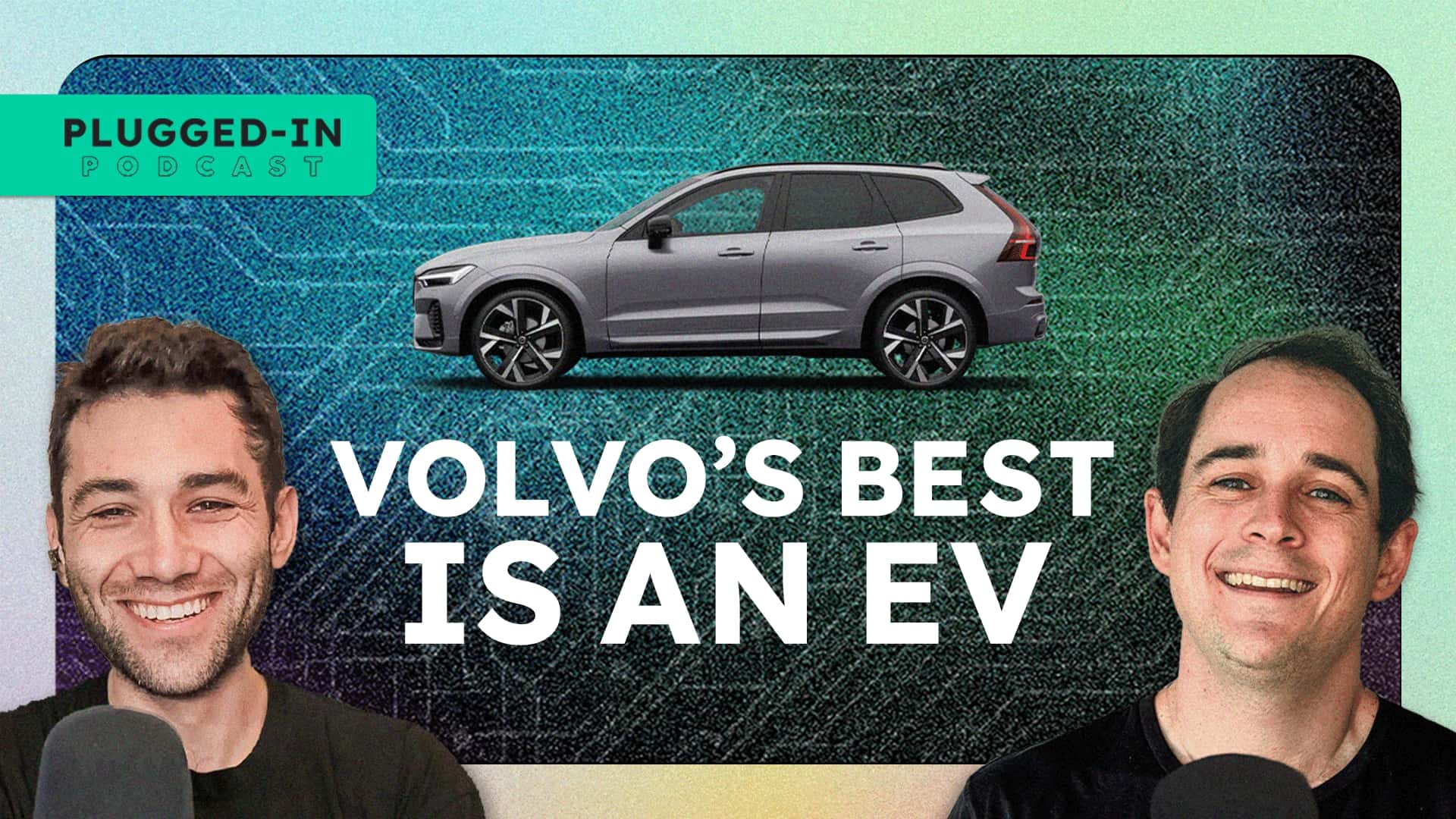
Simultaneously, the automotive industry continues its relentless march forward, introducing sophisticated ‘Gen 3’ electric vehicles such as the much-anticipated Volvo EX60. These models showcase advancements in performance, user experience, and charging capabilities, pushing the boundaries of what consumers expect from electric mobility.
Federal Policy Under Scrutiny: The Proposed EV Driver Fee
The proposed $130 annual federal fee for electric vehicle drivers aims to compensate for the fact that these vehicles do not contribute to the federal gas tax, a primary source of funding for road construction and repairs. Proponents argue that this EV driver fee ensures all road users contribute their ‘fair share’ to infrastructure upkeep.

However, critics contend that this fee is not only disproportionate but also counterproductive to national goals of reducing carbon emissions and promoting greener transportation. The average driver in a gasoline-powered vehicle typically pays less in federal gas taxes annually than the proposed EV driver fee, despite the gas tax remaining unchanged for decades.
This discrepancy raises questions about equity and the intent behind such a levy. Many view the move as a disincentive, discouraging consumers from choosing electric vehicles — a decision that directly benefits air quality and helps mitigate the escalating climate crisis. The sentiment among a significant portion of the EV community is that the government is actively impeding progress.
The Economic Impact of EV Taxation
The federal gas tax, currently 18.4 cents per gallon for gasoline and 24.4 cents per gallon for diesel, has been the backbone of the Highway Trust Fund since its inception. However, as vehicles become more fuel-efficient and electric vehicle adoption grows, this revenue stream naturally diminishes.
While the need for sustainable road funding is undeniable, the method of collecting it from EV users is a contentious issue. Imposing an arbitrary flat fee, especially one that exceeds the average gas tax contribution, could significantly impact the total cost of ownership for electric vehicles, potentially slowing market growth.
Furthermore, the discussion around EV driver fees often overlooks the broader economic and environmental benefits of electric mobility. These include reduced healthcare costs from improved air quality, energy independence, and the creation of new jobs within the green economy. A comprehensive approach to road funding that considers these wider impacts is crucial.
Revolutionising Charging: Enhancements in EV Infrastructure
While policy debates continue, the physical infrastructure supporting electric vehicles is undergoing a rapid transformation. The availability and speed of public charging stations are improving consistently, addressing one of the most significant concerns for prospective EV owners.
Previously, finding a high-speed charger capable of supporting advanced EV charging protocols, such as 350-kW or higher, was a challenge, often compounded by issues of reliability. Today, states like California are seeing a growing prevalence of functional 350-kW charging points, significantly cutting down charging times for compatible vehicles.
Innovations from companies like ABB are driving this progress. ABB, a global leader in e-mobility solutions, is already deploying 400-kW fast chargers at retail locations like Walmarts across the country. These high-power units dramatically reduce the time needed to replenish an EV’s battery, making long-distance travel more feasible.
The Future of Fast Charging: Megawatt Technology
The evolution of charging technology is not stopping at 400-kW. ABB E-Mobility is also developing megawatt chargers, promising even faster charging speeds that could redefine convenience for electric vehicle users. Brandt Hastings, President of North America at ABB E-Mobility, highlighted these advancements in a recent discussion, underscoring the industry’s commitment to overcoming charging limitations.
This continued investment in robust charging infrastructure by both specialized firms and major retailers is critical. It ensures that as more advanced EVs, capable of ultra-fast charging, enter the market, the necessary support network will be in place to meet consumer demands and alleviate range anxiety.
The Dawn of ‘Gen 3’ EVs: A Review of the Volvo EX60
Against this backdrop of policy challenges and infrastructure growth, the automotive sector is rolling out what is being termed ‘Gen 3’ electric vehicles. These new-generation EVs represent a significant leap forward from earlier attempts by traditional automakers.
Early EV ventures from established brands often resulted in vehicles that, while capable, didn’t fully leverage the inherent advantages of electric powertrains. They frequently lacked true software integration, advanced 800-volt architectures for ultra-fast charging, and often came with a premium price point compared to their internal combustion engine (ICE) counterparts.
The ‘Gen 3’ wave, exemplified by models like the BMW iX3, the Mercedes GLC EV, and the Volvo EX60, marks a paradigm shift. These vehicles are designed from the ground up to be true software-defined machines, integrating hardware and software seamlessly for an optimized user experience and enhanced performance.
Volvo EX60: Setting a New Standard for Electric Luxury
The Volvo EX60, in particular, stands out as a strong representation of this new generation. Having undergone initial evaluations, the EX60 has been lauded for its comprehensive improvements across various parameters. It embodies the full spectrum of benefits that modern EVs can offer.
Key attributes of the EX60 include a refined, ultra-polished user experience, a meticulously crafted interior, impressive range specifications, and rapid charging capabilities, partially thanks to its potential 800-volt architecture. Crucially, the EX60 is positioned with a price point that aligns closely with its plug-in hybrid counterpart, the XC60, making it a compelling option for consumers.
These factors contribute to a vehicle that is not only lighter and aesthetically pleasing but also offers superior driving dynamics and extended range compared to previous generations. The EX60’s arrival signifies that luxury automotive brands are now delivering fully realized electric vehicles that can compete fiercely with, and often surpass, their gasoline-powered predecessors.
Navigating the Path to Electric Mobility: Policy vs. Progress
The current state of the EV market highlights a critical tension: the rapid pace of automotive innovation and private sector investment versus inconsistent and sometimes restrictive government policies. While manufacturers are innovating and infrastructure providers are building, federal support for electric vehicle adoption appears to be waning.
Reports indicate that the federal government has scaled back incentives for EV purchases and reduced its ambitions for funding charging infrastructure. Such actions, coupled with the proposed EV driver fees, send mixed signals to consumers and the industry alike, potentially creating uncertainty in a crucial transition period for transportation.
Despite these governmental hurdles, the global automotive industry’s commitment to electrification remains steadfast. Major companies, from established manufacturers like Volvo, Mercedes, and BMW to charging technology giants like ABB, and even retail behemoths like Walmart, are making significant investments and strategic shifts towards an electric future.
Industry-Driven Momentum
This industry-driven momentum suggests that the transition to electric mobility is largely self-sustaining and perhaps irreversible. The intrinsic benefits of EVs — lower running costs, reduced environmental impact, and superior driving experiences — continue to appeal to a growing segment of the global population.
Even if federal policy does not always align with accelerating EV adoption, the combined efforts of technological advancements, private sector investments, and growing consumer demand are likely to ensure the continued expansion of the electric vehicle market worldwide. The global auto industry is resolute: the future of transportation is electric, irrespective of specific national policy fluctuations.
FAQ Section
What is the proposed federal fee for EV drivers?
The U.S. Congress is considering an annual federal fee of $130 for electric vehicle drivers. This fee is intended to help offset the federal gas tax revenue that is typically used to fund road construction and maintenance, as EV owners do not purchase gasoline.
Why is the EV driver fee considered controversial?
The proposed $130 EV driver fee is controversial because it is often higher than the average annual federal gas taxes paid by drivers of gasoline vehicles. Critics argue it acts as a disincentive for EV adoption and undermines efforts to combat climate change and improve air quality.
How is the charging infrastructure for EVs improving?
EV charging infrastructure is advancing significantly with more widespread availability of 350-kW fast chargers and the introduction of 400-kW units by companies like ABB, currently rolling out at Walmarts. Future developments include megawatt chargers, promising even faster charging times.
What defines a ‘Gen 3’ EV like the Volvo EX60?
‘Gen 3’ EVs, such as the Volvo EX60, BMW iX3, and Mercedes GLC EV, are characterized by being truly software-defined vehicles. They feature 800-volt architectures for ultra-fast charging, improved packaging, enhanced performance, superior user experience, and more competitive pricing.
Will government policies stop the growth of the EV market?
Despite some federal policies, such as scaled-back incentives and proposed EV driver fees, the global automotive industry’s commitment to electric vehicles remains strong. Major manufacturers and infrastructure providers continue to invest heavily, suggesting that EV adoption will continue to grow regardless of temporary governmental hurdles.
How does the Volvo EX60 compare to its plug-in hybrid counterpart?
The Volvo EX60 offers compelling advantages, including an ultra-polished user experience, a premium interior, excellent range specifications, and quick charging speeds. Notably, its pricing is on par with the plug-in hybrid XC60, making it a highly competitive and attractive all-electric option.