
Key Takeaways:
- A proposed federal fee of $130 per year for electric vehicle (EV) drivers is under consideration by Congress, aimed at offsetting lost gas tax revenue.
- Critics argue the fee is disproportionately high compared to what average gasoline car drivers pay in fuel taxes and could hinder electric vehicle adoption, despite environmental benefits.
- The EV market is undergoing a significant transformation, with new ‘Gen 3’ vehicles like the Volvo EX60 offering advanced software, 800-volt architecture, improved performance, and competitive pricing.
- Charging infrastructure continues to improve, with 350 kW fast chargers becoming more prevalent and advanced 400 kW and Megawatt chargers being rolled out by companies like ABB at locations such as Walmart.
- Despite governmental hurdles, the global automotive industry, including major players like Volvo, Mercedes, and BMW, remains committed to the transition to electric, signaling an unstoppable shift.
The electric vehicle (EV) market is navigating a peculiar phase, marked by paradoxes. While the technological sophistication of EVs and their charging infrastructure reaches new heights, governmental policies are simultaneously creating unexpected challenges for electric vehicle adoption.
A significant point of contention has emerged around a proposed federal fee of $130 annually for EV drivers. This measure, currently being weighed by Congress, seeks to address the perceived imbalance in road funding, as EV owners do not contribute to federal gas taxes, which are a primary source for road construction and maintenance.

The Proposed EV Fee: A Closer Look at Fair Share Arguments
The federal government utilizes gas taxes to fund crucial road infrastructure projects across the nation. With the increasing shift towards electric vehicles, which do not consume gasoline, a gap in this traditional funding mechanism is anticipated.
To mitigate this, the proposed $130 yearly federal fee for EV drivers aims to ensure they contribute their “fair share” to road upkeep. However, this proposal has ignited a fervent debate regarding its fairness and potential impact on the rapidly evolving EV market dynamics.
Critics argue that this annual fee could be disproportionately high compared to what the average gasoline-powered vehicle driver contributes through federal gas taxes. Furthermore, while the gas tax has remained unchanged for decades, this new EV fee is designed to increase over time, intensifying concerns about equity.

Many stakeholders view such a fee as a significant disincentive for consumers considering a transition to electric vehicles. This comes at a time when the urgency to combat climate change and improve air quality through increased electric vehicle adoption is paramount.
Evolution of Electric Vehicles: Introducing ‘Gen 3’
Despite policy hurdles, the automotive industry continues its aggressive push towards electrification, exemplified by the emergence of what experts are terming ‘Gen 3’ EVs. These next-generation electric vehicles promise to redefine the ownership experience, addressing many of the shortcomings of earlier models.
Early ventures by premium brands into the EV segment often yielded mixed results. While these vehicles were competent, they frequently failed to fully harness the inherent advantages of electric powertrains. They were often not truly ‘software-defined vehicles,’ lacked 800-volt architectures for ultra-fast charging, and carried significantly higher price tags than their internal combustion engine (ICE) counterparts.
The landscape is now rapidly changing with new arrivals such as the BMW iX3, the Mercedes GLC EV, and the Volvo EX60. These models represent a paradigm shift, embodying the full potential of modern EV engineering.
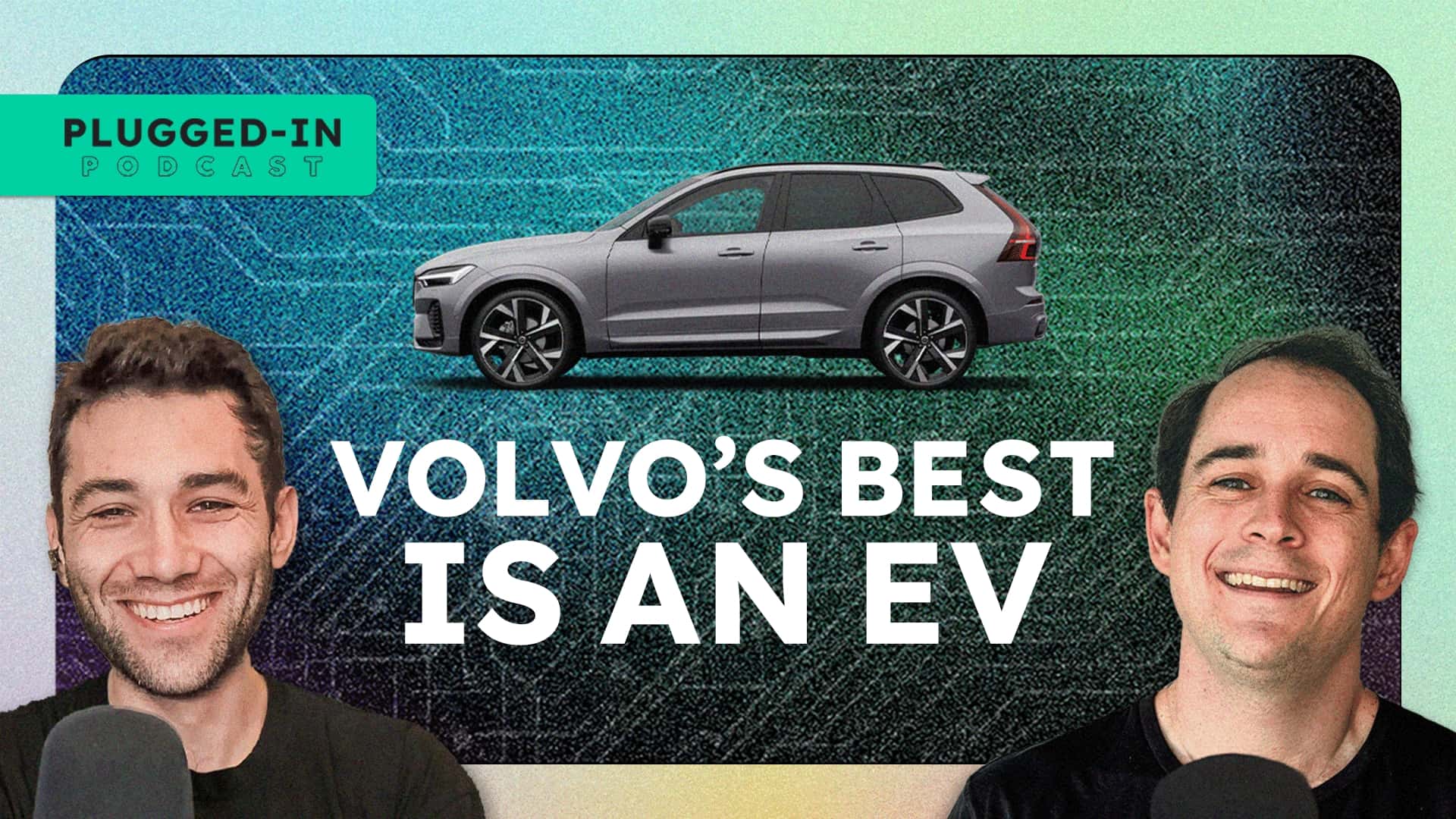
The 2027 Volvo EX60, for instance, has garnered significant attention for its comprehensive advancements. It is lauded as a true software-defined vehicle, offering an integrated and highly polished user experience that sets it apart.
Beyond its digital prowess, the EX60 boasts an exceptional interior design, impressive range specifications, and quick charging speeds. Critically, its pricing is positioned competitively, often on par with the plug-in hybrid variant of the XC60, making it an attractive proposition for consumers in the evolving EV market dynamics.
The design, performance, and user experience benefits of these ‘Gen 3’ vehicles are substantial. They are often lighter, aesthetically more appealing, offer a superior driving experience, and provide extended range compared to their predecessors. This new wave of EVs, including the EX60, aims to deliver a compelling package that truly leverages electric propulsion.
Advancements in Charging Infrastructure: Powering the Future
A crucial component of successful electric vehicle adoption is the robust expansion and reliability of charging infrastructure. In recent years, significant strides have been made to address previous pain points, such as the scarcity of high-speed chargers and frequent malfunctions.
Today, the availability of 350-kW fast chargers, particularly in regions like California, has become more widespread and dependable. This improvement drastically reduces charging times, alleviating one of the primary concerns for potential EV buyers, often termed ‘range anxiety.’
Innovations from companies like ABB are further accelerating this progress. ABB is actively deploying 400-kW fast chargers across the country, with major retailers like Walmart integrating these advanced units into their parking facilities as part of their broader charging initiatives.
Looking ahead, ABB is also developing Megawatt chargers, which promise even faster charging capabilities, potentially rivaling the refueling speed of conventional gasoline vehicles. These advancements are pivotal in supporting the increasing number of EVs on the road and fostering confidence in electric vehicle adoption.
Government Policy vs. Industry Momentum: A Divergent Path
Despite the technological leaps and industry investments, federal government actions appear to present conflicting signals for the future of electric vehicle adoption. Beyond the proposed $130 fee, there has been a reduction in federal incentives for EV sales and a scale-back of ambitions to fund charging infrastructure.
These policy shifts are viewed by many as counterproductive, potentially undermining the collective efforts to transition to a cleaner transportation system. The introduction of fees that exceed current gas tax contributions for an average driver, without commensurate incentives, raises questions about the government’s commitment to decarbonization.
The argument that the fee is simply about EV drivers paying their fair share for road maintenance overlooks the significant environmental and public health benefits that electric vehicles provide to society as a whole. Promoting electric vehicle adoption is not just an individual choice but a collective stride towards mitigating the climate crisis and improving air quality for everyone.
However, the global automotive industry’s commitment to an electric future remains unwavering. Major manufacturers like Volvo, Mercedes, BMW, and charging infrastructure providers like ABB, alongside retailers like Walmart, are independently driving progress.
Their continued investment in advanced EV technology, expanded charging networks, and consumer-friendly models indicates a clear trajectory. The global shift towards electric vehicles is propelled by market forces, technological innovation, and a growing understanding of sustainability, suggesting it will persist irrespective of short-term governmental roadblocks.
The debate surrounding the EV fee underscores a critical juncture in the broader transition to electric mobility. Balancing infrastructure funding with incentives for a sustainable future will be crucial in shaping the long-term EV market dynamics and ensuring widespread electric vehicle adoption.
FAQ Section: Addressing Common Queries on EV Fees and Market Trends
What is the proposed federal fee for EV drivers?
Congress is considering a $130 annual federal fee for electric vehicle (EV) drivers. The stated purpose is to compensate for the lack of federal gas tax contributions from EV owners, which traditionally fund road construction and repairs.
Why is this EV fee considered controversial?
The fee is controversial because critics argue it is potentially higher than what average gasoline car drivers pay in federal gas taxes. It is also seen as a disincentive to electric vehicle adoption, conflicting with broader environmental goals, and is set to increase while the gas tax remains stagnant.
What are ‘Gen 3’ EVs, and how are they different?
‘Gen 3’ EVs represent the next generation of electric vehicles, characterized by being true software-defined vehicles, featuring 800-volt architectures for ultra-fast charging, improved packaging, enhanced performance, and a superior user experience. They are also becoming more cost-competitive than earlier models.</p
How is EV charging infrastructure improving?
Charging infrastructure is significantly advancing with the increased availability of reliable 350-kW fast chargers. Companies like ABB are deploying even faster 400-kW chargers at various locations, including Walmarts, and are developing future Megawatt chargers to further reduce charging times and enhance convenience.
Will the proposed federal fee stop electric vehicle adoption?
While the proposed fee could present a hurdle, industry leaders across the automotive sector and charging infrastructure providers are heavily invested in an electric future. Despite government policies, the global transition to electric vehicles is expected to continue driven by technological advancements and market demand.
How does the Volvo EX60 exemplify ‘Gen 3’ EV advancements?
The Volvo EX60 exemplifies ‘Gen 3’ advancements with its highly polished user experience, exceptional interior, robust range specifications, and rapid charging capabilities. Its competitive pricing, often matching the plug-in hybrid XC60, positions it as a compelling and well-rounded electric vehicle.