
Key Takeaways
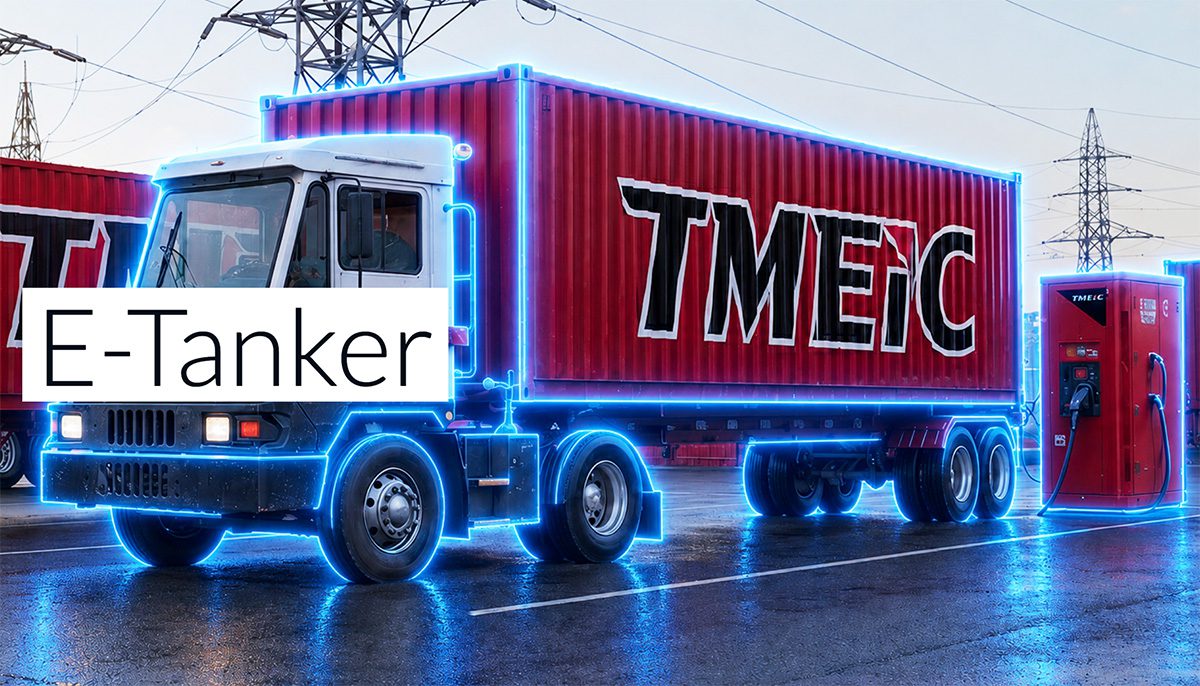
- TMEIC has launched the E-Tanker, a pioneering mobile charging system designed to convert diesel-powered rubber-tired gantry (RTG) cranes to battery-electric operation in port terminals.
- This innovative solution circumvents traditional electrification hurdles, such as extensive civil work and significant retrofit downtime, by offering a flexible, containerized unit.
- The E-Tanker includes a mobile lithium-ion battery charging unit, high-energy battery blocks adaptable to existing cranes, and a charging station, all managed by an intelligent Fleet Management System (FMS).
- It aims to drastically reduce carbon emissions and fuel consumption at ports, where RTG cranes can account for up to 75% of a terminal’s fuel usage.
- The system promotes rapid and cost-effective decarbonization, preserving terminal capacity and operational uptime without requiring yard redesigns or major grid upgrades.
Revolutionising Port Operations with Mobile Electrification
In a significant stride towards sustainable logistics, TMEIC, the US subsidiary of the Japan-based industrial systems giant, has introduced a groundbreaking mobile charging system aimed at rapidly electrifying diesel-powered rubber-tired gantry (RTG) cranes in bustling port terminals worldwide. This innovative solution, dubbed the ‘E-Tanker’, promises to streamline the transition from fossil fuels to clean battery-electric power, addressing a critical environmental and operational challenge facing the global shipping industry.
The maritime sector, a vital artery of global trade, is under immense pressure to reduce its carbon footprint. Port operations, particularly the movement and loading of cargo, are often energy-intensive, with RTG cranes being among the most significant consumers of diesel fuel. TMEIC’s new mobile charging system offers a practical and scalable pathway for terminals to embrace greener operations without disrupting existing infrastructure or incurring prohibitive costs and downtime.
Understanding the E-Tanker Mobile Charging System
At the heart of TMEIC’s offering is the E-Tanker, a comprehensive mobile charging solution meticulously engineered for seamless integration into the complex environment of port operations. This system comprises several key components working in concert to provide flexible and efficient power delivery.
The core of the system is a mobile lithium-ion battery charging unit. This unit is complemented by high-energy battery blocks specifically designed for the conversion process. These components are integrated with a dedicated charging station, all harmoniously orchestrated by TMEIC’s intelligent Fleet Management System (FMS).
Designed for Operational Efficiency and Flexibility
A standout feature of the E-Tanker is its ingenious design. The entire mobile charging unit is housed within a standard 40-foot container, making it exceptionally portable and versatile. This robust, self-contained unit can be easily transported across the terminal yard by existing terminal tractors, allowing for dynamic deployment wherever charging is needed most. This mobility ensures that the electrification process does not necessitate a complete overhaul of terminal layouts or extensive civil engineering work.
The inherent scalability of the E-Tanker system is another critical advantage. A single mobile charging system unit possesses the capacity to serve multiple RTG cranes, thereby maximising asset utilisation and providing a cost-effective solution for broader electrification initiatives across a port. This flexibility allows terminals to phase in electrification at their own pace, aligning with operational priorities and budget considerations.
Seamless Integration and Minimal Disruption
The integration capabilities of TMEIC’s mobile charging system are pivotal to its appeal. The system’s compact battery blocks are engineered to be adaptable to existing crane models. This ‘retrofit’ capability eliminates the need for extensive yard redesigns or significant grid upgrades, which are often major impediments to traditional electrification projects. By adapting to current infrastructure, the E-Tanker preserves vital terminal capacity and ensures continuous uptime, crucial for the round-the-clock demands of port logistics.
Further enhancing operational fluidity is the integration with TMEIC’s advanced Fleet Management System. This FMS provides terminal operators with real-time visibility into every aspect of their yard operations. Operators can monitor critical parameters such as battery state of charge for individual cranes, manage job assignments efficiently, schedule charging cycles optimally, and prioritise operational tasks based on immediate needs. This level of insight enables terminals to optimise the use of their electrified assets and maximise overall efficiency, contributing significantly to a smarter, more responsive port ecosystem.
Addressing the Decarbonization Imperative in Ports
The environmental benefits of TMEIC’s mobile charging system are substantial and directly address global decarbonization goals. Diesel-powered RTG cranes are widely acknowledged as significant contributors to a terminal’s carbon emissions and fuel consumption.
Suraj Mishra, Business Development Manager at TMEIC, underscored this critical point: Diesel-powered RTG cranes can account for up to 75% of a terminal’s fuel consumption, making them a high-impact starting point for decarbonization.
This statistic highlights the profound impact that transitioning these workhorses of the port industry to electric power can have on a terminal’s environmental footprint and operational costs.
Mishra further elaborated on the distinct advantages of the E-Tanker approach: While traditional cable reel and bus bar approaches clash with yard layout constraints and involve significant civil work and retrofit downtime, the E-Tanker solution introduces a new crane electrification paradigm. Terminals can transition to cleaner, battery-electric operations quickly and cost-effectively without redesigning their yards or taking cranes offline for weeks.
This statement directly contrasts the E-Tanker with conventional, often cumbersome, electrification methods, positioning it as a highly agile and less disruptive alternative.
A New Paradigm for Crane Electrification
The introduction of the E-Tanker marks a significant shift in how port terminals can approach electrification. Traditional methods often require substantial upfront investment in fixed infrastructure, including trenching for cable reels or installing bus bars along crane paths. These projects are not only costly but also time-consuming, leading to extended periods of operational disruption as cranes are taken offline for modifications and civil works are undertaken.
The mobile charging system bypasses these complexities entirely. By offering a flexible, on-demand charging solution, it eliminates the need for fixed infrastructure changes across the entire yard. This approach not only reduces capital expenditure but also accelerates the timeline for achieving decarbonization targets, allowing terminals to adapt more quickly to evolving environmental regulations and market demands for greener supply chains.
Driving Sustainability and Economic Viability
Beyond environmental stewardship, the adoption of a mobile charging system like the E-Tanker offers compelling economic advantages. Reducing reliance on diesel fuel translates directly into lower operational costs, mitigating exposure to volatile fuel prices. The ability to electrify quickly and without extensive yard redesigns means a faster return on investment and reduced indirect costs associated with downtime and complex project management.
Furthermore, by enhancing terminal efficiency through advanced fleet management and optimized asset utilisation, the system contributes to improved productivity and streamlined operations. This combination of environmental benefits and economic viability positions TMEIC’s E-Tanker as a crucial technology for ports aiming to remain competitive and sustainable in the rapidly evolving global logistics landscape.
The Future of Port Logistics
The launch of TMEIC’s E-Tanker underscores a broader trend towards innovative solutions in the maritime and logistics sectors. As global supply chains continue to demand greater efficiency and sustainability, technologies that enable rapid, flexible, and cost-effective decarbonization will become indispensable. This mobile charging system is not just a product; it represents a forward-thinking approach to modernizing port infrastructure, ensuring it meets both current operational needs and future environmental mandates.
With its capacity to convert a significant portion of a terminal’s diesel consumption to clean electric power, the E-Tanker is set to play a pivotal role in transforming port operations into cleaner, more efficient, and environmentally responsible hubs of global trade. The ability to adapt to existing infrastructure and offer scalability positions this mobile charging solution as a practical and powerful tool for terminals worldwide committed to achieving their sustainability objectives.
Frequently Asked Questions (FAQs)
What is TMEIC’s E-Tanker mobile charging system?
The TMEIC E-Tanker is a mobile solution designed to convert diesel-powered rubber-tired gantry (RTG) cranes to battery-electric operation in port terminals. It includes a mobile lithium-ion battery charging unit, high-energy battery blocks, a charging station, and an intelligent Fleet Management System, all housed within a standard 40-foot container for easy mobility and integration.
How does the E-Tanker address challenges of port crane electrification?
Traditional electrification methods often require extensive civil work, yard redesigns, and significant retrofit downtime. The E-Tanker bypasses these issues by offering a mobile, containerised unit that adapts to existing cranes and infrastructure, allowing terminals to transition to cleaner operations quickly and cost-effectively without disrupting operations or requiring major grid upgrades.
What are the primary components of the E-Tanker system?
The system consists of a mobile lithium-ion battery charging unit for efficient power delivery, compact high-energy battery blocks designed to fit existing RTG cranes, a dedicated charging station, and an intelligent Fleet Management System (FMS). The entire mobile charging unit is contained within a standard 40-foot shipping container for transport by terminal tractors.
What role does the Fleet Management System (FMS) play in the E-Tanker solution?
The FMS provides real-time visibility into yard operations. It allows terminal operators to monitor battery state of charge, manage job assignments for cranes, schedule charging times efficiently, and prioritise operational tasks. This optimisation helps maximise the utilisation of electrified assets and enhances overall terminal efficiency and productivity.
What are the environmental benefits of adopting this mobile charging system?
The E-Tanker significantly contributes to decarbonization efforts by enabling the conversion of diesel-powered RTG cranes to battery-electric power. These cranes can account for up to 75% of a terminal’s fuel consumption. By electrifying them, ports can drastically reduce their reliance on fossil fuels, thereby lowering carbon emissions and improving air quality in and around port areas.
Can the E-Tanker be used for multiple cranes simultaneously?
Yes, the TMEIC E-Tanker is designed with scalability in mind. A single mobile charging unit can effectively serve multiple RTG cranes, providing the flexibility and capacity needed to support broader electrification initiatives across a port terminal. This enhances efficiency and optimises the investment in electrification infrastructure.