
Key Takeaways
- A recent *Reuters* report highlights significant skepticism among former Tesla employees regarding the safety and readiness of the company’s Full Self-Driving (FSD) system.
- Seven former data labelers expressed distrust, with one stating he wouldn’t use FSD even “if you fucking paid me.”
- Allegations suggest Tesla has selectively presented data to portray FSD as safer than internal assessments might indicate.
- Despite challenges in autonomous driving, the broader electric vehicle (EV) charging infrastructure, including networks like Rivian and Electrify America, is showing consistent and significant improvements.
- Tesla Superchargers are becoming increasingly accessible to non-Tesla EVs, contributing to a more reliable public charging experience.
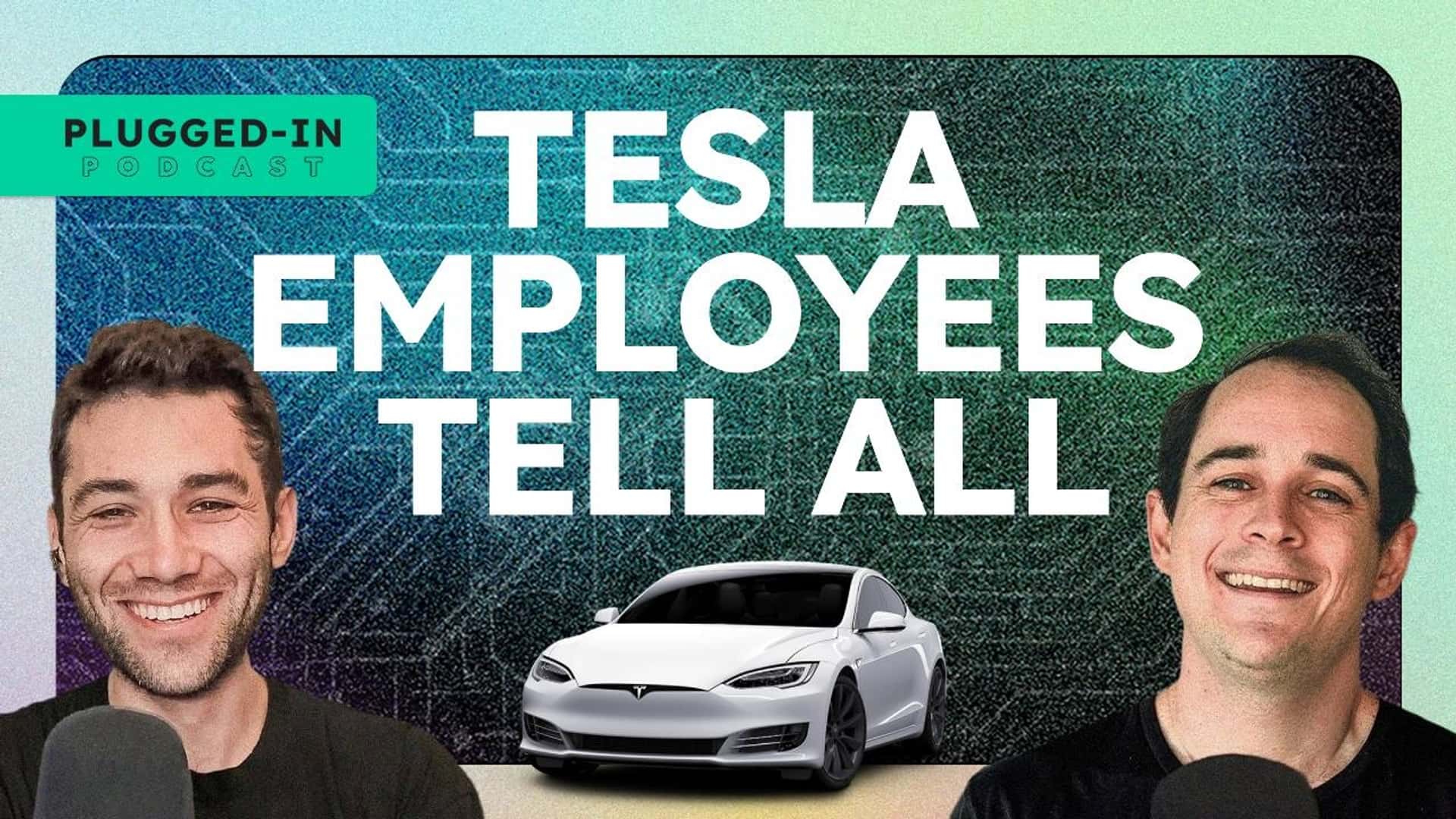
Tesla’s ambitious Full Self-Driving (FSD) system continues to be a focal point of discussion within the automotive industry and among technology enthusiasts. Despite nearly a decade of promises from CEO Elon Musk about imminent full autonomy, the software’s journey has been marked by significant incidents, including fatal crashes and substantial lawsuit judgments. A recent investigation by *Reuters* sheds new light on the internal perceptions surrounding this advanced driver-assistance system, revealing a landscape of skepticism from those who worked closest to its development.
The *Reuters* report brings forth compelling testimonies from former Tesla employees involved in labeling training data for the company’s autonomy efforts. Their insights underscore the complexities and challenges inherent in achieving true self-driving capabilities, particularly for the continually evolving Tesla FSD system.
Employee Skepticism Revealed in Reuters Report
Former Staff Voice Deep Distrust
The core of the *Reuters* investigation revolves around the candid statements of seven former Tesla data labelers. These individuals, integral to the development of the autonomous driving technology, expressed profound reservations about the safety and reliability of Tesla FSD. Their collective sentiment indicates a lack of trust in the software to operate vehicles without constant human intervention.
One former employee’s particularly stark comment encapsulated the depth of this concern: he unequivocally stated he would not get into a car piloted by Tesla FSD “if you fucking paid me.” Such sentiments from those directly involved in refining the system’s underlying data raise critical questions about its current state and the public perception of its capabilities.
Allegations of Narrative Management
The report further alleges that Tesla has, at times, “massaged the narrative” surrounding FSD. This involved presenting the system as safer through the use of incomplete or incomparable data. According to the investigation, this practice allegedly occurred even when more comprehensive, albeit less favorable, data was available for analysis. These claims point to a potential discrepancy between public messaging and internal assessments regarding the maturity of Tesla’s autonomous driving technology.
The current iteration, Tesla FSD (Supervised), is widely acknowledged for its impressive capabilities as an advanced driver assistance system. However, as the name suggests and as employee testimonies reinforce, it remains far from a fully autonomous solution, demanding active driver engagement and supervision.
Broader Context: The Evolving Landscape of Autonomy
The Decade-Long Pursuit of Full Autonomy
Elon Musk’s bold predictions regarding Tesla’s attainment of full autonomy have spanned nearly a decade. During this period, consumers have engaged in countless leases, with the promise of a fully self-driving vehicle remaining largely unfulfilled by the lease’s end. This extended timeline, coupled with the system’s limitations, has fueled ongoing debate about the realistic prospects and timeline for achieving Level 5 autonomy, where a vehicle can operate entirely without human input under all conditions.
The journey toward autonomous driving technology is fraught with technical hurdles, regulatory complexities, and ethical considerations. While progress is undeniable, the gap between current capabilities and the vision of truly driverless cars remains substantial, as underscored by the skepticism surrounding Tesla FSD.
Beyond FSD: Ferrari’s Electric Vision and Industry Discourse
The Ferrari Luce: An In-Person Perspective
While discussions around Tesla FSD dominate headlines, other developments in the electric vehicle sector continue to unfold. Notably, the recent unveiling of the Ferrari Luce has sparked considerable debate and public commentary. Mack Hogan’s podcast discussion with Tim provided a valuable first-hand account of encountering the Ferrari Luce.
Tim’s experience offered a crucial real-world perspective, especially in light of prevalent online discourse. He emphasized that prevailing comparisons of the Luce to vehicles like the Nissan Leaf may mislead those who haven’t seen it in person. His insights suggest that the physical presence and design of the Ferrari Luce diverge significantly from some popular, often critical, online portrayals.
Advancements in EV Charging Infrastructure
Expanding Networks Across America
Amidst the ongoing challenges and debates in autonomous driving, significant strides are being made in a critical area for electric vehicle adoption: the fast-charging network. Across the United States, several key players are driving a consistent push to enhance and expand charging accessibility and reliability for all EV owners.
Rivian, for instance, recently announced a major milestone for its Adventure Network. The company now boasts over 1,000 DC fast chargers distributed across 148 Rivian Adventure Network charging stations. This expansion is a testament to the dedicated efforts by manufacturers to build robust charging infrastructure, complementing public and private initiatives from companies like Electrify America and major retailers such as Walmart.
Real-World Charging Reliability: Bridging Perception and Reality
Public sentiment regarding the reliability of the fast-charging network often lags behind the actual improvements on the ground. Many individuals who only occasionally review EVs or follow the automotive market without personal EV ownership experience tend to express concerns about charging unreliability. However, for regular EV owners, the reality has steadily improved.
Experiences suggest that the instances of encountering multiple broken stalls at a fast-charging station have become increasingly rare over the past two years. This positive trend holds true across various regions, including bustling urban centers and more geographically dispersed locations, indicating a general uplift in the operational efficiency of charging infrastructure.
Tesla Superchargers: Growing Accessibility for All EVs
A pivotal development in the evolution of EV charging infrastructure has been the increasing accessibility of Tesla Superchargers to non-Tesla electric vehicles. This integration has significantly alleviated range anxiety and improved the overall charging experience for a wider spectrum of EV drivers. The renowned reliability of the Supercharger network, now largely available to most EVs, acts as a crucial safety net for drivers who cannot afford an unreliable or occupied station.
Minor issues, such as a single dispenser malfunction once a year or a payment processing glitch during a widespread web outage (like the 24-hour CrowdStrike outage that affected an Ioniq 5 XRT tester at a Supercharger), are comparable to the inconveniences occasionally experienced at traditional gasoline stations. As payment systems are refined and the network continues to expand, the reliability of EV charging stations is rapidly approaching that of conventional fuel pumps.
The Future of EV Charging: Progress Amidst Perception
It is important to remember that approximately 86% of all electric vehicle charging occurs at home, fundamentally differing from the near-zero percentage of gasoline fill-ups at residential locations. This inherent difference means that the sheer number of public charging stations required does not need to equal that of traditional gas stations. The focus remains on strategic placement, high reliability, and efficient operation.
While challenges persist and the electric vehicle industry navigates periods of rapid change, the quiet and consistent progress in charging infrastructure is undeniable. The continuous expansion and improvement of networks ensure that the problem of reliable public charging, though not fully solved, is progressively moving towards a robust and user-friendly solution.
Frequently Asked Questions About Tesla FSD and EV Charging
What is Tesla Full Self-Driving (FSD)?
Tesla FSD is an advanced driver-assistance system designed to enable vehicles to navigate and drive autonomously. It’s a suite of features including automatic lane changes, navigation on Autopilot, traffic light and stop sign control, and auto park. Currently, it operates as FSD (Supervised), requiring active driver attention and supervision, and is not a fully autonomous system.
Why are former Tesla employees skeptical of FSD?
According to a *Reuters* report, former Tesla employees who worked on labeling training data for FSD expressed concerns about its safety and reliability. Their skepticism stems from their direct experience with the software, with some stating they wouldn’t trust it to drive them. Allegations also suggest data might have been selectively presented to enhance FSD’s safety narrative.
Has Tesla FSD been involved in accidents?
Yes, Tesla’s FSD and Autopilot systems have been associated with fatal crashes and have led to hundreds of millions of dollars in lawsuit judgments. These incidents highlight the critical need for drivers to remain engaged and supervise the system, as well as the ongoing safety challenges in developing autonomous driving technology.
How reliable is the current EV fast-charging network in the US?
The reliability of the EV fast-charging network in the US has significantly improved over the past two years. Companies like Rivian and Electrify America are expanding their infrastructure, and the increasing accessibility of Tesla Superchargers to non-Tesla EVs further enhances overall network dependability. While minor issues can occur, they are becoming less frequent.
Can all electric vehicles now use Tesla Superchargers?
Most electric vehicles from other manufacturers can now access Tesla Superchargers, particularly those equipped with the NACS (North American Charging Standard) port or through adapters. This broader compatibility has dramatically improved charging options and convenience for a wide range of EV owners, bolstering the overall charging ecosystem.
Why is home charging so important for EV owners?
Home charging is paramount for EV owners because approximately 86% of all electric vehicle charging occurs at home. This significantly reduces the reliance on public charging infrastructure for daily needs. Home charging offers convenience, cost savings (often cheaper electricity rates), and ensures a full charge every morning, making EV ownership practical for many.