
Key Takeaways
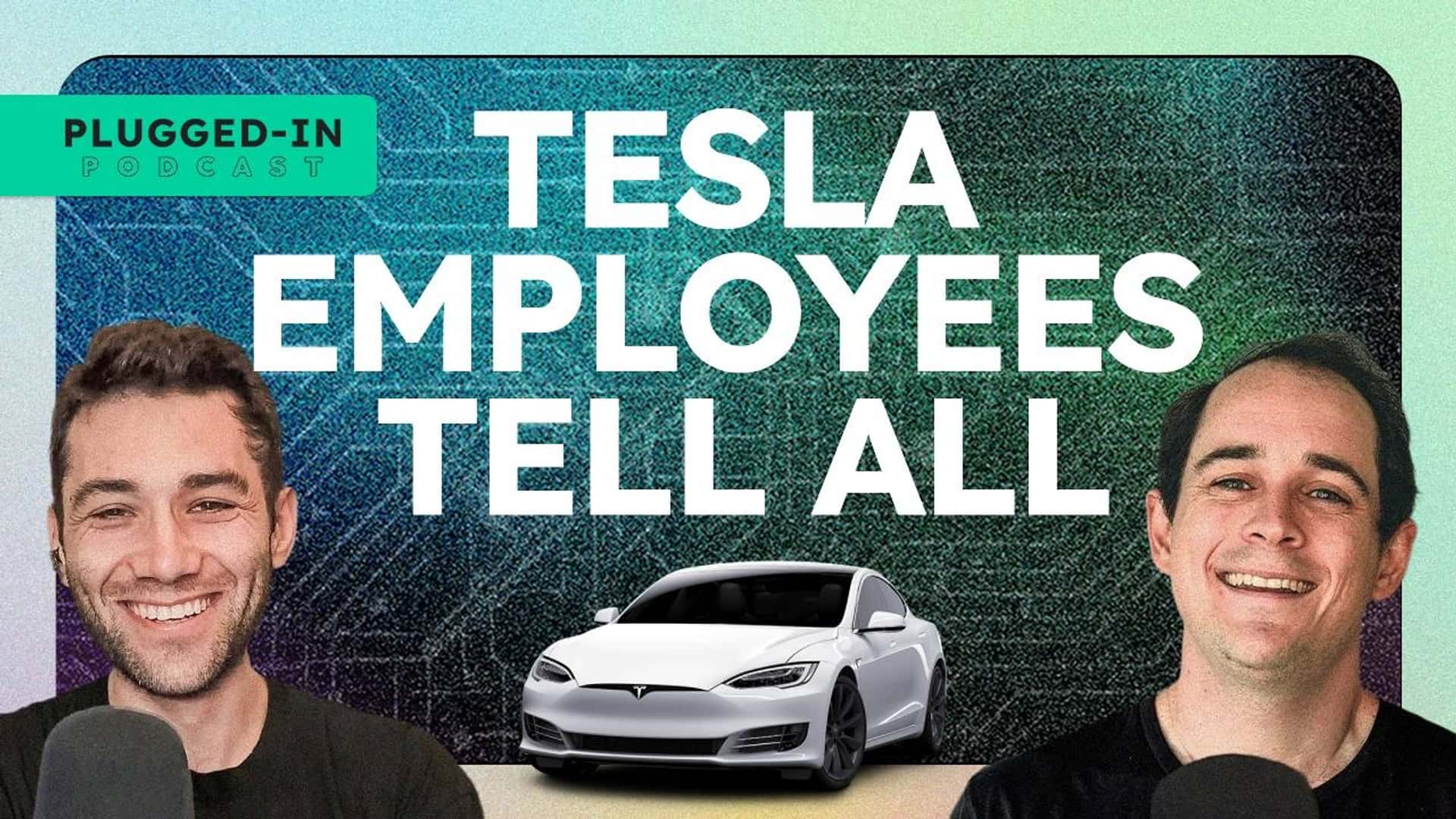
A recent Reuters report reveals significant skepticism among former Tesla employees regarding the safety and readiness of the company’s Full Self-Driving (FSD) system. Employees involved in data labeling expressed strong reservations, with several stating they would not trust the software to drive them. This internal sentiment highlights the ongoing challenges for Tesla’s FSD, which CEO Elon Musk has promised would achieve full autonomy for nearly a decade, despite fatal crashes and substantial legal settlements. In contrast to FSD’s developmental hurdles, the broader electric vehicle (EV) landscape shows promising advancements, particularly in the fast-charging infrastructure. Networks like Rivian Adventure Network and Electrify America, alongside initiatives from Walmart, are expanding rapidly, making public EV charging increasingly reliable and accessible across the United States.
Deep Dive into Tesla’s Full Self-Driving (FSD) System
For nearly a decade, Tesla CEO Elon Musk has consistently projected that the company’s Full Self-Driving (FSD) system would soon achieve complete autonomy. This persistent promise, however, continues to face significant scrutiny, especially in light of recent revelations from former Tesla employees. The gap between ambition and current reality remains a critical point of discussion in the autonomous vehicle industry.
Over the years, the development and deployment of Tesla’s Full Self-Driving (FSD) have been marked by a complex history, including fatal crashes that have prompted intense investigations and resulted in hundreds of millions of dollars in lawsuit judgments. Despite these significant challenges, the vision of a fully autonomous Tesla vehicle persists, driving both innovation and controversy.
Internal Doubts Revealed by Former Employees
A recent report by Reuters has offered an unprecedented look into the internal perception of Tesla’s Full Self-Driving (FSD) system. This report quotes a number of former Tesla employees who were directly involved in labeling training data—a critical process for the development of the company’s autonomous driving efforts.
Their testimonies paint a stark picture. Seven of these former employees explicitly stated that they would not trust the Tesla Full Self-Driving (FSD) software to operate a vehicle safely with them inside. One employee went further, unequivocally stating, “if you fucking paid me” he would not get into a car piloted by FSD.
This level of internal skepticism from individuals directly contributing to the system’s development underscores the significant challenges still confronting Tesla’s advanced driver-assistance system. It raises important questions about the practical readiness and safety assurances provided for Tesla Full Self-Driving (FSD).
The Narrative Around FSD and Data Integrity
The Reuters report further delves into allegations that Tesla has, at times, manipulated the narrative surrounding its Full Self-Driving (FSD) technology. The report suggests that the company may have presented FSD as safer than actual data indicated, potentially using incomplete or incomparable datasets to bolster public perception.
This alleged massaging of the narrative, according to the report, occurred even when more comprehensive, albeit less favorable, data was readily available. Such practices, if true, could significantly impact public trust and the credibility of Tesla’s claims regarding its autonomous capabilities.
The current iteration, referred to as FSD (Supervised), is undoubtedly impressive in its technological sophistication. However, as numerous independent tests and internal accounts suggest, it remains a system requiring active driver supervision and falls short of truly autonomous operation.
Broader EV Landscape: Charging Infrastructure Surges Forward
While the path to full autonomy for Tesla’s FSD system continues to navigate complex technical and public perception challenges, the broader electric vehicle (EV) ecosystem is witnessing substantial and consistent progress, particularly in the development of charging infrastructure across the United States.
Significant improvements are making EV ownership more practical and less stressful for the average consumer. This quiet evolution in infrastructure stands in contrast to some of the more high-profile debates surrounding self-driving technology.
Enhancements in Fast-Charging Networks
Recent announcements highlight a concerted effort to expand and improve America’s fast-charging network. Key players in the EV industry, including Rivian, Electrify America, and even retail giant Walmart, are actively contributing to this push, aiming to enhance the charging experience for all electric vehicle owners.
Rivian, for instance, recently announced a major milestone: its Rivian Adventure Network now boasts over 1,000 DC fast chargers spread across 148 dedicated charging stations. This expansion provides vital support for Rivian owners and contributes significantly to the overall availability of high-speed charging options.
These developments signify a consistent push to ensure that EV owners have reliable and accessible charging solutions, mitigating range anxiety and making long-distance travel more feasible. The industry’s focus on these practical aspects is crucial for wider EV adoption.
Bridging the Perception Gap in EV Charging
Often, public sentiment regarding the reliability of the EV fast-charging network tends to lag behind the actual improvements being made on the ground. Many individuals who review EVs occasionally or follow the automotive market without direct personal experience frequently express concerns about charger availability and functionality.
However, for seasoned EV owners, particularly those who regularly depend on public charging solutions, the reality has markedly improved over the past two years. Experiences of encountering multiple broken stalls or entirely non-functional stations are becoming increasingly rare, particularly within established charging networks.
This shift means that many EV owners, when planning trips, no longer feel compelled to meticulously research the reliability reviews of specific charging stations, provided they are using a known and reputable network. This growing confidence is a testament to the investments and operational refinements made by charging providers.
Tesla Superchargers: A Growing Accessibility for All EVs
A significant factor contributing to increased charging reliability is the expanding accessibility of Tesla Superchargers. What was once an exclusive network for Tesla vehicles is now opening its doors to a wider range of electric vehicles, effectively bolstering the overall fast-charging infrastructure.
This development is particularly beneficial in situations where reliability is paramount. If an EV owner absolutely cannot afford an unreliable or fully occupied station, the option of utilizing a Tesla Supercharger, now compatible with most EVs, offers a strong contingency plan.
While occasional disruptions can still occur—such as a 24-hour period where a nationwide CrowdStrike outage temporarily prevented an Ioniq 5 XRT tester from charging at a Supercharger—these instances are increasingly rare and often comparable to minor inconveniences one might encounter at a traditional gasoline station, like a single pump being out of order or a payment system glitch.
Home Charging and Future Outlook
It is crucial to remember that the vast majority of electric vehicle charging, approximately 86%, occurs at home. This fundamental difference from gasoline vehicles significantly reduces the overall demand for public charging stations compared to the extensive network of petrol pumps required for internal combustion engine vehicles.
As payment systems become more refined and the charging infrastructure continues to expand, the reliability of public EV charging stations is rapidly approaching parity with that of traditional gas stations. This steady, often ‘invisible,’ progress ensures that despite highly publicized challenges in areas like autonomous driving, the foundational elements of EV ownership are consistently getting better.
The current landscape of the EV industry might appear to face public setbacks in certain areas. However, beneath the surface, there is consistent and measurable advancement in critical infrastructure, paving the way for a more seamless and practical electric vehicle experience for everyone.
Frequently Asked Questions (FAQs)
What is the current status of Tesla’s Full Self-Driving (FSD) technology?
Tesla’s Full Self-Driving (FSD) system, currently designated as FSD (Supervised), offers advanced driver-assistance features but is not yet fully autonomous. It requires active driver supervision and intervention. Despite nearly a decade of promises from CEO Elon Musk for full autonomy, the system continues to undergo development and faces significant safety and technical challenges.
Why are former Tesla employees skeptical about FSD?
Former Tesla employees involved in labeling training data for FSD have expressed significant skepticism, with several stating they would not trust the software to drive them. This internal doubt stems from their direct experience with the system’s development and limitations, highlighting concerns about its current readiness and safety capabilities.
What are the safety concerns associated with Tesla FSD?
Safety concerns around Tesla Full Self-Driving (FSD) include its involvement in fatal crashes and subsequent lawsuits, which have resulted in substantial judgments. Critics and former employees point to the system’s occasional unpredictable behavior and the need for constant driver monitoring, underscoring that it does not yet meet true autonomous safety standards.
How reliable is the EV fast-charging network in the U.S. today?
The EV fast-charging network in the U.S. has significantly improved in reliability over the past two years. While public perception may lag, real-world experiences indicate fewer broken stalls and more consistent service, particularly from established networks. Occasional minor issues are now comparable to those encountered at traditional gas stations.
Which companies are contributing to improvements in EV charging infrastructure?
Several companies are actively improving EV charging infrastructure in the U.S. Rivian has expanded its Adventure Network to over 1,000 DC fast chargers, while Electrify America continues its build-out. Walmart is also investing in charging solutions. Additionally, Tesla Superchargers are increasingly accessible to non-Tesla EVs, further bolstering network coverage and reliability.
How does home charging impact the need for public charging stations?
Home charging significantly reduces the reliance on public charging stations, as approximately 86% of all EV charging occurs at home. This fundamental difference from gasoline vehicles means that the total number of public charging stations required for EVs is considerably less than the number of gas stations needed for internal combustion engine vehicles.